
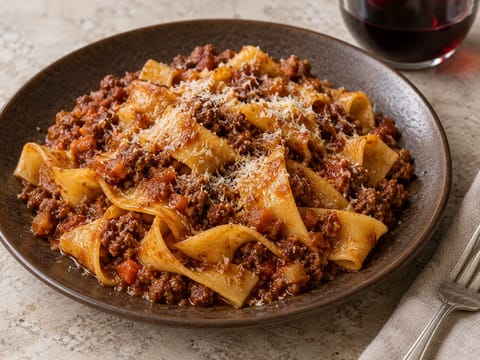
Pappardelle al Cinghiale (Pappardelle with Wild Boar Ragù)
Pappardelle with slow-simmered wild boar ragù and pecorino

Family dinner is rarely one fixed moment with one set of preferences. The most useful recipes here are the ones that tolerate interruptions, different appetites and small substitutions without falling apart. Look for dishes that can be served in the middle of the table, portioned easily, and adjusted at the end with toppings or sides. A family dinner can be simple or more involved, but it usually benefits from a clear plan for how everyone will eat, not just what you’ll cook.
If you need a calm service, favour traybakes, pasta bakes, stews and other dishes that can sit for a few minutes without losing their appeal. For picky eaters, recipes with separable components help: a base plus a sauce on the side, or a build-your-own format where vegetables, protein and toppings can be combined to taste. When you want to include more vegetables without a separate side, look for one-pot meals where vegetables cook into the sauce, or dishes that roast vegetables alongside the main element. If you’re feeding a mix of ages, keep heat and strong aromatics adjustable at the table rather than baked into the whole dish.
Pappardelle with slow-simmered wild boar ragù and pecorino
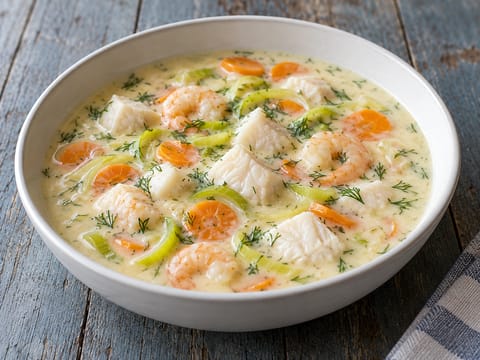
Creamy fish soup with prawns, lemon and dill

Crisp tostadas topped with chicken tinga, crema and lettuce
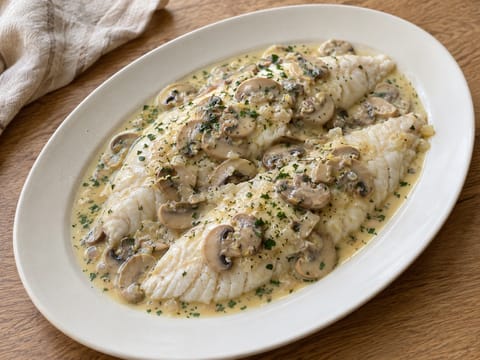
Sole fillets cooked with mushrooms, shallots and white wine
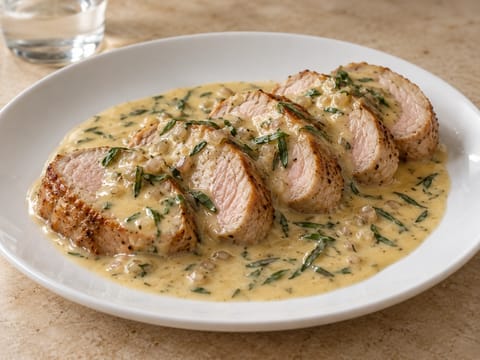
Seared pork tenderloin with Dijon and tarragon cream sauce
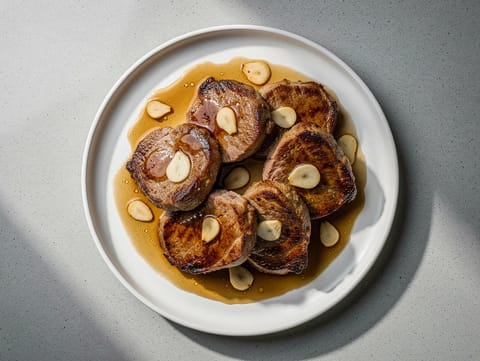
Pan-seared pork tenderloin with garlic whisky sauce
Season in layers. A well-salted base tastes complete, while chilli oil, hot sauce, grated cheese, herbs or toasted seeds can be offered as optional extras. Pay attention to texture: a crunchy salad, toasted breadcrumbs or roasted nuts can make soft foods feel more satisfying without changing the core recipe. Think about serving vessels too. A large platter or bowl encourages sharing and makes it easier to give someone a smaller portion without it looking like an afterthought. If timing is unpredictable, keep the last step simple, such as reheating, dressing a salad, or finishing with a squeeze of lemon.
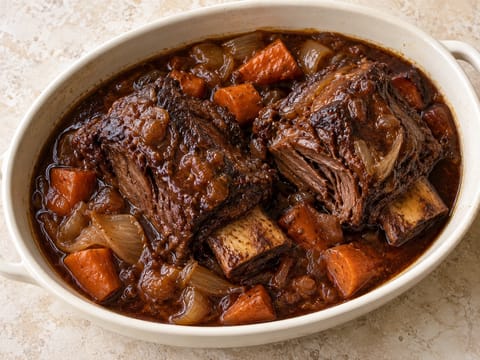
Slow-cooked beef short ribs in red wine sauce
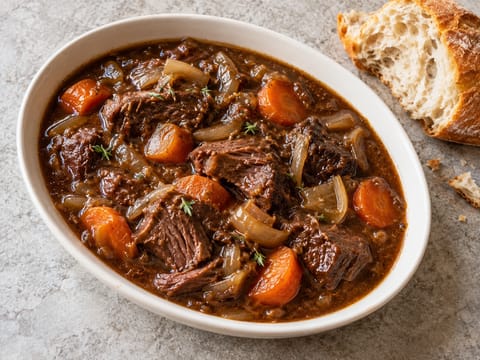
Beef and Guinness stew with carrots and crusty bread
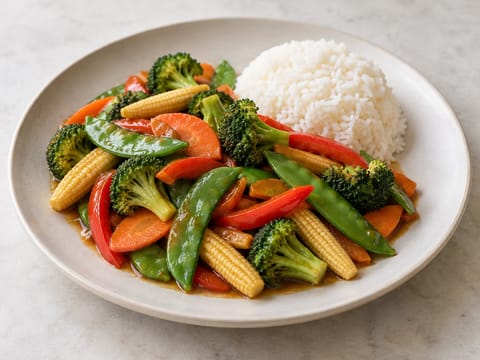
Thai mixed vegetable stir-fry with garlic, soy and oyster sauce
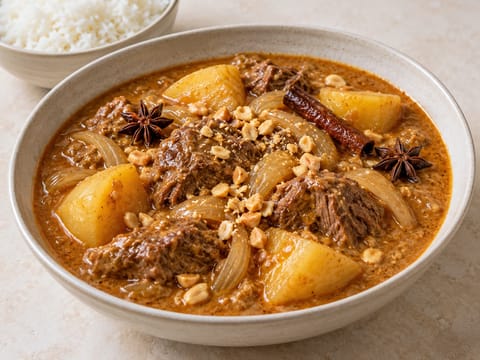
Massaman beef curry with potatoes, peanuts and coconut milk
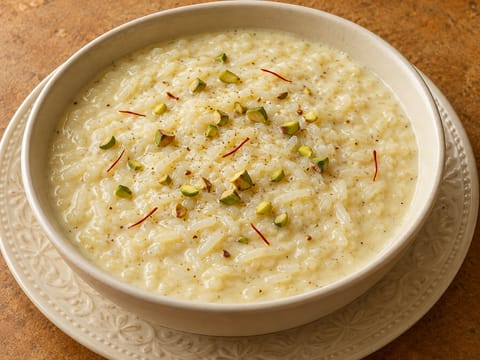
Creamy kheer made with basmati rice, milk, cardamom and saffron

Thick cowboy stew with minced beef, kidney beans and tomatoes

Italian rolled pork roast with fennel, rosemary and lemon
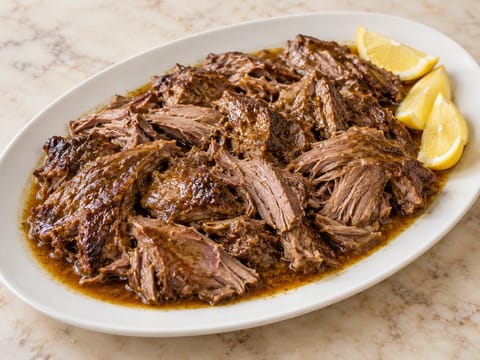
Slow-cooked lamb shoulder with ras el hanout and lemon

Tender slow-roasted pork belly served with simple apple sauce
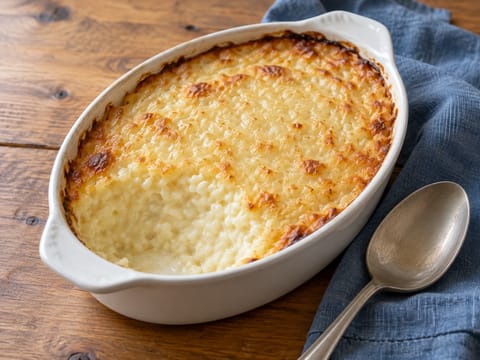
Baked Italian rice pudding flavoured with lemon and vanilla

Chicken involtini wrapped in prosciutto and sage with pan sauce
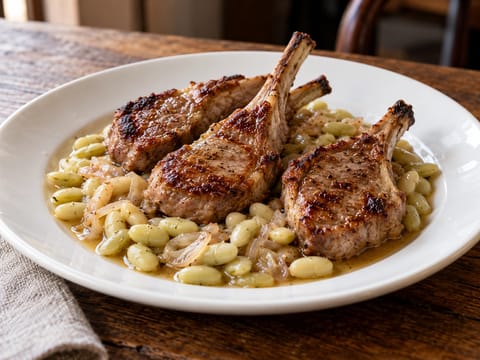
Seared lamb cutlets served over flageolet beans with rosemary
A family dinner often works best when the meal has an obvious centre and one or two supporting pieces. If the main is saucy, you’ll usually want something to catch it: rice, pasta, potatoes or bread. If the main is dry-roasted, a sauce, yoghurt dressing or gravy can make serving easier and help leftovers stay pleasant. Add one fresh element for contrast, even if it’s as simple as sliced cucumbers, tomatoes, or a bagged salad dressed well. Dessert, if you want it, can be uncomplicated: fruit, yoghurt, or a bake that can be portioned without ceremony.
Meal time can help when you’re deciding whether you want a lighter early-evening meal or something more substantial later on. Collections are also useful for narrowing in on family-friendly formats, such as one-pot cooking or recipes that scale without extra complexity.
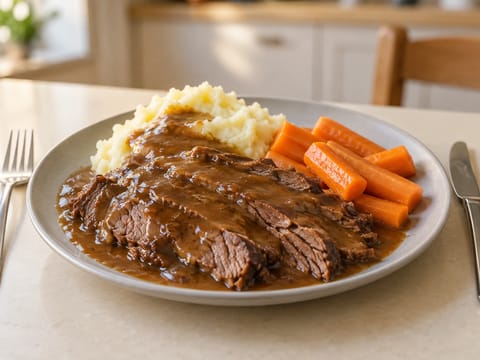
Tender slow-cooked brisket served with rich onion gravy
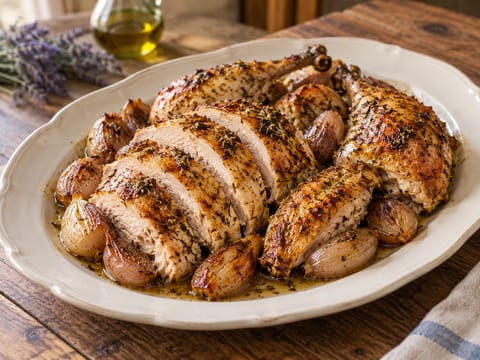
French roast chicken with herbs and lemon
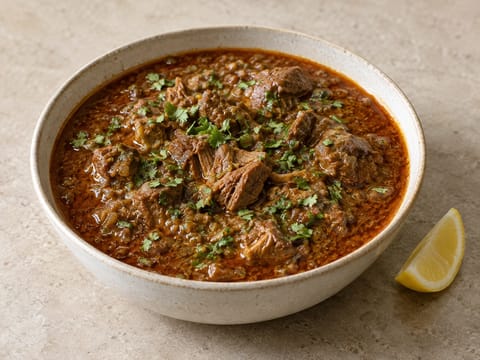
Slow-braised lamb nihari with a lightly thickened spiced gravy

Ricotta and lemon cake with a light, moist crumb
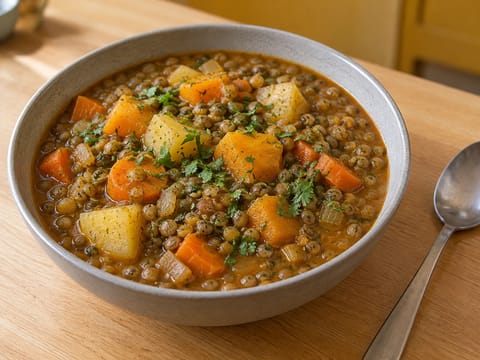
Vegan lentil stew with pumpkin, potato and warming spices

Quiche Lorraine with bacon custard and a green salad

Steamed rice-flour dumplings filled with coconut and jaggery
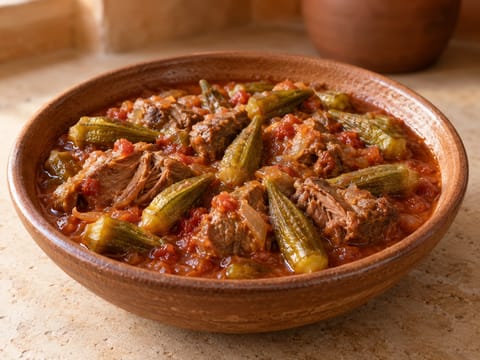
Okra and lamb stew simmered in a tomato sauce with lemon
It usually serves easily, doesn’t rely on perfect timing, and can be adjusted for different preferences. Recipes with optional toppings or sides are particularly adaptable.
Build flavour into the base with aromatics and seasoning, then offer heat separately. Chilli flakes, hot sauce, chilli oil or fresh chillies let people adjust their own plates.
Not necessarily. The common thread is shared eating. Platter meals, bowls and help-yourself serving can work just as well as plated food.
Choose recipes where vegetables cook into the main dish, or roast them on the same tray. Sauces, soups and stews are especially good at carrying extra vegetables.
Pick dishes that hold well, such as bakes, stews and many pasta dishes. Keep crisp elements, like salads or toasted toppings, separate until serving.
Use a shared base and vary the finish. A mild main plus optional toppings, sauces and sides can satisfy different eaters without doubling the work.
The best family dinner recipes are the ones that still work when plans change. Choose a dependable main, keep the contrasts simple, and let toppings and sides do the fine-tuning at the table.
