
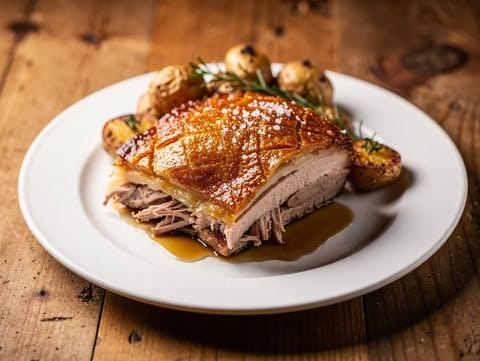
Slow-Cooked Pork Shoulder with Crackling
Slow-roasted pork shoulder with crisp crackling and roasting juices

Weekend cooking often has a different shape: you might be out for the day, feeding a mix of people, or bringing something along to share. That makes transportability and serving style more important than speed. Recipes that pack neatly, hold their texture, and taste good without last-minute fuss are especially useful, whether you are heading to a park, a friend’s house or simply eating in a more relaxed way. Think about containers, temperature and portioning, then choose dishes that suit the plan.
Weekend recipes are not defined by a single cuisine or meal. The common thread is flexibility: food that can be made when you have a little more time, or food that can be carried and eaten away from the table. That might mean a bake that needs cooling before slicing, a salad that improves after a short rest, or a batch of snacks that can be grazed on through the afternoon. Weekend cooking can also involve shared eating, where dishes are served from boards, trays and big bowls rather than plated individually. When you are choosing, notice whether a recipe is happiest straight from the pan, or whether it is designed to sit, travel or be served at room temperature.
Slow-roasted pork shoulder with crisp crackling and roasting juices
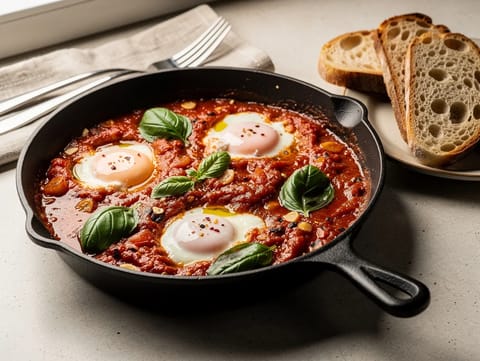
Eggs poached in garlicky tomato sauce with chilli and basil
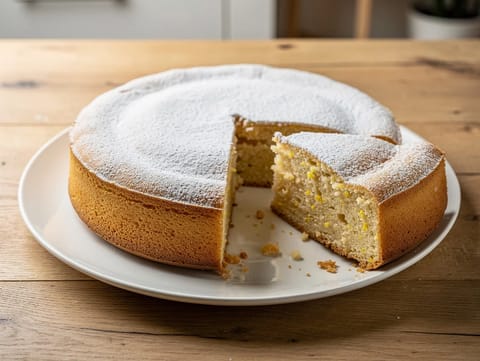
Gluten-free almond cake with lemon zest and icing sugar
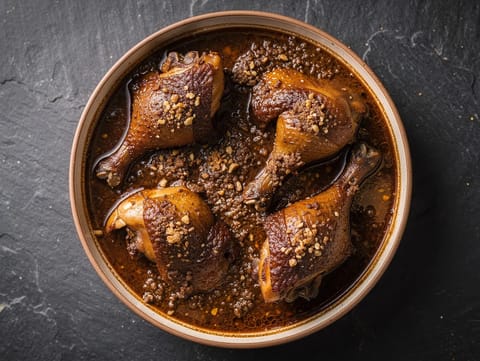
Persian chicken stew with walnut and pomegranate molasses sauce
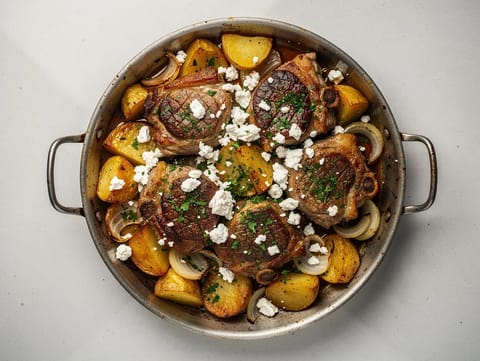
Slow-baked lamb in parchment with potatoes, lemon and oregano
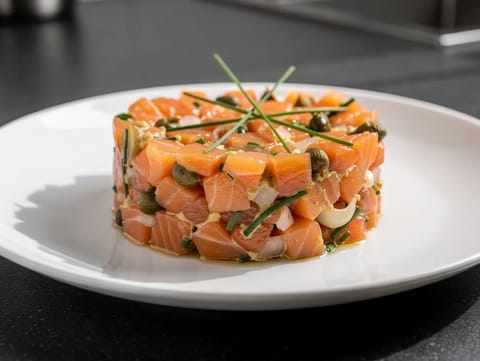
French-style salmon tartare with capers, Dijon and lemon
If you are staying home, you can lean into recipes that take a little longer or use the oven for extended periods, because timing is less tight. For day trips and picnics, prioritise foods that are robust: sandwiches that do not soak through, salads with sturdy vegetables, and bakes that do not crumble into dust. If you are taking food to someone else’s house, choose dishes that are complete in their own container and do not require special equipment to finish. Desserts that slice cleanly and snacks that can be picked up without plates are often the easiest to share. In all cases, think about how the food will be served before you commit to a recipe that needs careful plating or last-minute garnishing.
Folded crêpes with sautéed mushrooms and ham, finished with béchamel
Roasted aubergine involtini filled with ricotta and basil, baked in tomato passata
Slow-cooked short ribs in red wine and stock with vegetables and reduced sauce
Provençal vegetable tian layered with potatoes, baked with garlic, thyme and breadcrumbs
French beef daube braised in red wine with olives and orange zest
Lamb nihari stew with onions, ginger, garlic and spices, thickened lightly with atta
Buttery pastry tart filled with bacon, sautéed onion and a rich egg custard
Crisp-skinned roast chicken served with golden sage and onion stuffing and roasting juices
Farmhouse rye bread with pork dripping, fried onions and dried marjoram
Basmati rice layered with spiced fish and caramelised onions, finished with herbs and yoghurt
Golden brioche French toast served with butter-caramelised peaches and icing sugar
Chilled fraisier cake with strawberries, génoise sponge and vanilla crème mousseline
Separate what softens from what stays crisp. Keep dressings, sauces and juicy components in their own container until serving, and add crunchy toppings at the end. Choose containers that match the food: shallow tins for bars and traybakes, wide tubs for salads, and leakproof jars for dips. If you are packing warm food, allow steam to escape briefly before sealing, otherwise condensation can make crusts and coatings go limp. For chilled dishes, keep them cold until you leave and transport in an insulated bag. Weekend food is at its best when it arrives looking like itself, not like it has been shaken on the journey.
Season is a helpful companion for weekend cooking, because it nudges you towards weather-appropriate choices: chilled salads and fruit desserts in summer, or bakes and warm puddings when it is cold. Collections can also point you towards recipe groupings that suit sharing and packing, such as picnic-style dishes or batch bakes.
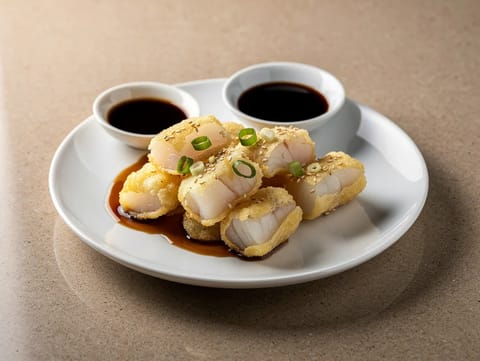
Korean pan-fried cod in flour and egg coating
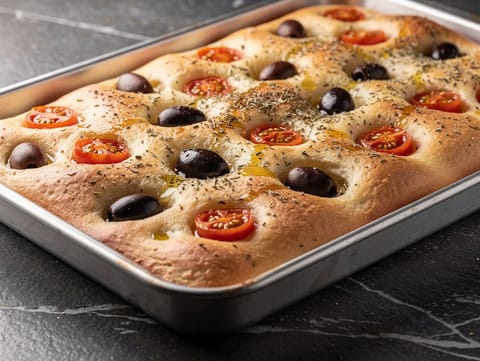
Olive oil focaccia topped with cherry tomatoes and olives
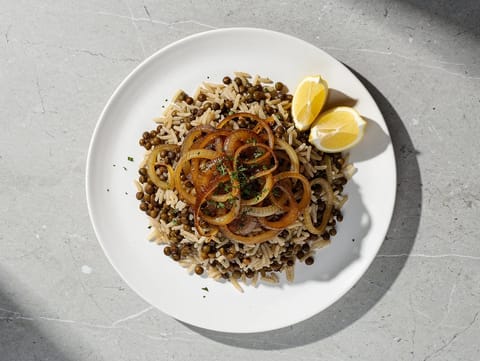
Lentil rice topped with caramelised onions and lemon
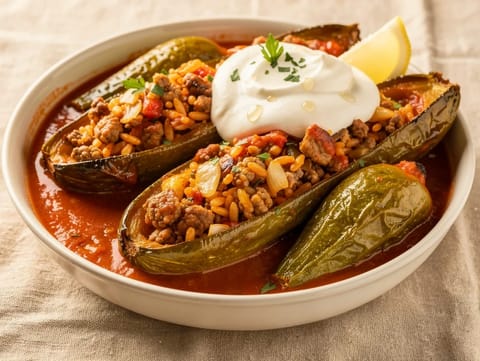
Courgettes stuffed with minced lamb and rice in tomato sauce
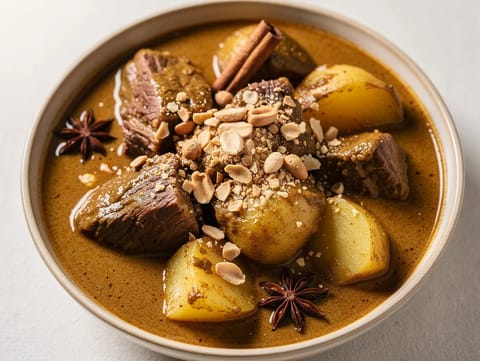
Massaman beef curry with potatoes, peanuts and coconut milk
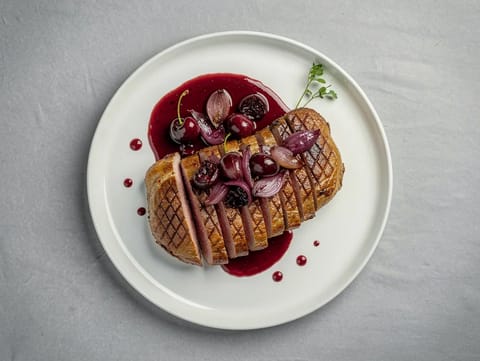
Pan-seared duck breast with a cherry and red wine sauce
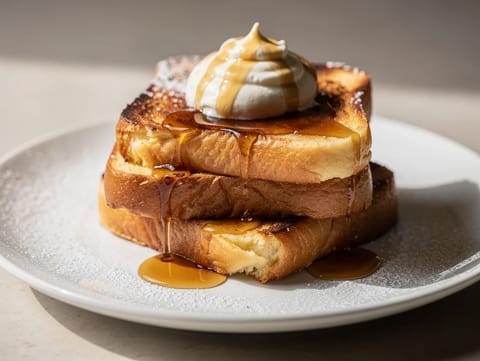
Custard-soaked brioche French toast with crème fraîche and maple syrup
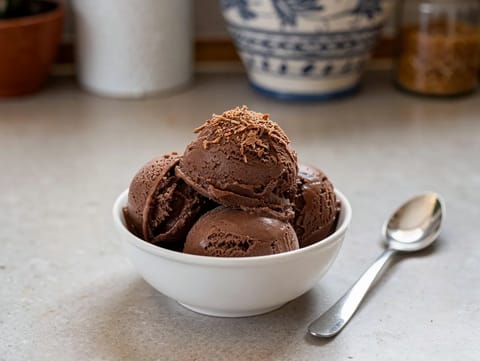
Dense dark chocolate gelato made with milk and double cream
Not automatically. Weekend recipes can be slow-cooked projects, but they can also be simple foods chosen because they travel well or serve a group easily.
Dishes that hold their shape and texture: sturdy salads, sliceable bakes, sandwiches that do not get soggy, and snacks that can be eaten without cutlery.
Let hot food vent before sealing, keep sauces separate, and add crunchy elements at the last moment. Container choice matters as much as the recipe.
No, but many suit casual, help-yourself serving. Even for a small household, that style can make the day feel more relaxed.
Sliceable desserts such as traybakes and bars are usually straightforward, because they portion neatly and do not require delicate plating.
Weekend cooking is easiest when you choose recipes that match where you will eat and how you will serve. Decide whether the food needs to travel, then pick dishes that stay tidy, tasty and easy to share.
