
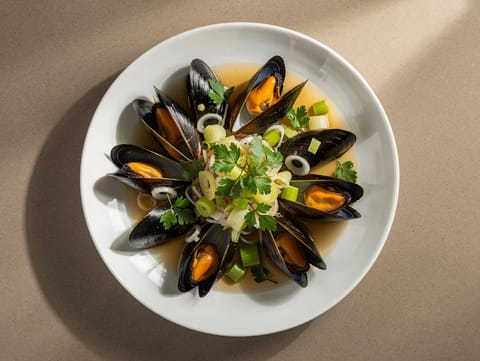
Belgian Mussels Steamed in White Wine with Leeks and Celery
Mussels steamed in white wine with leeks and celery
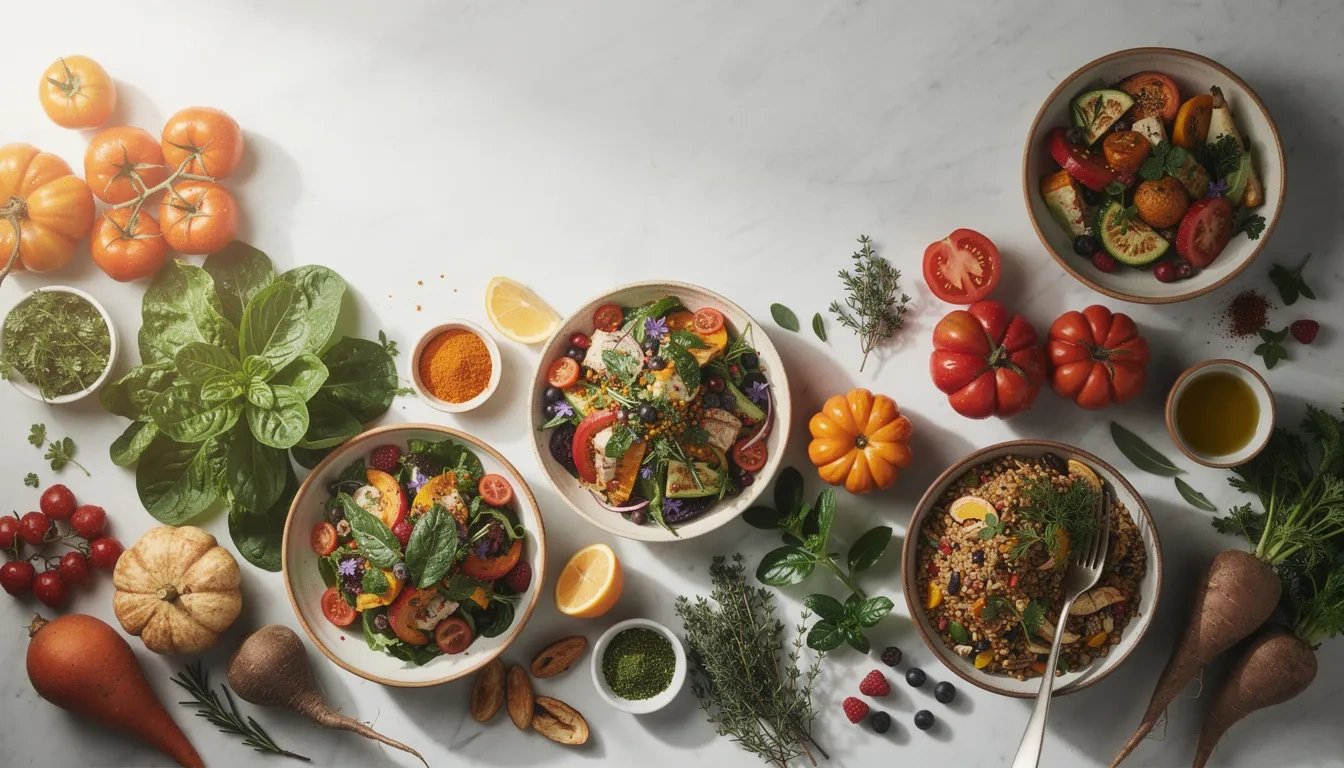
December cooking tends to be hearty, warming and a little more celebratory, simply because the days are short and the table often feels like the centre of the home. You may want food that can feed a group, hold in the oven, or be prepared in stages, alongside smaller dishes that bring freshness and crunch. This is also a month where bright flavours matter: citrus, herbs, mustard and pickles can cut through rich sauces, roasts and creamy desserts. Think comfort first, then balance.
December-friendly recipes often include substantial mains and sides that suit cold weather: slow-cooked pots, roasts, baked dishes and warming soups. Alongside those, lighter elements become important, not as a separate ‘healthy’ track but as contrast, such as crisp salads, sharp relishes and vegetable sides with a bright dressing. Baking and desserts also naturally come to the fore, from simple tray bakes to richer puddings, often using spices, dried fruit, nuts or chocolate. Drinks can be part of the season too, whether warming or chilled, because December entertaining often benefits from something you can make in advance and serve with minimal fuss.
Mussels steamed in white wine with leeks and celery

Swedish saffron buns shaped into curls with raisins

Roast goose with crisp skin, apple, onion and thyme

Almond and cinnamon star biscuits topped with sweet meringue glaze

Portuguese vermicelli custard with lemon zest and cinnamon

Silky baked flan with caramel, vanilla, and sweet milks.
If you are cooking for a group, look for dishes that hold well: roasts that can rest, bakes that stay hot, and sides that can be reheated without losing texture. For a calmer workflow, choose recipes with components you can prepare ahead, such as sauces, doughs or chopped vegetables, then finish close to serving. When the menu is rich, pick one or two sharp, fresh counterpoints, for example a citrusy salad, a mustardy dressing or a pickled garnish. If you want comfort without heaviness, soups and braises can feel lighter when served with herbs, lemon, or a spoonful of yoghurt rather than extra cream.
Dutch almond wreath biscuits, shaped into rings and baked until lightly golden
Golden puff pastry wrapped around marzipan, baked and topped with flaked almonds
Italian Christmas lasagne layered with beef ragù, béchamel, Parmigiano Reggiano and mozzarella
December cooking often leans on ingredients that store well and taste good after long cooking: roots, brassicas, onions and pulses, plus meats and fish that suit roasting or braising. To keep flavours lively, many cooks reach for acidity and aromatics. Citrus is especially useful in winter because it adds fragrance as well as sharpness, and it works in both savoury dishes and desserts. Herbs, even in small amounts, can make a rich plate taste cleaner. Bitter leaves and crunchy vegetables also earn their place in December, because they bring texture against soft bakes, mash and slow-cooked sauces.
Occasion browsing is a natural companion in December, when cooking often overlaps with cultural and family celebrations that call for particular formats, from party food to centrepiece roasts. Ingredient browsing helps when you want to build a winter menu around what is reliable now, then add brightness with citrus, herbs and crisp vegetables.

Creamy German chicken fricassee with rice, carrots and peas
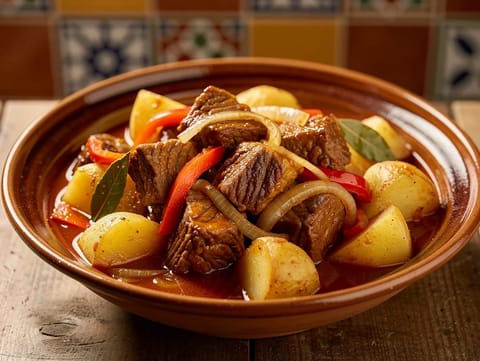
Spanish beef stew with red wine, peppers and paprika
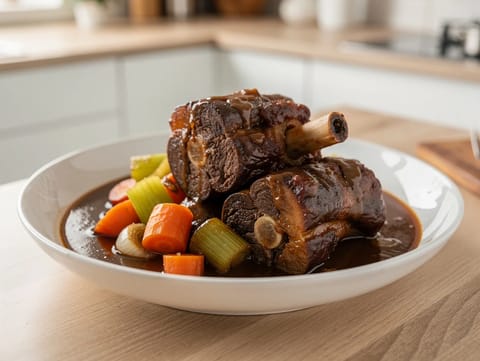
Braised oxtail stew with red wine and vegetables
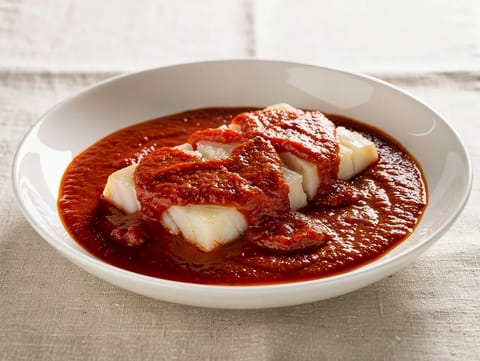
Salt cod simmered in Biscayan red pepper and tomato sauce

Spicy salmon poke over sushi rice with avocado and cucumber.
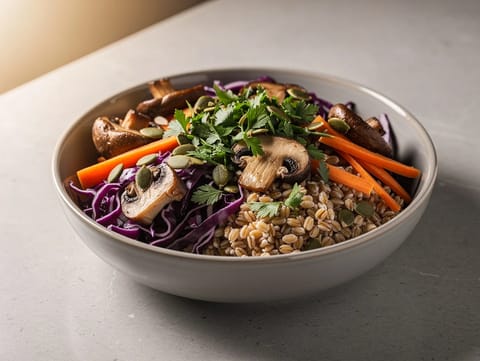
Warm spelt bowl with cabbage, mushrooms and mustard dressing

Salt cod with eggs, shoestring potatoes, olives and parsley

Roast beef with Yorkshire puddings, potatoes, carrots and gravy
Plan contrast. Add at least one crisp, sharp element, such as a salad with a mustardy dressing, a citrusy relish, or pickled vegetables. These cut through creamy and roasted flavours without changing the season’s comfort.
Yes, especially when they are built for winter: sturdy leaves, crunchy vegetables, nuts, and a punchy dressing. They work best as a counterpoint to soft, warm dishes.
Acid and bitterness are helpful. Citrus, vinegar, mustard, capers and bitter greens can balance browned, savoury flavours and keep the plate tasting clear.
No. Rich puddings and chocolate bakes suit the season, but fruit-led desserts can feel just as December-appropriate, especially when paired with spice, citrus or a creamy element.
Often it is the finishing touches: a glossy sauce, a fresh herb garnish, toasted nuts, or a sharp relish. These add contrast and a sense of occasion without adding much extra cooking.
Choose recipes with make-ahead components and dishes that hold well. A menu that tolerates resting and reheating gives you more control over timing.
Start with the warming, filling dish you want, then add one bright, crisp element to sharpen the whole meal. That simple structure suits December cooking from everyday suppers to celebrations.
