
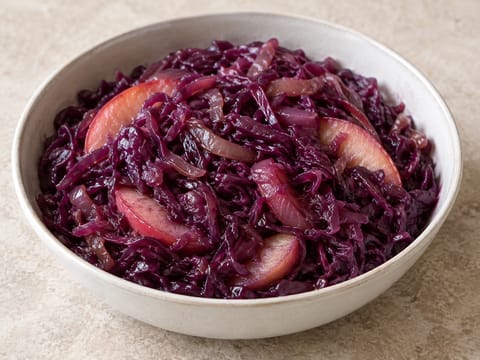
Braised Red Cabbage with Apples and Cloves
Braised red cabbage with apples, vinegar and warm cloves
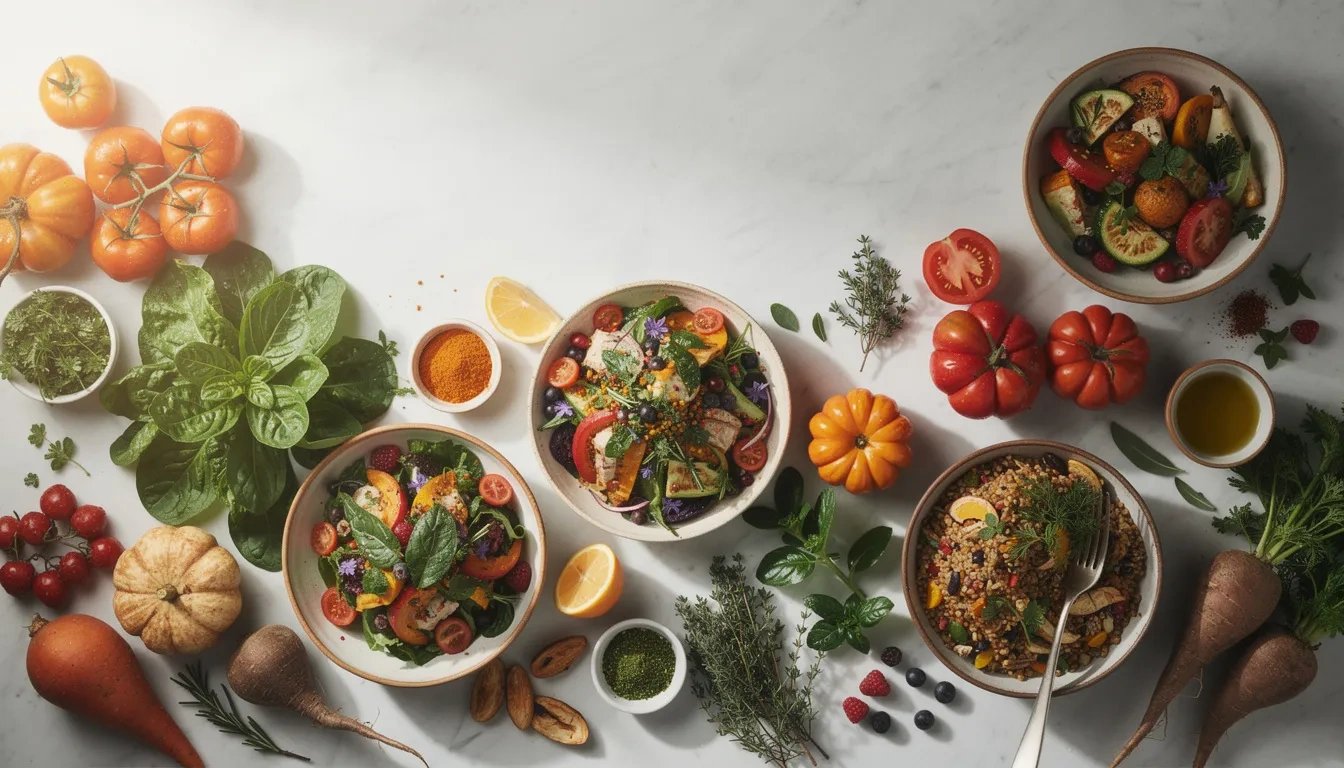
Winter recipes are shaped by two practical realities: you are more likely to eat indoors, and you can use the oven and hob without worrying about heating the house. That opens the door to long, steady cooking, deeper browning and dishes that hold their heat. The best winter choices still pay attention to balance, though. Rich, slow-cooked flavours often need something sharp, fresh or crunchy alongside to keep the meal from feeling monotonous.
Winter cooking commonly leans on methods that build depth: roasting, braising, slow simmering and baking. These techniques encourage caramelisation and allow time for flavours to meld, which is especially useful when you are working with sturdy vegetables, dried pulses, grains, or tougher cuts of meat. Winter recipes also often have a practical, make-ahead quality, because soups, stews and casseroles can be cooked in larger batches and served over more than one meal. None of this means winter food must be heavy. Many winter dishes are built around clear broths, beans, greens and spices, with richness added in controlled ways through oil, dairy, nuts or long-cooked onions.
Braised red cabbage with apples, vinegar and warm cloves
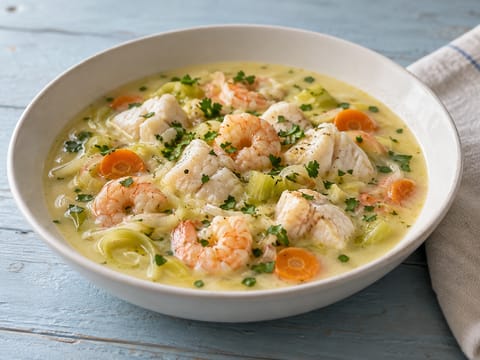
Creamy Ghent-style fish stew with prawns and vegetables
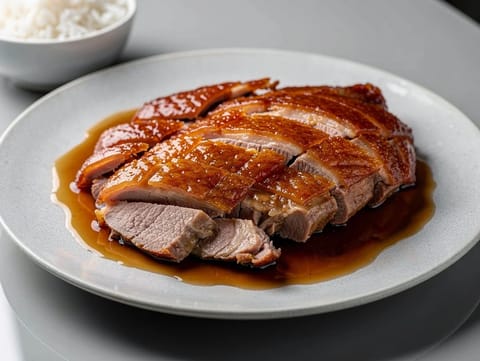
Cantonese roast duck with crisp skin
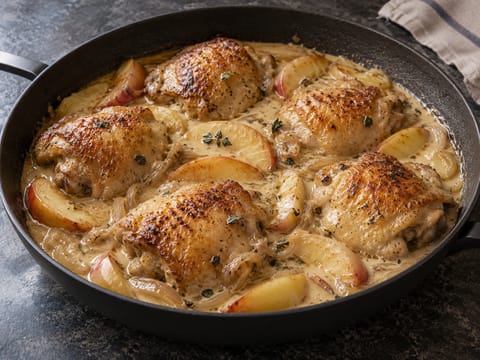
Chicken with Calvados, apples and double cream sauce
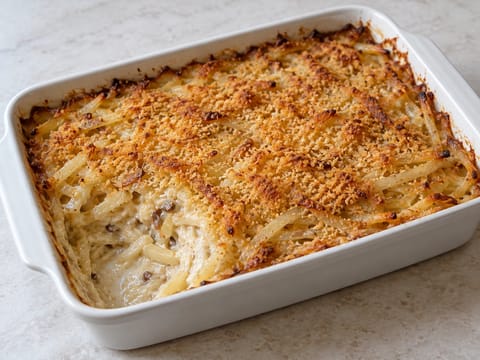
Swedish potato gratin with anchovies, onion and double cream
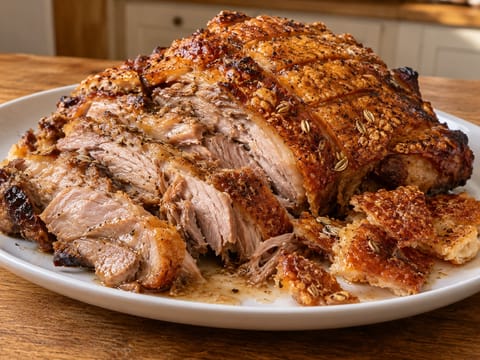
Slow-roasted pork shoulder with crisp crackling and roasting juices
Because winter flavours can be deep and savoury, small bright elements make a noticeable difference. Citrus, vinegar, pickles and mustard cut through fatty or slow-cooked dishes and wake up the palate. Bitter leaves and brassicas bring contrast to creamy sauces and roasted meats, while herbs such as parsley can make a finished bowl of soup taste fresher without changing the base. Spices and aromatics often do more work in winter, too, because they read as warming and fragrant even when ingredients are simple. If you are baking, winter tends to suit sturdier textures and flavours that stand up to heat and time in the oven, from toasted nuts to dark chocolate and dried fruit.
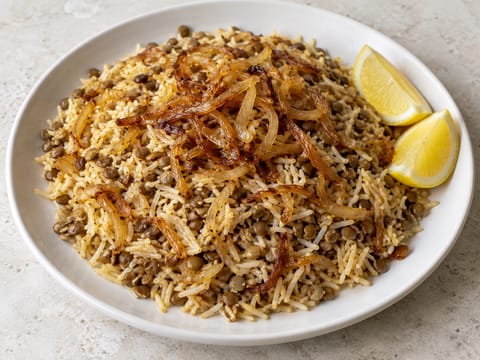
Lentil rice topped with caramelised onions and lemon
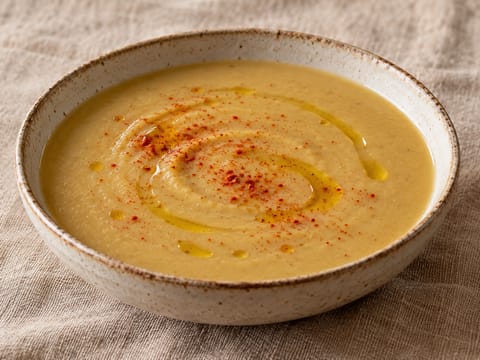
Moroccan fava bean soup blended smooth with cumin and garlic
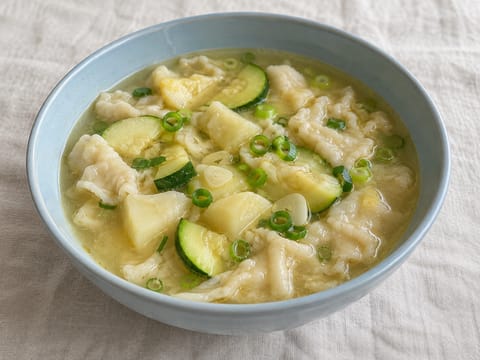
Korean soup with hand-torn dough, potato and courgette
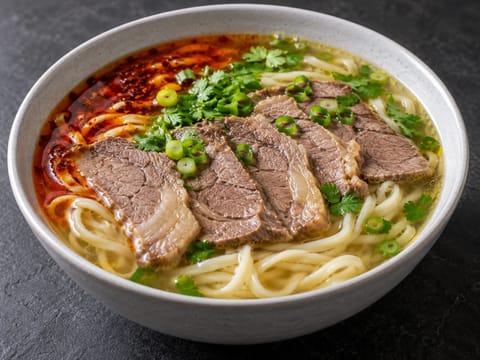
Lanzhou beef broth with hand-pulled noodles, beef and chilli oil
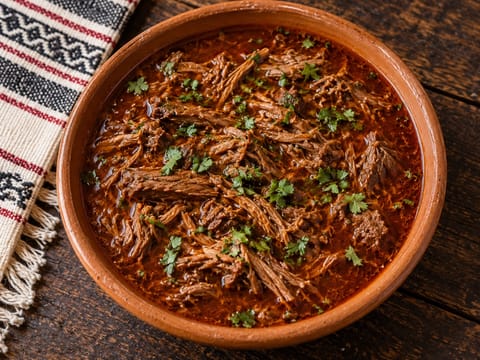
Slow-braised birria beef stew with dried chillies, tomato and spices
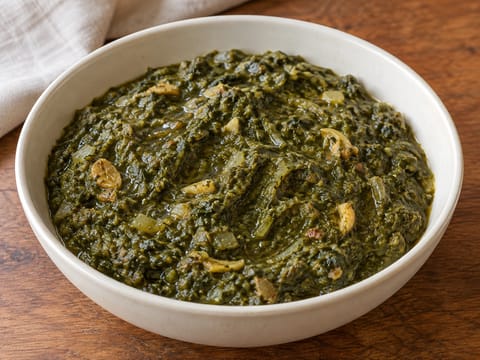
Punjabi mustard greens finished with ghee and garlic
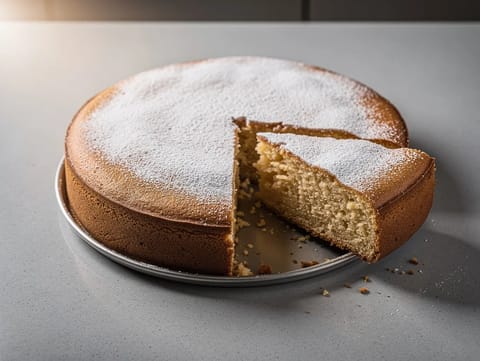
Buttery Greek cake with orange and vanilla
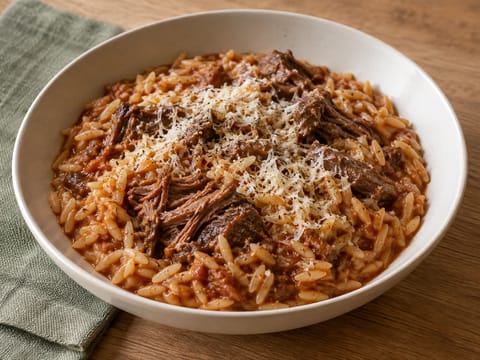
Greek baked beef stew with orzo and kefalotyri
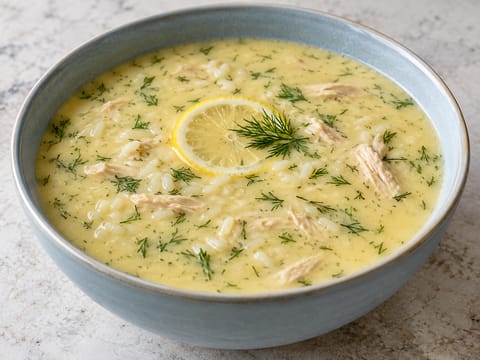
Greek chicken and rice soup with egg and lemon

Polish pierogi filled with sauerkraut and mushrooms
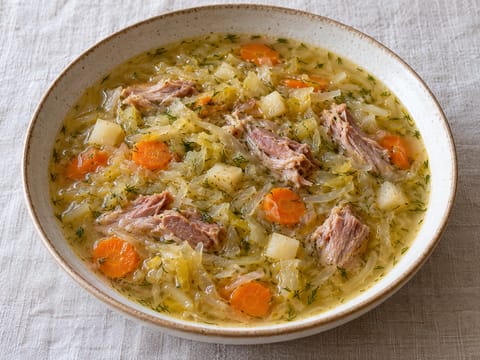
Tangy Polish sauerkraut soup with smoked pork ribs
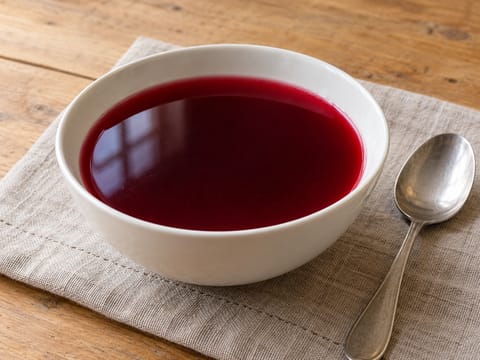
Clear Polish beetroot soup with a gently tangy finish
For the most straightforward winter comfort, look for one-pot dishes that simmer or bake unattended: stews, casseroles, dhal-style lentils, or slow-cooked ragùs. If you want warmth without heaviness, choose brothy soups, bean dishes with greens, or roasted vegetables served with a sharp sauce. When you are feeding a group, oven dishes that can rest without harm, such as roasts, traybakes and bakes with a topping, are often easier to time than pan-cooked food. For a winter table that feels less dense, add a crisp side: a slaw, a salad with citrus, or something pickled. Texture is the quickest way to make winter meals feel lively.
Ingredient browsing helps in winter because the produce mix shifts towards roots, brassicas and citrus, which behave differently in the pan and oven. Occasion is also a natural companion, since winter includes many gatherings where make-ahead dishes and food that holds heat are especially practical.
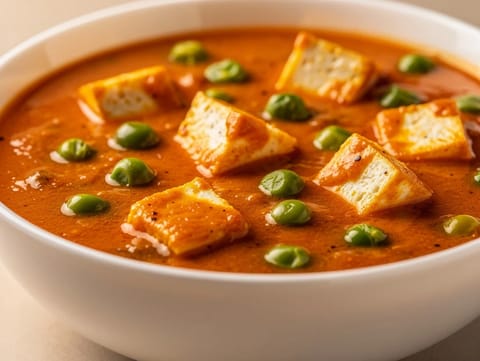
Paneer and peas simmered in a spiced tomato-onion gravy
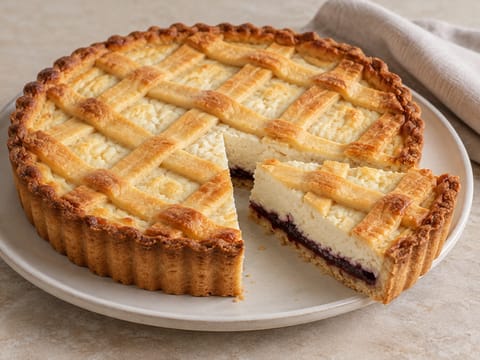
Shortcrust tart with sweet ricotta and sour cherry jam

Pan-cooked masa rounds topped with beans, salsa verde and cheese
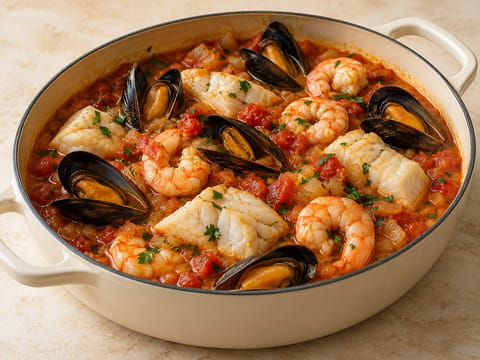
Spanish seafood casserole in saffron tomato broth
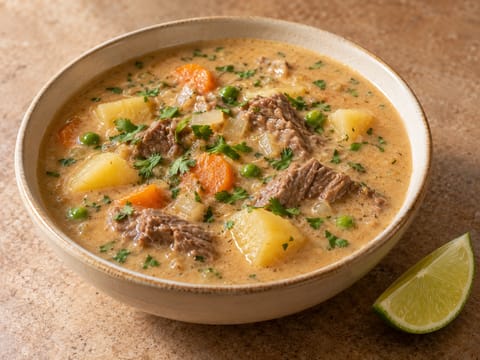
Bolivian peanut soup with beef and potatoes
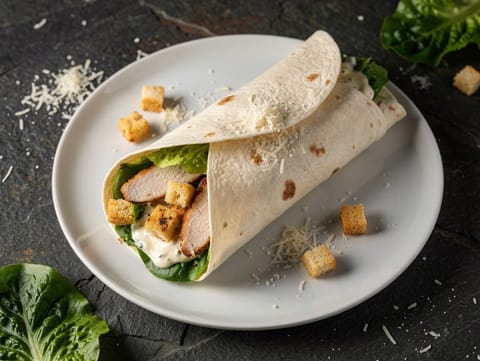
Chicken Caesar wrap with romaine, Parmesan and croutons

Braised chicken stew with tomatoes, peppers and potatoes

Layered banana pudding with vanilla custard and biscuits
Not always, but winter does suit longer methods because you can run the oven or a simmering pot comfortably. Quick winter meals often rely on roasting, pan-searing or using a strongly flavoured sauce to add depth fast.
Build in contrast. Add acidity (lemon, vinegar, pickles), something green or bitter, and a crunchy element. Even a rich stew benefits from a sharp garnish or a crisp side.
The oven gives steady heat and encourages browning, which creates savoury flavour. It is also practical when you want hands-off cooking or need food to stay warm for serving.
Yes, especially when they are built from sturdy leaves, shredded vegetables, citrus and sharp dressings. Winter salads are often about crunch and acidity rather than delicate greens.
Think savoury aromatics and spices: long-cooked onions, garlic, ginger, chilli, cumin, smoked paprika, black pepper, and herbs like thyme or rosemary, balanced with something sharp.
Winter is the season for oven heat and slow-building flavour. Choose a warming main, then make it feel complete with a bright, crisp side or a sharp finishing note.
