
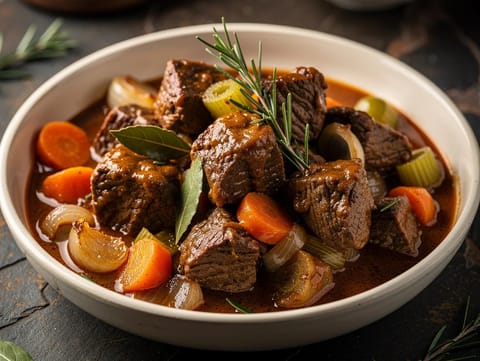
Spezzatino di Manzo (Italian Beef Stew)
Italian beef stew simmered with tomato, red wine and herbs
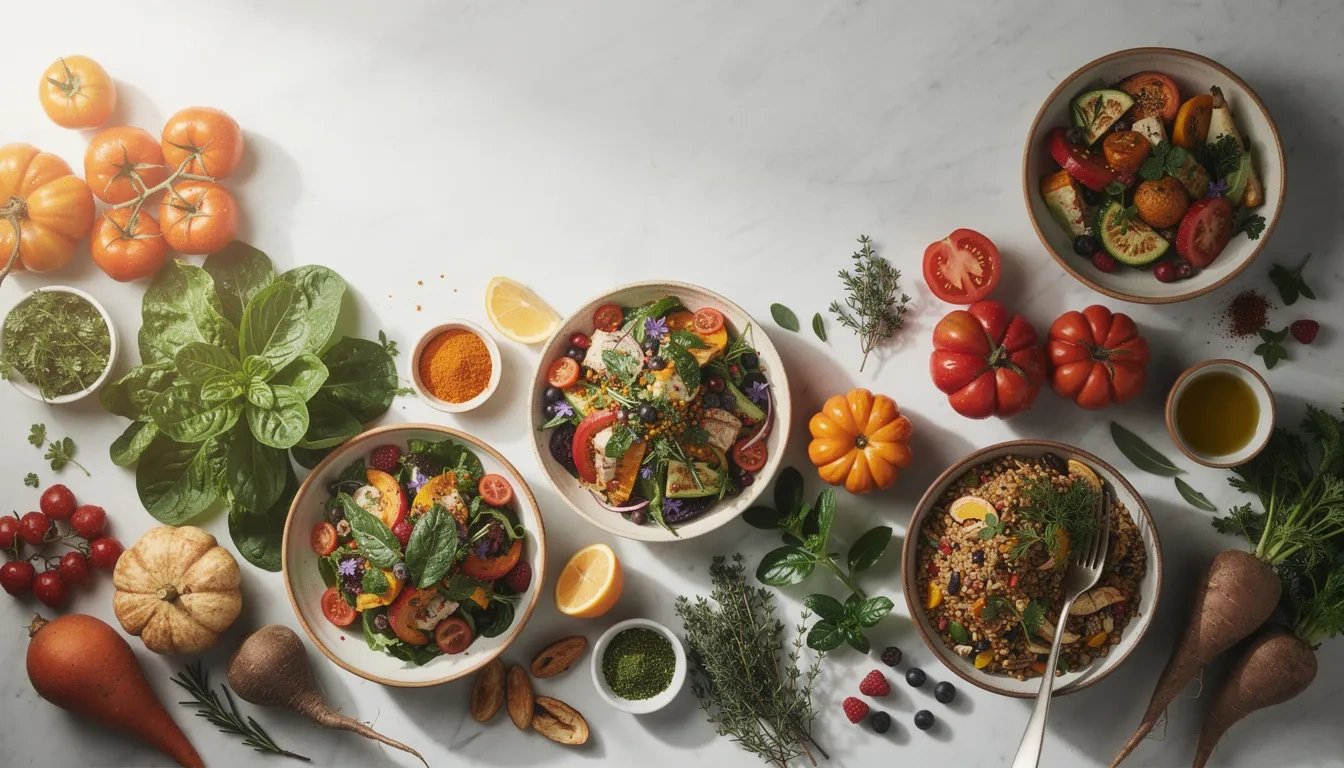
Winter recipes are shaped by two practical realities: you are more likely to eat indoors, and you can use the oven and hob without worrying about heating the house. That opens the door to long, steady cooking, deeper browning and dishes that hold their heat. The best winter choices still pay attention to balance, though. Rich, slow-cooked flavours often need something sharp, fresh or crunchy alongside to keep the meal from feeling monotonous.
Winter cooking commonly leans on methods that build depth: roasting, braising, slow simmering and baking. These techniques encourage caramelisation and allow time for flavours to meld, which is especially useful when you are working with sturdy vegetables, dried pulses, grains, or tougher cuts of meat. Winter recipes also often have a practical, make-ahead quality, because soups, stews and casseroles can be cooked in larger batches and served over more than one meal. None of this means winter food must be heavy. Many winter dishes are built around clear broths, beans, greens and spices, with richness added in controlled ways through oil, dairy, nuts or long-cooked onions.
Italian beef stew simmered with tomato, red wine and herbs
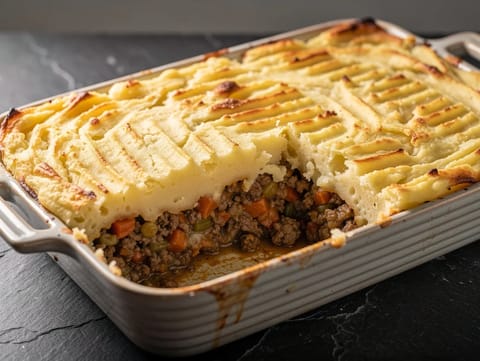
Shepherd’s pie with minced lamb and creamy mash
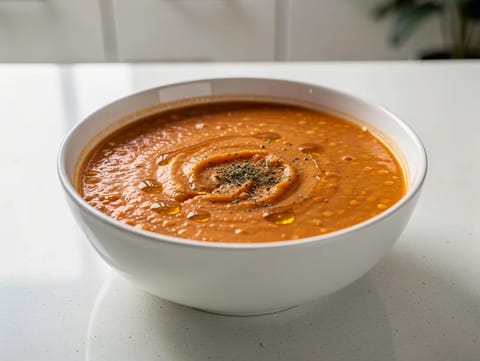
Smooth Turkish red lentil soup with vegetables and lemon

Puff pastry cases filled with creamy chicken and mushrooms
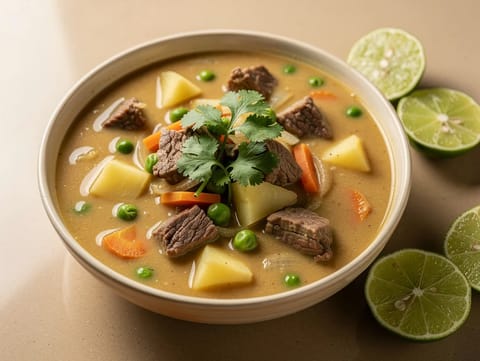
Bolivian peanut soup with beef and potatoes
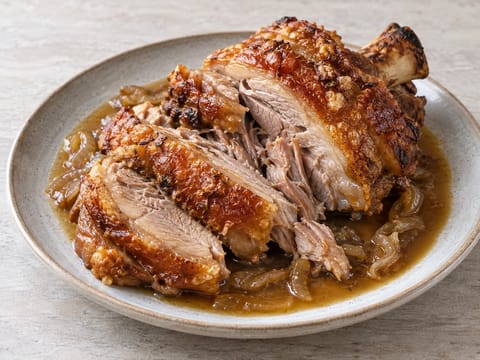
Roasted pork knuckle with garlic, caraway, crisp crackling and gravy
Because winter flavours can be deep and savoury, small bright elements make a noticeable difference. Citrus, vinegar, pickles and mustard cut through fatty or slow-cooked dishes and wake up the palate. Bitter leaves and brassicas bring contrast to creamy sauces and roasted meats, while herbs such as parsley can make a finished bowl of soup taste fresher without changing the base. Spices and aromatics often do more work in winter, too, because they read as warming and fragrant even when ingredients are simple. If you are baking, winter tends to suit sturdier textures and flavours that stand up to heat and time in the oven, from toasted nuts to dark chocolate and dried fruit.

Crisp Belgian spiced biscuits with warm baking spices
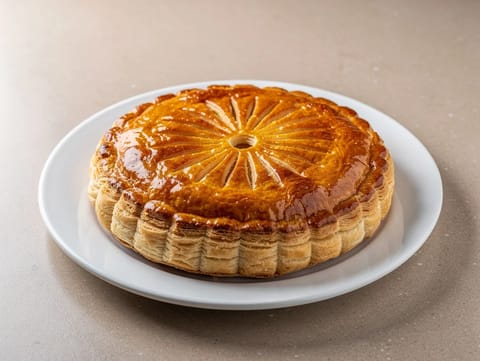
Puff pastry cake filled with sweet almond frangipane
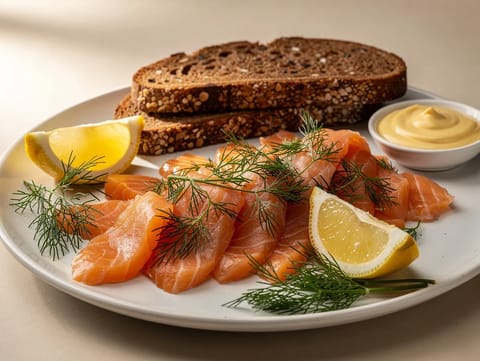
Dill-cured salmon served with rye bread and mustard sauce
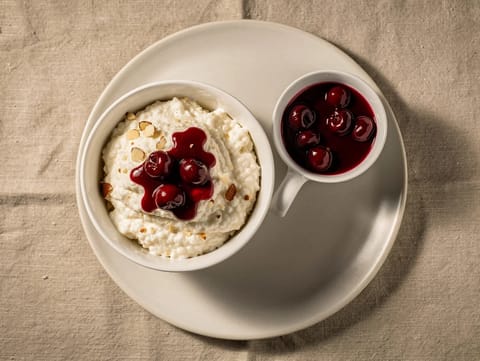
Danish almond rice pudding served with cherry sauce

Baked salmon with honey mustard and dill glaze

Crisp Nordic biscuits with vanilla and cardamom
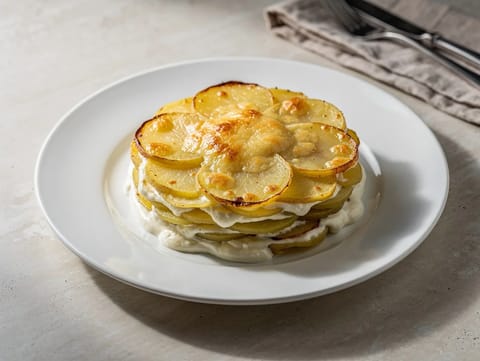
Potato gratin with Gruyère, milk and garlic

Shortcrust meat pie with pork, veal, herbs and brandy
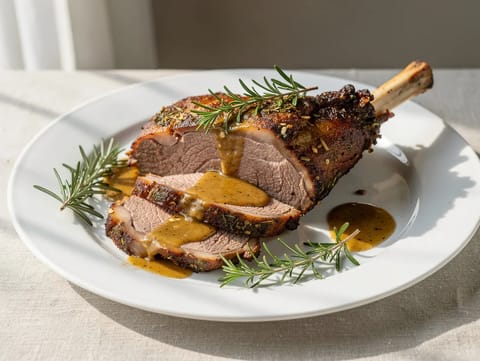
Roast lamb with garlic, rosemary, lemon and white wine
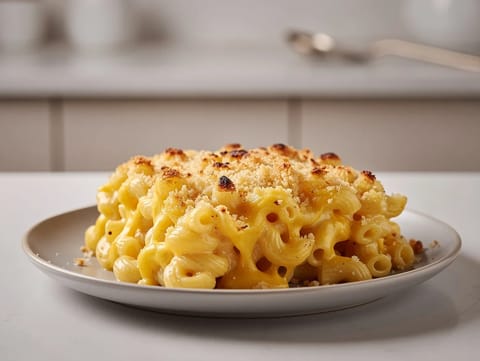
Baked macaroni cheese with Cheddar, Gruyère and breadcrumbs
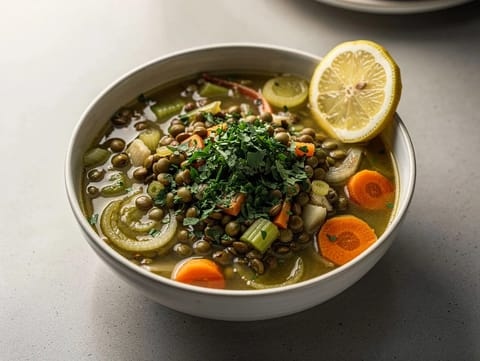
Green lentil soup with vegetables, bay leaf and lemon
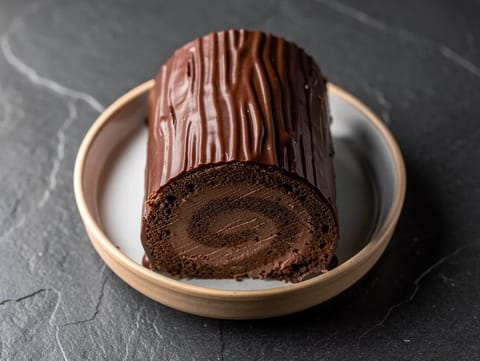
Rolled chocolate sponge with chocolate cream and ganache
For the most straightforward winter comfort, look for one-pot dishes that simmer or bake unattended: stews, casseroles, dhal-style lentils, or slow-cooked ragùs. If you want warmth without heaviness, choose brothy soups, bean dishes with greens, or roasted vegetables served with a sharp sauce. When you are feeding a group, oven dishes that can rest without harm, such as roasts, traybakes and bakes with a topping, are often easier to time than pan-cooked food. For a winter table that feels less dense, add a crisp side: a slaw, a salad with citrus, or something pickled. Texture is the quickest way to make winter meals feel lively.
Ingredient browsing helps in winter because the produce mix shifts towards roots, brassicas and citrus, which behave differently in the pan and oven. Occasion is also a natural companion, since winter includes many gatherings where make-ahead dishes and food that holds heat are especially practical.

French almond financiers with browned butter and vanilla
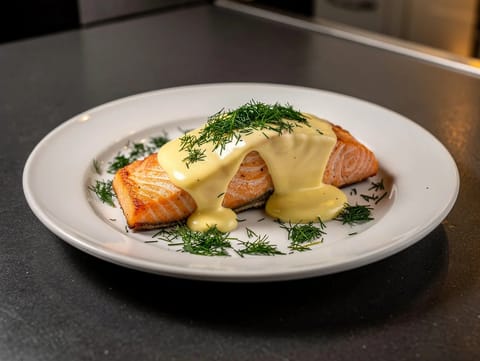
Baked salmon with warm hollandaise sauce
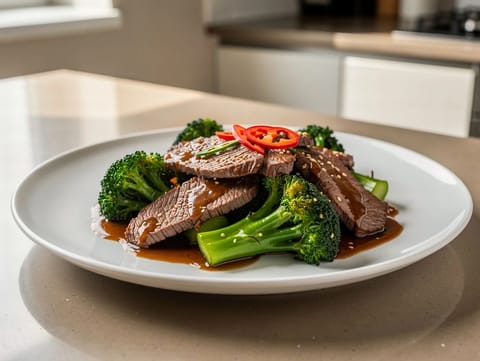
Quick beef and broccoli stir-fry with oyster sauce

Spiced chicken drumsticks air-fried until crisp and juicy.

One-pot rice with chicken thighs, vegetables and spices
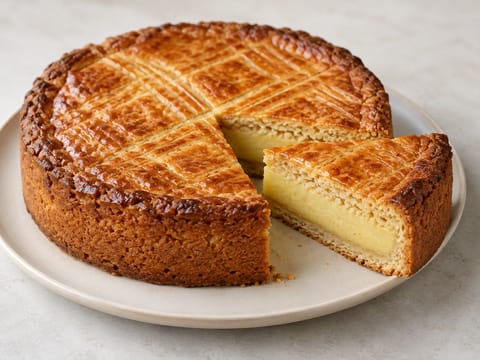
Buttery pastry cake filled with thick vanilla custard

Grilled chicken skewers marinated in yoghurt, lemon and garlic

Chicken biryani bowl layered with basmati rice and onions
Not always, but winter does suit longer methods because you can run the oven or a simmering pot comfortably. Quick winter meals often rely on roasting, pan-searing or using a strongly flavoured sauce to add depth fast.
Build in contrast. Add acidity (lemon, vinegar, pickles), something green or bitter, and a crunchy element. Even a rich stew benefits from a sharp garnish or a crisp side.
The oven gives steady heat and encourages browning, which creates savoury flavour. It is also practical when you want hands-off cooking or need food to stay warm for serving.
Yes, especially when they are built from sturdy leaves, shredded vegetables, citrus and sharp dressings. Winter salads are often about crunch and acidity rather than delicate greens.
Think savoury aromatics and spices: long-cooked onions, garlic, ginger, chilli, cumin, smoked paprika, black pepper, and herbs like thyme or rosemary, balanced with something sharp.
Winter is the season for oven heat and slow-building flavour. Choose a warming main, then make it feel complete with a bright, crisp side or a sharp finishing note.
