
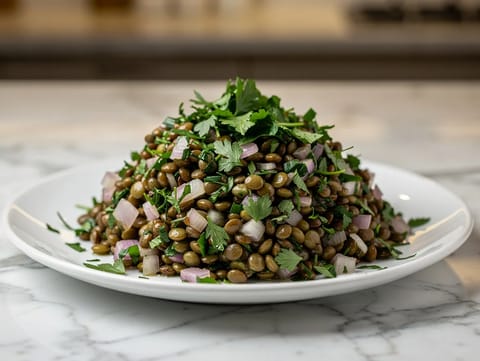
Salade de Lentilles du Puy (French Lentil Salad with Mustard Dressing)
Warm French lentil salad with mustard dressing, shallot and parsley
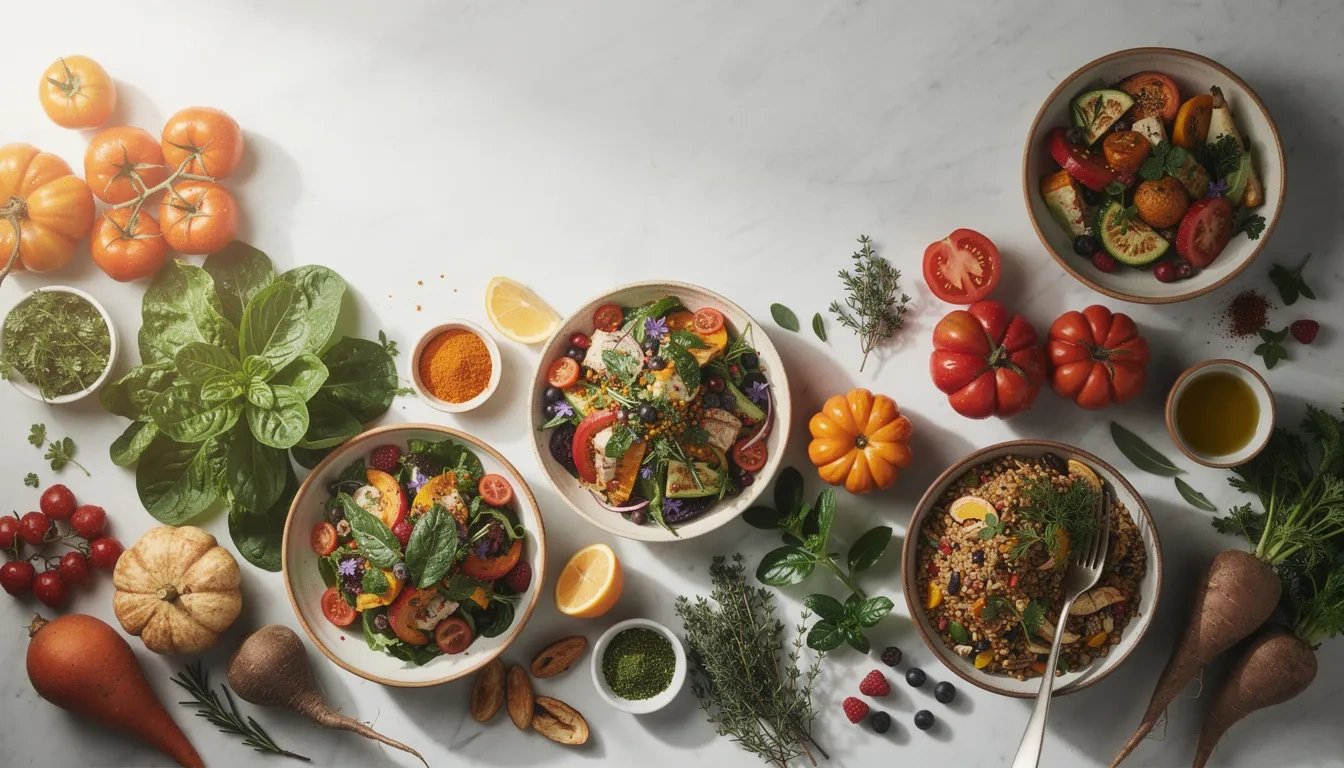
Year-round recipes are the ones you can return to without waiting for a particular month. They tend to be filling, adaptable and easy to plan around, because you can swap vegetables, adjust the level of richness, or change what you serve alongside. This is the place to look when you want dependable cooking that fits real life: dishes that scale up, travel well from hot to room temperature, and still taste like themselves even when you make small seasonal changes.
A year-round recipe is defined by flexibility rather than a fixed set of seasonal ingredients. It may use pantry staples, widely available produce, or techniques that work with many substitutions. That does not mean the food is bland or generic. Often, these recipes have a strong underlying structure: a reliable sauce, a well-balanced spice blend, a proven baking ratio, or a method such as roasting, braising or stir-frying that can accommodate what you have. Year-round also does not mean identical results every time. Tomatoes in winter behave differently from tomatoes in August, for example, so the recipe may rely more on seasoning, cooking down, or using tinned ingredients when fresh ones are less flavourful.
Warm French lentil salad with mustard dressing, shallot and parsley
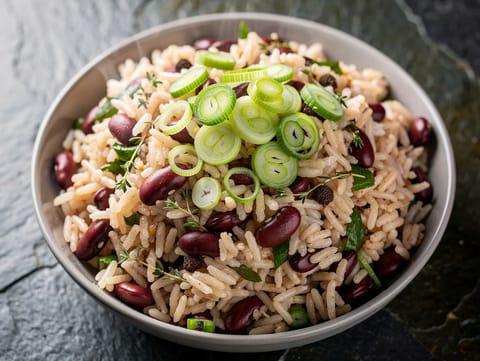
Coconut rice with kidney beans, thyme and allspice
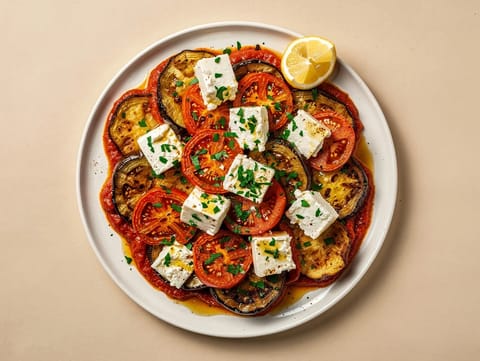
Roasted aubergine baked in tomato sauce with feta and oregano
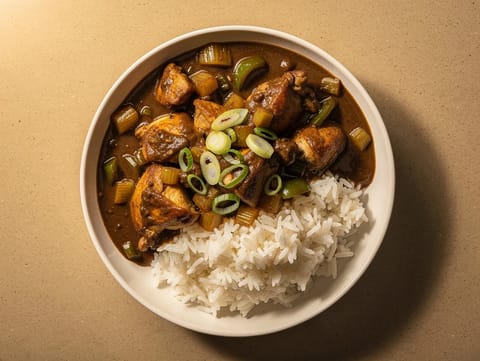
Cajun chicken étouffée with dark roux served over rice

Dense Portuguese almond cake finished with icing sugar

Crisp fried aubergine batons finished with honey and salt
If you want cooking that supports the week, look for recipes that scale: soups, stews, bean pots, pasta sauces and traybakes are often straightforward to make in larger quantities. For flexible meals, choose formats that welcome add-ons, such as bowls, salads with a sturdy base, or bakes where you can change the vegetables and keep the same topping or sauce. When you need something filling, recipes built around pulses, grains, potatoes, noodles or rice tend to be dependable, because they hold their texture and carry flavour. If you want a lighter year-round direction, choose dishes where the richness is optional, such as a sauce served on the side, or a base recipe that can be finished with herbs, citrus and crunchy vegetables.
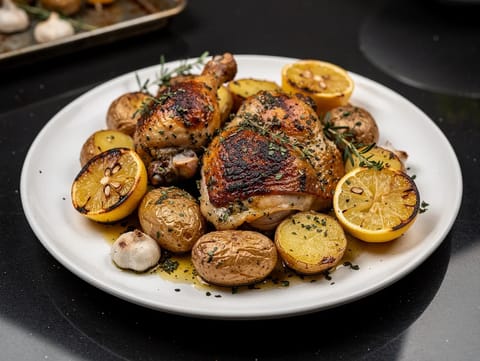
Roasted chicken thighs with lemon, oregano and baby potatoes
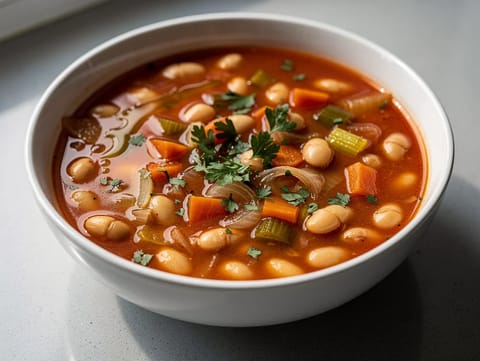
Greek white bean and tomato soup with herbs
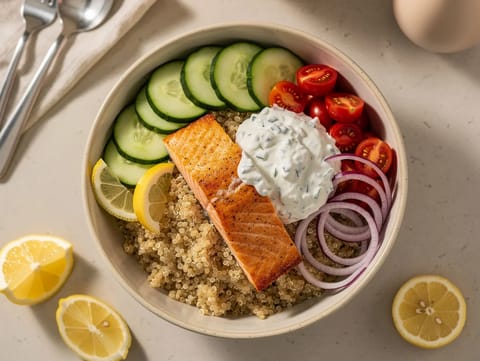
Greek salmon bowl with quinoa, salad veg and tzatziki

Swedish meatballs in cream gravy with lingonberries
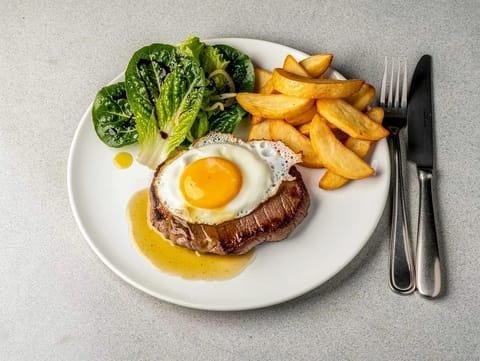
Pan fried steak topped with a fried egg and chips

Pan-fried alheira sausage served with chips, egg and greens

Dutch open sandwich with fried eggs, ham, cheese and onions
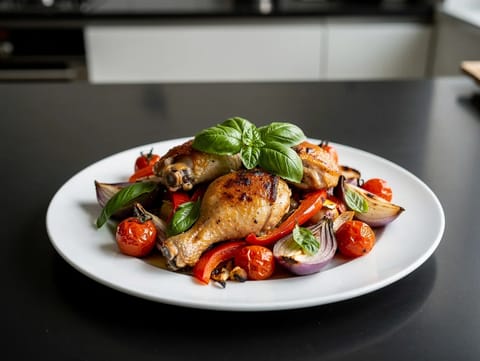
Chicken traybake with peppers, cherry tomatoes and basil

Brioche French toast with Greek yoghurt, berries and maple syrup
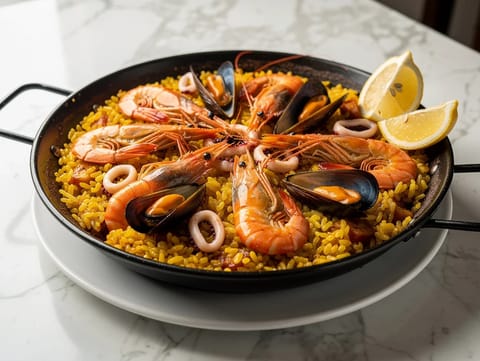
Seafood paella with prawns, mussels and squid
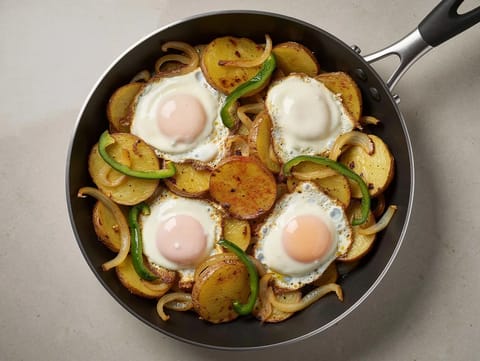
Spanish potatoes cooked in olive oil with vegetables and egg

Thick vanilla milkshake made with ice cream, milk and vanilla extract
Year-round cooking often leans on ingredients that provide consistent flavour: onions and garlic, dried herbs and spices, tinned tomatoes, stock, soy sauce, vinegars and mustards. These are the quiet workhorses that make seasonal swaps possible. Texture is another constant. A crunchy topping (toasted nuts, breadcrumbs, seeds), a creamy element (yoghurt, cheese, tahini), and a sharp note (lemon, pickles, vinegar) can be mixed and matched across many dishes. When fresh produce is at its best, you can keep cooking minimal and let it shine. When it is not, longer cooking, roasting, or using preserved forms such as tinned, frozen or dried ingredients can bring back intensity without relying on out-of-season flavour.
Ingredient browsing pairs well with year-round cooking because it helps you adapt a staple recipe to what is available right now, fresh or preserved. Cooking time is also a practical companion when you are planning ahead, since the same dependable dish can exist in quick and slow-cooked versions.
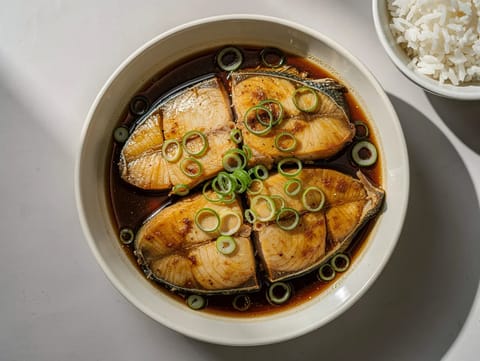
Caramelised fish braise served with jasmine rice
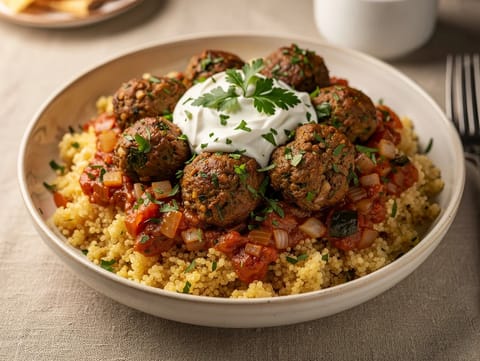
Lamb meatballs in tomato sauce served over couscous
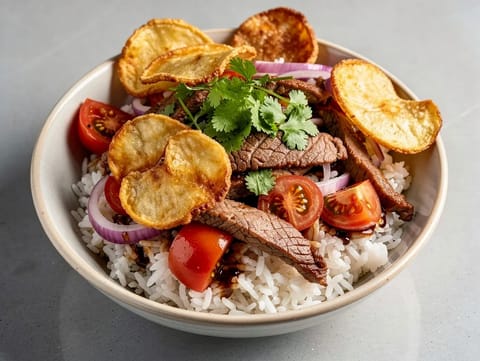
Lomo saltado bowl with beef, rice and chips
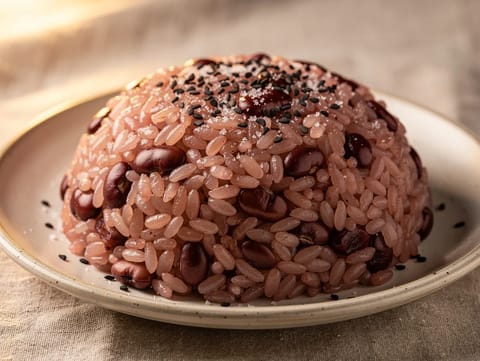
Glutinous rice cooked with adzuki beans and black sesame
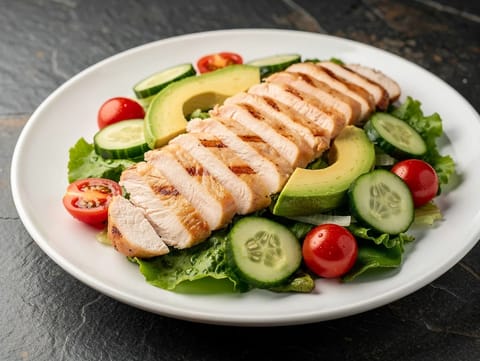
Grilled chicken salad with avocado and lime dressing

Egg salad on toasted brioche with chives and lettuce

Cajun-spiced chicken breast cooked in the air fryer.
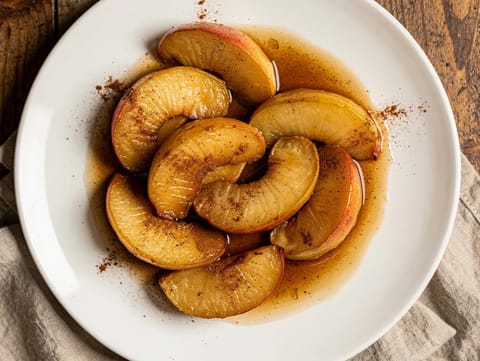
Cinnamon apples caramelised in the air fryer until tender.
Often they are pantry-friendly, but the key feature is adaptability. Many year-round dishes work with fresh, frozen or tinned ingredients, depending on what you have.
Change the vegetables and the finishing touches. Herbs, citrus, crunchy salads and lighter sauces can make a dish feel spring-like, while roasting, spices and richer toppings can make it feel more wintry.
Not necessarily. Some year-round recipes are fast, others are slow-cooked. What they share is reliability and a method that still works when ingredients vary.
Dishes cooked in a pot or a tray are usually simplest: soups, stews, braises, bean dishes, pasta sauces and traybakes. They tend to reheat and portion predictably.
Rotate the contrast elements: swap the garnish, change the sauce, or add a different crunchy topping. Small changes in acidity, herbs and texture can make the same base feel new.
Year-round recipes earn their place by being adaptable. Choose a few solid formats you can scale and vary, then let seasonal ingredients and finishing touches do the changing.
