
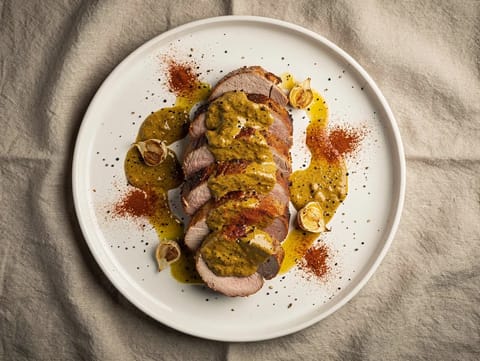
Air Fryer Pork Tenderloin with Mustard Glaze
Juicy pork tenderloin with a honey mustard glaze
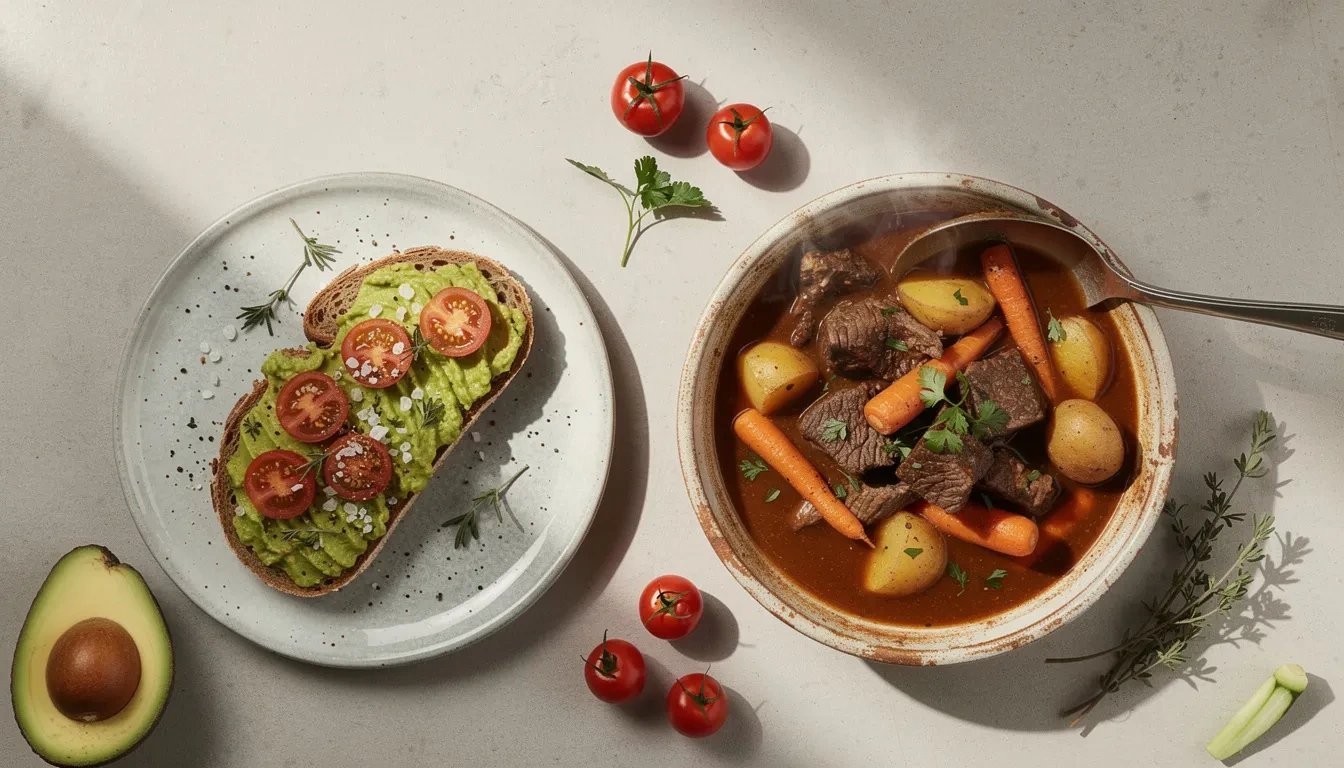
Fifteen to thirty minutes is the sweet spot where you can do a little real prep and still eat soon. There’s time to brown ingredients, simmer a quick sauce, roast vegetables at high heat, or cook pasta and pull everything together. It’s also a time range where delays add up, so the best choices are recipes with clear sequencing and a short ingredient list. Use this page when you want speed without relying entirely on assembly.
This cooking-time range is typically measured from starting prep to serving, so it often assumes you are working steadily and have the basics to hand. It can include a brief preheat, a quick boil, or a short rest, but it rarely allows for long marinating, slow caramelisation, or anything that needs repeated chilling.
In practice, 15–30 minutes suits methods that deliver flavour quickly: high-heat roasting, stir-frying, pan-searing, fast braises with small pieces, and sauces that come together while something else cooks. It is also the point where “quick” can still mean a few pans, unless the recipe is designed to be one-tray or one-pot.
Juicy pork tenderloin with a honey mustard glaze
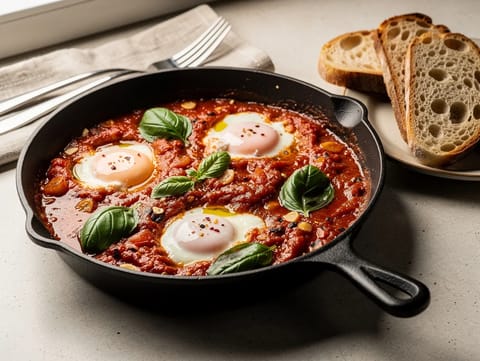
Eggs poached in garlicky tomato sauce with chilli and basil
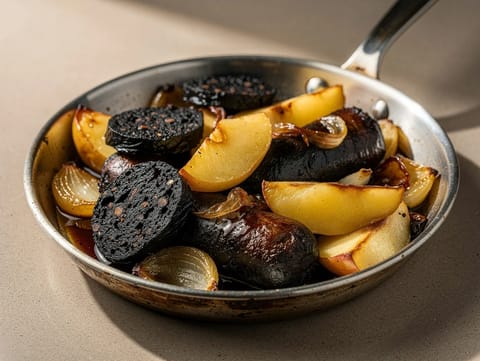
Pan-fried blood sausage served with buttery sautéed apples
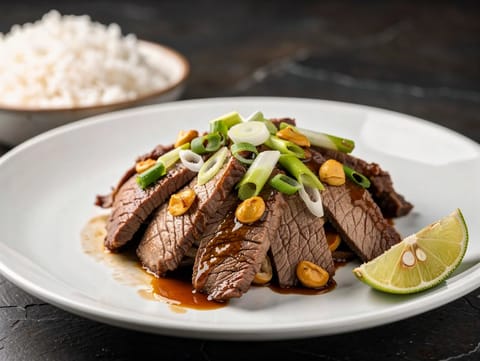
Thai beef stir-fry coated in oyster sauce and light soy
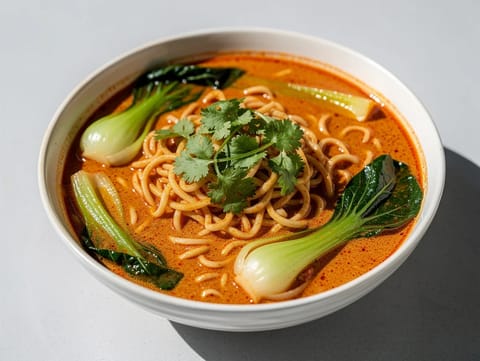
Thai curry ramen with coconut milk, pak choi and lime
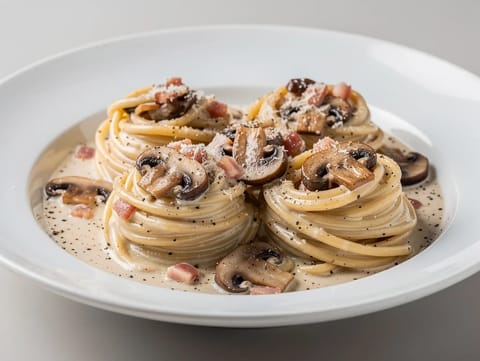
Pasta with creamy mushrooms, pancetta, white wine and Parmesan
When you’re deciding between recipes in this range, look for the main time driver.
If the clock is spent on cooking, prep is usually light: think fish fillets, thin-cut meats, quick-cooking grains, or vegetables cut small. These tend to reward good heat control and a hot pan.
If the clock is spent on prep, the cooking is often simple: chopped salads with a warm element, speedy noodle bowls, or dishes where everything finishes together in the oven. These are easier to keep on time if the recipe tells you what to start first.
If you want minimal washing-up, favour recipes that build in layers in one pan, or that use the oven to do the heavy lifting while you make a dressing or sauce.
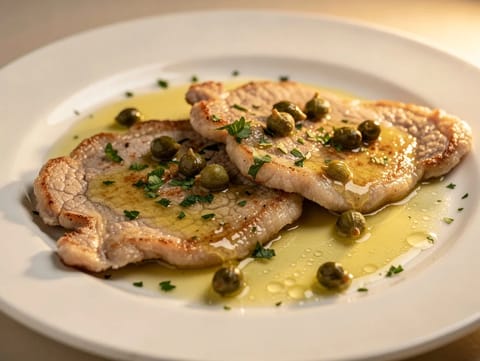
Pan-fried veal in a lemon, white wine and caper sauce
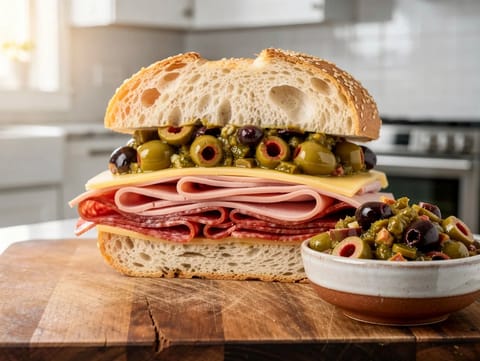
Pressed sandwich layered with olive salad, meats and provolone
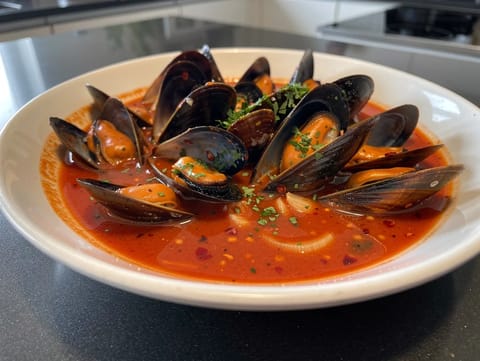
Mussels simmered in tomato and garlic sauce with chilli
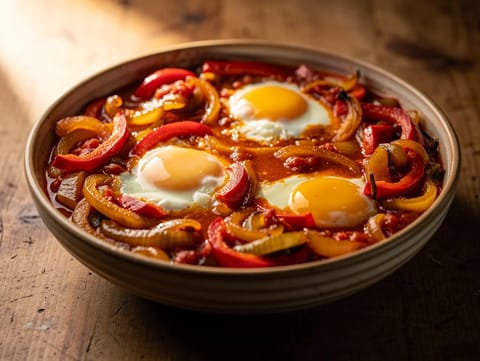
Basque pepper and tomato stew finished with softly set eggs
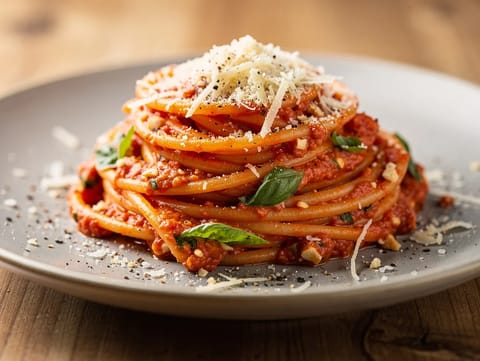
Sicilian pasta with tomato, almond and basil pesto
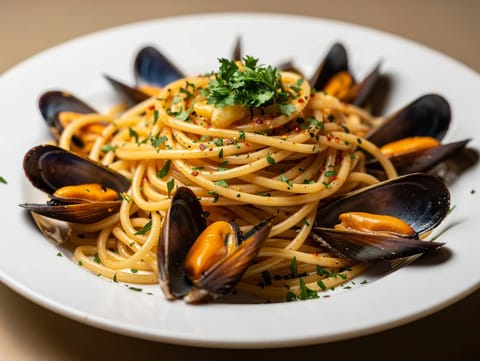
Spaghetti with mussels in garlic, white wine and parsley
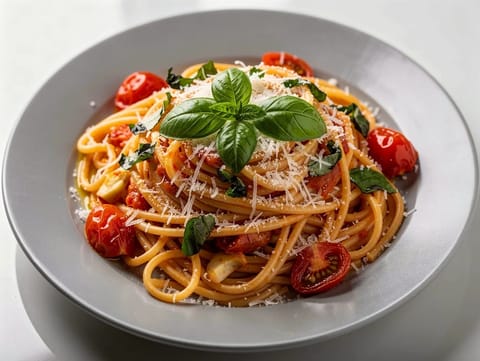
Quick tomato spaghetti finished with Parmesan and pecorino
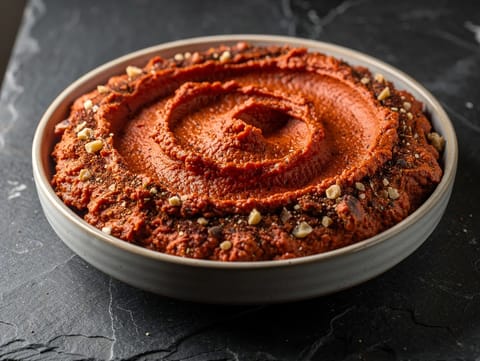
Roasted red pepper and walnut dip with pomegranate molasses

Warm atole thickened with masa harina, milk and cinnamon
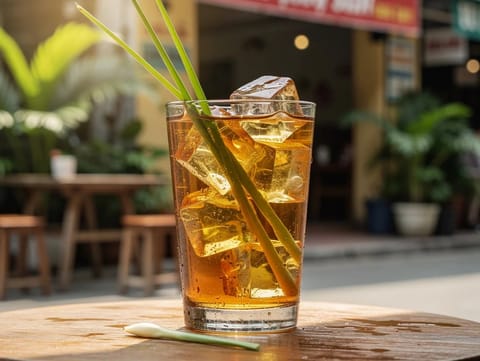
Iced black tea infused with lemongrass and sweetened
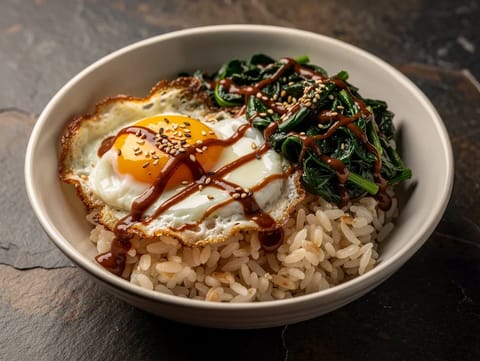
Rice bowl with sautéed spinach, fried egg and gochujang dressing
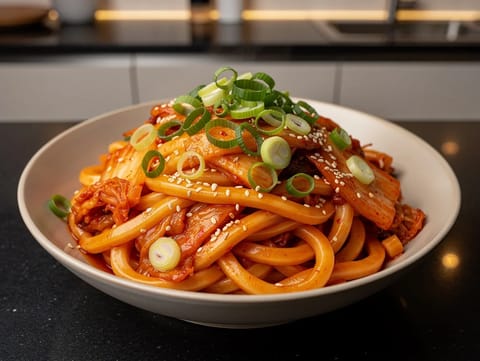
Kimchi and gochujang udon stir-fry with sesame and spring onions
Read the first few steps before you start. In this time window, the difference between “start cooking” and “start prepping” matters.
Preheat early when the oven is involved, and put water on to boil before you begin chopping. If a recipe uses a sauce, mix it while the pan heats so it’s ready the moment you need it.
Cut ingredients to match the promised time. Smaller, even pieces cook predictably; large chunks can push you into the next time bracket. The same goes for crowded pans: if everything is piled in, it steams rather than browns, and you lose both time and colour.
Finally, keep an eye on optional extras. Toasted nuts, crispy toppings, or a quick pickle can be worth it, but they are easiest when they happen in parallel, not as an extra job at the end.
If you want to stay within 15–30 minutes, cooking method is the most reliable guide: stir-fries, traybakes and one-pan sautés behave very differently on the clock. Difficulty is also useful here, because some quick recipes depend on confident timing and multitasking, while others are genuinely straightforward.
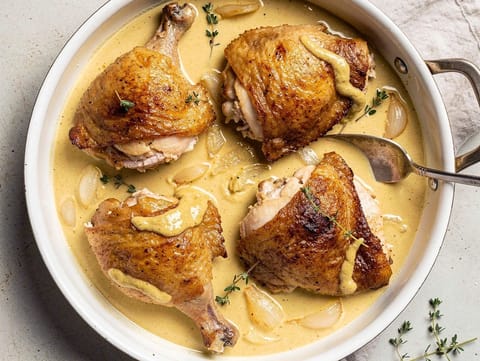
Chicken simmered in a Dijon mustard and white wine sauce
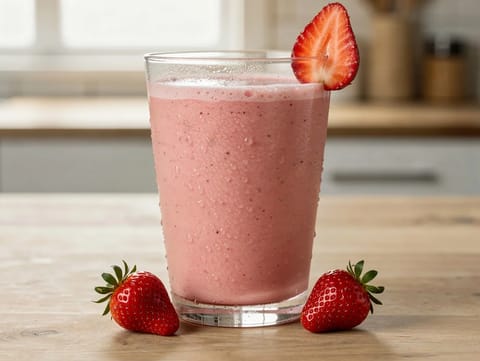
Cold strawberry smoothie with Greek yoghurt, milk and honey
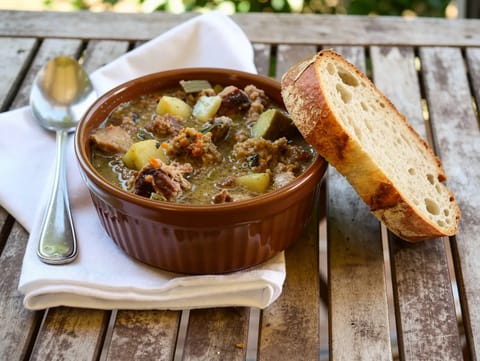
Spanish lamb stew with potatoes and red pepper
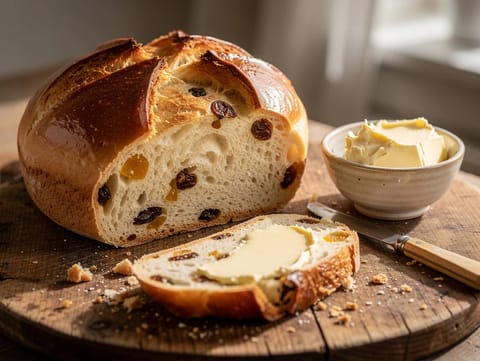
Lightly sweet German Easter bread with raisins and candied peel
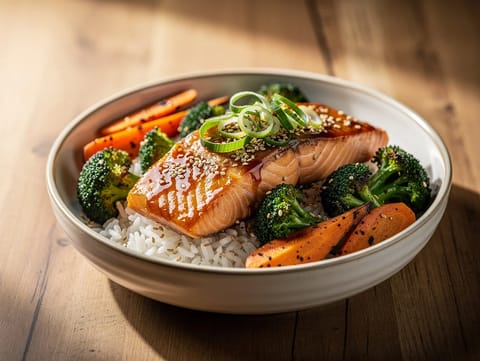
Teriyaki salmon traybake with vegetables and sushi rice
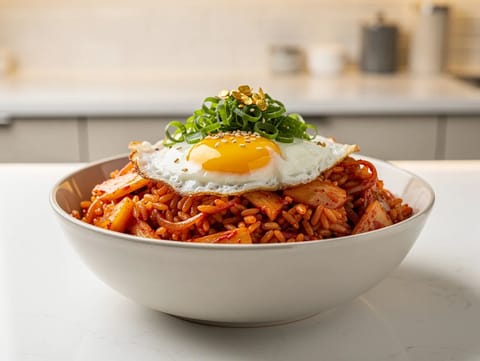
Kimchi fried rice topped with a fried egg and sesame
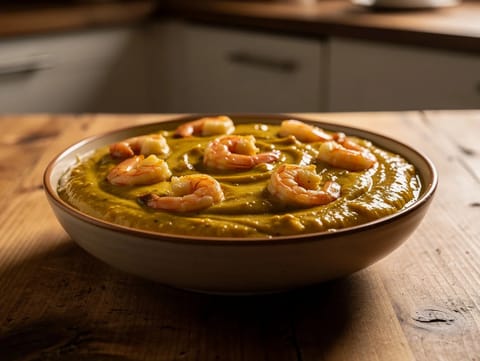
Creamy Bahian stew with coconut milk, bread and dried shrimp
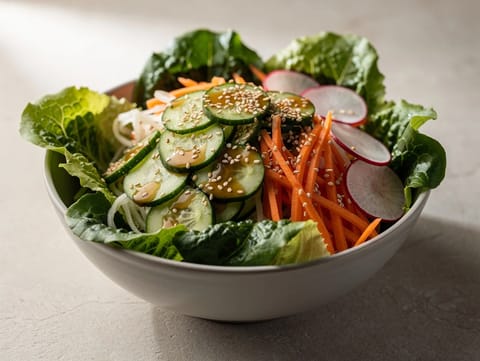
Crisp Korean salad with nutty sesame dressing
Usually it refers to total time from starting prep to serving. Some recipes are hands-on throughout; others have a short oven or simmer window where you can do something else.
They often stack tasks that can’t happen at the same time, such as chopping, cooking and making a sauce in sequence. Recipes that run smoothly tend to set up parallel steps.
High-heat methods are common because they deliver colour and flavour quickly: pan-searing, stir-frying, grilling, and hot-oven roasting. Gentle, slow methods rarely fit without smaller cuts.
Some bakes can, especially small-format items or high-heat tray cooking. Anything needing long proving, cooling, or a low-and-slow bake usually won’t.
Use the recipe’s cues, not just the clock: colour, bubbling, and texture. Quick cooking is less forgiving, so it helps to have ingredients ready before the pan is fully hot.
Use 15–30 minutes when you want a cooked meal without a long wait. Pick recipes with clear sequencing, and match the method to your attention span: a hot pan for speed, or the oven when you’d rather step back for a few minutes.
