
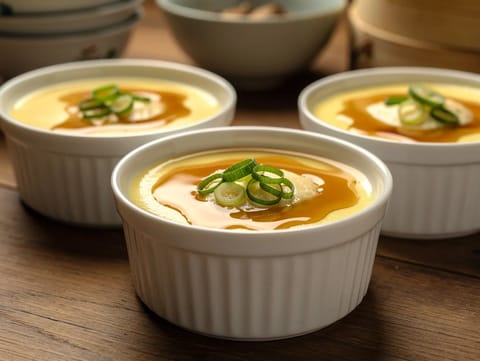
Steamed Egg Custard (Zheng Shui Dan)
Silky Chinese steamed egg custard with soy and sesame
Fifteen to thirty minutes is the sweet spot where you can do a little real prep and still eat soon. There’s time to brown ingredients, simmer a quick sauce, roast vegetables at high heat, or cook pasta and pull everything together. It’s also a time range where delays add up, so the best choices are recipes with clear sequencing and a short ingredient list. Use this page when you want speed without relying entirely on assembly.
This cooking-time range is typically measured from starting prep to serving, so it often assumes you are working steadily and have the basics to hand. It can include a brief preheat, a quick boil, or a short rest, but it rarely allows for long marinating, slow caramelisation, or anything that needs repeated chilling.
In practice, 15–30 minutes suits methods that deliver flavour quickly: high-heat roasting, stir-frying, pan-searing, fast braises with small pieces, and sauces that come together while something else cooks. It is also the point where “quick” can still mean a few pans, unless the recipe is designed to be one-tray or one-pot.
Silky Chinese steamed egg custard with soy and sesame
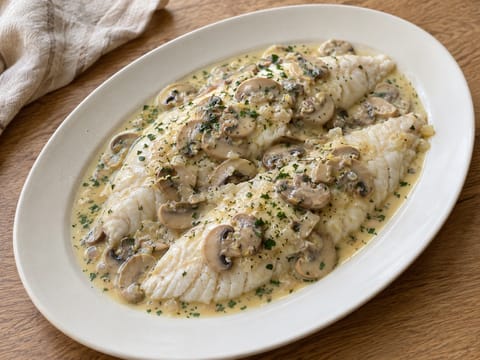
Sole fillets cooked with mushrooms, shallots and white wine
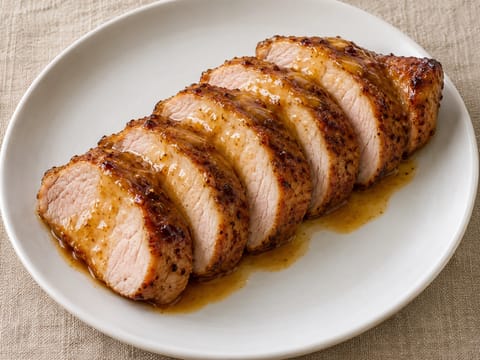
Juicy pork tenderloin with a honey mustard glaze
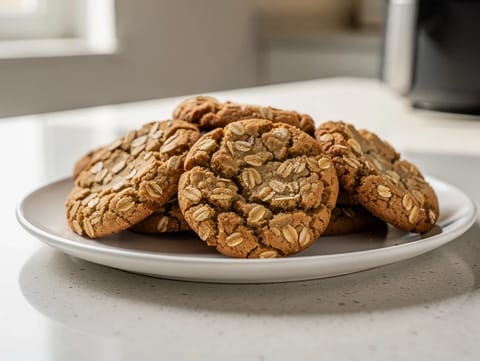
Air fryer oatmeal cookies with a chewy centre and crisp edges.
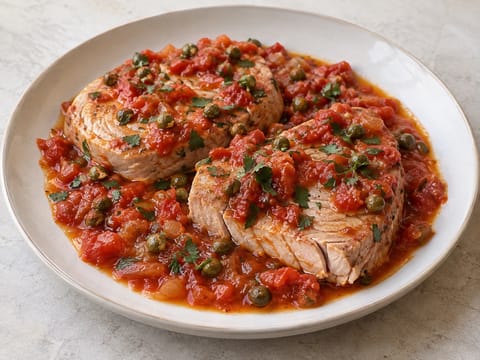
Tuna steaks simmered in a tomato and caper sauce
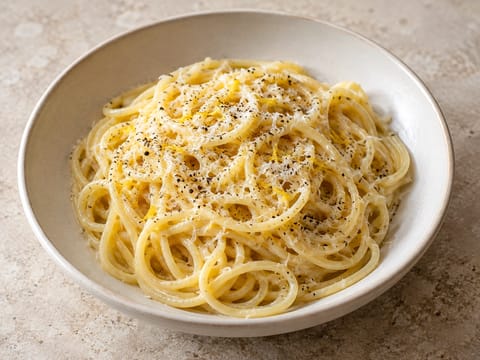
Spaghetti tossed in a silky lemon and Parmesan sauce
When you’re deciding between recipes in this range, look for the main time driver.
If the clock is spent on cooking, prep is usually light: think fish fillets, thin-cut meats, quick-cooking grains, or vegetables cut small. These tend to reward good heat control and a hot pan.
If the clock is spent on prep, the cooking is often simple: chopped salads with a warm element, speedy noodle bowls, or dishes where everything finishes together in the oven. These are easier to keep on time if the recipe tells you what to start first.
If you want minimal washing-up, favour recipes that build in layers in one pan, or that use the oven to do the heavy lifting while you make a dressing or sauce.
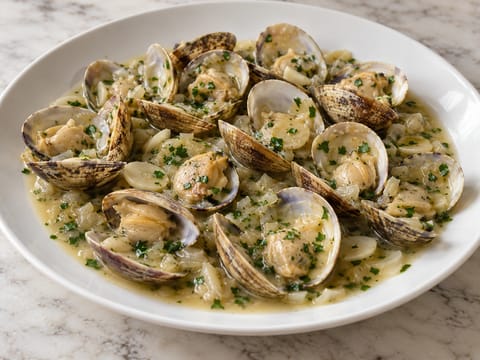
Clams steamed in white wine sauce with garlic and parsley
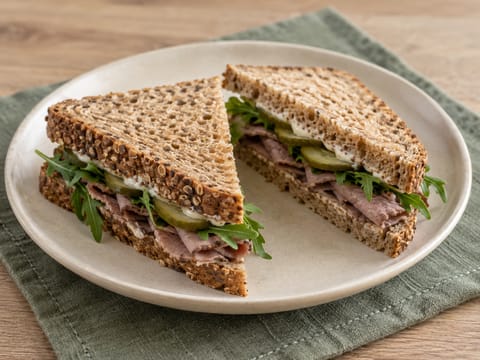
Roast beef sandwich with horseradish mayonnaise and gherkins
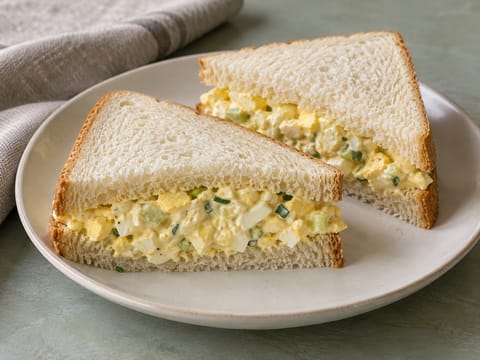
Egg salad on white bread with celery and spring onions
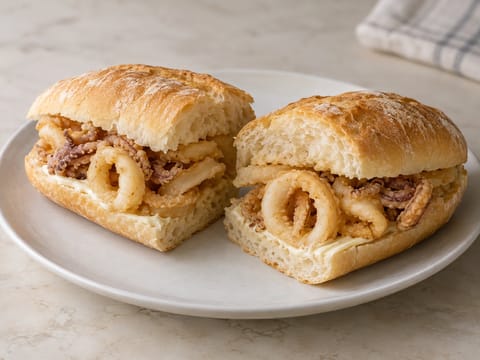
Fried squid sandwich with lemon and mayonnaise
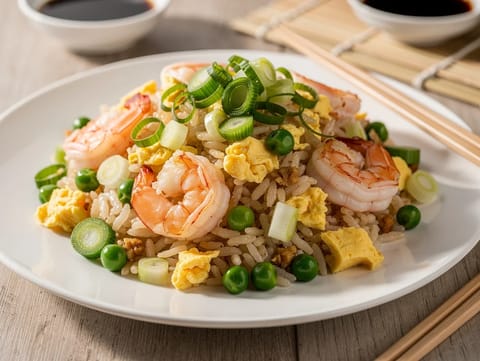
Stir-fried rice with prawns, egg, peas and spring onions
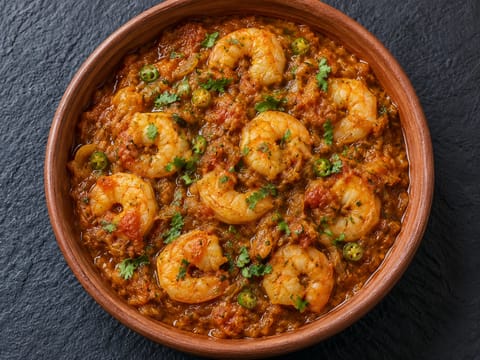
Prawns in a spiced onion and tomato masala sauce
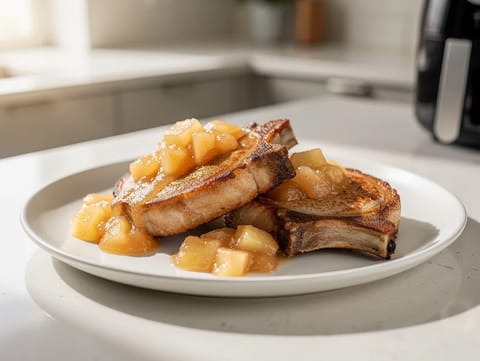
Juicy air-fried pork chops topped with warm cinnamon apple sauce
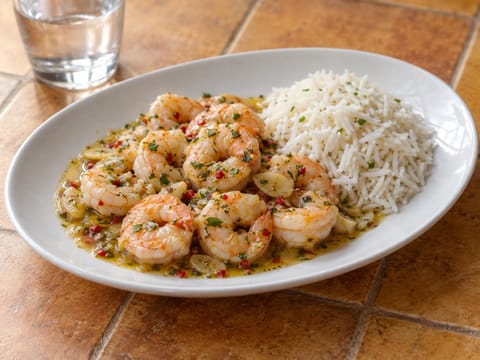
Garlic and chilli prawns finished with lime and parsley

Tuna melt on sourdough topped with grilled cheddar
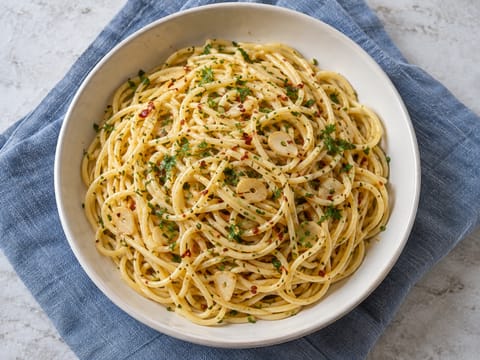
Spaghetti with garlic, olive oil, chilli flakes, parsley and lemon
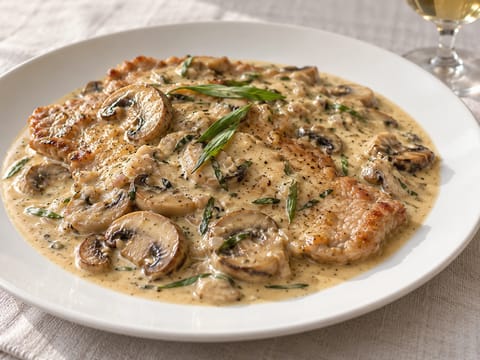
Pan-fried veal escalopes with mushroom and tarragon cream sauce
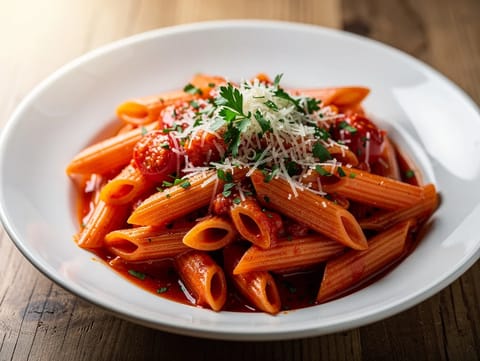
Roman penne with spicy tomato sauce, garlic and Pecorino Romano
Read the first few steps before you start. In this time window, the difference between “start cooking” and “start prepping” matters.
Preheat early when the oven is involved, and put water on to boil before you begin chopping. If a recipe uses a sauce, mix it while the pan heats so it’s ready the moment you need it.
Cut ingredients to match the promised time. Smaller, even pieces cook predictably; large chunks can push you into the next time bracket. The same goes for crowded pans: if everything is piled in, it steams rather than browns, and you lose both time and colour.
Finally, keep an eye on optional extras. Toasted nuts, crispy toppings, or a quick pickle can be worth it, but they are easiest when they happen in parallel, not as an extra job at the end.
If you want to stay within 15–30 minutes, cooking method is the most reliable guide: stir-fries, traybakes and one-pan sautés behave very differently on the clock. Difficulty is also useful here, because some quick recipes depend on confident timing and multitasking, while others are genuinely straightforward.
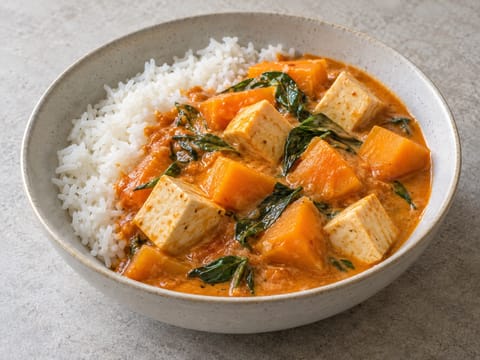
Thai red curry with pumpkin, tofu and coconut milk
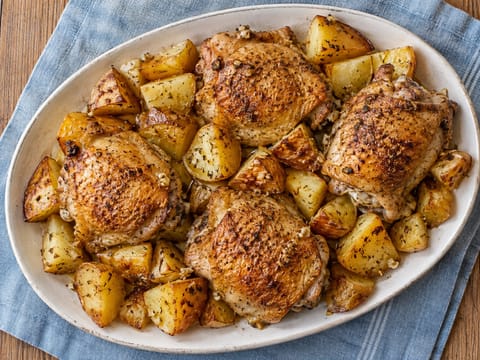
Air fryer Greek chicken and potatoes with lemon and oregano.
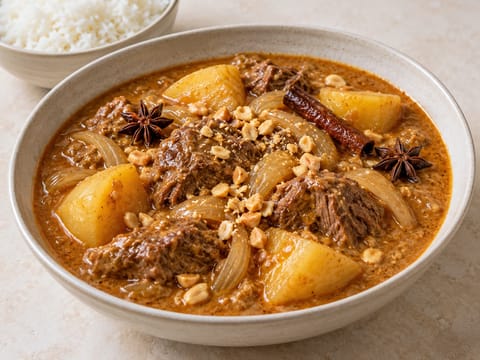
Massaman beef curry with potatoes, peanuts and coconut milk
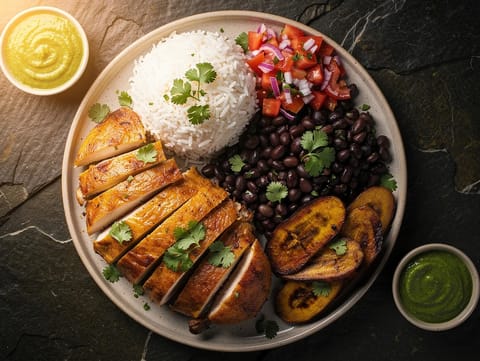
Roast chicken with rice, beans, plantain, and salsa.
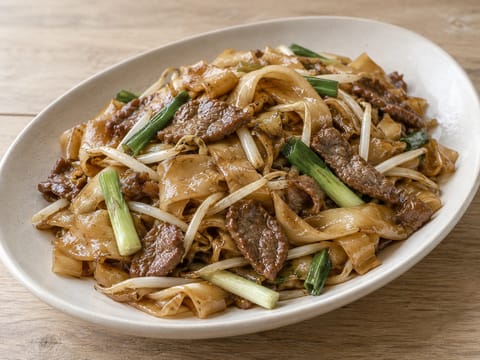
Stir-fried rice noodles with beef, beansprouts and soy sauces
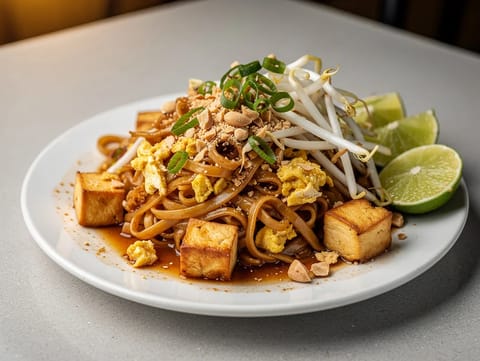
Pad Thai with tofu, egg, peanuts and lime
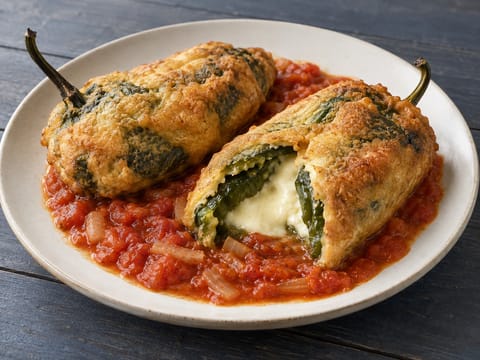
Cheese-stuffed poblanos in egg batter with tomato sauce
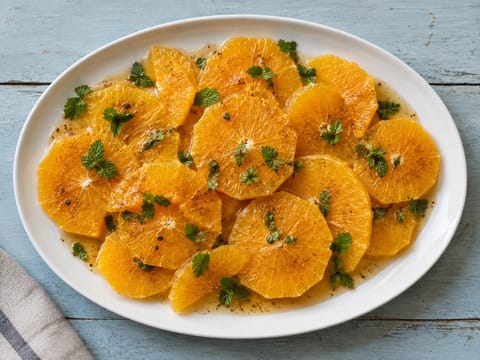
Orange salad with honey, cinnamon and fresh mint
Usually it refers to total time from starting prep to serving. Some recipes are hands-on throughout; others have a short oven or simmer window where you can do something else.
They often stack tasks that can’t happen at the same time, such as chopping, cooking and making a sauce in sequence. Recipes that run smoothly tend to set up parallel steps.
High-heat methods are common because they deliver colour and flavour quickly: pan-searing, stir-frying, grilling, and hot-oven roasting. Gentle, slow methods rarely fit without smaller cuts.
Some bakes can, especially small-format items or high-heat tray cooking. Anything needing long proving, cooling, or a low-and-slow bake usually won’t.
Use the recipe’s cues, not just the clock: colour, bubbling, and texture. Quick cooking is less forgiving, so it helps to have ingredients ready before the pan is fully hot.
Use 15–30 minutes when you want a cooked meal without a long wait. Pick recipes with clear sequencing, and match the method to your attention span: a hot pan for speed, or the oven when you’d rather step back for a few minutes.
