
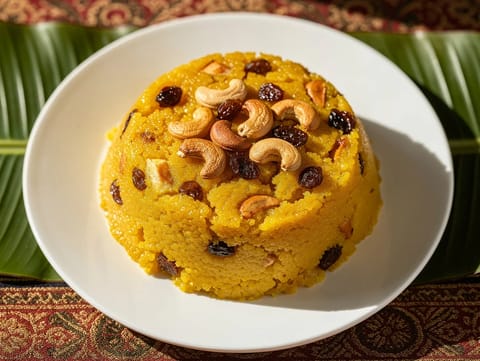
Rava Kesari (South Indian Semolina and Saffron Pudding)
South Indian semolina pudding with saffron, cardamom, cashews and raisins

Cashews are often obvious when they are served whole or chopped, but they are just as likely to be blended into a smooth sauce, dressing or filling. That makes label-reading particularly important, especially for shop-bought dips, plant-based creams and prepared foods where nuts are used for body. This page sets out the main ways cashews show up in recipes and the ingredient wording that can signal their presence, so you can browse more confidently when you need to avoid them.
Cashews have a mild, sweet nuttiness and a soft texture that breaks down readily when soaked or blended. In savoury cooking they may appear as toasted nuts scattered over salads, rice dishes or stir-fries, but they are also used as a thickener in sauces and soups because they puree to a creamy consistency. In sweet recipes, chopped cashews can be folded into biscuits and bars, while cashew butter is used much like other nut butters. Cashew pieces and cashew meal can also be used in coatings and crusts. Because cashews are a tree nut, they sit alongside other nuts in many mixed products, which is one reason they can appear in places you might not expect.
South Indian semolina pudding with saffron, cardamom, cashews and raisins
Rich Eid chicken korma simmered with yoghurt, onions, spices, cashews and fried onions
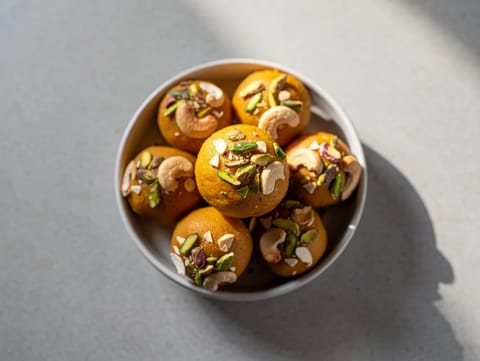
Chickpea flour sweets roasted in ghee and shaped into balls
Ground cashews cooked with sugar syrup, rolled thin and cut into diamonds
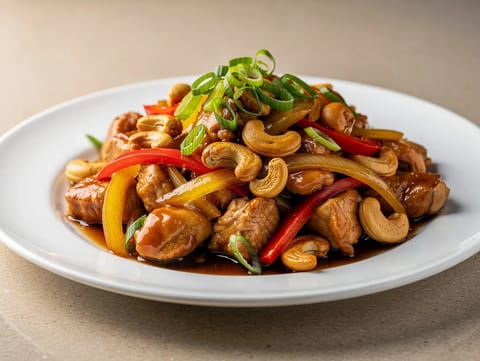
Thai chicken stir-fry with cashews, peppers and oyster sauce
Fragrant zafrani pulao with saffron rice, whole spices, nuts and sultanas
This allergen label helps you browse, but it cannot guarantee a recipe is safe for your needs. Check ingredient lists for cashews, cashew nuts, cashew butter and nut pastes, and be cautious with products described as nut-based, creamy plant-based, or made with blended nuts. Advisory statements such as ‘may contain’ can matter, depending on your level of sensitivity. In home kitchens, cross-contact often comes from shared chopping boards, food processors and blenders, and from toasted nuts handled near other ingredients.
Chickpea flour sweets roasted in ghee and shaped into balls
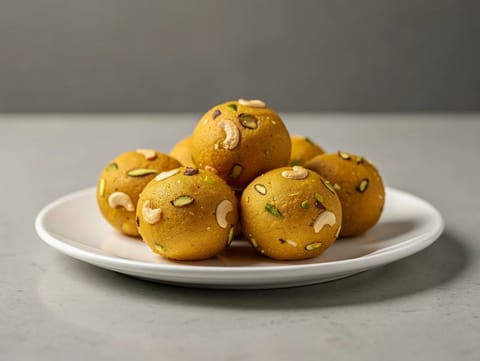
Roasted chickpea flour sweet balls with ghee and cardamom
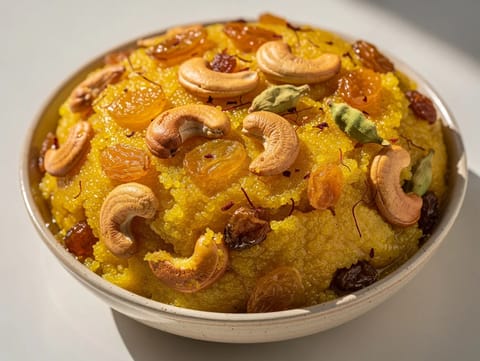
Toasted semolina pudding cooked with ghee, cardamom and sugar syrup
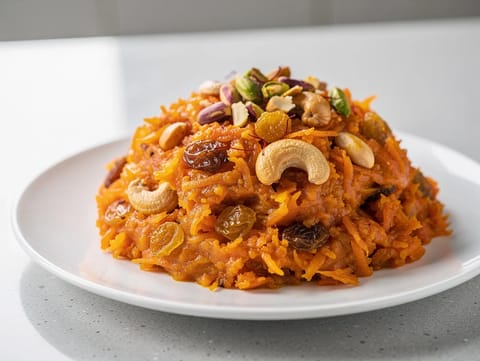
North Indian carrot pudding with milk, ghee and cardamom
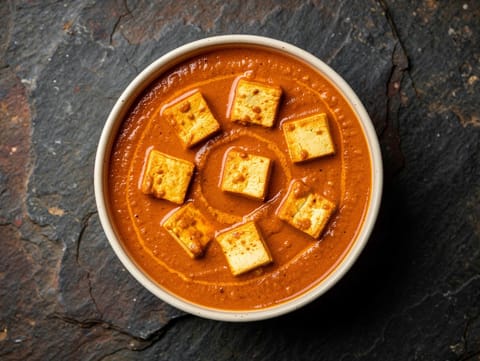
Paneer curry in a tomato and cashew sauce
Thai chicken stir-fry with cashews, peppers and oyster sauce
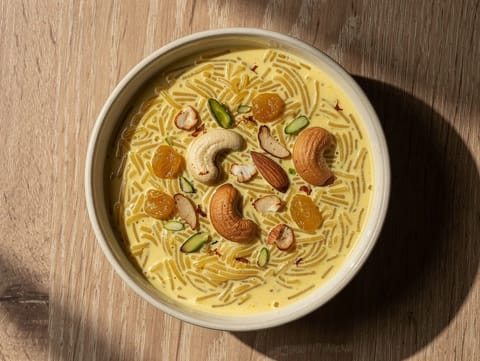
Sweet vermicelli simmered in milk with cardamom and saffron
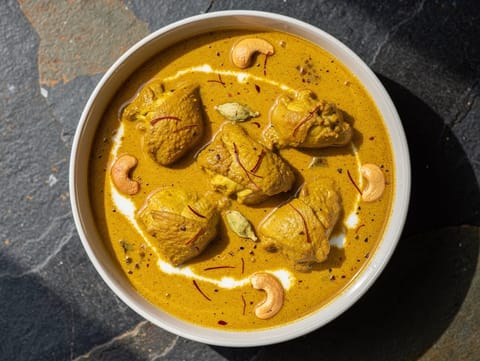
Mughlai chicken korma with yoghurt, cashews and saffron
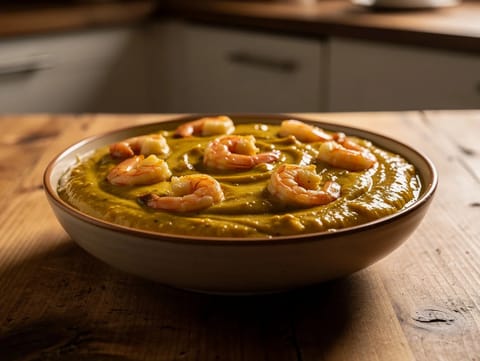
Creamy Bahian stew with coconut milk, bread and dried shrimp
South Indian semolina pudding with saffron, cardamom, cashews and raisins
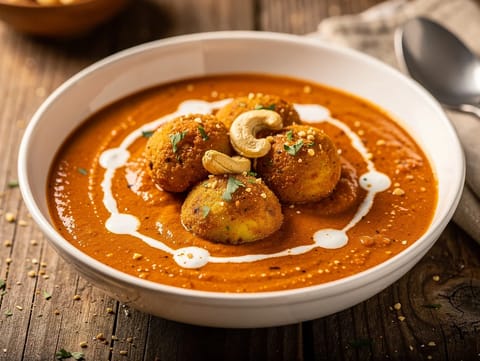
Paneer and potato kofta in creamy tomato and cashew sauce
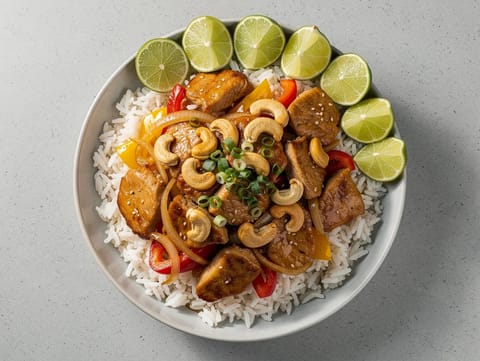
Chicken and cashew stir-fry served over jasmine rice
When cashews are used whole for crunch, you can often switch to toasted seeds for a similar contrast, choosing sunflower or pumpkin seeds for a mild flavour. When cashews are blended for creaminess, the substitute needs to provide body, not just flavour. Depending on the recipe, that might be a seed-based cream, a dairy cream or yoghurt, or a thick puree such as cooked white beans. Each option changes taste and texture: beans add starch and a savoury note, while dairy brings tang and richness. If cashew butter is used like peanut butter in a dressing or bake, another seed or nut butter may behave similarly, but only if it fits your allergen needs.
Ingredient browsing is useful here because cashews are often swapped for seeds, beans or dairy depending on the job they do in a recipe. Diet categories can also help when cashews are used to create a creamy texture in plant-based cooking, so you can compare other approaches that suit the same eating style without relying on cashews.
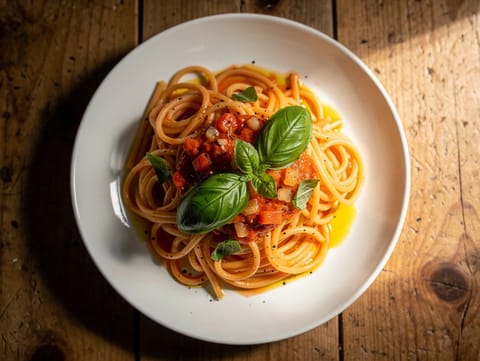
Vegan spaghetti with fresh tomato, garlic and basil

Pomegranate spritzer with mint, lime, honey and sparkling water
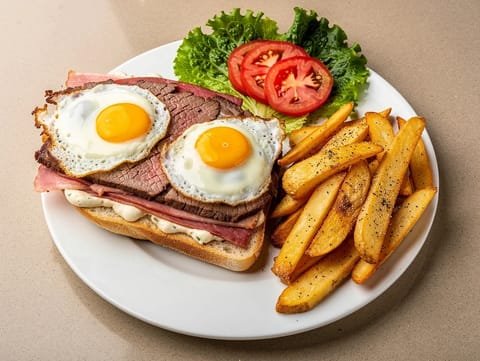
Uruguayan steak sandwich platter with ham, egg, mozzarella and chips
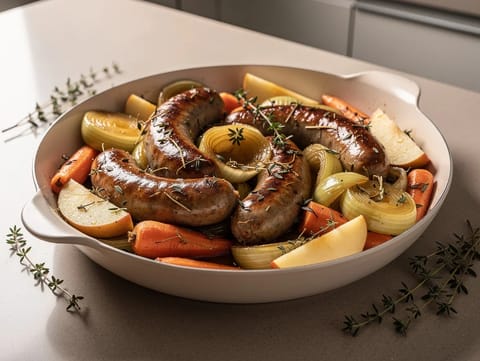
Sausage casserole simmered in cider with leeks, carrots and apples
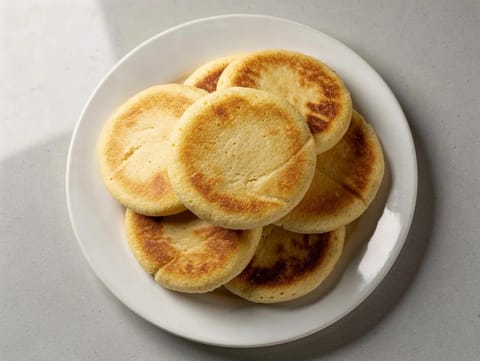
Griddled cornmeal flatbreads with a crisp crust
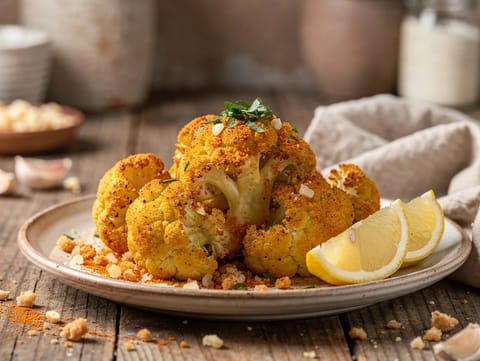
Oven-baked cauliflower with garlic, paprika and breadcrumbs
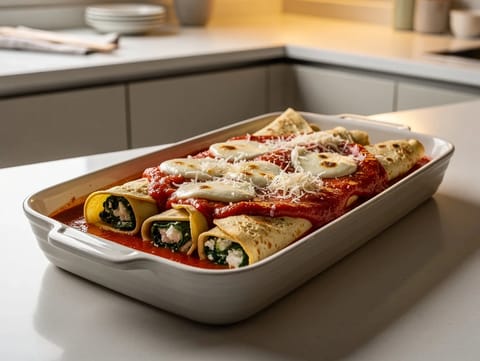
Spinach and ricotta crêpes baked with tomato sauce and mozzarella
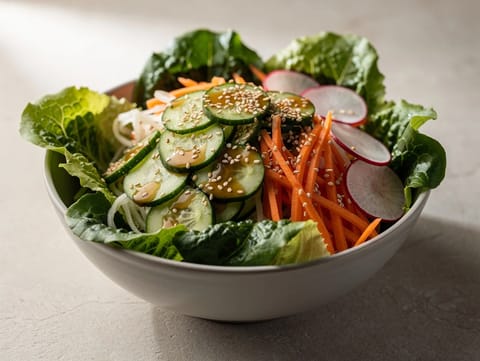
Crisp Korean salad with nutty sesame dressing
In allergen terms, cashews are treated as a tree nut. If you are avoiding tree nuts, cashews are usually included in that avoidance.
They are easiest to miss when blended into smooth sauces, dips, dressings and fillings, or when used as cashew butter. Prepared foods and plant-based creamy products are common places to check carefully.
Only if those nuts are suitable for your needs. From a cooking perspective, many nuts can replace cashews for crunch, but they do not all blend into the same creamy texture, and allergen avoidance may rule them out.
It depends on the recipe. A seed-based cream can mimic richness, while blended white beans can thicken and smooth a sauce. Dairy cream or yoghurt can also work where dairy is acceptable, but will change flavour.
Yes, blenders and food processors are common cross-contact points because nut pastes cling to blades and seals. If cashews must be avoided, dedicated equipment or very careful cleaning may be important.
They can. Mixed nut products vary widely, so if cashews are a concern, check the specific ingredient list rather than relying on the name.
With cashews, the key distinction is whole versus blended. Scan for cashew butter and nut pastes as well as obvious nuts, and choose substitutes based on whether the recipe needs crunch or a creamy thickener.
