
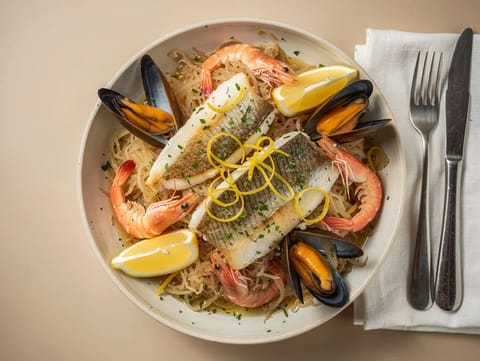
Choucroute de la Mer (Seafood Sauerkraut)
Sauerkraut warmed with white wine, then steamed with seafood

Crustaceans are a defined group of shellfish, including prawns and shrimp, crab, lobster and crayfish. They can be the main ingredient, but they also appear as concentrated flavour in stocks, pastes and sauces, which is where avoidance becomes trickier. This page clarifies what is usually meant by crustaceans in cooking, the kinds of ingredients that can contain them, and the practical kitchen points that help reduce accidental exposure.
In everyday cooking, crustaceans are the hard-shelled shellfish such as prawns (shrimp), crab, lobster and crayfish. They are used fresh, frozen, cooked or raw, and they can be peeled or served in the shell. Beyond whole seafood, crustaceans are also used to make intensely flavoured bases: prawn stock, crab bisque-style soups, and shellfish reductions. Some cuisines use shrimp paste or dried shrimp as a seasoning, and those ingredients can be easy to miss because they are used in small amounts. Crustaceans are distinct from molluscs (such as mussels, clams, oysters and squid), though people who avoid one group sometimes avoid both depending on their needs.
Sauerkraut warmed with white wine, then steamed with seafood
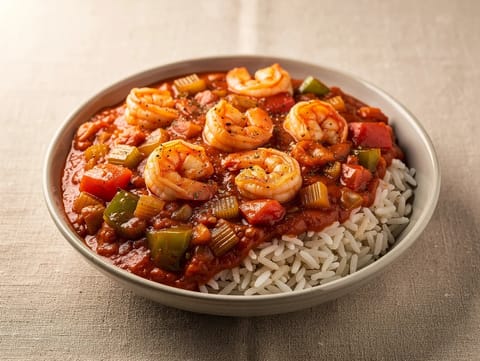
Prawns simmered in spiced tomato sauce, served with rice
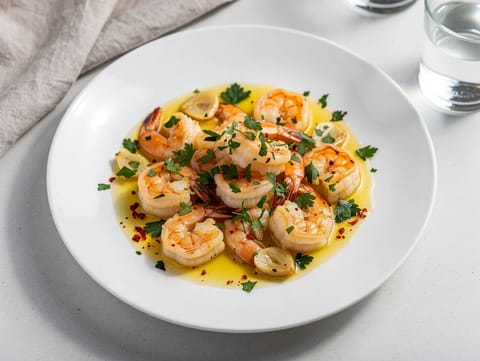
Spanish lemon garlic prawns with chilli and parsley
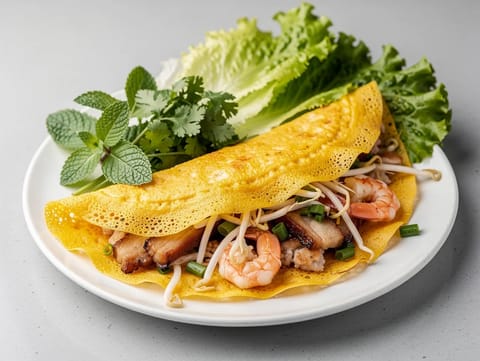
Crispy Vietnamese rice-flour pancakes filled with pork and prawns
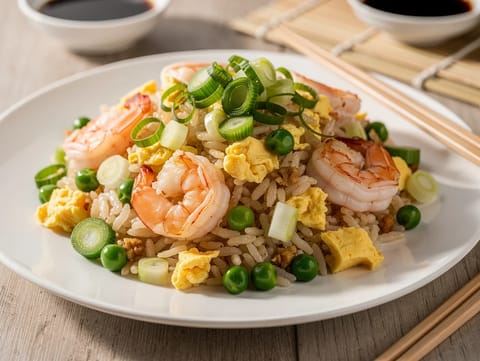
Stir-fried rice with prawns, egg, peas and spring onions
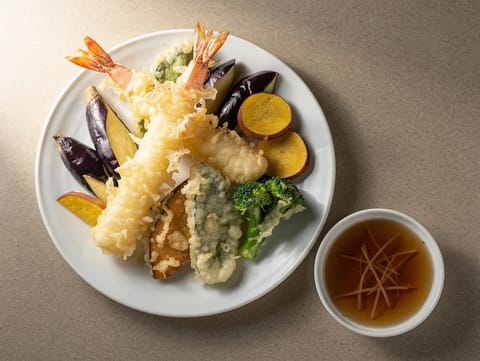
Crispy tempura prawns and vegetables with soy dipping sauce
This label supports allergen-aware browsing, but it cannot guarantee a recipe is safe for you. If you avoid crustaceans, check for prawns/shrimp, crab, lobster and crayfish, plus ingredients such as shrimp paste, dried shrimp and shellfish stocks. Cross-contact is common with shared frying oil, grills, steaming baskets and prep surfaces in mixed-seafood kitchens. Even at home, utensils and boards used for peeling prawns or cracking crab can spread residue unless washed thoroughly.
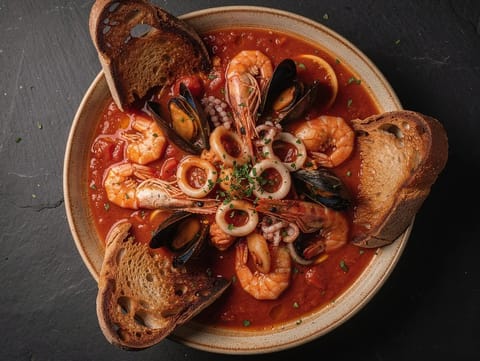
Tuscan fish and seafood stew served over toasted bread
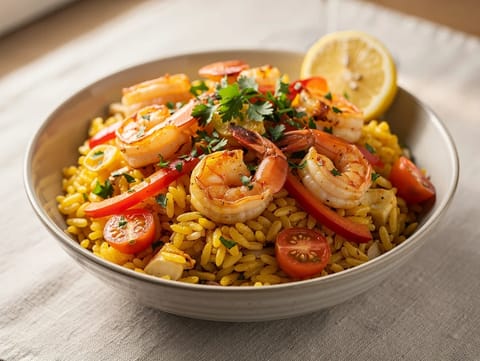
Saffron rice bowl with garlic prawns, pepper, tomato and lemon
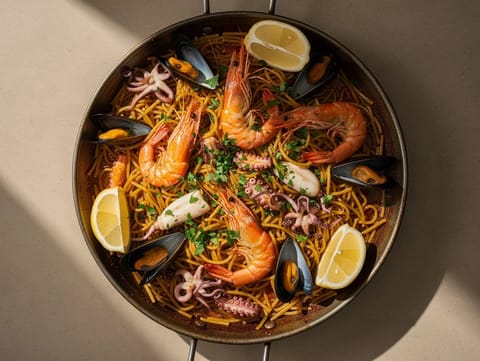
Toasted noodles cooked with seafood in saffron fish stock
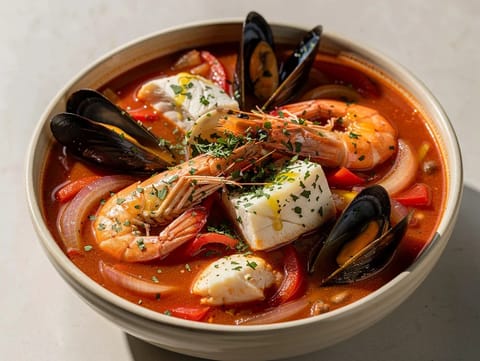
Seafood casserole with prawns, mussels and white fish
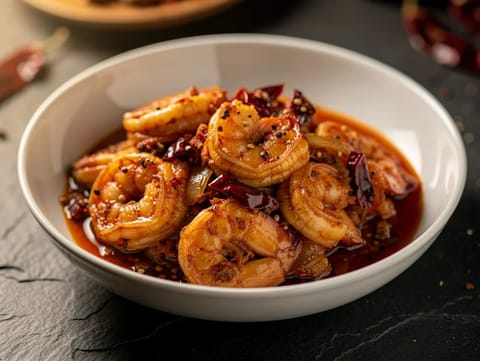
Goan-style prawns cooked in a tangy chilli masala
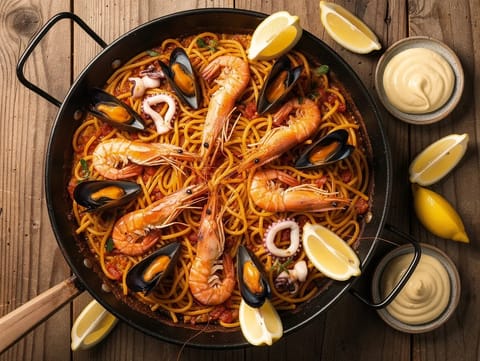
Seafood fideuà with toasted noodles and saffron stock
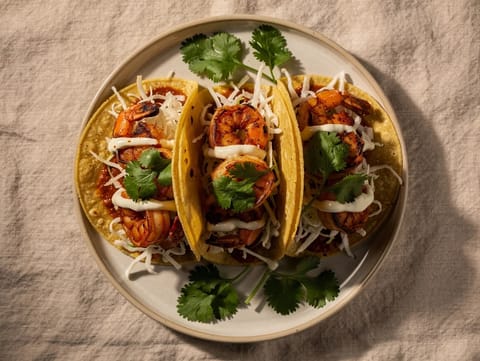
Chipotle prawns in corn tortillas with cabbage and crema
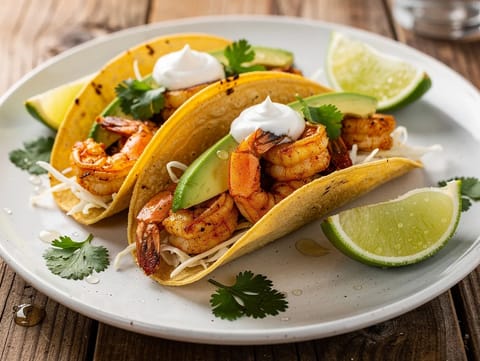
Shrimp tacos with lime, cabbage, avocado and sour cream
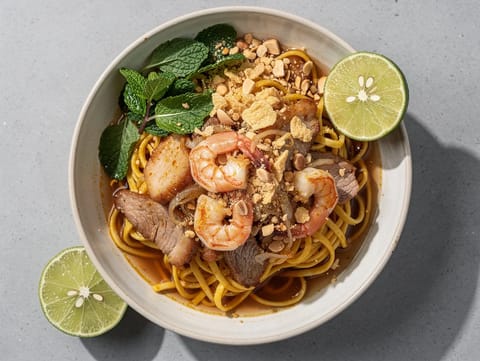
Turmeric rice noodles with pork, prawns, herbs, peanuts and lime
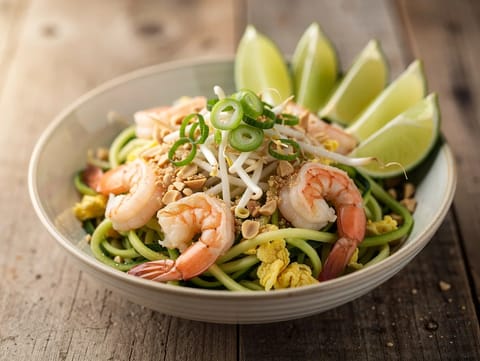
Courgette noodle bowl with prawns, tamarind and peanuts
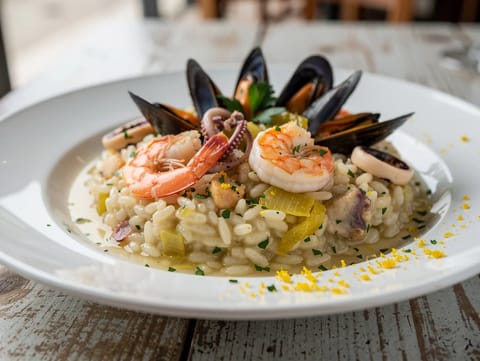
Creamy seafood risotto with prawns, mussels and squid
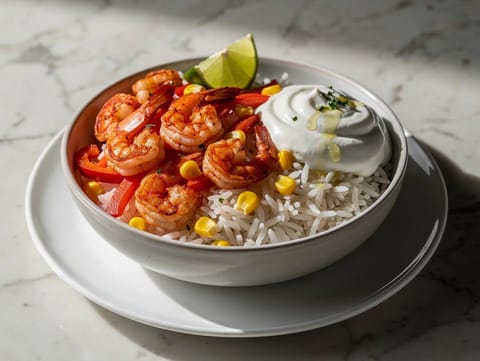
Cajun prawn rice bowl with peppers and soured cream
If crustaceans are there for texture, you will usually get a better result by choosing a different centrepiece rather than trying to mimic prawn or crab exactly. Firm fish, tofu, mushrooms or vegetables can take on a similar cooking method, but they will not bring the same sweetness and briny depth. If the recipe relies on crustacean stock or paste for savoury intensity, build flavour with alternatives such as vegetable stock, browned aromatics, tomato, seaweed for a marine note, or fermented seasonings where appropriate. The goal is to replace depth and savouriness, not to recreate shellfish flavour precisely.
Ingredient browsing is a practical next step when you are avoiding crustaceans, because it lets you explore alternative proteins and flavour-builders such as fish, seaweed, mushrooms or different stocks. Diet categories can also help if you are balancing seafood avoidance with other requirements, so you can narrow in on recipes that fit your overall approach to eating.

Almond sponge topped with raspberry mousse and fresh raspberries
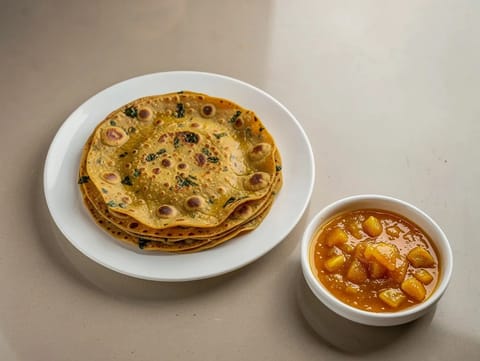
Spiced fenugreek flatbreads served warm with mango pickle

Creole jambalaya with andouille sausage, rice and tomatoes
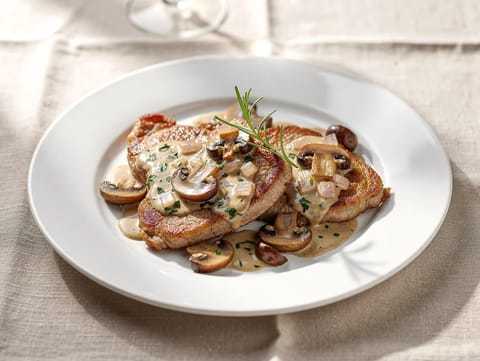
Pan-fried veal escalopes with mushroom and tarragon cream sauce
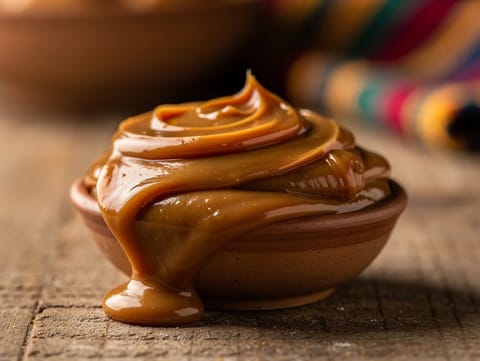
Thick caramelised milk spread made from milk and sugar
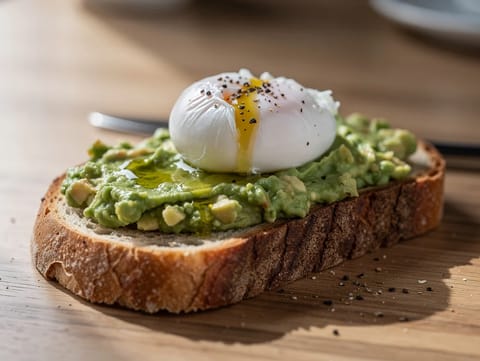
Sourdough avocado toast topped with a softly poached egg
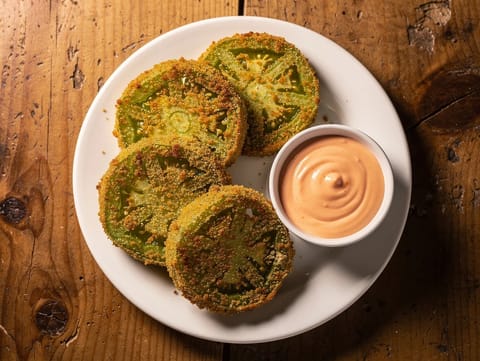
Crisp pan-fried green tomatoes with mayonnaise dip
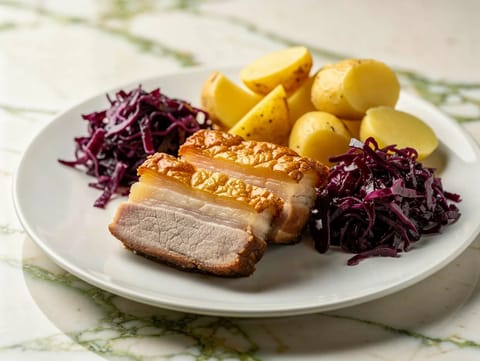
Norwegian roast pork belly with crisp crackling
Yes. Prawns and shrimp are crustaceans, along with crab, lobster and crayfish.
No. Mussels, clams, oysters and squid are molluscs, a different group of shellfish. Some people avoid both groups, but they are not the same category.
Shrimp paste, dried shrimp, shellfish stocks and some seafood-flavoured sauces or soups. These can be used in small amounts, so checking ingredients matters.
Fish sauce is typically made from fish, but recipes and brands vary. If you are avoiding crustaceans, read labels carefully, especially for blended seafood sauces.
Allergens are generally proteins, and cooking does not reliably remove the risk. If you need to avoid crustaceans, treat cooked and raw forms with the same caution.
Use separate boards and utensils for shellfish, wash hands and surfaces promptly, and be cautious with shared oils or grills if crustaceans are cooked alongside other foods.
Crustaceans are straightforward when they are whole, but they can be harder to spot when used as paste, dried seafood or stock. If avoidance is important, focus on those concentrated ingredients and on cross-contact points such as shared oil, grills and prep tools.
