
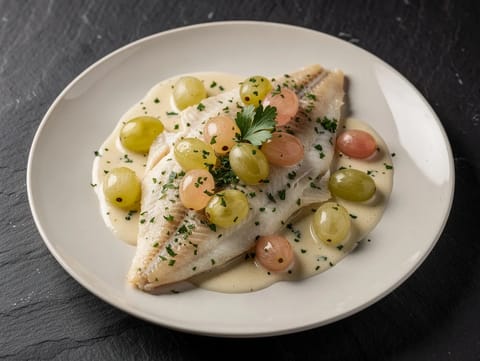
Sole Véronique (Poached Sole with Grapes and Cream Sauce)
Poached sole with grapes in a white wine cream sauce

Fish is often easy to identify when it is served as fillets or flakes, but it can be harder to spot when it is used as a seasoning, stock base or fermented sauce. Avoidance also raises practical questions about cross-contact, especially where frying oil, grills or utensils are shared. This page outlines what is typically meant by fish in recipes, where it can appear in small amounts, and the kitchen habits that matter when fish needs to be avoided.
Fish may be fresh or frozen, whole or filleted, and it can also be preserved as smoked fish, salted fish, dried fish or tinned fish. Beyond obvious pieces, fish is used to build savoury depth in broths and soups, and it appears in condiments such as fish sauce and some Worcestershire-style sauces that use anchovy. Fish paste and dried fish flakes are used in certain regional cuisines as a background seasoning. Fish is distinct from shellfish allergens such as crustaceans and molluscs, though recipes and kitchens often handle them side by side, which is where cross-contact becomes a practical concern.
Poached sole with grapes in a white wine cream sauce

Vietnamese steamed pork sausage wrapped in banana leaves
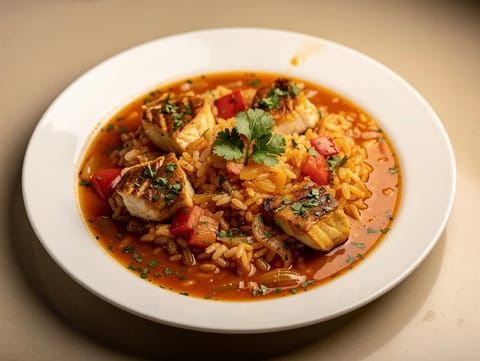
Portuguese monkfish rice simmered in tomato and white wine
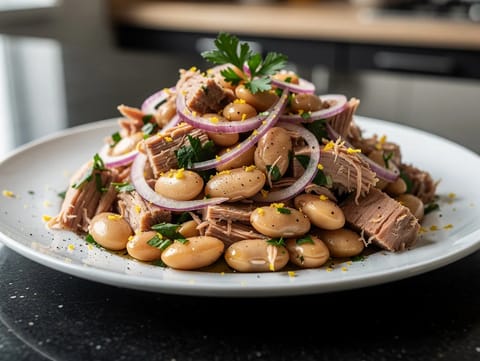
Tuna and cannellini bean salad with lemon and olive oil
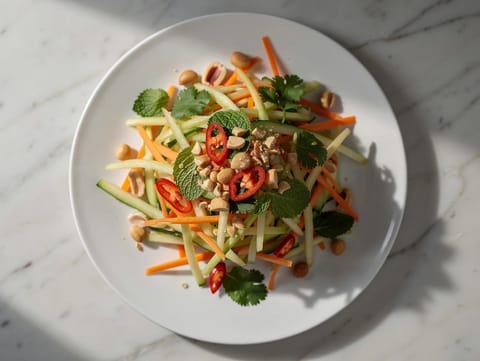
Green mango salad with herbs, chilli and peanuts
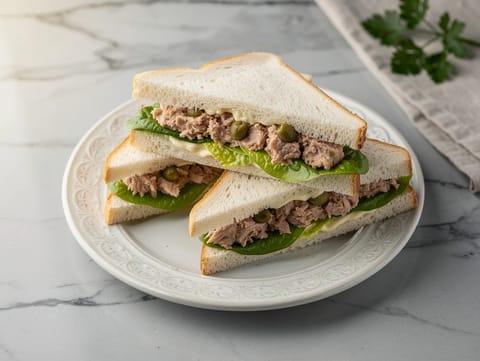
Crustless tuna sandwiches with mayonnaise, capers and lettuce
This label supports allergen-aware browsing, but it cannot guarantee a recipe is safe for your needs. If you avoid fish, check for obvious ingredients as well as fish-based condiments, stocks and flavourings. Cross-contact is common with shared frying oil, grills, baking trays and utensils, and with marinades or sauces brushed onto multiple foods. In mixed kitchens, even a small amount of fish residue can transfer via tongs, chopping boards or cloths unless they are cleaned thoroughly.
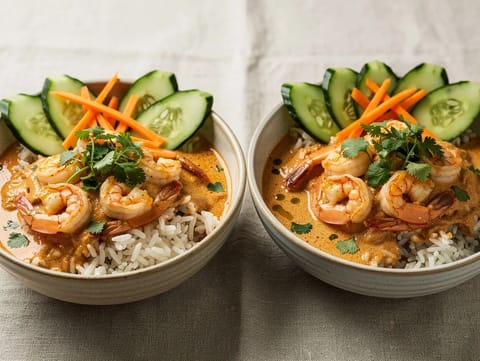
Coconut prawn curry served over jasmine rice with crisp vegetables
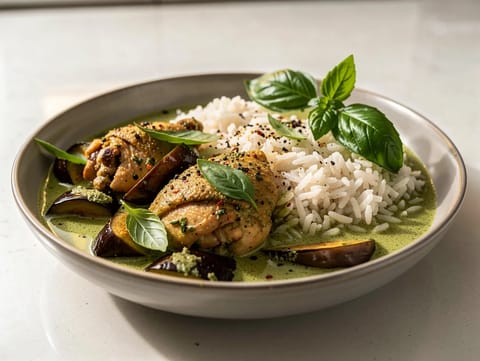
Thai green curry chicken bowl with jasmine rice
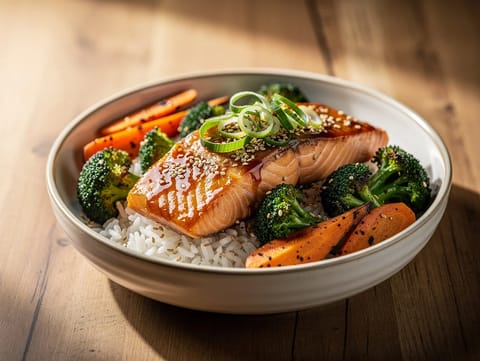
Teriyaki salmon traybake with vegetables and sushi rice
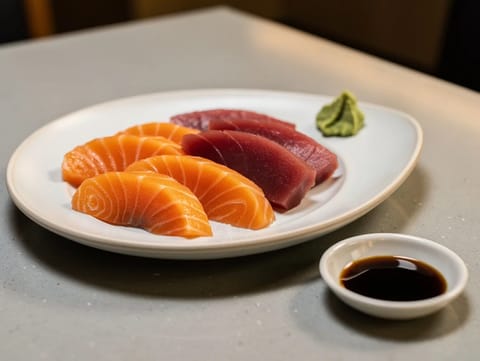
Thinly sliced sashimi with salmon and tuna
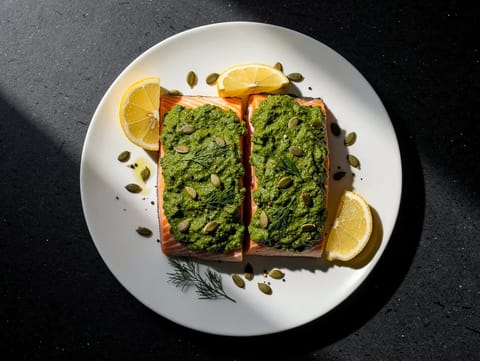
Baked salmon topped with dill pesto and toasted pumpkin seeds
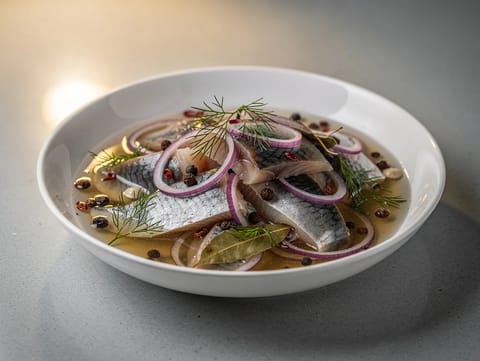
Pickled herring in sweet-sour brine with dill and red onion
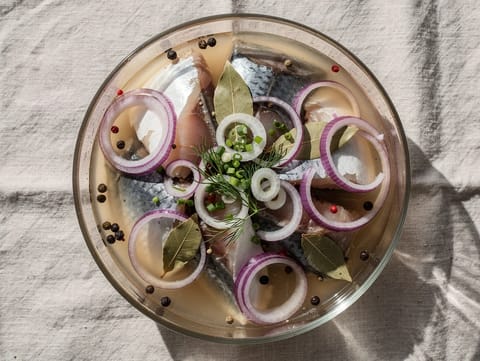
Pickled herring served with sliced onion
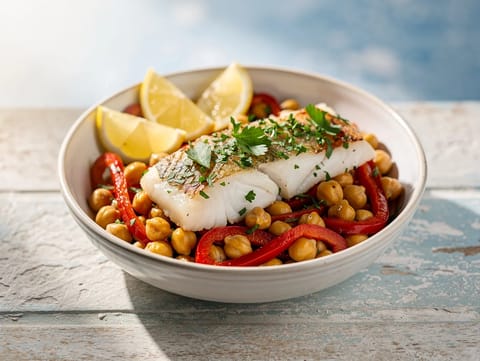
Cod bowl with chickpeas, roasted peppers and lemon dressing

Salt cod with eggs, shoestring potatoes, olives and parsley
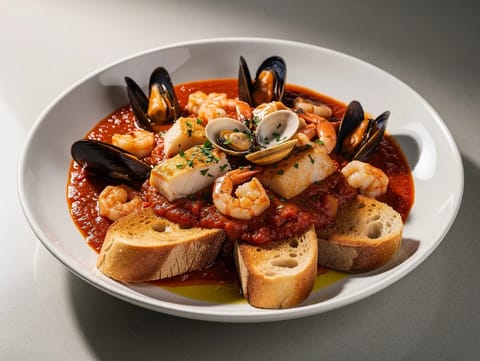
Tuscan fish stew served over toasted garlic-rubbed bread
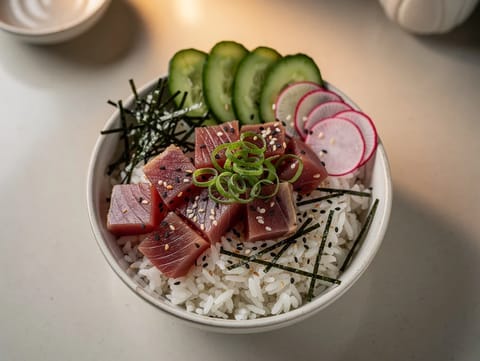
Sushi rice bowl with tuna, cucumber and radish.
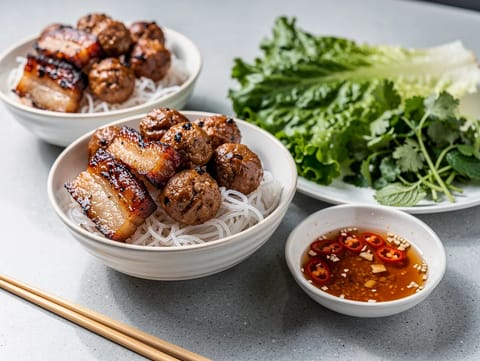
Grilled pork with nuoc cham, vermicelli, herbs and lettuce.
When fish is the main ingredient, it is usually more successful to choose a different centrepiece rather than trying to imitate fish texture. Depending on the dish, tofu, mushrooms, pulses or vegetables can suit the same cooking method and carry similar seasonings. If the recipe uses fish sauce or anchovy for savoury depth, you can often replace that function with other umami-rich ingredients such as fermented sauces that do not contain fish, tomato concentrates, seaweed, mushrooms, or a carefully seasoned vegetable stock. Expect the flavour to shift: the aim is balance and depth, not a perfect fish-like taste.
Ingredient browsing is helpful if you are avoiding fish, because it lets you explore alternative proteins and umami builders such as tofu, mushrooms, seaweed or different stocks. Diet categories can also support you if fish avoidance sits alongside other requirements, helping you find recipes that fit your overall approach without relying on fish-based condiments.
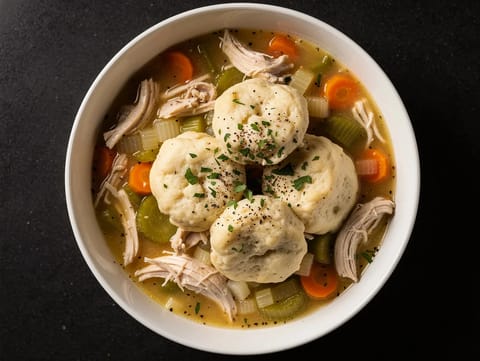
Chicken stew topped with fluffy buttermilk dumplings
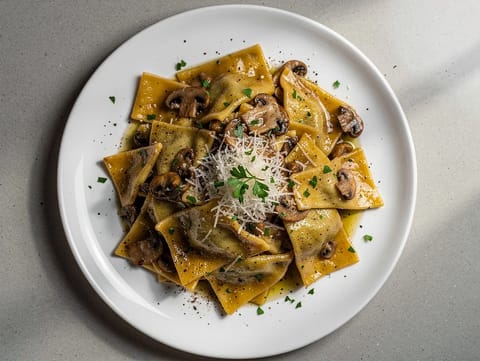
Rustic pasta with porcini mushrooms, butter, white wine and Parmesan
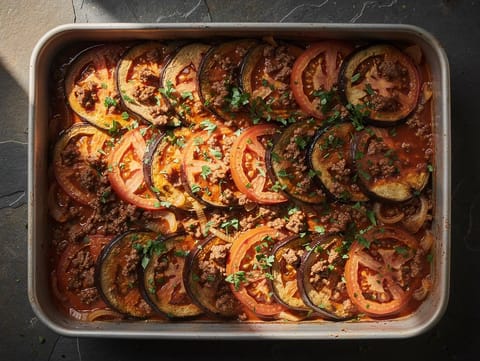
Iraqi aubergine bake with minced beef and tomatoes
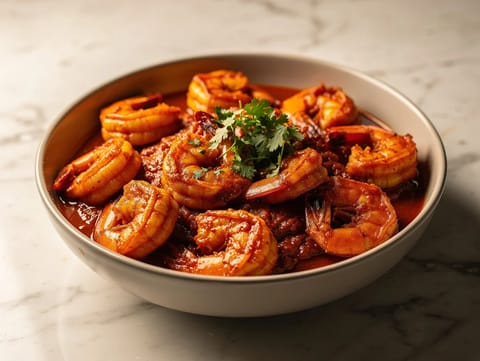
Tangy Goan-style prawn curry with vinegar and chilli
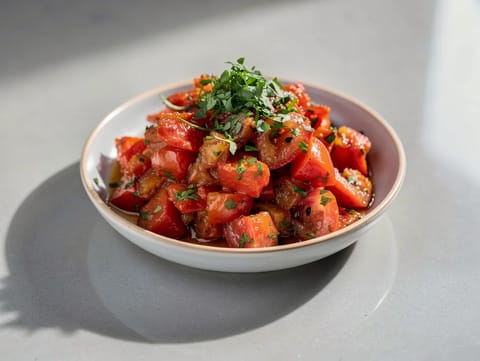
Charred red pepper salsa with tomato, garlic and sherry vinegar
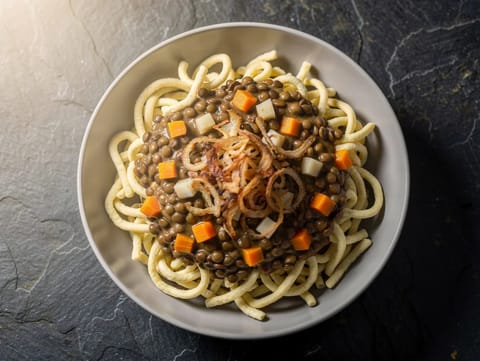
Sour lentil stew served over Spätzle with fried onions
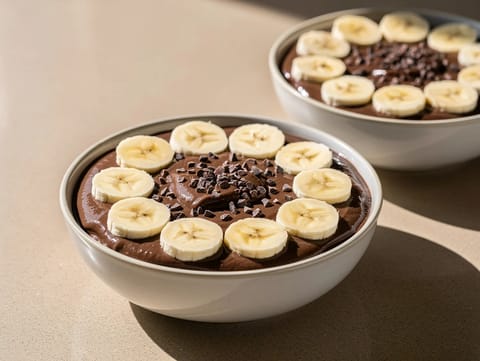
A thick avocado and cacao smoothie bowl with banana.
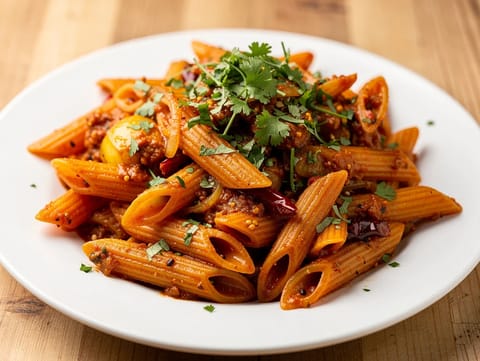
Penne in spiced tomato masala with garam masala
Yes. Anchovies are fish, and they are often used in small amounts in sauces and dressings, so they are worth checking for specifically.
Traditionally it is, but products vary. If you are avoiding fish, read labels carefully and choose alternatives that are clearly fish-free.
They are treated as different allergen groups. However, they are often prepared in the same kitchens, so cross-contact can still be an issue.
Seaweed can add a marine note and savouriness, which can help when you miss the ‘sea’ character of a dish. It will not replicate fish texture, and it is best used as part of a broader flavour-building approach.
Yes. Processing does not remove the need for avoidance. Treat fresh, frozen, smoked and tinned fish as relevant unless you have specific guidance otherwise.
Shared frying oil, grills, baking trays, tongs and chopping boards are frequent culprits, as are brushes used for marinades and sauces.
Fish avoidance is as much about the small, flavour-building ingredients as it is about the main protein. Check condiments and stocks, and pay attention to shared equipment and surfaces where fish is cooked alongside other foods.
