
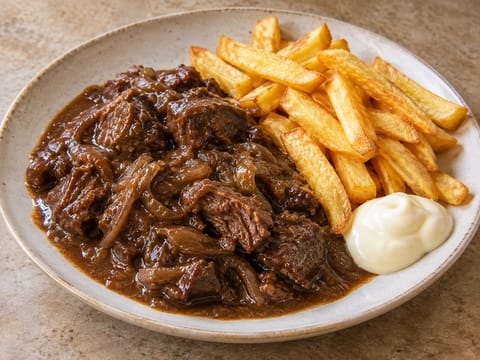
Stoofvlees met Friet (Belgian Beef Stew with Chips)
Belgian beef stew with dark beer, served with chips

Gluten is a family of proteins found in certain grains, and it matters because it can be present even when a dish does not look “bready”. On this page, gluten signals that a recipe intentionally includes an ingredient that contains gluten, or a product where gluten is a typical component. If you are avoiding gluten, the practical work is in the details: which grain is used, how an ingredient is processed, and whether a packaged item includes gluten-containing additives or flavourings.
In everyday cooking, gluten most often enters through wheat, but it is not limited to it. Barley and rye also contain gluten, and ingredients made from them can appear in places you might not expect, such as malted products or certain vinegars and flavourings. Oats are a separate grain and do not naturally contain gluten, yet they are sometimes handled alongside gluten-containing grains, which is why some cooks treat oats as a special case.
It also helps to separate “gluten” from “flour”. Flour can be made from many things, including rice, maize, chickpeas and nuts. What matters here is whether the flour or grain ingredient contains gluten, not whether it looks like a typical baking ingredient.
Belgian beef stew with dark beer, served with chips
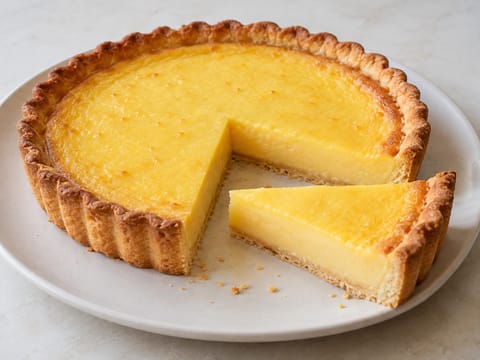
Italian lemon custard tart with a crisp shortcrust base
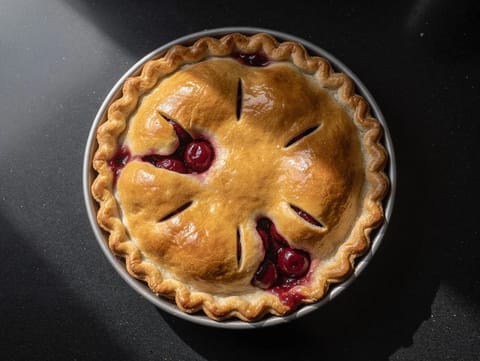
Air fryer cherry pie with lemon and cornflour-thickened filling.
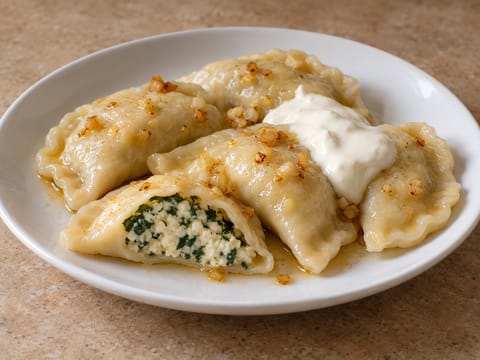
Pierogi filled with spinach and ricotta
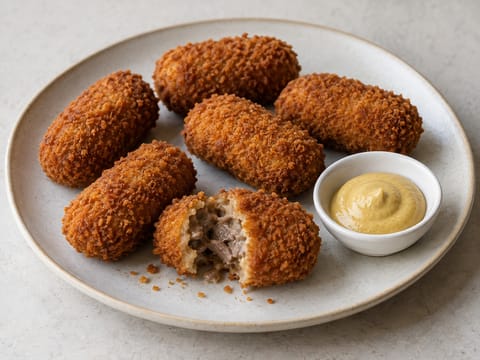
Crisp air-fried croquettes with a beef ragout filling.
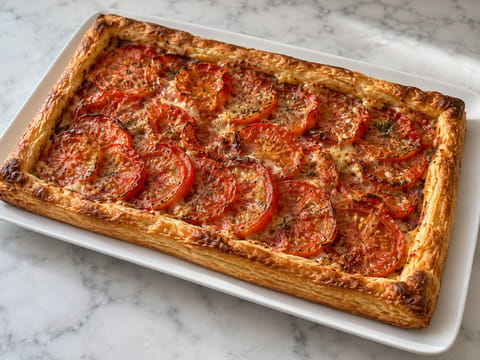
Puff pastry tart with Dijon mustard, tomatoes and Gruyère
This tag is a browsing aid, not a safety guarantee. Gluten can be introduced by packaged ingredients (stock cubes, sauces, spice blends) and by cross-contact in shared kitchens, toasters, boards and sieves. If you cook for someone who must avoid gluten, check every packaged label, including “may contain” statements where they are used, and consider whether your preparation space and equipment are suitable for their level of sensitivity.
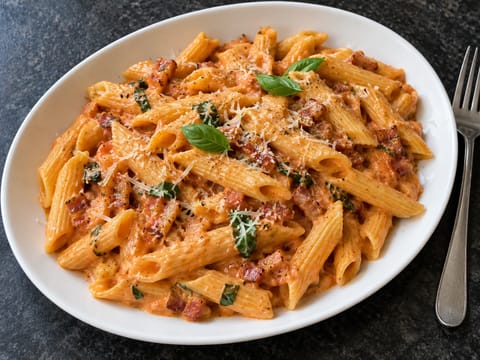
Penne with pancetta in a tomato, vodka and cream sauce
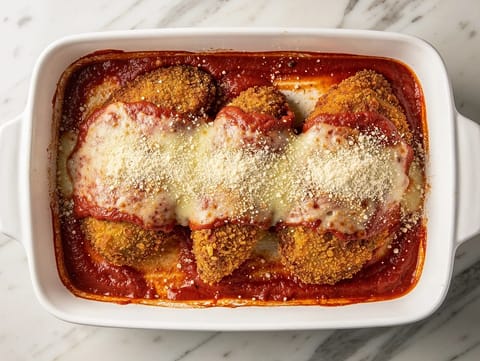
Crispy breaded chicken baked with tomato sauce and mozzarella
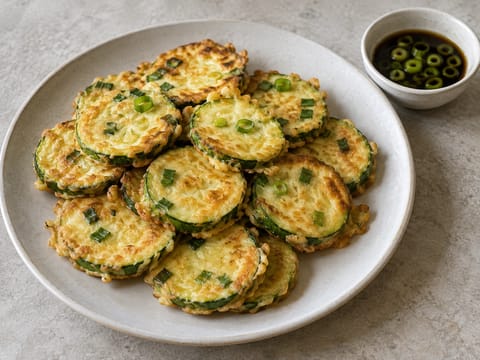
Korean courgette pancakes coated in egg and pan-fried
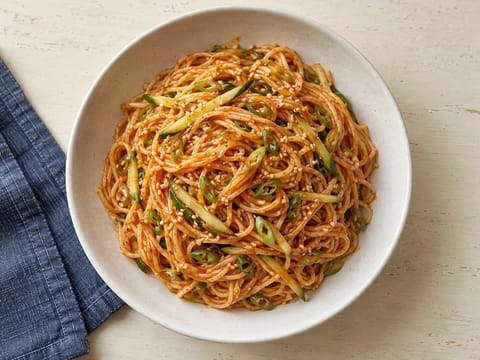
Chilled noodles tossed with cucumber in a gochujang dressing
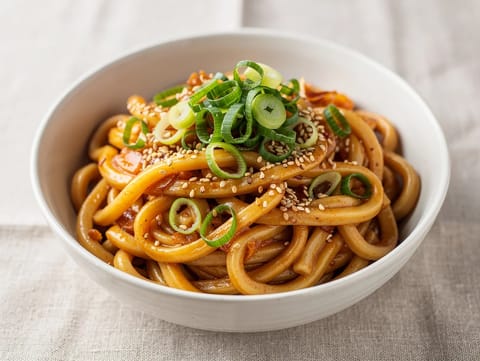
Udon noodles in a spicy miso sauce with spring onion
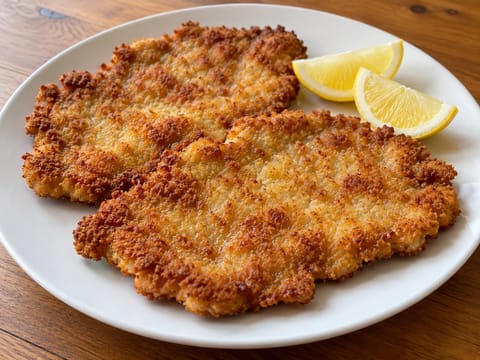
Breaded Polish pork cutlet fried until golden and crisp
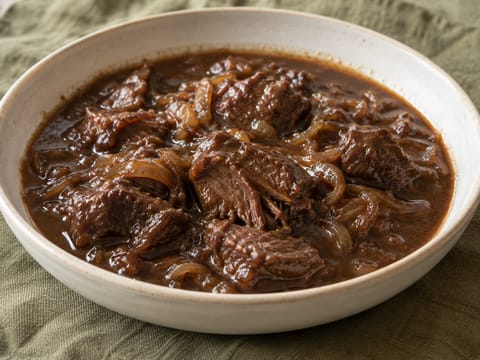
Ghent-style beef stew with dark beer and gingerbread
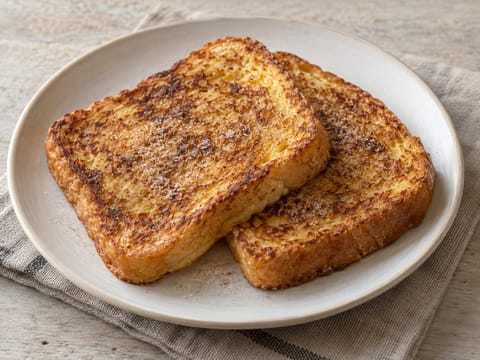
Dutch French toast with cinnamon, fried in butter and sugared
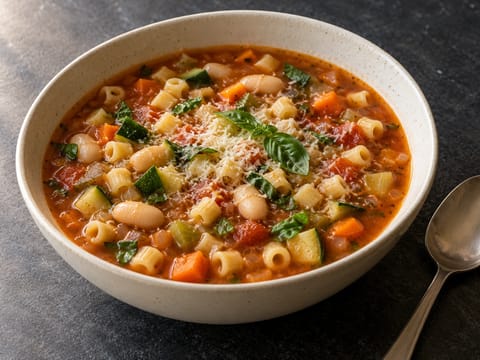
Brothy minestrone with vegetables, cannellini beans and small pasta
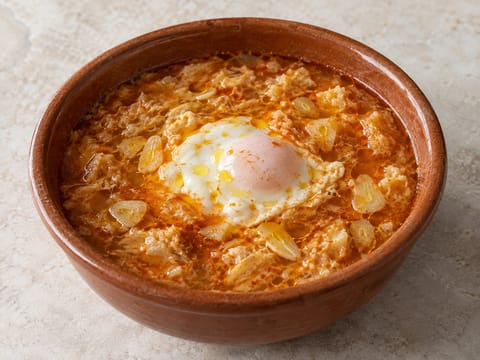
Spanish garlic soup thickened with bread and topped with egg
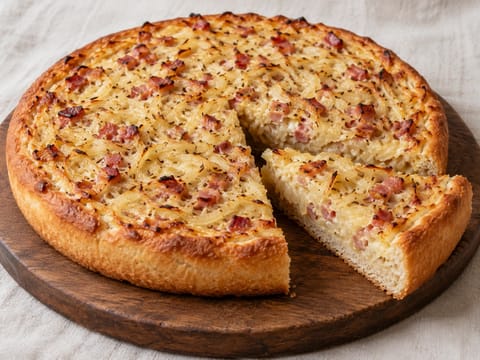
German yeasted onion tart with bacon and crème fraîche
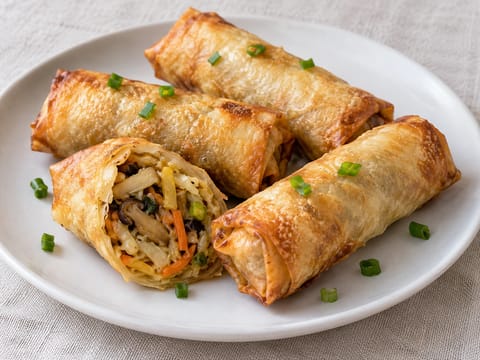
Crispy air-fryer spring rolls with a savoury vegetable filling.
If you are planning swaps, browsing by Ingredient can help you compare different grains and flours and see how they behave in batters, doughs and coatings. Diet categories can also be useful when you want recipes that are written with gluten avoidance in mind, while still checking labels and cross-contact in your own kitchen.
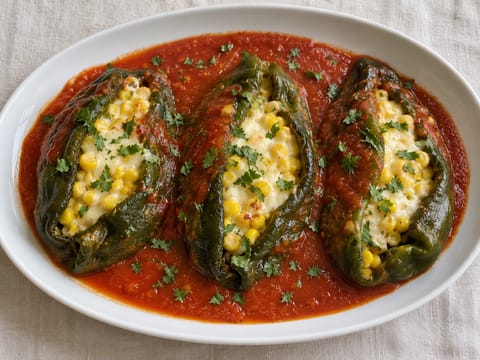
Baked poblano chillies stuffed with mozzarella and sweetcorn
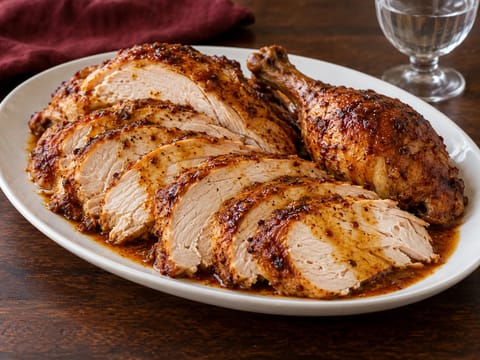
Mexican-style roast turkey with guajillo chilli and orange
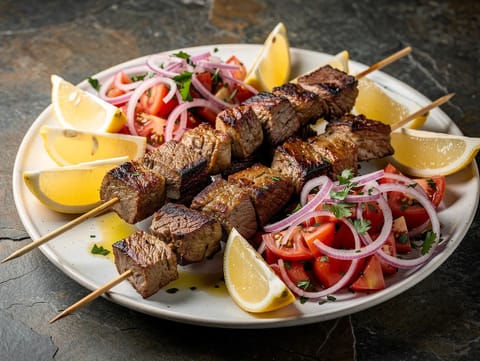
Grilled Moroccan lamb skewers with tomato and red onion salad
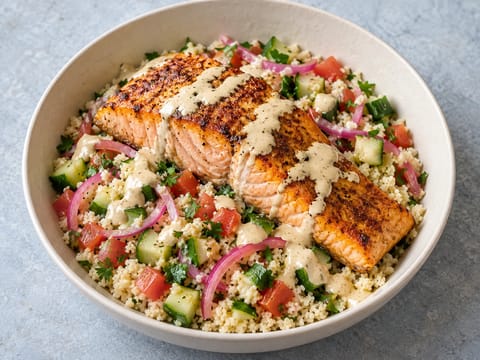
Salmon bowl with couscous, salad and lemon tahini dressing
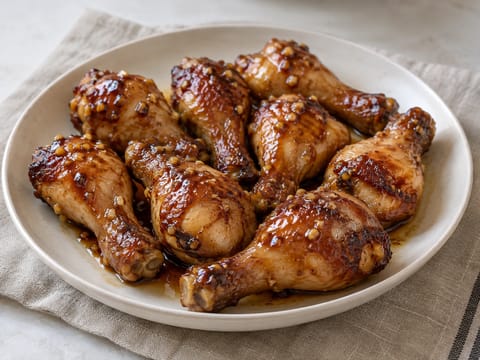
Air-fried drumsticks coated in a sticky honey garlic glaze.
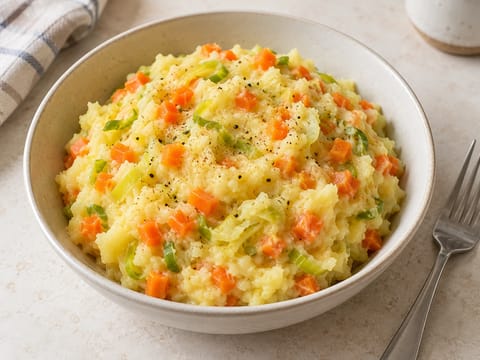
Mashed potatoes with carrots and leeks, enriched with butter
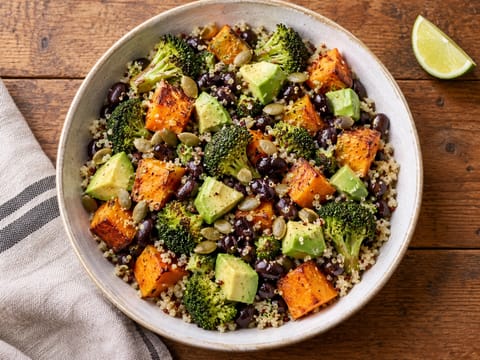
Quinoa bowl with sweet potato, broccoli, black beans and avocado
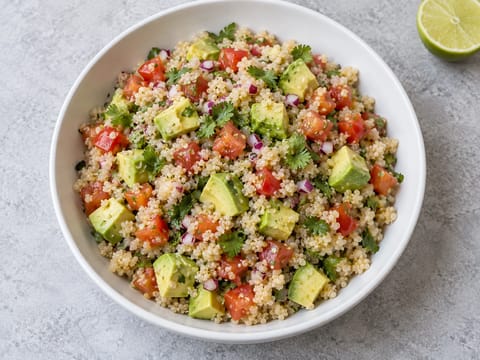
Quinoa salad with avocado, tomato, red onion and lime
No. Wheat is the most common source, but barley and rye contain gluten too, and their derivatives can show up in malted products and some flavourings.
Oats do not naturally contain gluten, but they can be affected by cross-contact during growing and processing. If you need to avoid gluten strictly, treat oats as an ingredient that requires careful label checking.
Not necessarily. Gluten can appear in coatings, thickened sauces and packaged ingredients such as stocks, seasonings and condiments, depending on the brand and formulation.
It depends on the recipe. Gluten provides structure and elasticity, so a straight swap may work for some batters and crumb coatings, but yeasted breads and stretchy doughs usually need a blend and a binder to mimic gluten’s behaviour.
That depends on the level of avoidance required. In many kitchens, shared toasters, boards, sieves and wooden utensils are common sources of cross-contact, so it is worth thinking through your set-up.
Gluten is a clear signal to pause and read the ingredient list closely, especially where packaged items are involved. Once you know the likely sources, it becomes easier to decide whether to avoid, substitute or choose a recipe written for gluten-free cooking.
