
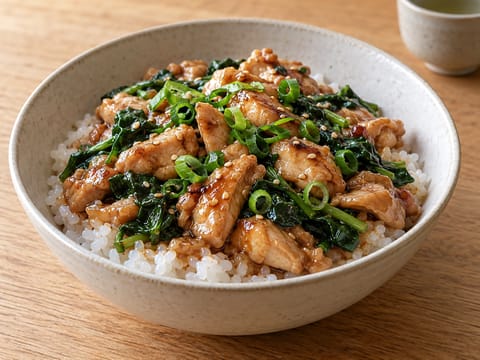
Japanese Chicken Rice Bowl with Soy, Mirin and Ginger
Chicken rice bowl with soy, mirin, ginger and spinach

Sesame is a small ingredient with a big footprint: it can be a visible topping, a hidden thickener (tahini), or an aromatic oil used sparingly at the end. If you are adapting recipes to avoid sesame, it helps to identify which form is being used and whether it is central to the dish’s flavour or simply a finishing note. This page focuses on the practical checks that matter with sesame, including common ingredient names and the places cross-contact can creep in.
This label covers recipes that intentionally include sesame in any of its common forms. That includes whole seeds (white, golden or black), toasted sesame seeds, tahini (sesame paste), and sesame oil. Each behaves differently: seeds add crunch and a nutty finish, tahini adds creaminess and a gentle bitterness, and sesame oil is usually used for aroma rather than as the main cooking fat.
Because sesame can be used in small amounts, it is sometimes treated as a garnish or optional flourish. For avoidance, though, small amounts still matter, so it is worth scanning both the main ingredient list and any finishing steps.
Chicken rice bowl with soy, mirin, ginger and spinach
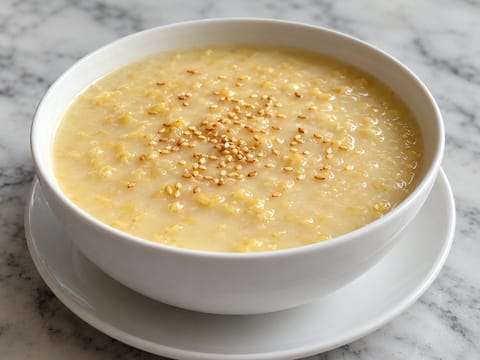
Sweet coconut soup with mung beans and tapioca pearls
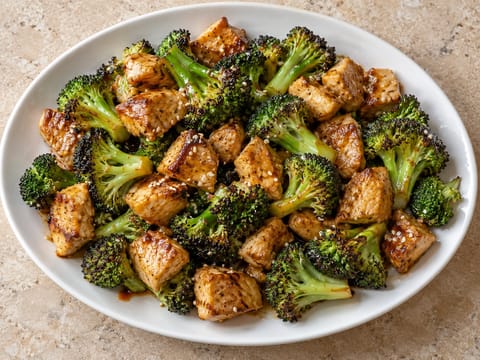
Air-fried chicken and broccoli tossed in a soy glaze.
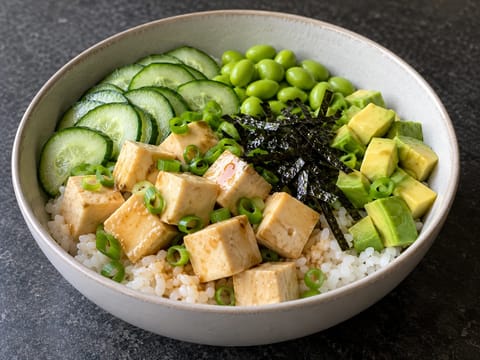
Tofu poke bowl with sushi rice, avocado and edamame.
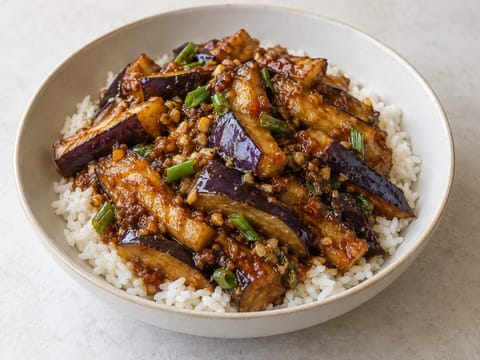
Sichuan-style aubergine with garlic sauce
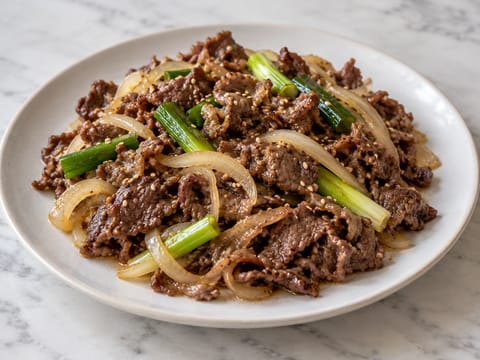
Thinly sliced marinated beef quickly fried with onions
When sesame seeds are sprinkled on top, you can often replace the visual and textural effect with another seed or a crunchy topping that suits the dish. Toasting matters here: toasted seeds taste rounder and more pronounced than raw.
Tahini is a different problem. It thickens sauces and dressings, helps emulsify, and brings a distinctive sesame flavour. Replacing it usually means choosing another creamy element and adjusting acidity, salt and sweetness to rebalance. Sesame oil is typically added at the end, so it is easier to omit, but you may want another aromatic note, such as a different finishing oil, to avoid the dish tasting flat.
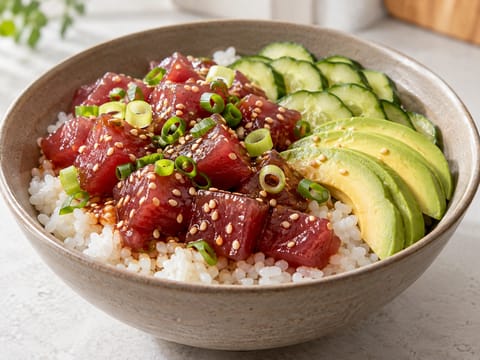
Quick tuna poke bowl with rice, avocado and cucumber.
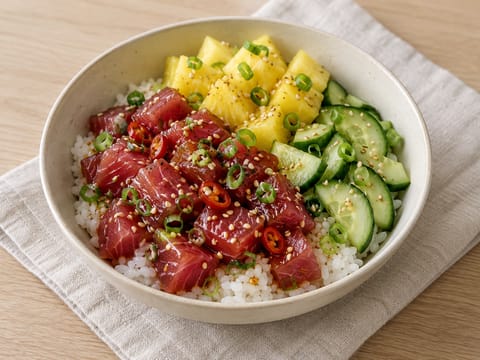
Sushi rice poke bowl with tuna, pineapple and chilli.
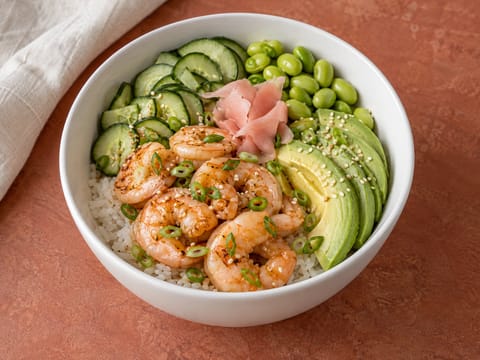
Sushi rice with prawns, avocado and a soy-lime dressing.
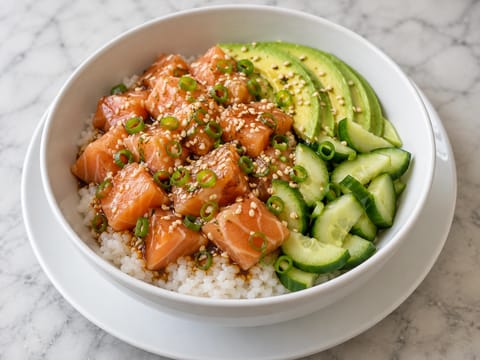
Salmon poke bowl with ponzu, sushi rice, avocado and cucumber.
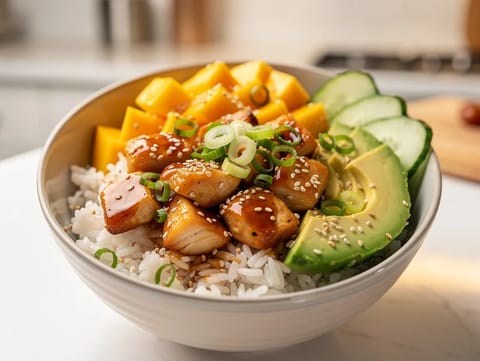
Sushi rice bowl with chicken, mango, and soy dressing.
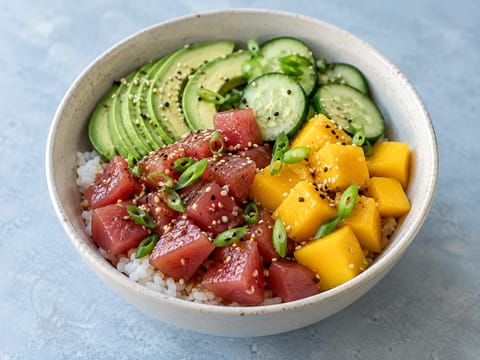
Sushi rice bowl with tuna, mango, and soy dressing.
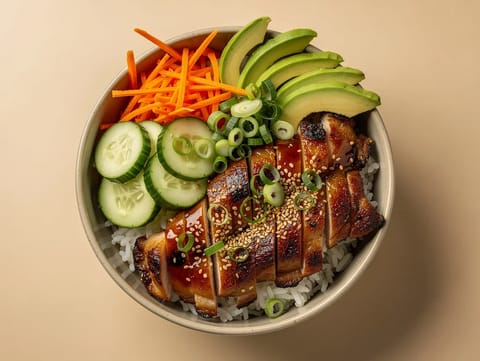
Honey garlic chicken poke bowl with rice, avocado and cucumber.

Chicken and rice bowl with gochujang soy glaze.
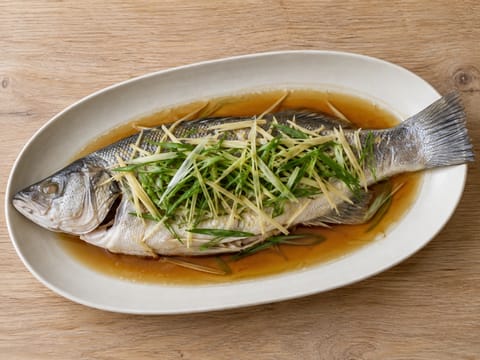
Steamed sea bass with ginger, spring onion and light soy
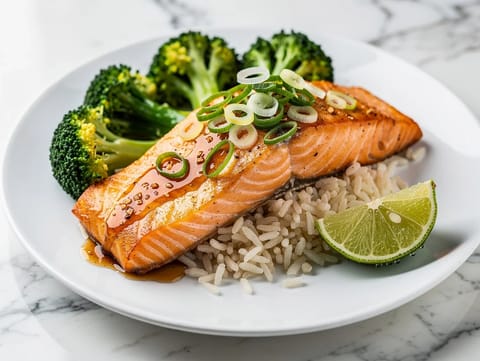
Pan-seared salmon with honey garlic glaze, rice and broccoli
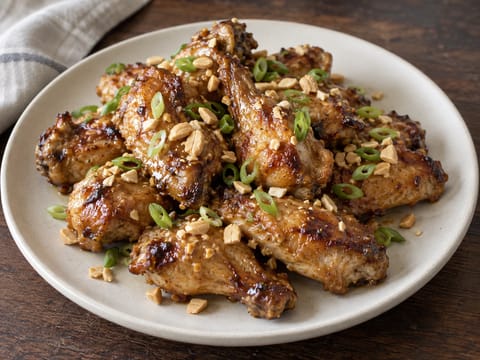
Crisp baked wings in a sticky peanut butter glaze
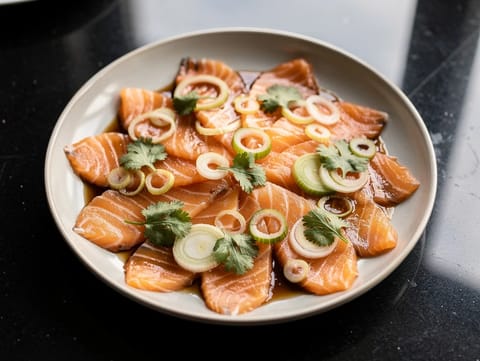
Chilled salmon tiradito with ponzu dressing and sesame oil
If you are avoiding sesame for allergy reasons, treat this label as a browsing aid, not a guarantee. Check packaged ingredients for sesame and for statements about shared equipment. Sesame can appear in spice blends, sauces and prepared dressings, and it is easy to miss when it is listed as tahini or sesame oil.
In the kitchen, pay attention to shared toasters, baking trays and seed containers, where stray seeds can linger and transfer.
Ingredient browsing is useful when you want to replace sesame’s specific role, such as swapping tahini for another creamy base or choosing a different crunchy topping. Diet categories can help when sesame avoidance sits alongside other needs, but careful label reading remains essential for sauces, oils and blends.
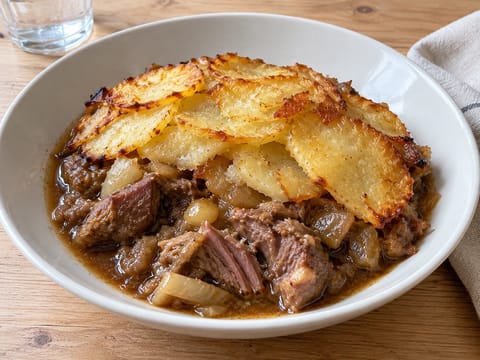
Lamb and onion hotpot with crisp sliced potato topping
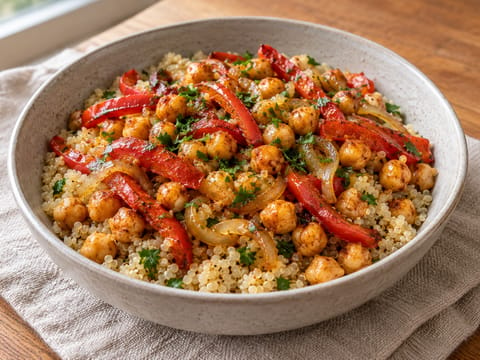
Spanish-style quinoa bowl with chickpeas and red peppers
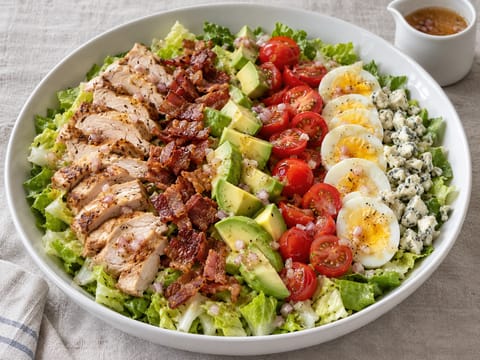
Cobb salad with chicken, bacon, avocado, eggs and blue cheese
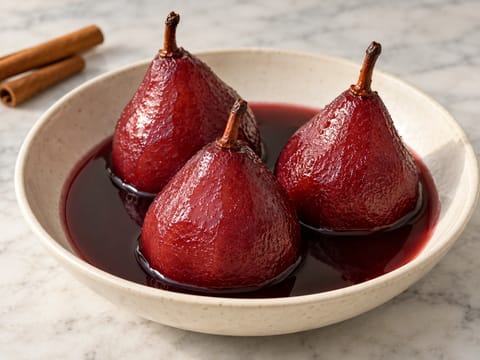
Pears stewed in red wine with cinnamon and cloves
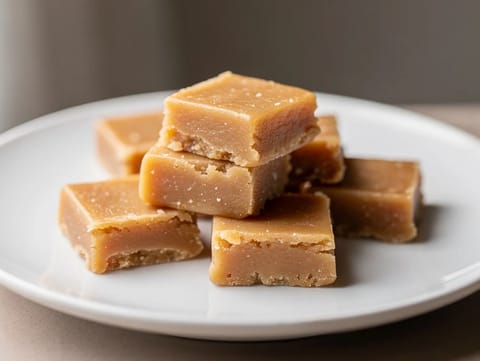
Crumbly Scottish tablet made with butter and condensed milk
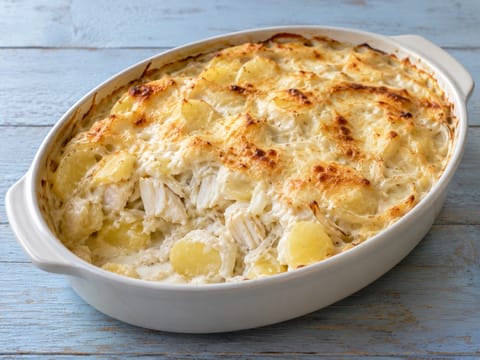
Portuguese baked salt cod and potato casserole in creamy sauce

Thin Nordic gingerbread biscuits with warm spices

Fresh lemon juice drink mixed with sugar syrup and cold water
Tahini is made from sesame seeds, so it counts as sesame. It is often used in sauces and dressings where it adds creaminess and a characteristic flavour.
Not always. Many recipes use sesame oil as a finishing oil for aroma, added at the end. Some use it in cooking, but it is often too strongly flavoured to be the only frying oil.
If sesame is only a garnish, leaving it off mainly changes crunch and appearance. For allergy avoidance, also consider cross-contact from shared trays, utensils and serving surfaces.
Depending on what you can eat, other seeds or crunchy toppings can provide a similar texture. Choose something that suits the dish’s flavour profile.
You usually need another creamy element to provide body and help emulsify. The flavour will change, so expect to adjust lemon, vinegar, salt or sweetener to rebalance.
Look for sesame, tahini, sesame paste and sesame oil. Sesame can also be present in spice blends, sauces and prepared dressings, so check those labels carefully.
With sesame, the smallest ingredients can be the easiest to overlook. Check for seeds, tahini and sesame oil, then decide whether you are replacing crunch, creaminess or aroma. That one decision usually points you towards the most workable substitute.
