
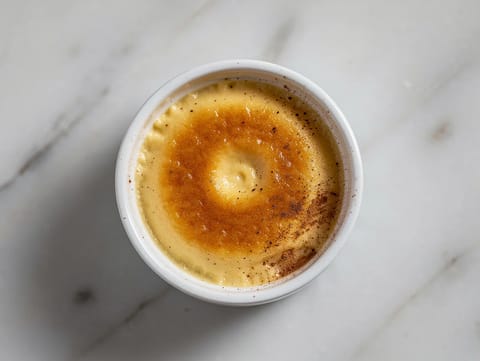
Leche Asada (Chilean Baked Milk Custard)
Chilean baked milk custard with a caramelised browned top
“Easy” in baking usually means fewer steps to manage and fewer moments where timing is critical, not a lack of flavour or celebration. This collection gathers bakes that suit everyday kitchens and busy schedules, including shareable cakes, traybakes, biscuits and simple breads. Expect recipes that rely on straightforward mixing methods, familiar tins and predictable oven behaviour, so you can bake for a gathering or for the tin without needing specialist kit or advanced technique.
Easy baking recipes tend to avoid techniques that demand precision under pressure, such as tempering chocolate, laminated pastry, or multi-stage meringues. Instead, they lean on reliable structures: creamed or all-in-one cakes, oil-based batters, traybakes, drop biscuits and quick breads. These methods are forgiving because the batter is mixed once, baked once, and the result is still good even if it cools on the rack a little longer than planned.
“Easy” also often means decoration is optional. A simple glaze, dusting of sugar, or spooned-on icing can finish a bake without the extra work of layering, levelling and piping. If you are baking for guests, this is a practical advantage: the bake travels and serves cleanly, and you can portion it without fuss.
Chilean baked milk custard with a caramelised browned top
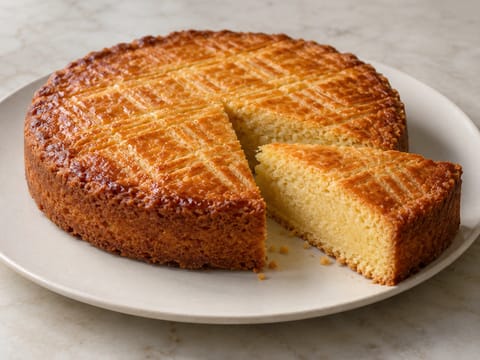
Dense Breton butter cake with vanilla and egg yolks
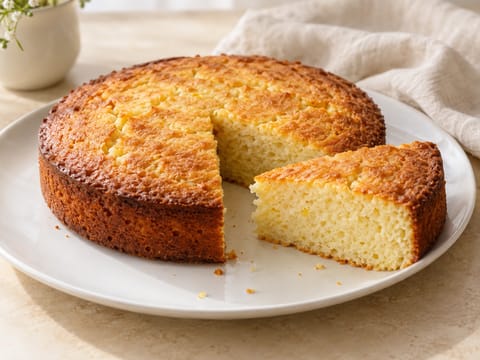
Ricotta and lemon cake with a light, moist crumb
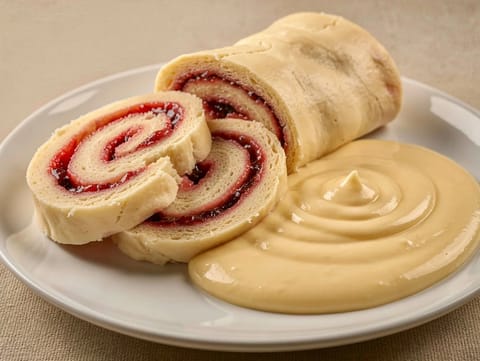
Steamed suet pudding rolled with strawberry jam
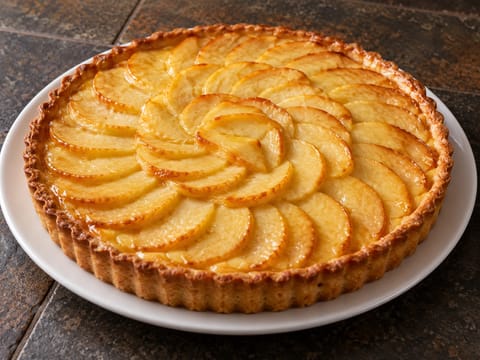
Spanish apple tart with custard and apricot glaze
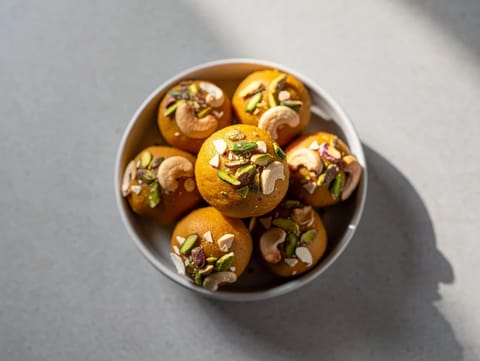
Chickpea flour sweets roasted in ghee and shaped into balls
For the quickest route from bowl to oven, look for stir-and-bake batters. These include many loaf cakes, muffins and traybakes where you combine wet and dry ingredients and stop mixing as soon as the flour disappears. If you prefer a more crumbly texture, rub-in methods are common for scones, crumbles and some biscuits; the key is keeping the fat cool so it stays in small pieces and bakes into tenderness.
If you want bread without a long learning curve, choose recipes that keep shaping simple. Minimal-knead doughs, batter breads and straightforward rolls can be easier to fit around other tasks than intricate braids or enriched doughs that require careful proving. Whatever you pick, read the recipe for “waiting time” as well as hands-on time, since baking often involves cooling before slicing or icing.
Steamed suet pudding rolled with strawberry jam
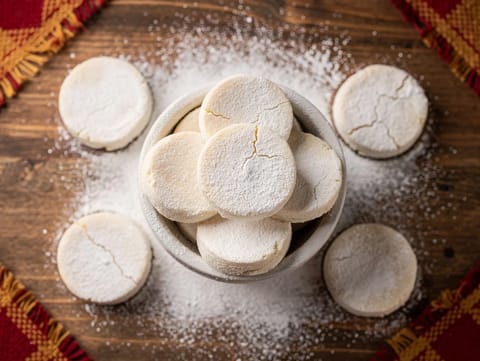
Crumbly Spanish shortbread biscuits with almonds and icing sugar
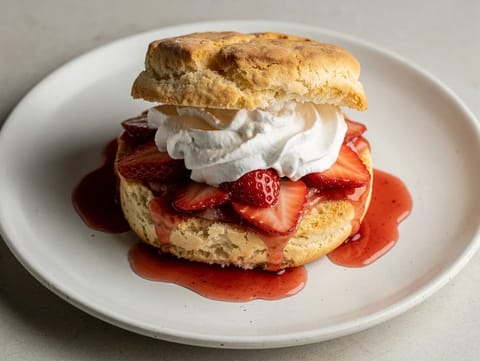
Tender shortcakes with macerated strawberries and whipped cream
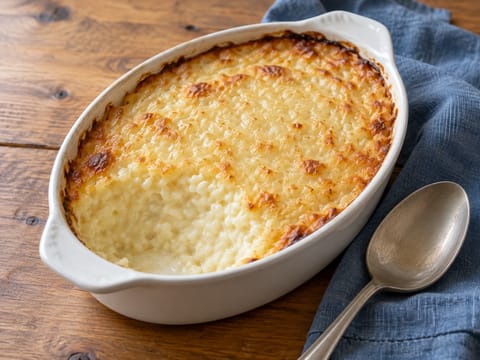
Baked Italian rice pudding flavoured with lemon and vanilla
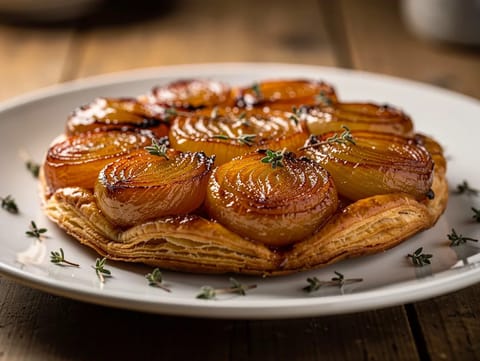
Upside-down puff pastry tart topped with caramelised onions
Ricotta and lemon cake with a light, moist crumb
Chickpea flour sweets roasted in ghee and shaped into balls
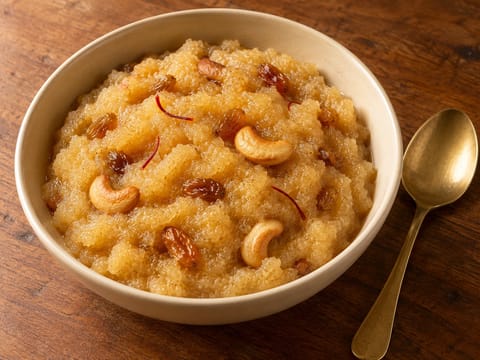
Toasted semolina pudding cooked with ghee, cardamom and sugar syrup
Spanish apple tart with custard and apricot glaze
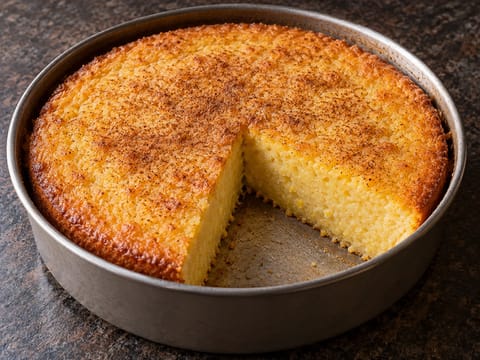
Mexican sweetcorn cake with condensed milk and cinnamon
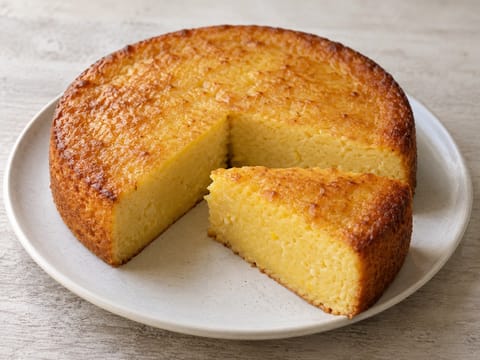
Tender Mexican sweetcorn cake with a soft, custardy crumb
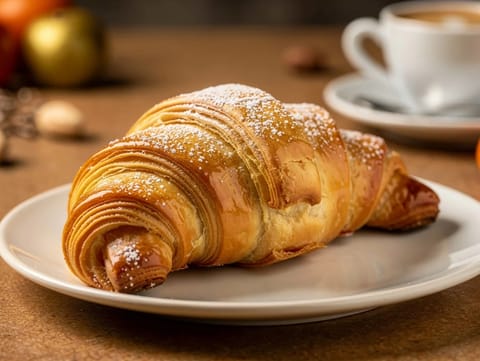
Italian butter cornetti baked golden and finished with icing sugar
For gatherings, bakes that portion neatly are your friend. Traybakes, bars and loaf cakes can be cut into small squares or slices, which makes them flexible alongside fruit, ice cream or coffee. If you are serving a dessert after a meal, consider how sweet and rich the bake is. A dense chocolate bake may need only a small portion, while a lighter sponge can be served more generously.
Think about the order of operations. Many easy bakes can be made earlier in the day and held at room temperature, while a few are best served warm. If you want something warm, choose a bake that reheats gently or one that can be served with a warm sauce rather than relying on coming straight from the oven.
Cooking time is a helpful way to narrow easy baking, because some recipes are quick to mix but need a long bake or cooling period. If you are baking to suit a particular way of eating, browsing by Diet can also help you find bakes that match your needs, while still keeping the method straightforward.
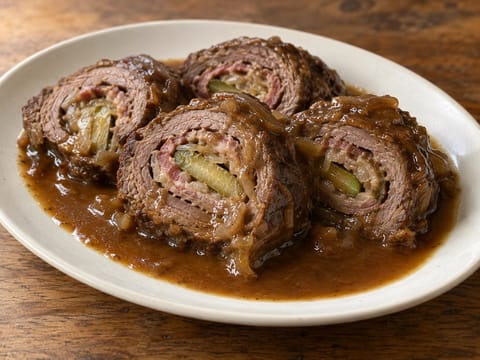
German beef rouladen braised with mustard, bacon, onion and gherkins
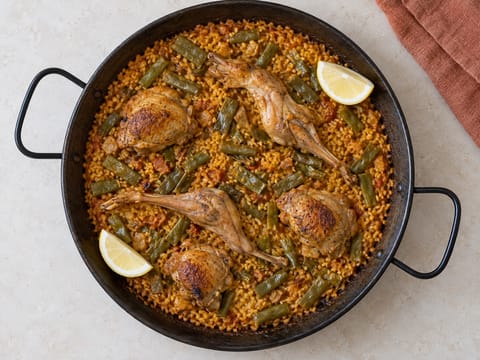
Spanish saffron rice with chicken, rabbit and green beans

Cured salmon with dill, sliced thin and served with mustard sauce
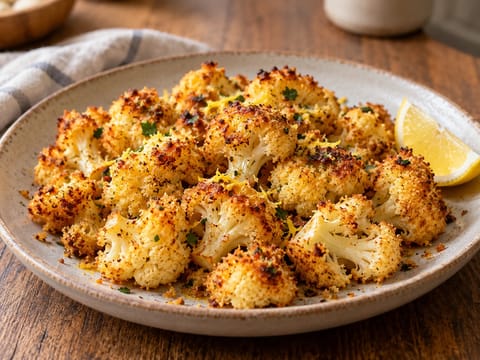
Oven-baked cauliflower with garlic, paprika and breadcrumbs
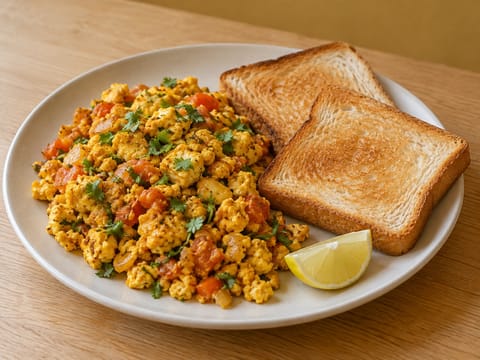
Spiced paneer scramble served with toasted bread and lemon
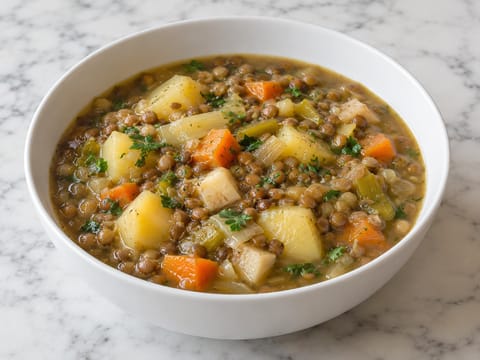
German-style lentil and potato stew with carrots, leeks and herbs
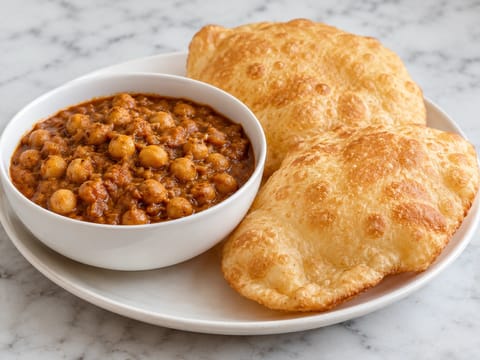
Spiced chickpeas with puffed fried bread made with yoghurt
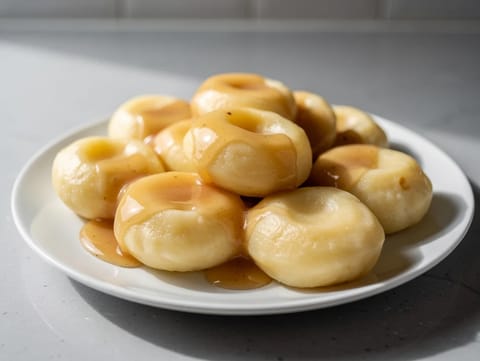
Silesian potato dumplings served with a simple pan gravy
Usually it means fewer steps, familiar equipment, and methods that are forgiving if your timing is not perfect. It does not necessarily mean the bake is fast from start to finish.
Often, yes. Traybakes avoid levelling, filling and stacking, and they tend to bake more evenly. They also portion neatly for sharing.
Not usually. Many easy bakes are designed for a bowl and spoon or a hand whisk. A mixer can speed things up, but it is rarely essential.
Hands-on work can be minimal while the oven does the rest. Cooling time can also be significant, especially if the bake needs to set before slicing or icing.
Mix only until the flour is incorporated. Overmixing can develop gluten and make cakes or muffins tougher, especially in recipes that use the stir-and-bake method.
Loaf cakes, bars, biscuits and traybakes are usually sturdy and easy to pack. Delicate frosted layer cakes and whipped-cream toppings are more prone to damage.
Decide whether you want fewer steps, less decoration, or a bake that holds well for serving later. Once you match the method to your time and confidence, easy baking becomes a dependable part of your routine.
