
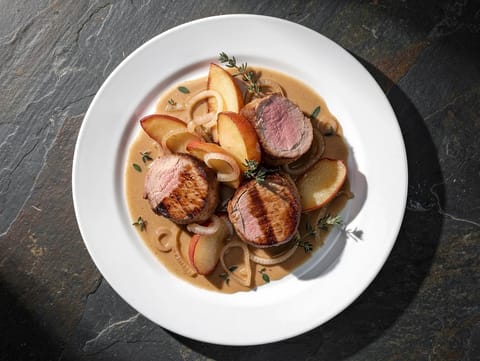
Pork Tenderloin with Apple and Calvados Sauce
Seared pork tenderloin with apples in a creamy Calvados sauce

Family-friendly dinners are less a single style of food and more a way of building the plate. The recipes that work best tend to be easy to portion, forgiving if someone eats later, and flexible enough that heat, herbs or sauces can be adjusted at the table. This collection focuses on dinners you can serve to a mixed household without making separate meals. Use it to plan a main plus one or two sides that cover comfort, vegetables and something filling, while keeping the overall workflow calm.
At dinner, family-friendly often means familiar formats and clear flavours: dishes that are recognisable on sight and do not rely on a single intense note. That does not rule out spice, bitterness or strong cheeses, but it helps when those elements are optional or can be served on the side. Texture is part of the equation too. Crispy coatings, tender pasta, saucy rice dishes and roast vegetables tend to be easy to serve across ages, while very delicate fish or tightly timed dishes can be less forgiving.
It also implies practicality. Recipes that hold well for a short while, reheat without drama, or can be assembled in stages are often easier to fit around homework, shifts and staggered appetites.
Seared pork tenderloin with apples in a creamy Calvados sauce

Crisp pan-fried black bean burgers in toasted buns
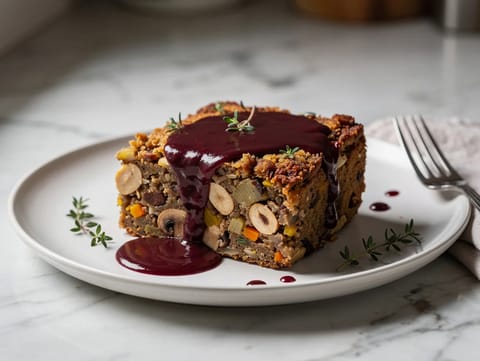
Sliceable nut roast with mushrooms, carrots and red wine gravy
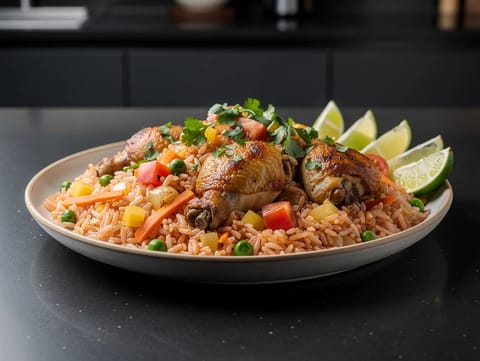
One-pot chicken and rice with tomato, peas and sweetcorn
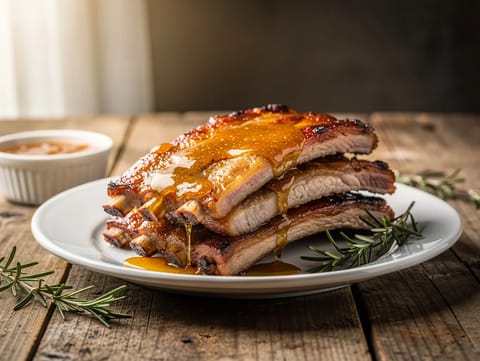
Slow-baked ribs finished with a sticky honey glaze
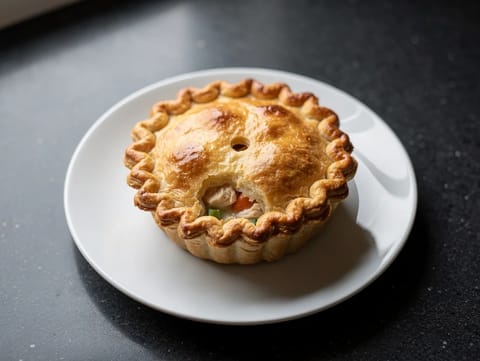
Chicken and vegetables baked under a golden gluten-free pastry lid
If you are feeding different tastes, pick a build-your-own style main: tacos, bowls, baked potatoes, pasta with a sauce plus toppings, or a tray of roasted components. This keeps the cooking centralised while letting everyone finish their plate.
If you need a calmer serve, choose one-pot or oven-to-table dishes such as casseroles, baked pasta or traybakes. They portion neatly and stay warm while you get everyone seated.
For households with varied spice tolerance, look for recipes where heat is added at the end. A chilli oil, hot sauce or peppery garnish can sit alongside a mild base, so the same dinner works for everyone without compromise.
Lemon and herb roast chicken thighs with potatoes and onions cooked on one tray
Slow-roasted lamb served over spiced basmati rice with toasted almonds
Slow-roasted pork belly with apple sauce cooked down with cider vinegar
Hearty vegetarian nut roast with mushrooms and lentils, baked until sliceable
Breadcrumbed smoked mackerel and potato fishcakes, pan-fried and served with tartare sauce
Baby back ribs baked low and slow with a dry rub crust
Paella Valenciana with saffron rice, chicken, rabbit and green beans
Crisp Swedish potato, beef and onion hash served with egg and beetroot
Tender pork shoulder with apple, sage and breadcrumb stuffing, finished with crisp crackling
Baked chicken wings tossed in peanut butter sauce with lime, chilli and peanuts
Dutch potato mash folded with endive and topped with crispy bacon
Macaroni in a whole milk cheese sauce, baked until bubbling and browned
Start with the main, then add two supports: a vegetable side and a filling side. The vegetable side can be as simple as a salad, steamed greens or roasted carrots, but it helps if it has a clear dressing or seasoning so it does not feel like an afterthought. The filling side might be bread, rice, potatoes or pasta, chosen to match the sauce or juices from the main.
Balance also comes from temperature and texture. If the main is soft and saucy, add crunch with a slaw, cucumber salad or toasted topping. If the main is crisp, add something creamy or brothy. Keeping sauces and garnishes separate makes serving smoother and lets each person adjust richness, acidity and heat at the table.
Cooking time is a practical companion when you need dinners that fit a specific evening window, whether that means quick assembly or hands-off oven time. Meal time can also help if you are planning for an earlier family supper versus a later, more relaxed dinner, where holding and reheating matter more.
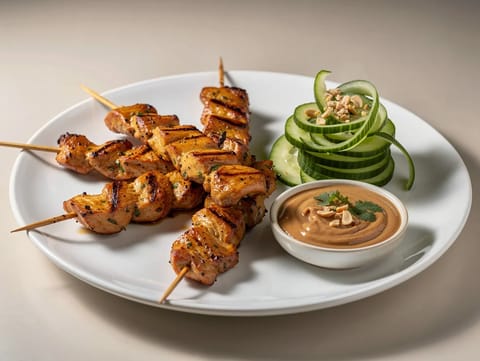
Air-fried chicken satay skewers with coconut marinade and peanut sauce.

Pan-fried Danish pork patties with pickled cucumber
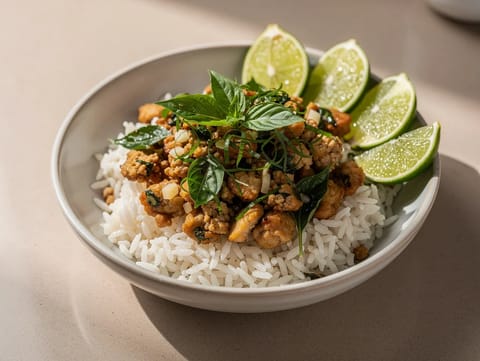
Air-fried Thai basil chicken bites with soy and oyster sauce.

Custard-based vanilla bean ice cream with a smooth, rich texture
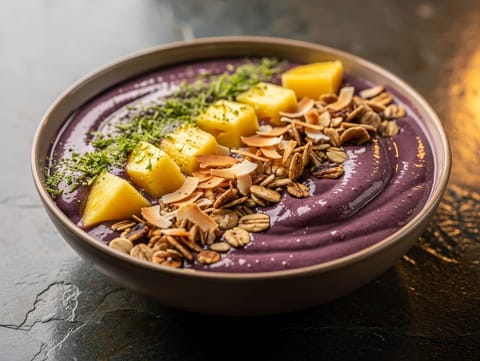
A tropical açaí bowl with mango, coconut and pineapple.
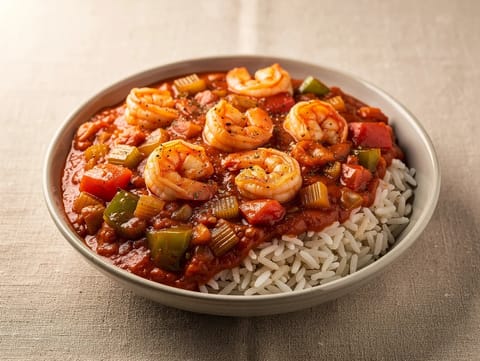
Prawns simmered in spiced tomato sauce, served with rice
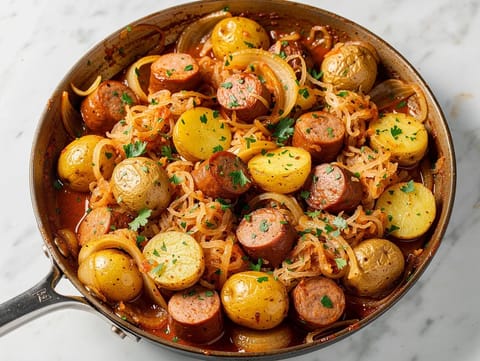
One-pan smoked sausage with potatoes, sauerkraut and paprika
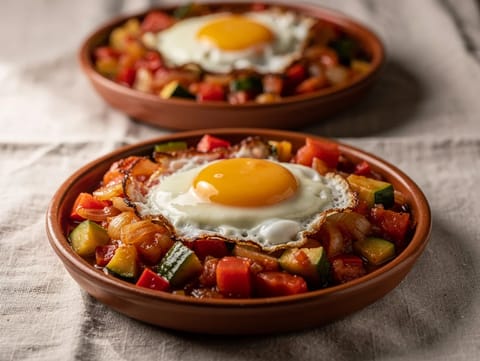
Spanish pisto stew topped with a fried egg
Typically, a dinner that is easy to portion, not overly dependent on one intense flavour, and flexible enough that seasoning, heat or toppings can be adjusted for different eaters.
No. It usually means flavours are clear and adjustable. You can keep the base mild and offer strong elements, such as chilli, herbs, pickles or grated cheese, at the table.
Build-your-own meals and component-style trays work well because people can choose portions and toppings. One-pot and oven dishes are also useful when you want a single serve for everyone.
Plan a vegetable side as part of the meal rather than relying on what is in the main. A dressed salad, roasted vegetables or quick-cooked greens are easy to add without changing the main recipe.
Choose dishes that hold well, such as casseroles, baked pasta, stews or traybakes, and keep sauces and toppings separate so textures stay pleasant when served later.
Pick recipes with forgiving timing and do small prep earlier: chop vegetables, mix a dressing, or set out toppings. The meal will feel calmer even if the cooking itself is simple.
A family dinner works best when the main dish is steady and the finishing touches are optional. Choose one reliable centre, then let sides and toppings provide the variety.
