
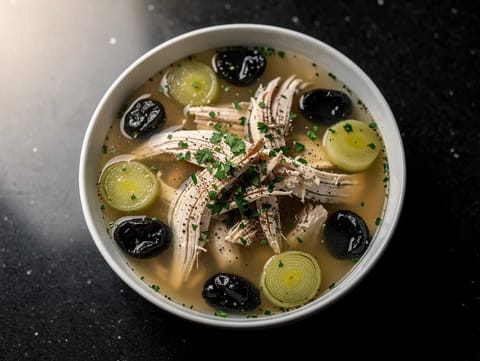
Cock-a-Leekie Soup with Prunes
Chicken and leek soup with prunes in a light broth

Hearty soups and stews are the quiet workhorses of plan-ahead cooking. They are built to be cooked in one pot, to hold well, and to taste deeper after the flavours have had time to settle. This collection brings together warming bowls that can stand as a meal, whether they are brothy and full of vegetables or thickened and spoon-coating.
Use these recipes when you want food that suits colder days, feeds a table without last-minute juggling, and gives you a sensible base for sides like bread, rice or a simple salad.
The line between soup and stew is not fixed, but it is helpful when you are choosing what to cook. Soups are usually more liquid, designed to be sipped or spooned with ease, and often finished with garnishes that add contrast. Stews are thicker, with ingredients that sit in the sauce rather than float in it, and they tend to be served with something to mop up or to stretch the pot.
“Hearty” points to substance. That might mean chunks of vegetables, beans or lentils, pieces of meat, or a starchy element such as potatoes, pasta or grains. It does not automatically mean heavy or creamy, but it does suggest a bowl that can replace a main course rather than act as a starter.
Chicken and leek soup with prunes in a light broth
Thick split pea soup simmered with smoked pork, potatoes, celeriac and herbs
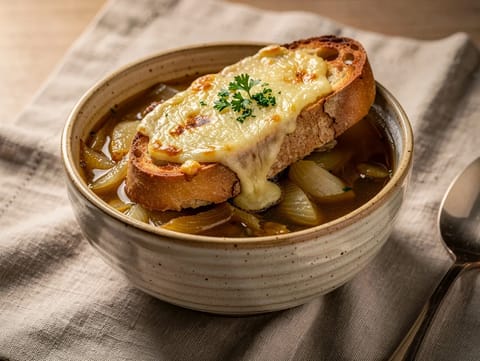
Caramelised onion soup topped with a Gruyère crouton
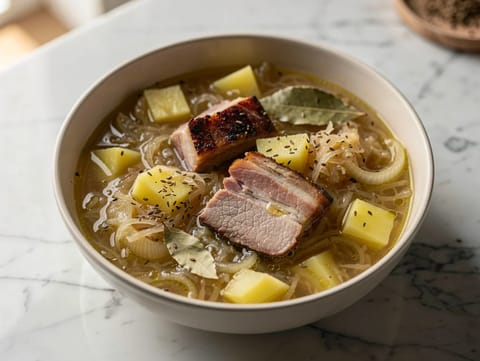
Tangy sauerkraut soup with smoked pork and potatoes
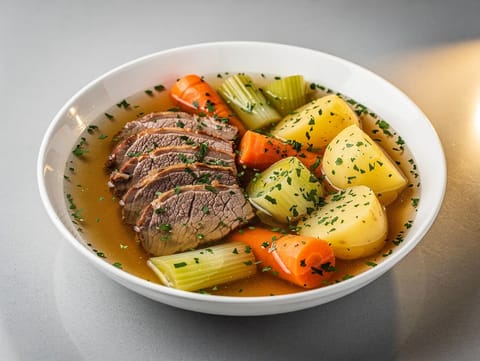
French simmered beef with vegetables in a clear broth
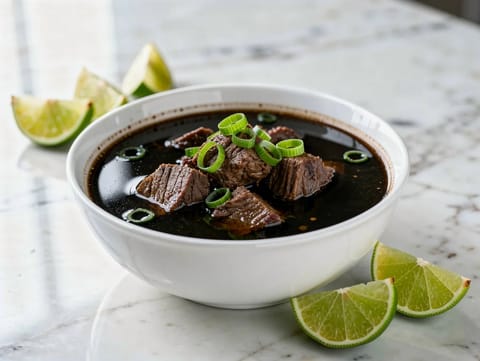
Black beef soup flavoured with keluak
If you want a lighter feel with plenty of flavour, choose brothy soups where the richness comes from aromatics, spices, tomatoes or slow-simmered stock. These are often finished with herbs, citrus, chilli oil or yoghurt for contrast.
For a more filling bowl, look for stews and thick soups that rely on natural thickening. Potatoes, beans, lentils and long-simmered onions can give body without needing much cream. Some recipes thicken by blending a portion of the pot, which keeps the flavour intact while changing the texture.
For plan-ahead cooking, consider how the main ingredients behave over time. Pasta and some vegetables soften as they sit, while beans, lentils and slow-cooked meats generally hold their structure better. Garnishes and crunchy toppings are best added at serving.
Black beef soup flavoured with keluak
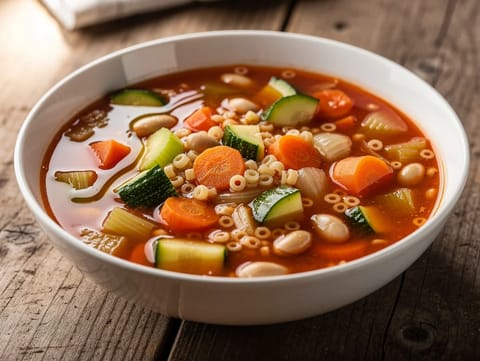
Italian minestrone with vegetables, cannellini beans and small pasta
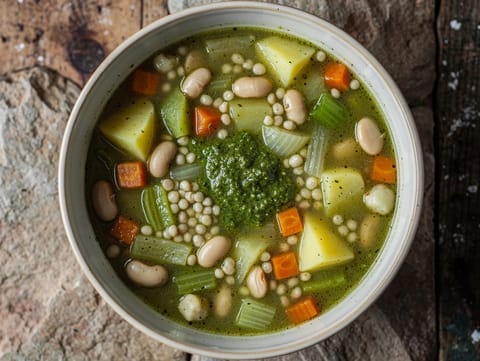
Vegetable, bean and pasta soup finished with basil pesto
Thick split pea soup simmered with smoked pork, potatoes, celeriac and herbs
Tender tripe simmered in beef stock with root vegetables and roux
Hearty lamb soup simmered with carrots, swede, potatoes, barley, leeks and thyme
Tender oxtail soup simmered with garlic, ginger, cloves and cinnamon, served with lime
Hearty kapuśniak soup with sauerkraut, pork ribs, potatoes and warming spices
Żurek is sour rye soup with sausage, garlic, marjoram and sour cream
Split pea soup with smoked ham hock, carrots and onions, served with crusty bread
Marmitako is tuna and potato stew simmered with peppers, onion and tomato.
Chilean cazuela stew simmered with beef, potatoes, pumpkin, sweetcorn and coriander
A hearty soup or stew often needs only one supporting element, chosen for contrast. Bread, flatbreads or toast bring crunch and make brothy soups feel more substantial. Rice, couscous or other grains can turn a lighter soup into a fuller meal, but they also absorb liquid, so it helps to serve them separately if you want leftovers to stay brothy.
If the pot is rich or thick, a sharp side can keep the meal from feeling monotonous. A simple salad with a tangy dressing, quick-pickled vegetables, or a spoonful of something spicy can do the job without adding extra cooking.
For serving a group, soups and stews are naturally scalable. The main decision is whether to offer toppings and sides as a help-yourself spread, which lets everyone adjust heat, acidity and texture.
Cooking time is a natural next step for soups and stews, since some are quick simmer-and-serve while others reward a longer, slower pot. If you are planning around preferences, Diet can help you find versions built around beans, vegetables, meat or dairy without assuming every hearty bowl fits the same pattern.

Banana bread smoothie bowl with yoghurt, oats, cinnamon and walnuts.
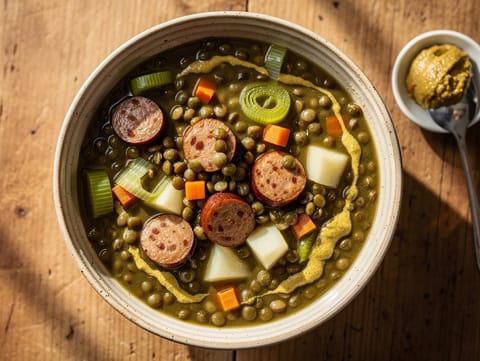
Dutch lentil stew with smoked sausage and vegetables

Crisp fried chicken served with waffles and maple syrup
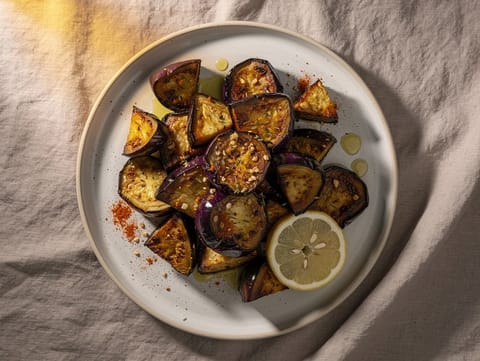
Air fried aubergine with smoked paprika, garlic and lemon.
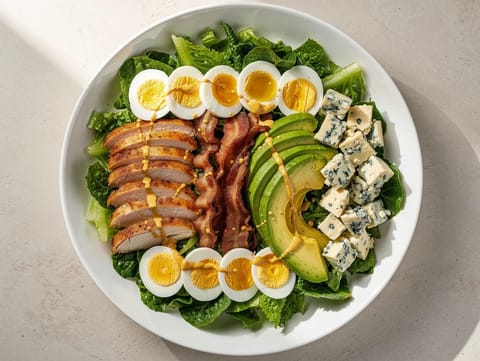
Composed salad with chicken, bacon, egg, avocado and blue cheese
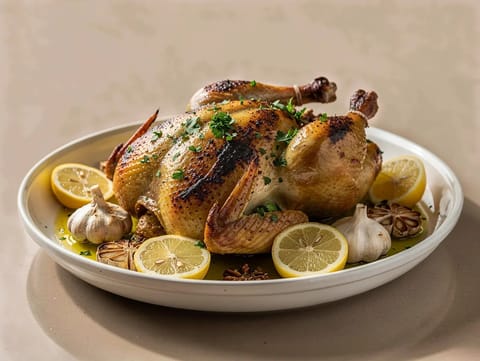
Roast chicken marinated with lemon, garlic and olive oil
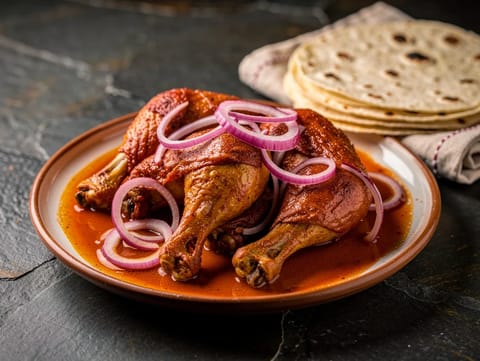
Achiote-roasted chicken thighs with orange and red onion
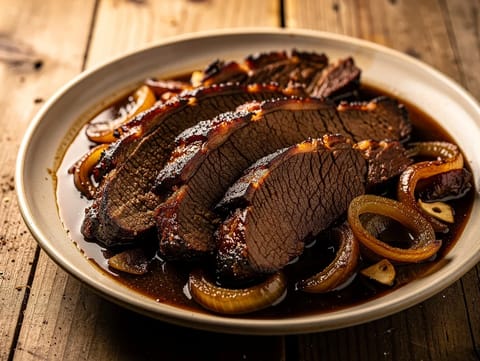
Venezuelan braised beef in a dark coffee and onion sauce
Usually it is the amount of substance in the bowl: plenty of vegetables, pulses, meat or a starchy element, plus a texture that feels filling rather than purely brothy.
No. A soup can be hearty and still brothy if it contains enough vegetables, beans, noodles or other filling ingredients.
As they cool and rest, flavours mingle and seasonings distribute more evenly. Some ingredients also release more savouriness into the liquid over time.
Common approaches include using potatoes, beans or lentils, simmering uncovered to reduce, or blending a small portion of the pot and stirring it back in.
Bread and flatbreads are classic for mopping up. For contrast, a sharp salad or pickled vegetables can brighten a rich pot.
Often, yes. Many hold well and reheat easily, though delicate vegetables and pasta can soften, so they may be better added later or cooked separately.
Decide first whether you want a brothy bowl with bright finishes or a thick, spoon-coating stew. Then think about what will happen as it sits, especially if you are cooking ahead. A simple topping or side is usually all you need to make the meal feel complete.
