
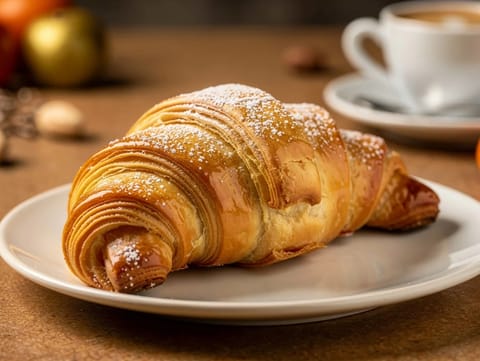
Cornetto al Burro (Italian Butter Croissant)
Italian butter cornetti baked golden and finished with icing sugar
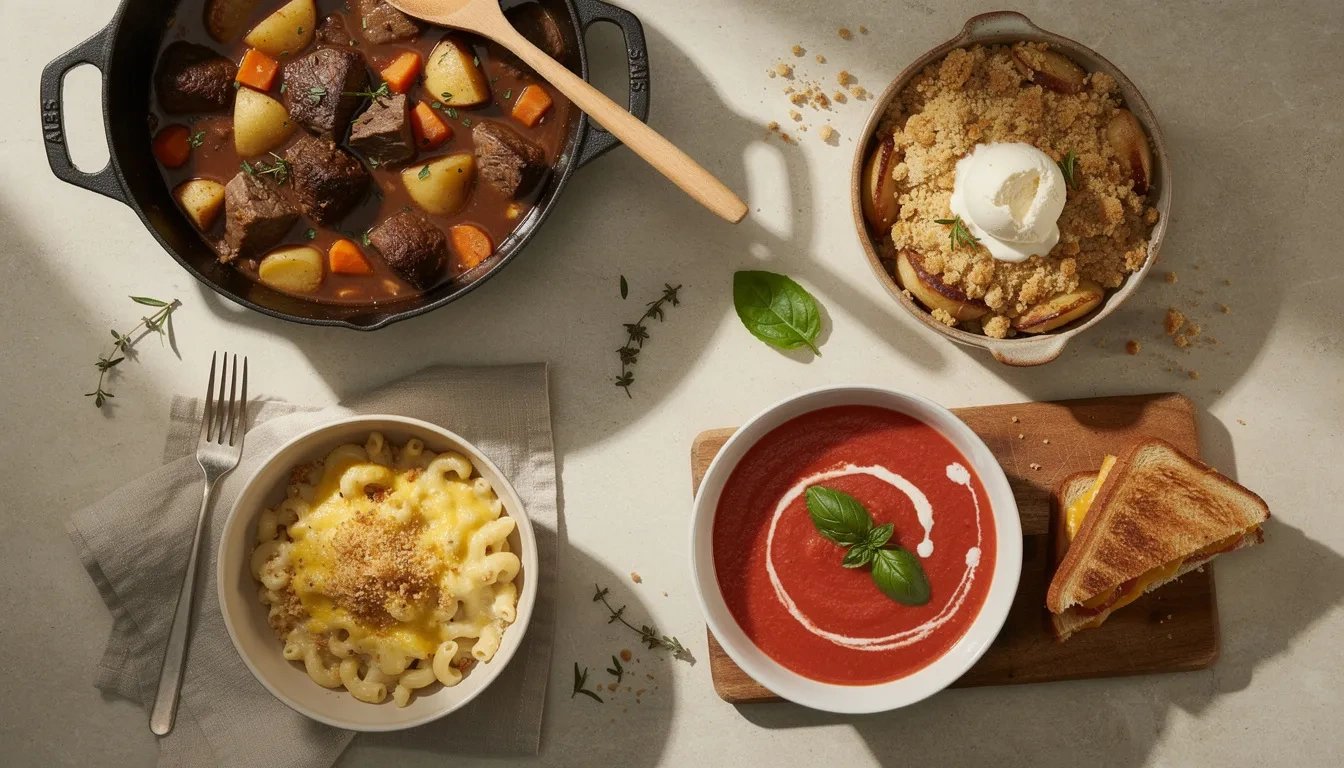
Italian-style dinners often feel effortless because the work can be staged: a sauce simmered earlier, vegetables roasted ahead, a salad dressed at the last minute. This collection leans into that rhythm, with recipes that suit relaxed serving and straightforward timing. Whether you are making pasta, a baked dish or a simple pan-cooked main, the same principles apply: season confidently, keep textures distinct, and use acidity, herbs and bitter greens to stop rich flavours from feeling heavy.
Italian cooking is frequently organised around a few clear elements rather than lots of competing flavours. A sauce might be tomato-forward, creamy, or based on olive oil, garlic and anchovy, and it is usually supported by good seasoning and careful cooking rather than a long list of spices. Texture matters: pasta should be sauced so it stays glossy, not swimming; vegetables are often cooked until sweet or lightly charred; and cheese is used for salt, richness and aroma. Many dishes are designed to be served in courses, but the same components can be combined into a single, satisfying plate.
Italian butter cornetti baked golden and finished with icing sugar
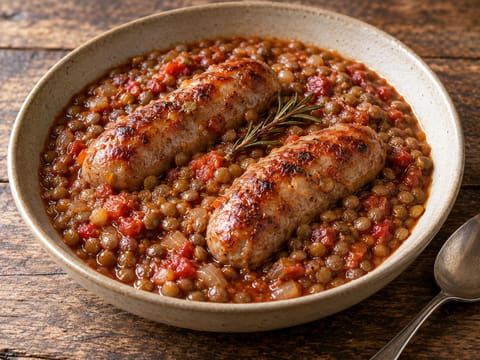
Italian sausages simmered with green lentils and tomato
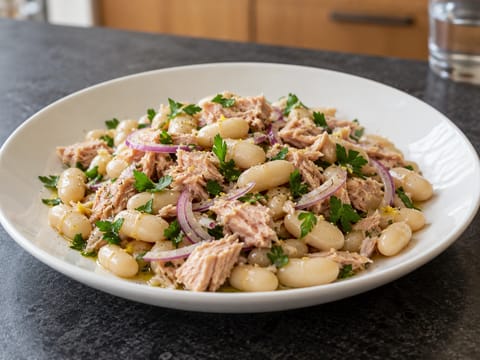
Tuna and cannellini bean salad with lemon and olive oil
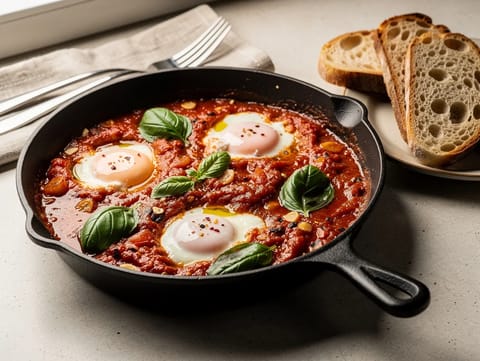
Eggs poached in garlicky tomato sauce with chilli and basil
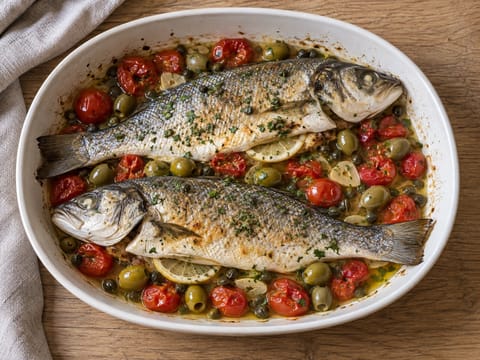
Baked sea bass with olives, capers and cherry tomatoes
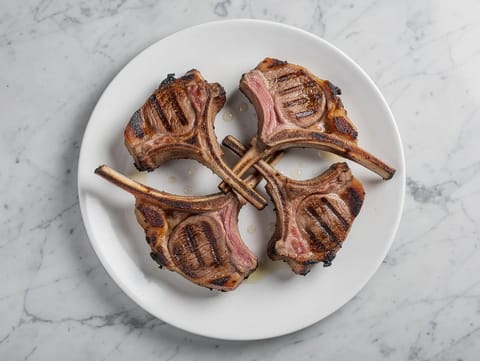
Grilled lamb cutlets with rosemary, garlic and lemon
For the quickest serving, pasta with a sauce you can make while the water boils is hard to beat, especially when the sauce relies on pantry staples and a finishing handful of herbs or cheese. Baked dishes, such as pasta al forno or layered vegetable bakes, suit prep-ahead cooking because they reheat and portion neatly, and they welcome a crisp salad alongside. Pan-to-table mains, like chicken, fish or aubergine cooked with lemon, capers or tomatoes, are useful when you want something lighter than a bake but still substantial. If you are feeding a group, choose one centrepiece and keep the rest simple.
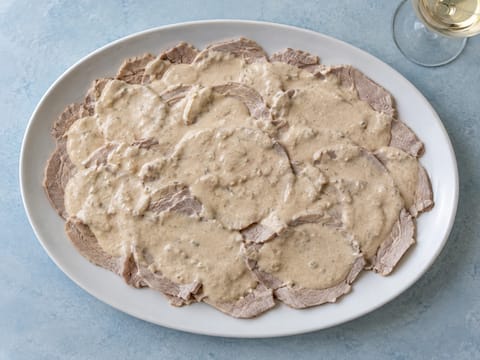
Chilled veal topped with creamy tuna and caper sauce
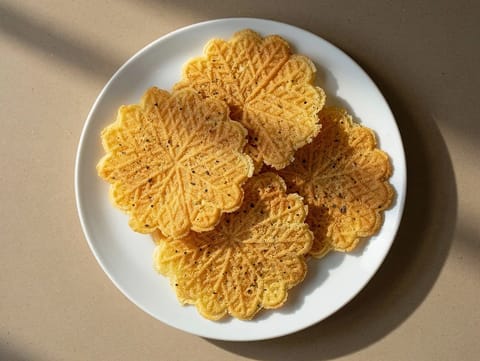
Thin Italian waffle biscuits with anise and lemon zest
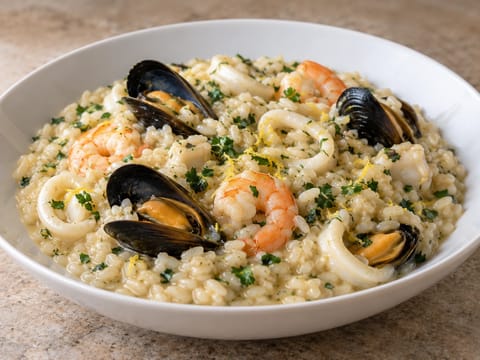
Creamy seafood risotto with prawns, mussels, squid and lemon
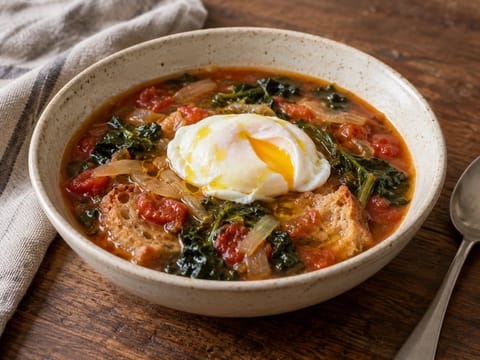
Tuscan vegetable soup with bread and a poached egg
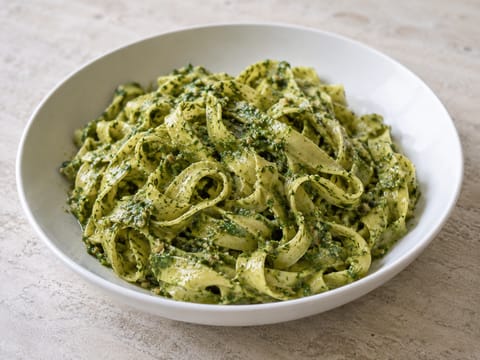
Pasta with rocket and walnut pesto
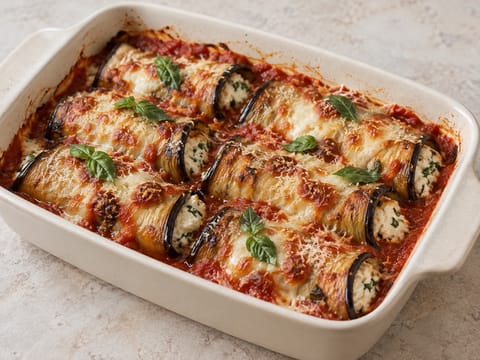
Baked aubergine rolls with ricotta, basil and tomato passata
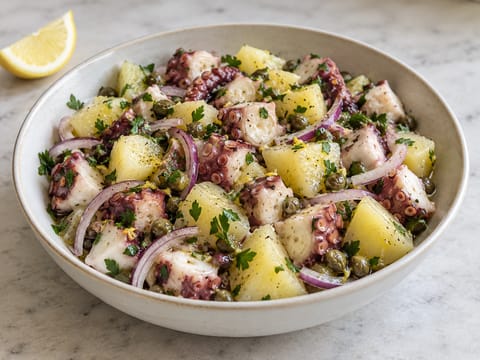
Octopus and potato salad with lemon and capers
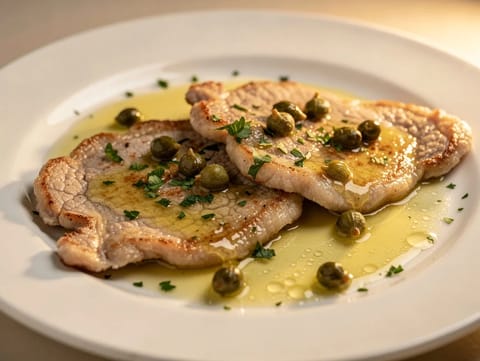
Pan-fried veal in a lemon, white wine and caper sauce
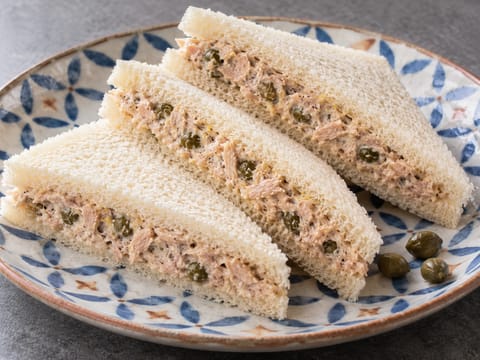
Soft tuna and caper sandwiches with mayonnaise and lemon
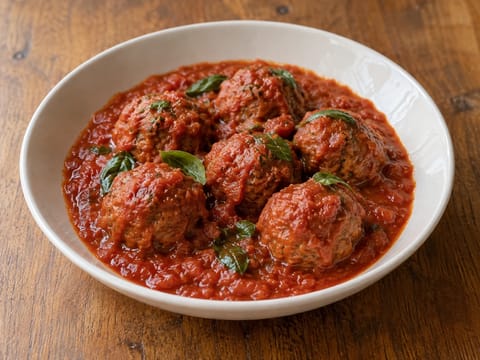
Italian beef and pork meatballs simmered in tomato and basil sauce
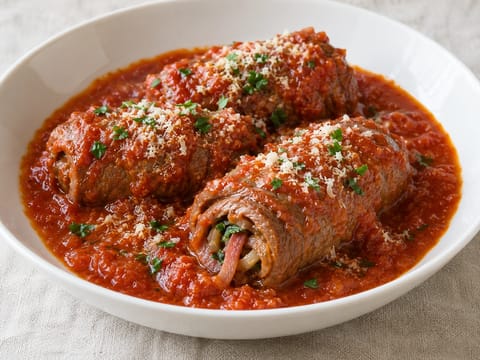
Stuffed beef rolls in tomato sauce
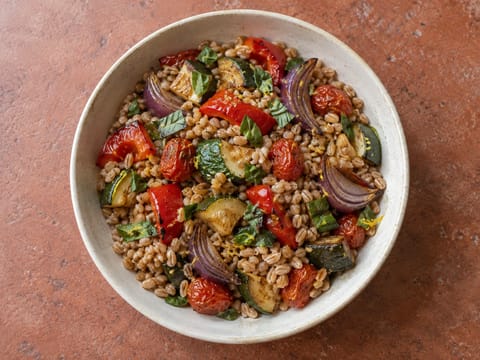
Farro tossed with roasted vegetables, lemon and basil
Italian dinners are often made by the sides as much as the main. A bitter leaf salad, a bowl of dressed tomatoes, or sautéed greens with garlic can balance a rich ragù or cheesy bake. Bread plays a practical role too, whether it is for mopping sauce or turning a simple soup into dinner. Finishing touches are usually small but decisive: a squeeze of lemon, a drizzle of good olive oil, cracked pepper, or a shower of Parmigiano-Reggiano. These last-minute additions are also where you can adjust salt and acidity without reworking the whole dish.
Cooking time is useful here because Italian-style dinners range from fast pasta sauces to slow-simmered ragù and long bakes. Occasion can help if you are deciding whether you want an everyday bowl of comfort or something that suits a more leisurely, guest-friendly table.
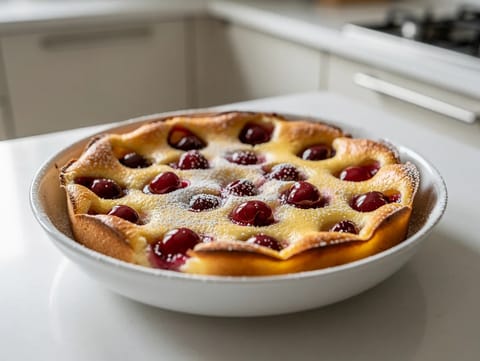
Baked cherry custard made with a simple vanilla batter
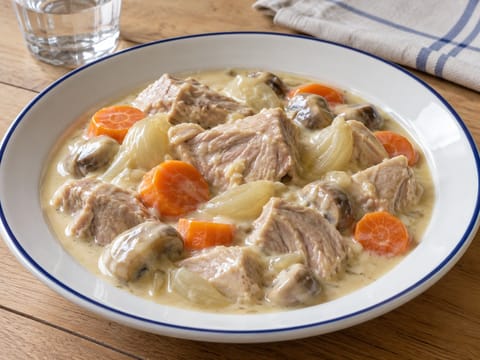
Creamy veal stew with mushrooms, carrots and a velvety sauce

Bengali rice crêpes filled with coconut and jaggery
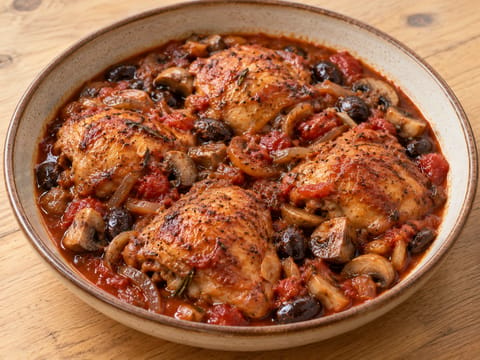
Chicken stew with tomatoes, red wine, mushrooms and olives

Choux pastry gougères with Gruyère and diced ham
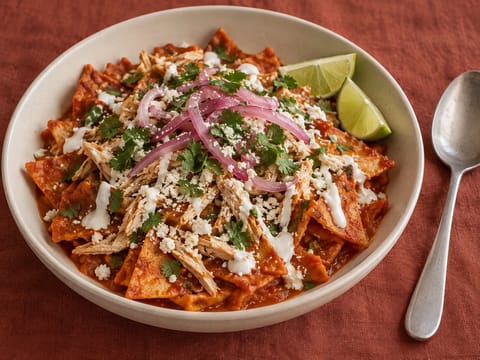
Tortilla chips in tomato chilli sauce with shredded chicken
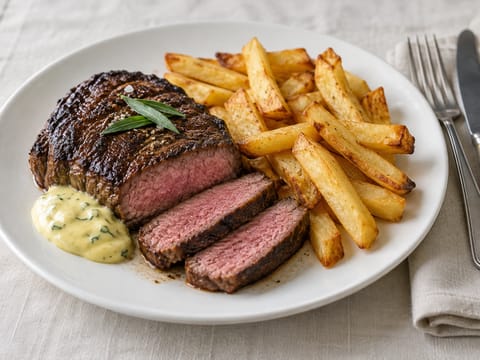
Rump steak with oven chips and warm béarnaise
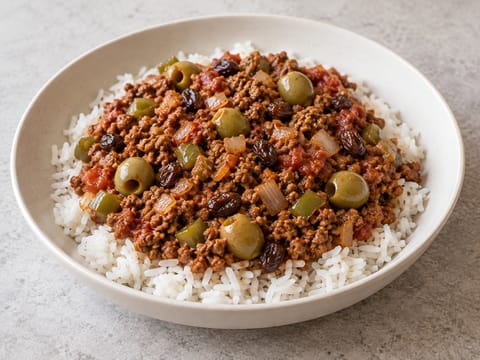
Cuban minced beef with tomatoes, olives and raisins over rice
No. Pasta is common, but Italian-style dinners can centre on soup, a baked vegetable dish, or a simple main with greens and bread. The structure is flexible.
Pasta that is cooked through but still has a slight firmness at the centre. It matters because pasta continues to soften once it is mixed with hot sauce.
Give it time to simmer so the raw edge cooks off, and make sure it is properly salted. A little fat, such as olive oil, can round the flavour; sweetness is not always necessary.
Add acidity and freshness at the end: lemon, vinegar in a salad, or herbs. Serve with greens or a crisp salad rather than another starchy side.
Often, yes. Sauces, roasted vegetables and many baked dishes can be made earlier, then finished or reheated close to serving so textures stay appealing.
Pick a main format, do any slow cooking earlier, and keep one fresh element for the last minute. That balance is what makes Italian-style dinners feel both comforting and clear.
