
Steak Frites with Béarnaise Sauce
Why this recipe works
- Classic béarnaise method: A reduced base of vinegar, shallot and tarragon gives the sauce acidity and herbal depth before the butter is emulsified in.
- Crisp, tender and glossy: Golden chips, seared steak and a smooth warm sauce give the dish its recognisable brasserie-style contrast.
- Separate cooking for control: Baking the chips, whisking the sauce and searing the steak as separate elements makes it easier to get each part right.
Get the most out of this recipe
Timing notes
- Serve without delay: Steak frites is best served as soon as the steak has rested, while the chips are still crisp and the béarnaise is warm.
- Rest the steak: A short rest helps the juices settle and gives you a useful window to finish the sauce and chips.
Common mistakes
- Overheating the béarnaise: Keep the bowl over barely simmering water and lift it off the heat if the yolks thicken too quickly or start to look grainy.
- Adding butter too fast: Whisk the warm butter in gradually so the sauce has time to emulsify and turn glossy rather than split.
- Crowding the chips: Give the potatoes space on the hot tray; if they sit too closely together, they steam instead of crisping.
Ingredient notes
- Use fresh tarragon if possible: Fresh tarragon gives béarnaise its distinctive aniseed aroma and a cleaner herbal finish than dried.
- Rump steak works well: Rump has a good balance of beefy flavour and firmness, making it well suited to a quick sear and a rich sauce.
- Balance the sharpness: White wine vinegar gives the sauce a clear tang; champagne vinegar makes the acidity slightly softer.
Authenticity notes
- Brasserie-style serving: Steak frites is strongly associated with French brasserie cooking: a simple steak, crisp chips and a classic sauce served hot.
- Why béarnaise fits: Béarnaise is a traditional partner for steak because its butteriness, acidity and tarragon cut through the richness of the meat.
Equipment you'll need
Ingredients
Chips and steak
Béarnaise sauce
Instructions
- Heat the oven to 220°C (430°F) and put a baking tray in to heat. Cut the potatoes into chips about 1 cm thick, then rinse briefly and pat very dry.
- Toss the chips with the olive oil and 1 tsp of the fine sea salt. Carefully spread on the hot tray in a single layer and bake for 30 to 35 minutes, turning once, until deeply golden and crisp.
- While the chips bake, finely chop the shallot and pick the tarragon leaves; finely chop most of the leaves and keep a few for finishing. Put the shallot, white wine vinegar and tarragon stems (if you have them) in a small saucepan and simmer until reduced to about 2 tbsp, then strain into a heatproof bowl and cool for 2 minutes.
- Melt the unsalted butter in the same saucepan over low heat until just melted and warm, not browned. Keep it on the lowest heat so it stays liquid.
- Set the bowl with the vinegar reduction over a pan of barely simmering water, making sure the bowl does not touch the water. Whisk in the egg yolks and Dijon mustard, then whisk constantly until thickened to a light ribbon, 3 to 5 minutes.
- Very slowly whisk in the warm melted butter in a thin stream until the sauce is glossy and thick enough to coat a spoon. Stir in the chopped tarragon, then taste and adjust with a pinch more fine sea salt if needed; keep the sauce warm off the heat.
- Season the steaks all over with the remaining fine sea salt and the black pepper. Heat a large frying pan over medium-high heat, then sear the steaks for 2 to 4 minutes per side (depending on thickness) until well browned and cooked to your liking.
- Rest the steaks on a warm plate for 5 minutes. Serve with the hot chips and spoon the warm béarnaise over or alongside, finishing with the reserved tarragon.
Recipe notes
Tips
- For the crispest chips, make sure the potatoes are thoroughly dry before tossing with olive oil, and do not overcrowd the tray.
- Keep the béarnaise gentle: if the bowl gets too hot and the yolks start to look grainy, take it off the heat and whisk in 1 tsp cold water to bring it back together.
- If you are pregnant, elderly, or immunocompromised, use pasteurised egg yolk for the béarnaise.
Substitutions
- Replace Dijon mustard with whole-grain mustard for a coarser, more rustic sauce.
- Replace white wine vinegar with champagne vinegar for a slightly softer acidity.
Storage
- Refrigerate up to 2 days
- Best eaten straight away. Store leftover steak and chips separately in the fridge; reheat steak gently in a 160°C (320°F) oven until warmed through, and re-crisp chips on a hot tray at 220°C (430°F). Béarnaise does not reheat well; keep chilled and use cold as a sandwich spread within 24 hours.
Ratings & reviews
Liked this recipe? Share your feedback to support our cooking community.
Tried this recipe?
Choose 1–5 stars. A comment is optional.
Stay inspired
Discover new recipes, seasonal favourites and cooking inspiration every day. Follow JustRecipes on Pinterest and Spillt.
Recipe overview
- Servings: 2 servings
- Total time: 55min (40min active)
- Difficulty: Advanced
- Cuisine: French
-
Allergens:
Eggs Milk
Plan your meals and get a complete grocery list automatically.
Add to meal plannerEquipment you'll need
Got ingredients left?
Find recipes using ingredients from this recipe or what you already have at home.
Find recipes with these ingredients →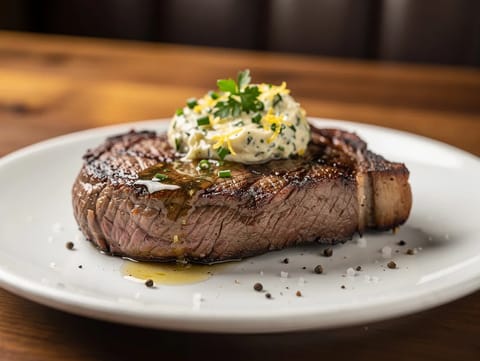
Pan-Seared Ribeye Steak with Garlic Herb Butter
Pan-seared ribeye topped with garlic herb butter
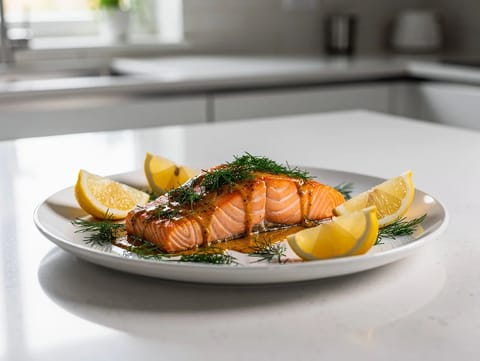
Nordic Glazed Salmon with Mustard, Honey and Dill
Baked salmon with honey mustard and dill glaze
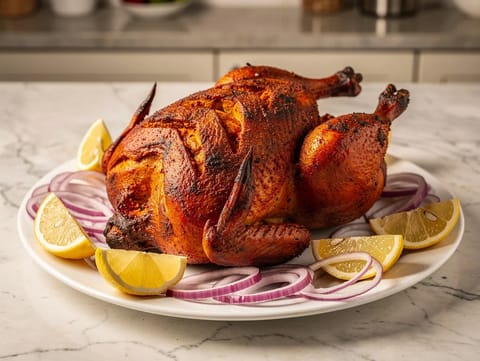
Tandoori Whole Roast Chicken
Whole roast chicken in a yoghurt tandoori marinade
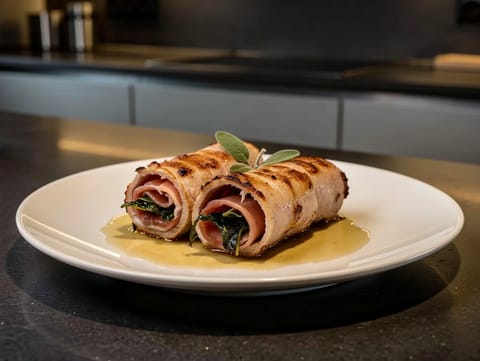
Involtini di Vitello (Veal Rolls with Prosciutto and Sage)
Veal rolls with prosciutto, sage and white wine juices
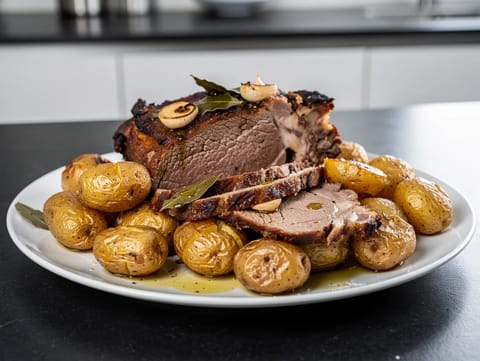
Borrego no Forno (Portuguese Roast Lamb with Potatoes)
Roast lamb with potatoes cooked in the same pan
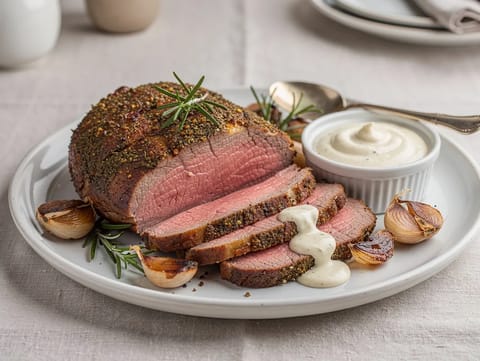
Roast Beef with Creamy Horseradish Sauce
Roast beef with creamy horseradish and crème fraîche sauce
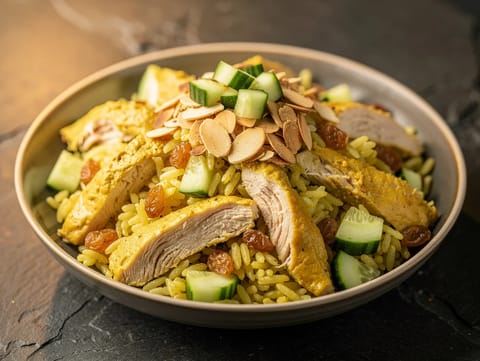
Coronation Chicken Rice Salad
Chilled coronation chicken rice salad with mango chutney
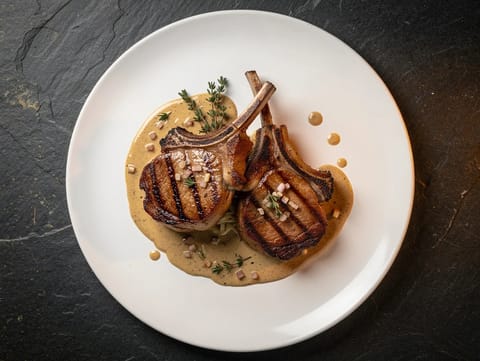
Grilled Côte de Porc with Dijon Mustard Sauce
Grilled pork chops served with a Dijon mustard and shallot sauce
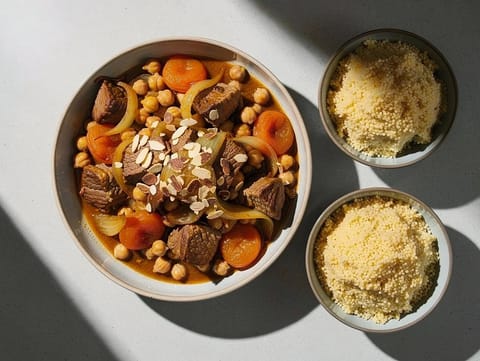
Lamb Tagine with Apricots and Chickpeas
Lamb tagine with apricots, chickpeas and warm spices
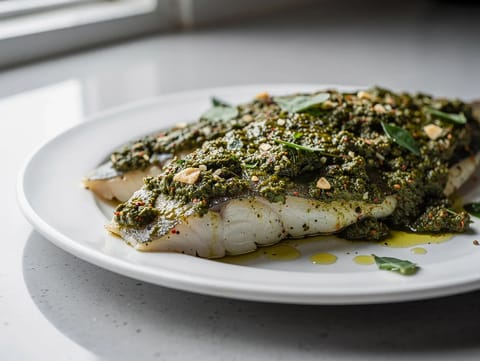
Chermoula Fish
Baked white fish topped with chermoula coriander and spices
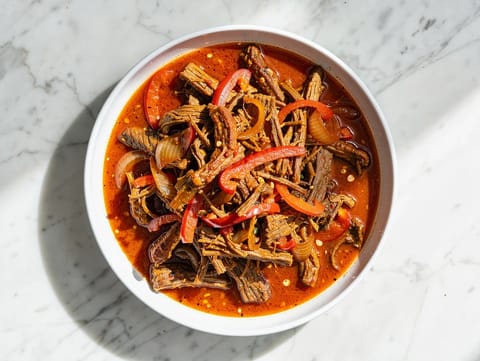
Ropa Vieja (Shredded Beef in Tomato and Pepper Sauce)
Shredded beef brisket simmered in tomato, pepper and cumin sauce
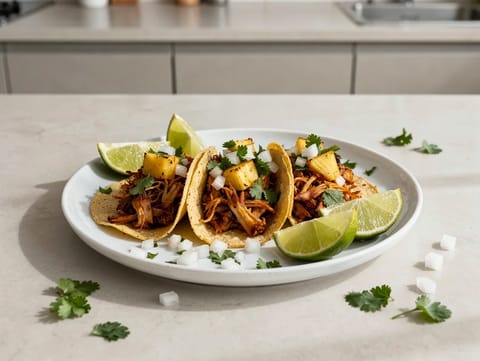
Vegan Jackfruit Tacos al Pastor
Jackfruit tacos al pastor with pineapple, onion and lime
Grilled Côte de Porc with Dijon Mustard Sauce
Grilled pork chops served with a Dijon mustard and shallot sauce
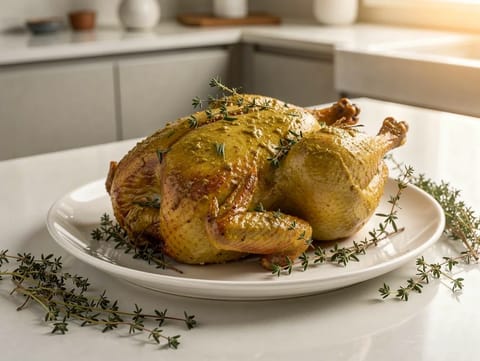
Poulet Rôti à la Moutarde (Roast Chicken with Dijon Mustard)
Roast chicken coated with Dijon mustard, thyme, garlic and shallots
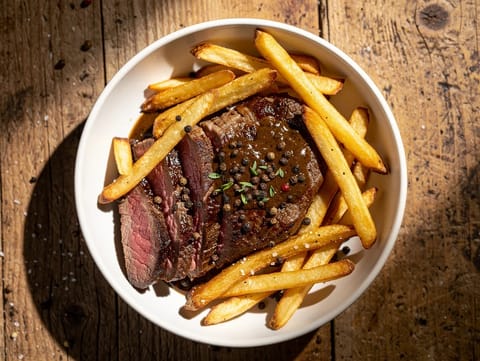
Steak au Poivre with Pommes Frites
Pepper-crusted steak with cognac cream sauce and pommes frites
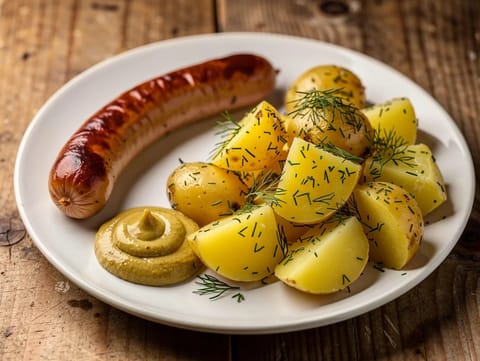
Isterband with Dill Potatoes (Smoked Sausage with Potatoes)
Smoked sausage served with dill potatoes and mustard
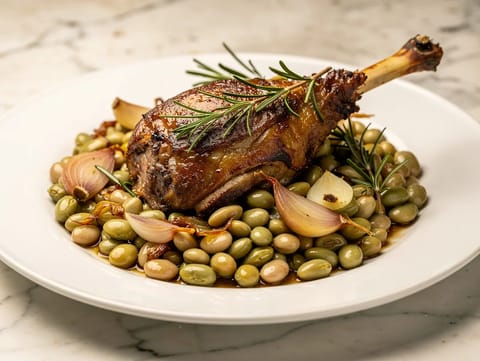
Gigot d’Agneau Rôti (Roast Leg of Lamb) with Flageolet Beans
Roast leg of lamb with flageolet beans and rosemary
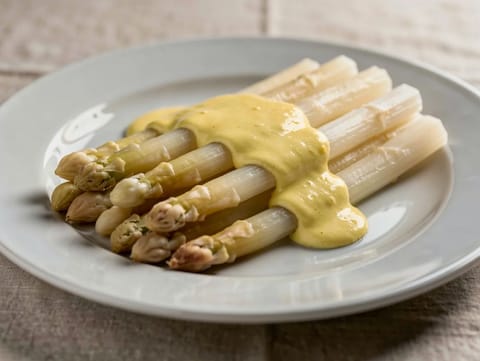
Spargel mit Hollandaise (White Asparagus with Hollandaise Sauce)
Boiled white asparagus served with classic lemony hollandaise sauce
You might also like
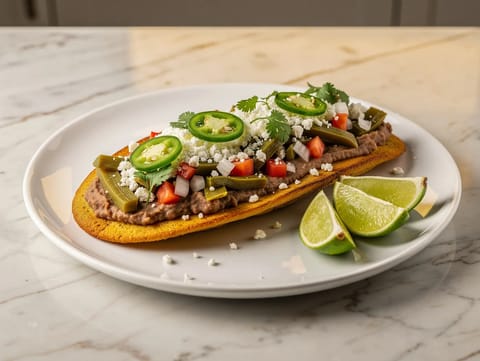
Huaraches de Frijoles con Nopales (Masa Cakes with Beans and Cactus)
Griddled masa cakes topped with beans and nopales
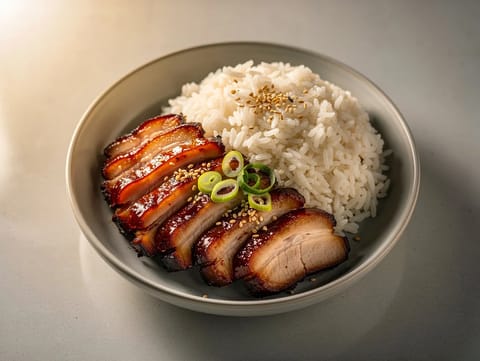
Char Siu Pork with Steamed Rice
Sticky roasted char siu pork served with steamed rice
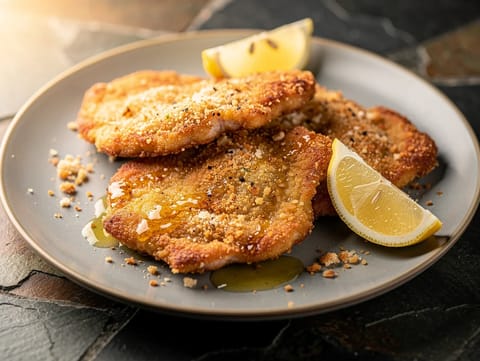
Air Fryer Breaded Pork Cutlets
Breaded pork cutlets air-fried until crisp, served with lemon.
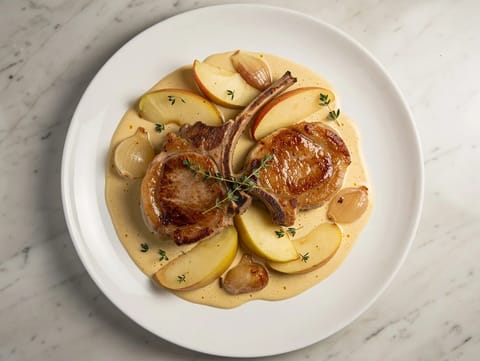
Côte de Porc Normande (Pork Chop with Apples and Cream)
Pork chops with apples in a creamy cider sauce
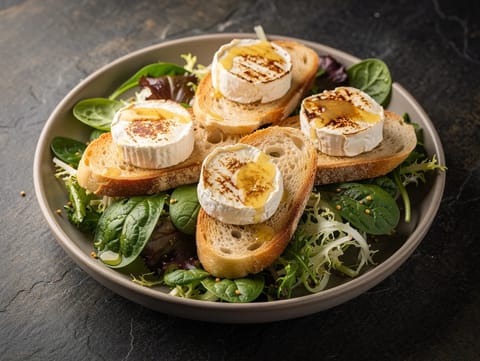
Salade de Chèvre Chaud (Warm Goat’s Cheese Salad)
Leafy salad with warm goat’s cheese on toasted baguette
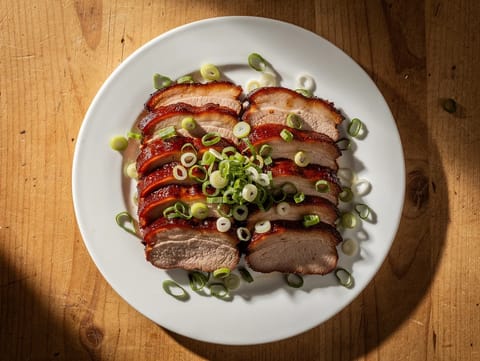
Char Siu Pork (Chinese BBQ Pork)
Roasted char siu pork with a glossy hoisin and honey glaze
Make this recipe easier next time
AdvertisementThese tools help you get better results with less effort.
Misen Carbon Steel Nonstick Frying Pan 12 Inch
- Works on all stovetops
- Naturally nonstick when seasoned
- Requires seasoning and maintenance
Pyrex Glass Mixing Bowls with Lids
- Microwave safe
- BPA-free lids
- Glass is heavier
All-Clad Tri-Ply Stainless Steel Saucepan
- Excellent heat control
- Premium build quality
- Expensive
KitchenAid Stainless Steel Mixing Bowls
- Non-slip base
- Stainless steel
- Not microwave safe
Enjoy cooking with JustRecipes?
Add JustRecipes as one of your preferred Google sources to discover our recipes more easily across Google Search.
Add JustRecipes to GoogleEvery recipe on JustRecipes follows the same structured editorial process. Learn how recipes are created, validated, translated, illustrated, and continuously improved across the platform. How we create recipes.
