
Char Siu Pork with Steamed Rice
Why this recipe works
- Layered marinade: Hoisin, soy, honey, ginger, garlic and five-spice give the pork sweetness, savoury depth and warm aromatics.
- Lacquered finish: Roasting at a higher heat first encourages caramelisation before gentler roasting finishes the pork through.
- Built for rice bowls: The sliced pork, glossy pan juices and steamed jasmine rice work together as a complete, balanced bowl.
Get the most out of this recipe
Timing notes
- Marinating matters: Even a short marinate helps the pork take on colour and flavour; turn the strips well so the glaze coats every surface.
- Rest before slicing: Letting the pork rest keeps the juices in the meat and makes it easier to cut clean slices.
- Serve while glossy: Char siu is at its best soon after roasting, when the glaze is still shiny and the pan juices are loose enough to spoon over.
Ingredient notes
- Choose pork shoulder: Boneless pork shoulder has enough fat and structure to stay tender during roasting while still developing caramelised edges.
- Shaoxing wine: Shaoxing wine adds a rounded, aromatic savouriness to the marinade; water works as a simpler substitute if needed.
- Five-spice character: Chinese five-spice is central to the recognisable char siu flavour, bringing warmth, sweetness and gentle aniseed notes.
Common mistakes
- Watch the glaze: Honey and sugar can catch at the edges, so keep an eye on the pork during the final roast and baste rather than letting the surface dry out.
- Do not over-roast: Use a thermometer and remove the pork once the thickest part reaches the target temperature to avoid a dry finish.
- Check the centre: The glaze may look ready before the pork is cooked through, so check the thickest part rather than judging by colour alone.
Make-ahead tips
- Good for meal prep: Cool the pork and rice quickly, then store them separately so the rice stays fluffy and the pork keeps its glaze.
- Reheat gently: Warm the pork with a little pan juice or water to loosen the glaze, and reheat the rice covered until steaming.
- Freeze the pork: Sliced pork freezes well with its juices; defrost overnight in the fridge before reheating.
Equipment you'll need
Ingredients
Instructions
- Peel and finely grate the ginger, then crush the garlic. In a mixing bowl, whisk together the hoisin sauce, honey, light soy sauce, Shaoxing Cooking Wine, sesame oil, Chinese five spice and caster sugar.
- Cut the pork shoulder into 2 long strips so it roasts evenly and takes on more glaze. Add the pork to the marinade and turn well to coat. Cover and marinate for 30 minutes at room temperature.
- Heat the oven to 220°C (430°F). Set the pork in a roasting pan and pour over any remaining marinade. Roast for 15 minutes to start the caramelisation.
- Reduce the oven to 200°C (390°F). Roast for 25 to 30 minutes more, turning and basting twice, until sticky and lacquered and the thickest part reaches 70°C (160°F). Rest the pork for 10 minutes, then slice.
- While the pork rests, rinse the jasmine rice in cold water until the water runs mostly clear. Put the rice and water in a saucepan, bring to the boil, then cover and cook on the lowest heat for 12 minutes. Take off the heat and leave covered for 10 minutes, then fluff with a fork.
- Spoon the rice into bowls and top with the sliced char siu pork. Tip any pan juices into a small bowl and spoon over the pork and rice. Serve straight away while the glaze is still glossy.
Recipe notes
Tips
- For a deeper glaze, baste the pork every 10 minutes during the final roasting stage, keeping an eye on the edges so the honey does not catch.
- If the pan juices look too thick, stir in 1 to 2 tbsp water off the heat to loosen them before spooning over.
- If serving anyone who is pregnant, elderly, or immunocompromised, cook the pork to 75°C (165°F) for extra safety.
Substitutions
- Replace Pork shoulder with Pork tenderloin for a leaner result; start checking for doneness after 18 to 20 minutes at 200°C (390°F) to avoid drying out.
- Replace Honey with Caster sugar, increasing the caster sugar to 4 tsp total; the glaze will be slightly less glossy but still sticky.
- Replace Shaoxing Cooking Wine with Water; the flavour will be a little less aromatic but the marinade will still work.
Storage
- Refrigerate up to 3 days
- Cool the pork and rice quickly, then refrigerate in separate airtight containers. Reheat the pork in a 180°C (355°F) oven with a spoonful of pan juices or water until piping hot, and reheat the rice in the microwave with a splash of water, covered, until steaming. Freeze sliced pork (with juices) for up to 2 months; defrost overnight in the fridge before reheating.
Ratings & reviews
Liked this recipe? Share your feedback to support our cooking community.
Tried this recipe?
Choose 1–5 stars. A comment is optional.
Stay inspired
Discover new recipes, seasonal favourites and cooking inspiration every day. Follow JustRecipes on Pinterest and Spillt.

Recipe overview
- Servings: 3 servings
- Total time: 1h 35min (20min active)
- Difficulty: Medium
- Cuisine: Chinese
-
Allergens:
Sesame Soybeans
Plan your meals and get a complete grocery list automatically.
Add to meal plannerEquipment you'll need
Got ingredients left?
Find recipes using ingredients from this recipe or what you already have at home.
Find recipes with these ingredients →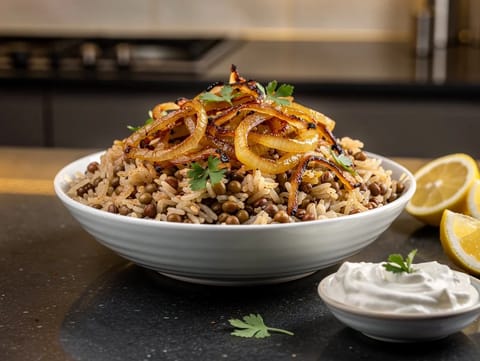
Mujaddara (Lentils and Rice with Caramelised Onions)
Lentils and rice topped with caramelised onions
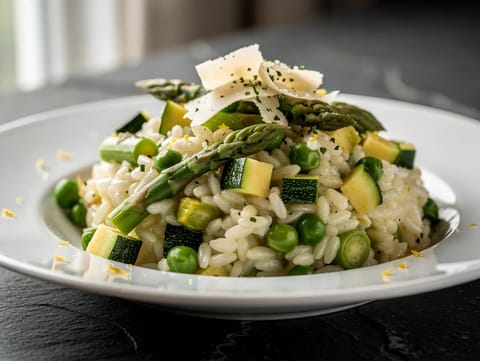
Vegetarian Risotto Primavera
Creamy risotto with asparagus, peas, courgette and Parmesan

Arroz con Pollo (Chicken and Saffron Rice One-Pot)
One-pot chicken thighs with saffron rice, peppers, tomato and peas

Jambalaya (Creole Rice Dish with Chicken and Andouille)
One-pot rice dish with chicken thighs, andouille and tomatoes

Rice and Peas (Jamaican Coconut Rice with Kidney Beans)
Coconut rice with kidney beans, thyme and allspice
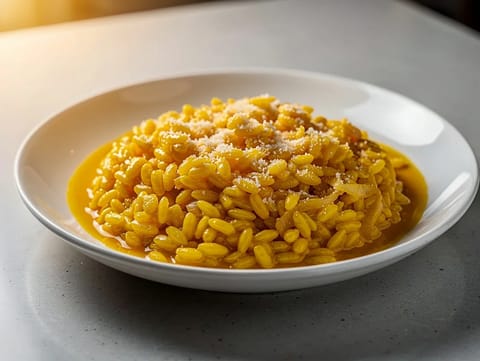
Gluten-Free Risotto alla Milanese (Saffron Risotto)
Gluten-free saffron risotto finished with butter and Parmesan
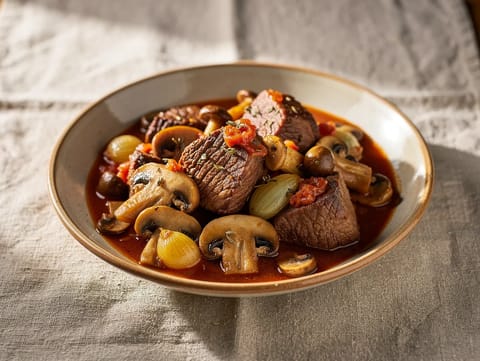
Estofado de Jabalí con Setas (Wild Boar and Mushroom Stew)
Wild boar and mushroom stew braised with red wine
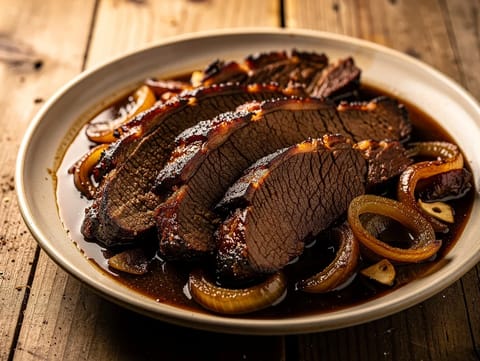
Asado Negro (Venezuelan Braised Beef in Dark Sauce)
Venezuelan braised beef in a dark coffee and onion sauce
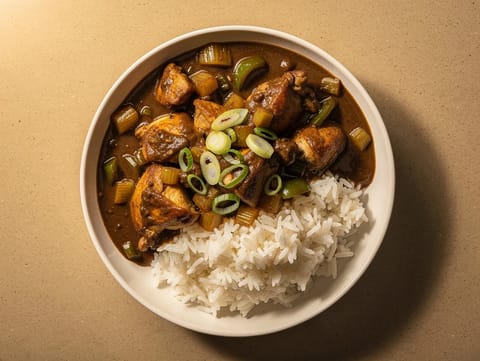
Cajun Chicken Étouffée
Cajun chicken étouffée with dark roux served over rice
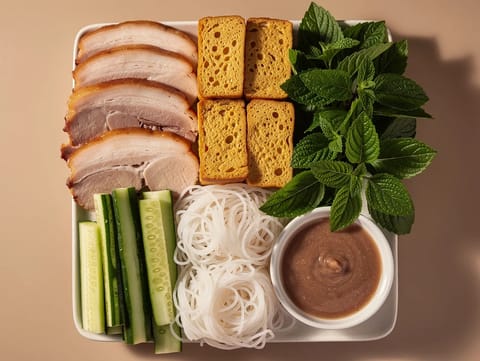
Bún Đậu Mắm Tôm (Tofu and Pork Platter)
Tofu and pork belly platter with bún and mắm tôm

Chicken Kofta Kebabs
Chicken kofta kebabs with onion, garlic, parsley and spices
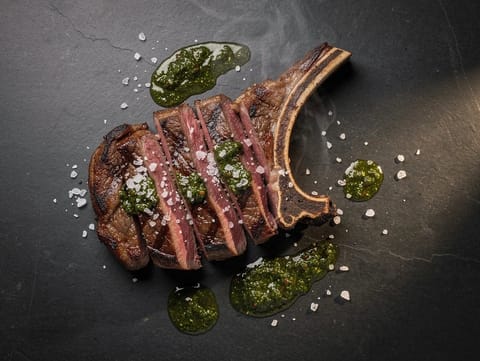
Chuletón a la Parrilla con Chimichurri (Grilled T-Bone Steak)
Grilled T-bone steak with parsley chimichurri
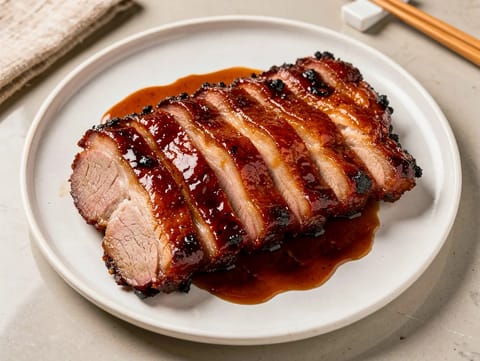
Char Siu (Cantonese Barbecued Pork)
Cantonese barbecued pork with hoisin, honey and soy glaze
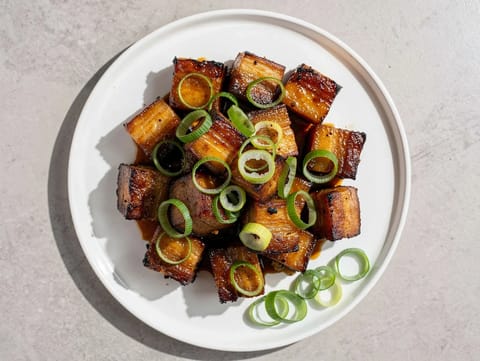
Air Fryer Honey Soy Pork Belly Bites
Crispy pork belly bites in a honey soy glaze.

Clay Pot Rice (Hong Kong-Style Rice Casserole)
Clay pot jasmine rice with chicken, Chinese sausage and spring onion
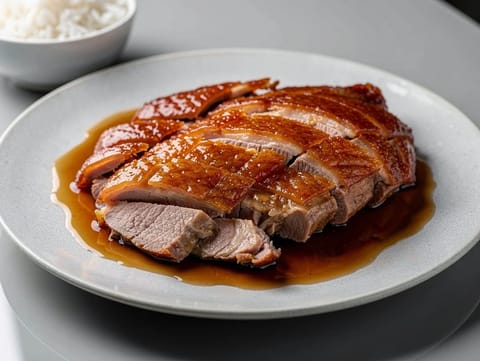
Cantonese Roast Duck (Home-Style Crispy Duck)
Cantonese roast duck with crisp skin
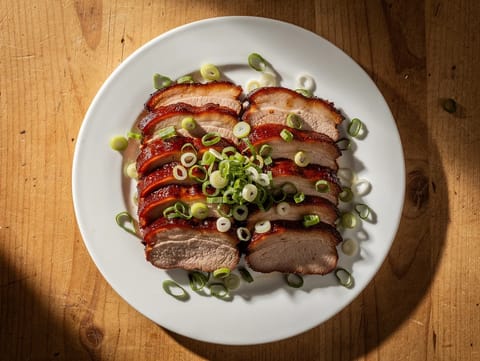
Char Siu Pork (Chinese BBQ Pork)
Roasted char siu pork with a glossy hoisin and honey glaze
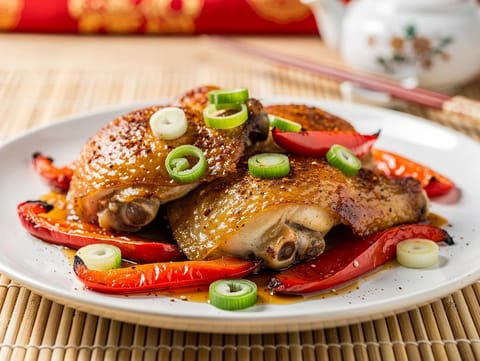
Chinese Five-Spice Chicken Traybake with Soy and Honey
Sticky five-spice chicken traybake with soy, honey and peppers
You might also like
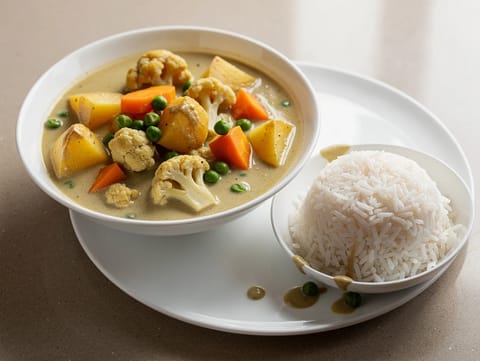
Vegetable Korma
Mild vegetable korma with coconut, yoghurt and almonds

Bignè alla Crema Pasticcera (Italian Choux Buns with Custard)
Crisp choux buns filled with smooth crema pasticcera

Pimm’s Cup (Summer Fruit Cup) with Lemonade, Cucumber and Mint
Pimm’s Cup with lemonade, cucumber, fruit and fresh mint

Ensaimada (Mallorcan Sweet Spiral Pastry)
Mallorcan spiral yeast pastry brushed with lard and icing sugar

Kartoffelpuffer (German Potato Pancakes)
Crisp German potato pancakes with onion, egg and flour
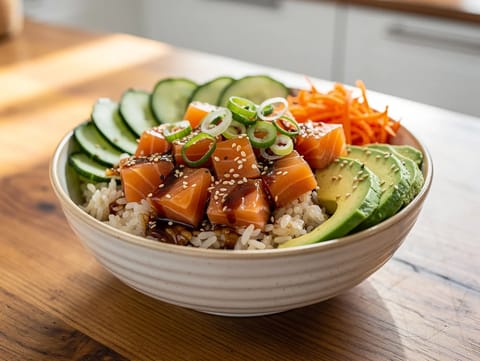
Easy Poke Bowl
Easy salmon poke bowl with sushi rice, avocado and cucumber.
Make this recipe easier next time
AdvertisementThese tools help you get better results with less effort.
KitchenAid Stainless Steel Mixing Bowls
- Non-slip base
- Stainless steel
- Not microwave safe
T-fal Specialty Nonstick Handy Pot with Glass Lid 3 Quart
- Easy food release
- Dishwasher safe
- Not induction compatible
OXO Good Grips Stainless Mixing Bowl Set
- Non-slip base
- Comfort grip
- Higher price
WMF Mini Saucepan 16 cm with Lid
- High-quality stainless steel
- Even heat distribution
- Higher price point
Enjoy cooking with JustRecipes?
Add JustRecipes as one of your preferred Google sources to discover our recipes more easily across Google Search.
Add JustRecipes to GoogleEvery recipe on JustRecipes follows the same structured editorial process. Learn how recipes are created, validated, translated, illustrated, and continuously improved across the platform. How we create recipes.
