
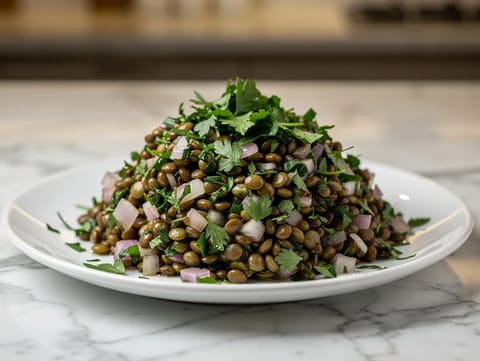
Salade de Lentilles du Puy (French Lentil Salad with Mustard Dressing)
Warm French lentil salad with mustard dressing, shallot and parsley
Lunch works best when it is treated as a complete, self-contained meal rather than a collection of bits. The most useful lunch recipes usually combine a clear centre, such as a sandwich, bowl, soup or salad, with one or two supporting elements that add crunch, freshness or warmth. This page helps you choose lunch ideas that travel well, plate neatly at home, and still feel satisfying without relying on long cooking or last-minute fuss.
Lunch sits in a practical middle ground: you want enough substance to carry you through the afternoon, but not the kind of heaviness that makes you slow down afterwards. Many lunch-friendly dishes are built around contrasts. Think crisp vegetables against something creamy, a warm component alongside something sharp and fresh, or a starchy base balanced with acidity. Portioning matters too. Lunch recipes often work best when they can be served in one bowl, one plate or one hand, which is why wraps, grain bowls, composed salads and soups with a topping are such natural fits. If you are cooking for others, lunch is also where simple presentation pays off: a tidy garnish, a crunchy element added at the end, or a small side can make the meal feel intentional.
Warm French lentil salad with mustard dressing, shallot and parsley

Cheddar grilled cheese served with smooth tomato soup
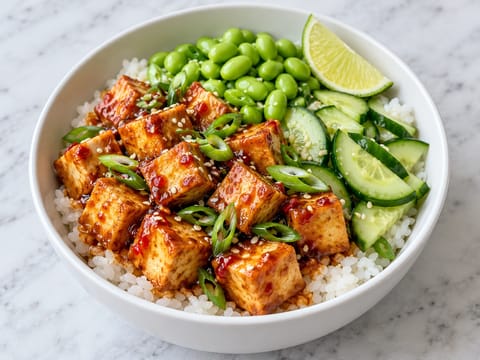
Sweet chilli tofu poke bowl with sushi rice and edamame.

Chicken tortilla soup with black beans, sweetcorn and tortilla strips
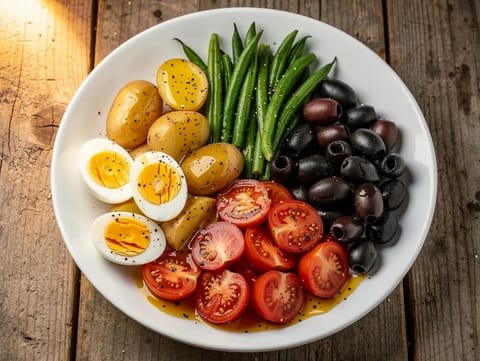
Niçoise-style salad with potatoes, eggs, tomatoes and olives
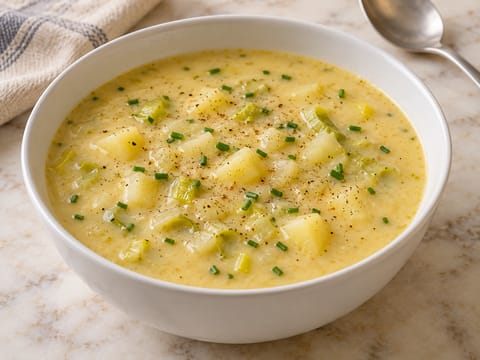
German vegetarian cheese soup with leeks and potatoes
When you are choosing lunch, it helps to start with the shape of the meal. Sandwiches and wraps are about structure: a filling that is flavourful but not too wet, and a bread or flatbread that can cope. Salads can be leafy, chopped, or built on grains, pulses or noodles, and they often rely on a well-seasoned dressing to stop the whole thing tasting flat. Soups and broths are a different kind of lunch: they are forgiving, easy to portion, and can be made more substantial with bread, dumplings, noodles or a spoonful of yoghurt. You will also see lunch in “bowl” form, where a base (rice, couscous, greens) carries toppings that can be prepped separately and assembled quickly.
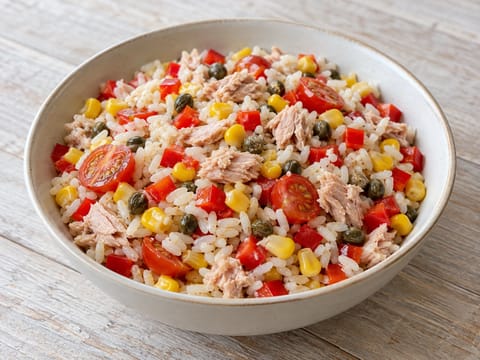
Italian rice salad with tuna, vegetables, lemon and olive oil
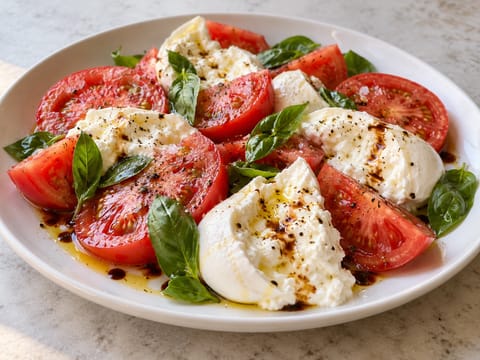
Ripe tomatoes and burrata with basil, olive oil and balsamic
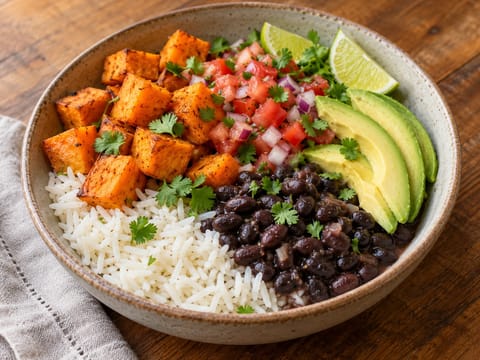
Sweet potato, black beans and rice with avocado and lime
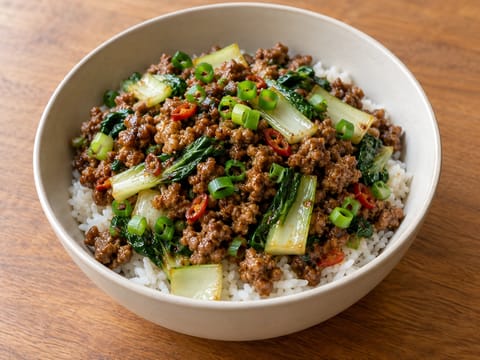
Five-spice minced pork with jasmine rice and pak choi
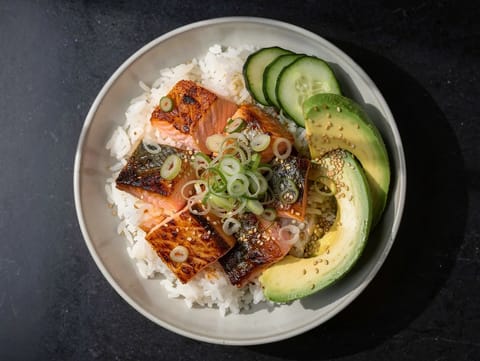
Salmon rice bowl with soy, mirin, cucumber and avocado
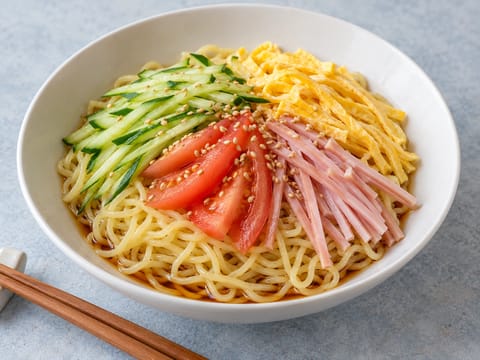
Chilled ramen topped with vegetables, omelette and ham
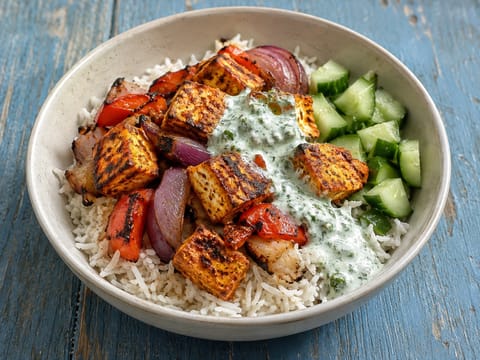
Paneer tikka bowl with rice, grilled vegetables and mint yoghurt
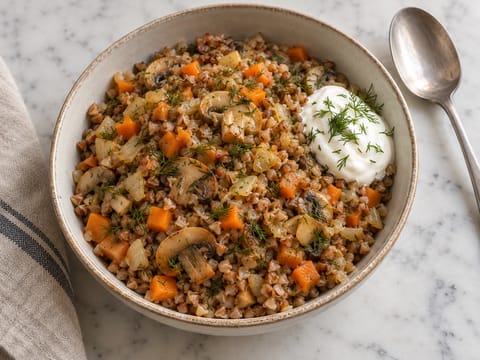
Kasza bowl with buckwheat groats and sautéed vegetables
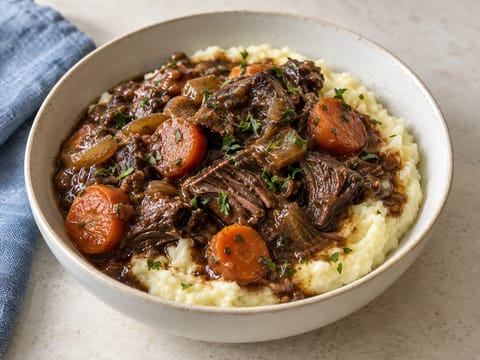
Dark beer beef stew served over creamy mashed potatoes
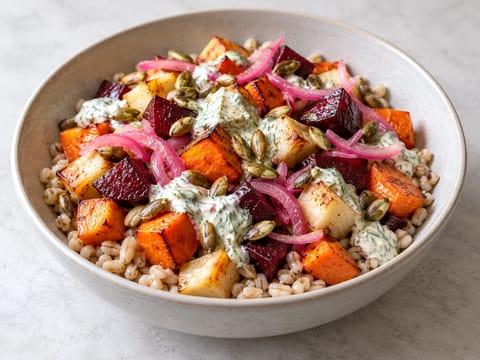
Roasted root vegetables over barley with dill yoghurt dressing
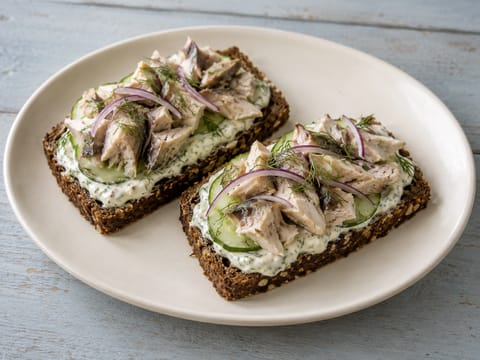
Open-faced rye sandwich with mackerel and lemony crème fraîche
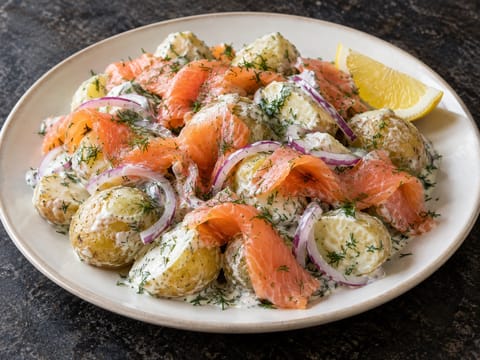
Smoked salmon with new potatoes, sour cream and dill
If lunch needs to travel, look for recipes that keep their texture. Dressings and sauces are often best carried separately, then added just before eating, especially for leafy salads and anything with toasted bread. For a lunch you can eat at a desk, bowls and soups tend to be less messy than stacked sandwiches, and they reheat more predictably.
If you want a lighter-feeling lunch, choose recipes that lean on vegetables, herbs and acidity, with protein used as a supporting element rather than the whole point. For a more filling lunch, look for pulses, grains, potatoes, noodles or bread, and notice whether the recipe includes a creamy component (cheese, yoghurt, tahini, mayonnaise) that adds staying power. If you are serving lunch to guests, pick a centrepiece you can plate neatly, then add one crisp side for contrast.
A balanced lunch menu is usually easiest when you decide on one main item, then add contrast rather than more of the same. If the main is a rich sandwich or toast, pair it with something sharp and crunchy, such as a slaw-style salad or quick-pickled vegetables. If the main is a salad, add warmth or starch, such as bread, roasted potatoes or a small soup, so the meal does not feel unfinished. With soup, the supporting choice is often texture: crusty bread, croutons, toasted seeds, or a spoonable topping like pesto or yoghurt.
For a shared table, aim for dishes that can sit for a short while without losing their appeal. Room-temperature salads, platters and sandwiches cut into portions are generally calmer to serve than anything that must be eaten piping hot the moment it is ready.
If you already know the style of lunch you want, browsing by Dish can take you straight to the format, such as soup, salad or sandwich. Meal time is also useful when you want ideas that sit naturally alongside lunch, for example brunch-style plates or lighter afternoon options.
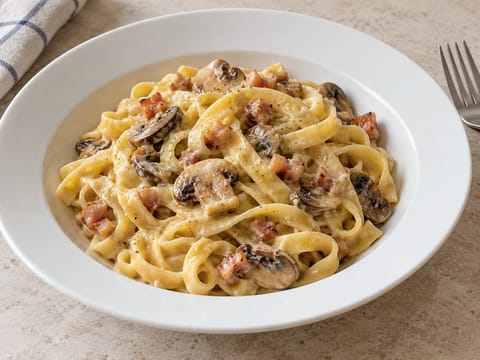
Pasta with creamy mushrooms, pancetta, white wine and Parmesan
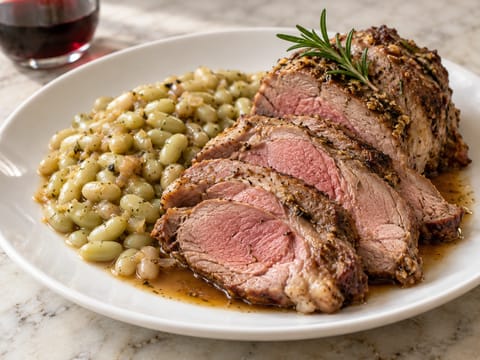
Roast leg of lamb with flageolet beans and rosemary
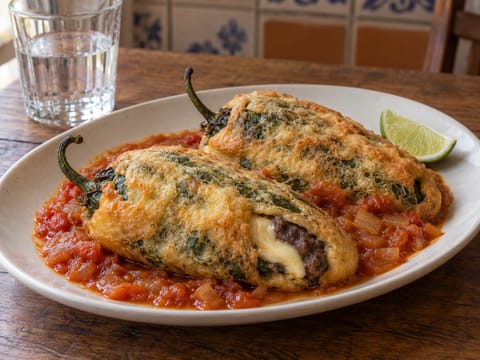
Fried poblano chillies stuffed with beans, cheese and tomato sauce
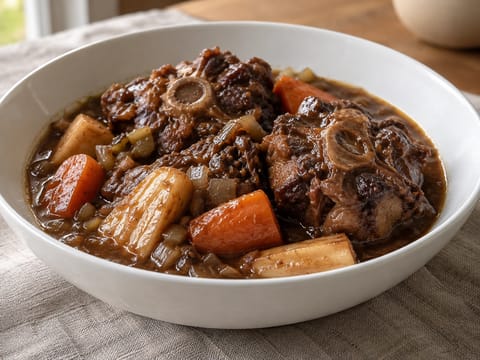
Braised oxtail with carrots, parsnips and rich gravy

Vegetables stuffed with rice and minced lamb in tomato sauce
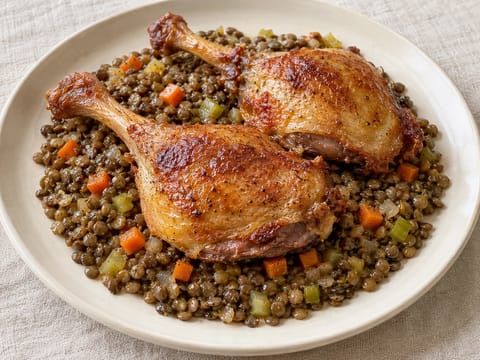
Crispy duck confit with thyme-scented Puy lentils
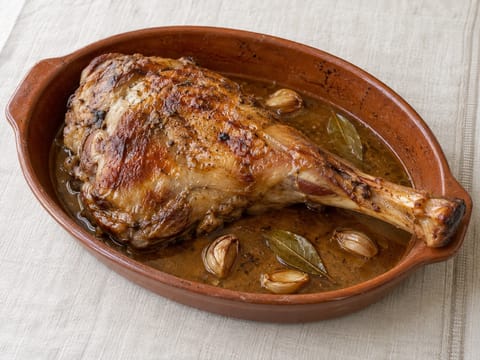
Slow-roasted lamb with garlic, bay leaves and pan juices

Corned beef, sauerkraut and Swiss on rye, toasted until crisp
Lunch recipes are those that make sense as a midday meal: satisfying in a single portion, often quick to assemble or easy to pack, and usually built around a clear format such as a sandwich, salad, soup or bowl.
Keep wet components away from crisp ones. Carry dressing separately for salads, and avoid putting juicy fillings directly against bread. A barrier layer, such as leaves, cheese or a spread, can help slow soaking.
A salad tends to feel more substantial when it includes a starchy or protein element, such as grains, pulses, potatoes, eggs, cheese or meat, and when the dressing is properly seasoned and acidic enough to lift the flavours.
It can be, especially if you add a contrasting element for texture and offer something alongside, such as bread or a simple salad. Choose a soup that holds well so you are not tied to last-minute timing.
Add one deliberate supporting element: something crunchy (nuts, seeds, croutons), something sharp (pickles, citrus, vinaigrette), or something warm (toasted bread). Small contrasts do a lot of work at lunch.
Start by picking the main shape of your lunch, then use one supporting element to balance it: crunch for soup, sharpness for rich fillings, or warmth for salads. Once the structure is clear, the rest is easy to adjust to appetite and occasion.
