
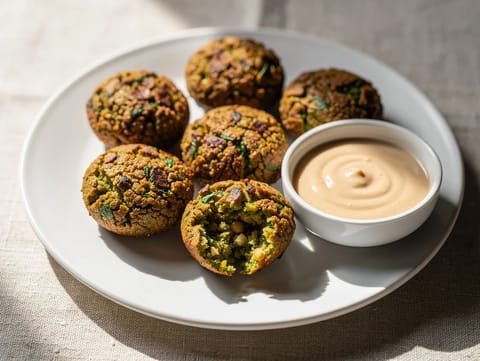
Air Fryer Falafel
Air-fried falafel made with chickpeas, herbs, spices and tahini.
A good snack is defined by portion and timing rather than by a single style of food. Snacks are meant to be easy to pick up, quick to eat, and satisfying enough to bridge a gap without turning into a full meal. That makes texture and portability unusually important: crisp things go soft, sticky things travel badly, and warm snacks can lose their appeal if they sit too long. This page helps you choose snack recipes that suit how you actually need to serve them, whether that is packed, shared, or eaten straight away.
Snack recipes are often judged on how they behave outside the kitchen. Many need to hold their shape, avoid leaking, and stay pleasant at room temperature. That is why baked bars, biscuits, roasted nuts, savoury muffins and hand pies are such common snack formats: they portion neatly and do not require cutlery. Other snacks are built for immediacy, such as toast-based bites, warm fritters or quick dips, where the appeal is in contrast and freshness.
Snacks also tend to be strongly flavoured for their size. A little acidity, spice, salt or sweetness goes a long way in a small portion, and a finishing touch, such as citrus zest, herbs or a sprinkle of seeds, can make a simple snack taste complete without adding extra cooking steps.
Air-fried falafel made with chickpeas, herbs, spices and tahini.
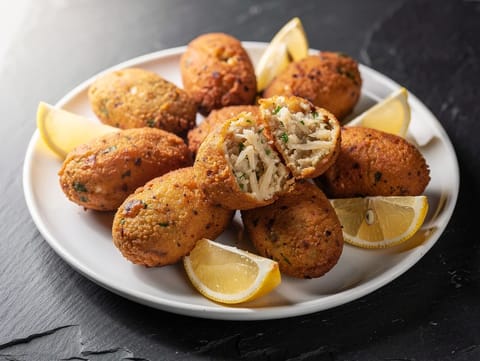
Crisp salt cod and potato fritters with parsley and lemon
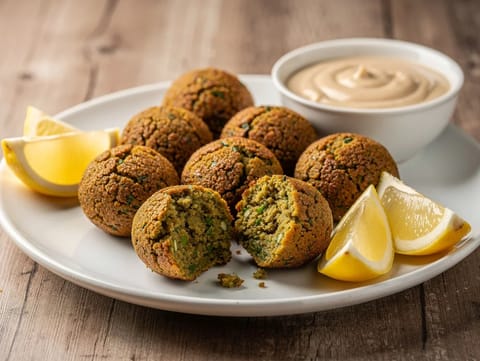
Crisp air fryer falafel with chickpeas, herbs and spices.
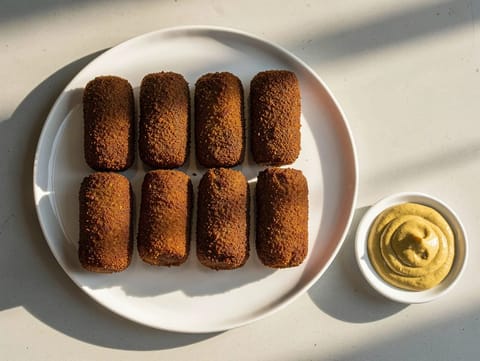
Dutch beef ragout croquettes with a crisp breadcrumb coating
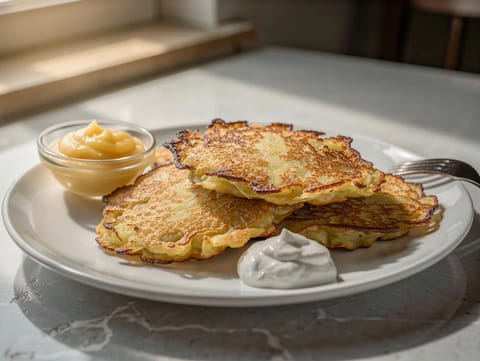
Crisp German potato pancakes with onion, egg and flour
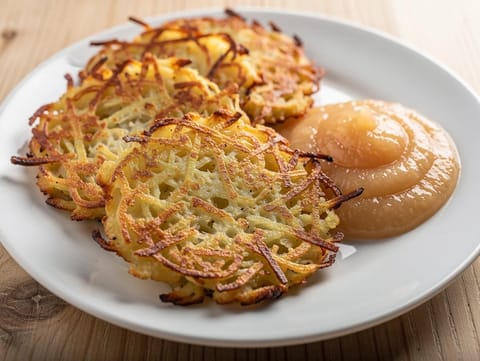
Crisp German grated potato cakes served with apple sauce
Snacks can be sweet, savoury, or sit somewhere in the middle, such as lightly sweetened breads or fruit-forward bakes. Sweet snacks often rely on a firm texture that travels, like cookies, traybakes and small cakes, or on chilled formats that are portioned in advance. Savoury snacks include crunchy nibbles, small bakes, and dip-and-dunk combinations where the dip provides richness and the carrier provides crunch.
You will also find snack recipes that overlap with light meals, such as small bowls, simple salads or toast toppings. The difference is usually portion and intent: snack versions are designed to be quick to assemble and easy to stop eating when you have had enough, rather than building a full plate with multiple components.
Dutch beef ragout croquettes with a crisp breadcrumb coating
Crisp German potato pancakes with onion, egg and flour
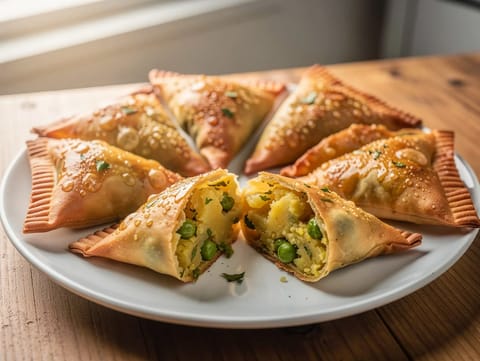
Crisp air-fryer samosas with spiced potato and pea filling.
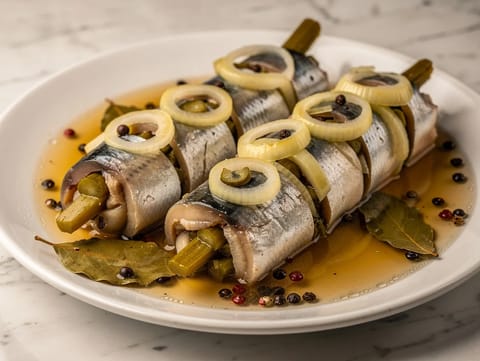
Pickled herring rolls filled with gherkins and onion
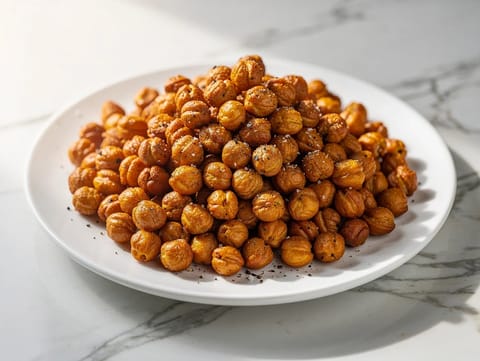
Crunchy air fryer chickpeas with olive oil and sea salt.
Crisp German grated potato cakes served with apple sauce
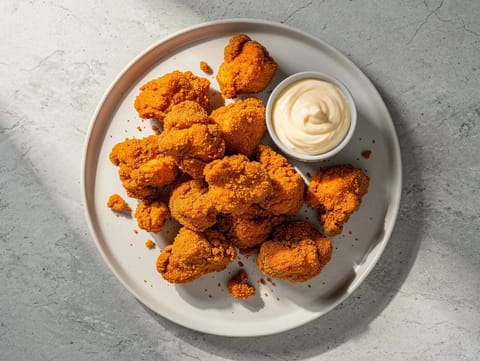
Crisp air fryer popcorn chicken with a cornflour coating.
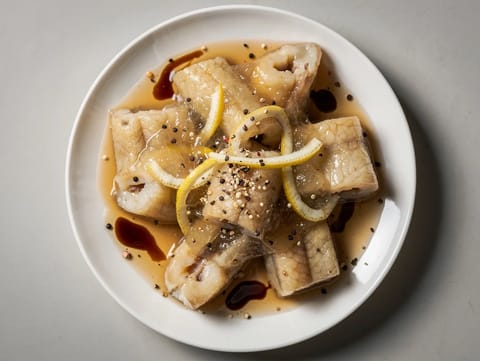
Chilled eel set in spiced jelly with malt vinegar
Crisp salt cod and potato fritters with parsley and lemon
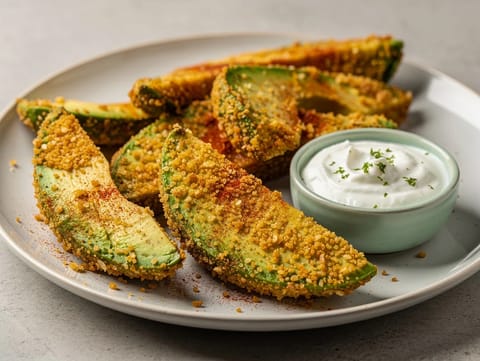
Crispy air-fried avocado fries with lime yoghurt dip.
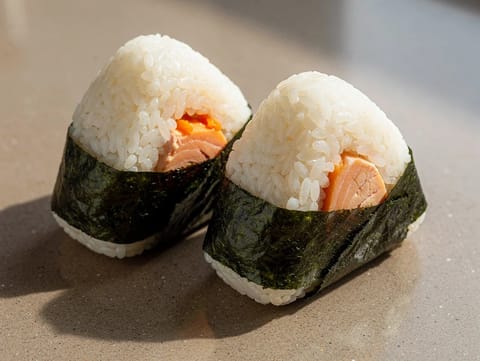
Hand-shaped rice balls with salmon filling and nori
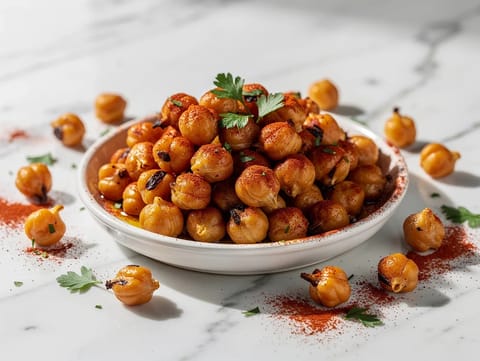
Crispy sautéed chickpeas with smoked paprika, garlic and vinegar
For packed snacks, look for recipes that are sturdy and not overly sticky or saucy. Anything with a crisp coating or toasted surface is best packed once fully cool, so steam does not soften it. If the snack includes a dip, it often travels better when the dip is separate and the dippers are kept dry.
For make-ahead snacking at home, choose recipes that portion cleanly. Bars, slices and baked bites are easy to grab, and they suit a “one hand, one plate” approach. If you want a snack to serve with drinks, prioritise bite-size pieces and bold seasoning, and consider whether the snack is best warm or at room temperature. Warm snacks can be excellent, but they usually need a plan for serving so they do not cool into heaviness.
Snacks are useful when you need something that can appear without taking over the day. For households, a snack can be a planned buffer between meals, which is easier when the snack is portioned and ready to serve. For informal gatherings, snacks work best when there is a mix of textures: something crunchy, something creamy, and something fresh or sharp to keep the table from feeling monotonous.
If you are putting out several snacks, avoid repeating the same base. For example, if you have a rich, cheesy bake, balance it with a lighter, crisp element rather than another pastry. Snacks also benefit from clear serving cues: small bowls, napkins, toothpicks, or pre-cut pieces reduce mess and make it easier for people to help themselves.
Cooking time is a practical companion for snacks, especially when you need something genuinely quick or you are planning a batch session. Dish can also help when you know the format you want, such as dips, biscuits, bars or bite-size bakes.
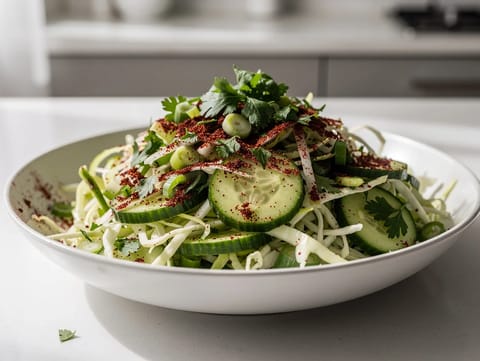
Crunchy cabbage slaw with lemon, sumac and herbs
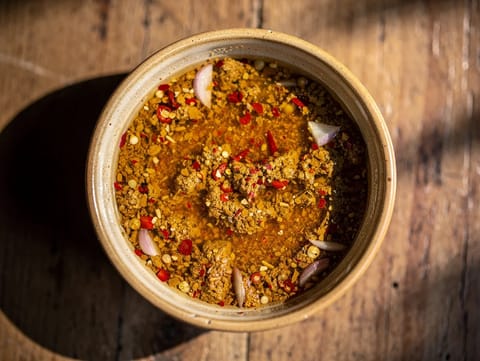
Spicy Thai dipping sauce with lime, tamarind and toasted rice powder
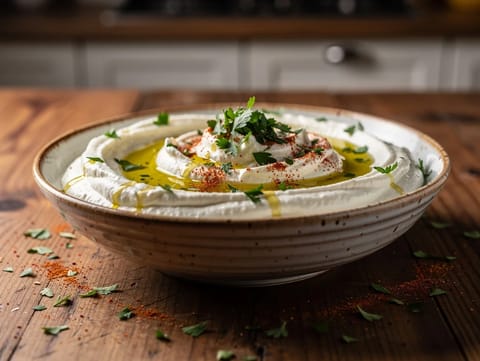
Roasted aubergine dip mixed with yoghurt, garlic and lemon
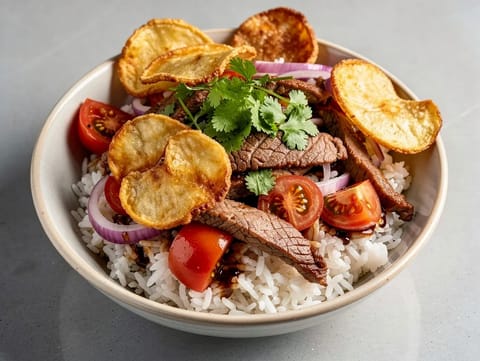
Lomo saltado bowl with beef, rice and chips
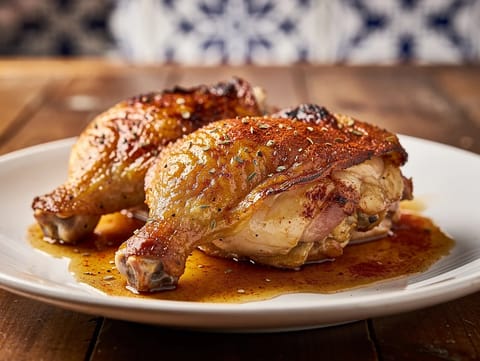
Roasted chicken thighs with orange and lemon marinade
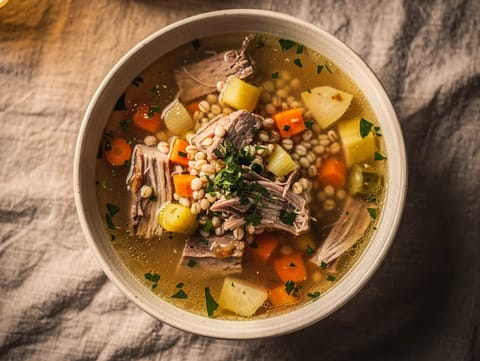
Polish pearl barley soup with pork ribs and vegetables
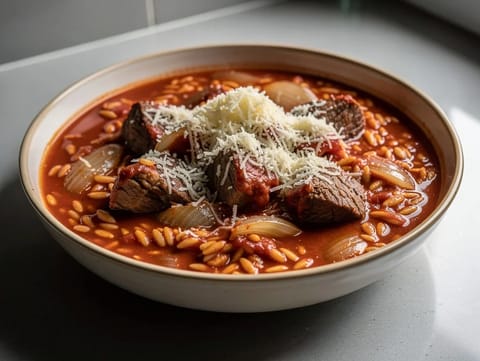
Greek beef stew baked with orzo in tomato and cinnamon
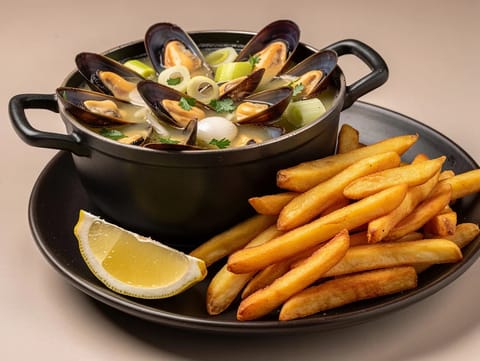
Mussels steamed in white wine, served with crisp chips
A snack is usually smaller, quicker to eat, and simpler to serve. It tends to be one item or one main component, rather than a plate built from several parts.
Look for snacks that are firm, not too wet, and pleasant at room temperature. Separate any dips or sauces, and let baked snacks cool fully before packing to protect texture.
Choose at least one snack that can be made ahead and served at room temperature, then add one element that is quick to finish or warm through just before serving.
No. Many snacks are savoury, including roasted nuts, small bakes, dips, and bite-size vegetable or potato dishes. The defining feature is portion and ease, not flavour direction.
Vary texture and seasoning. Pair crunchy with creamy, and add something sharp or fresh, such as citrus, herbs or pickles, to balance richer items.
Decide first whether your snack needs to travel, sit out, or be eaten warm. Then choose a format that holds its texture and portions neatly. Small, well-behaved snacks are often the ones you reach for most.
