
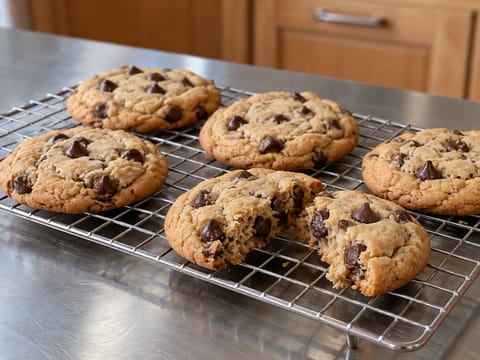
Peanut Butter Chocolate Chip Cookies
One-bowl peanut butter cookies with dark chocolate chips
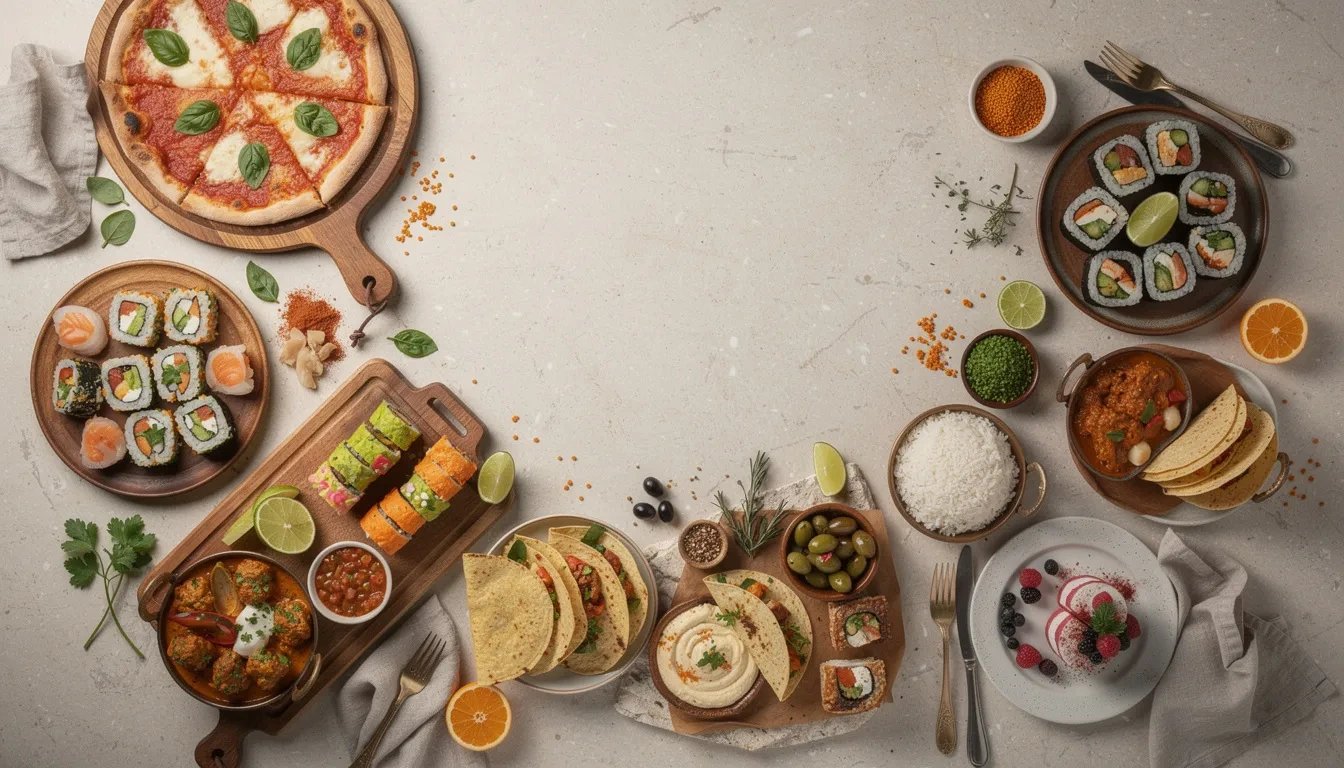
American cooking is less a single set of dishes than a way of cooking that shifts by region, migration and occasion. When you choose American-style recipes, it helps to think in methods: slow-smoked barbecue, griddled and fried favourites, oven bakes and casseroles, and big-batch soups and stews. Flavours often balance savoury richness with sharp pickles, mustard, hot sauce or a sweet element, and sides are treated as part of the main event rather than an afterthought.
If you are deciding what to make, the quickest way into American cooking is to pick a technique that matches your day. Grilling and barbecuing lean towards bold rubs, sticky glazes and smoke, with slaws and pickles cutting through. Oven bakes and casseroles suit hands-off cooking and tend to rely on a creamy or tomato base, a starchy layer and a browned top. Frying and griddling are common for crisp textures, from chicken to pancakes, while pot cooking covers chilli-style braises, chowders and bean dishes where the flavour builds over time.
One-bowl peanut butter cookies with dark chocolate chips
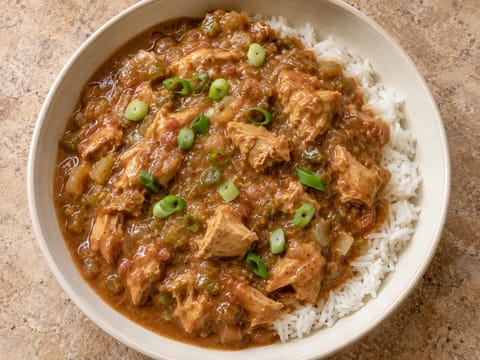
Cajun chicken étouffée with dark roux served over rice
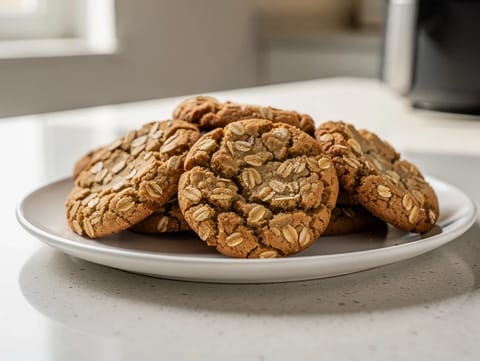
Air fryer oatmeal cookies with a chewy centre and crisp edges.
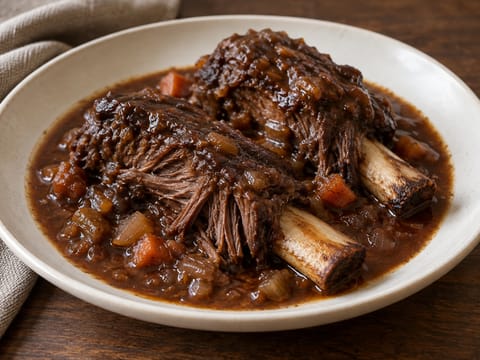
Beef short ribs braised in red wine with a glossy sauce
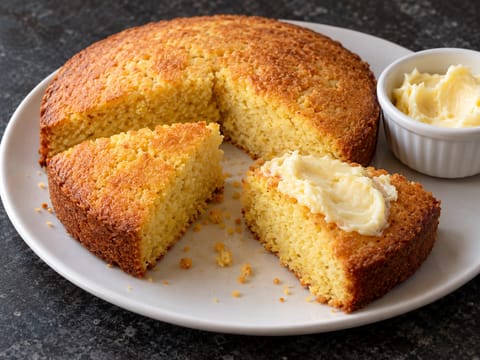
Golden cornbread served warm with whipped honey butter
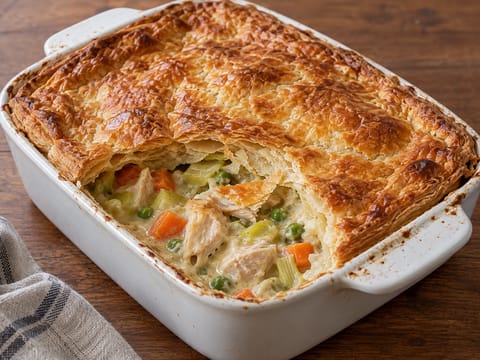
Chicken and vegetable pie topped with golden puff pastry
American is a broad umbrella. It can describe dishes that are closely tied to particular states or cities, home-cooking staples that travelled with families, and restaurant styles that became widely recognised. It does not automatically mean fast food, and it does not always mean heavy or sweet, even though many well-known examples are rich. You will also see American used for familiar flavour combinations such as barbecue sauce, ranch-style dressings, pumpkin spice-style baking, or diner-style breakfasts, even when the ingredients are adapted to what is available locally.
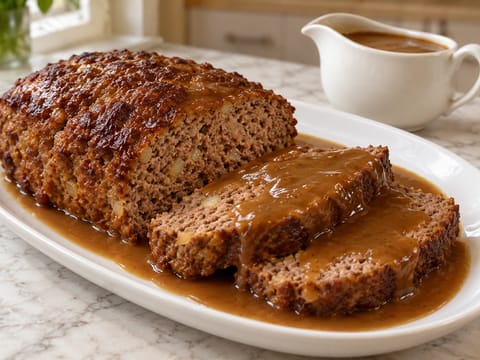
Minced beef meatloaf served with simple brown gravy
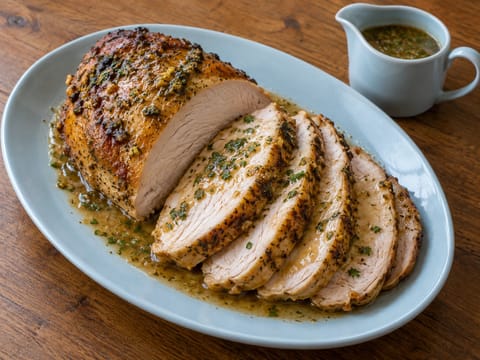
Roast turkey breast with a quick herb pan sauce
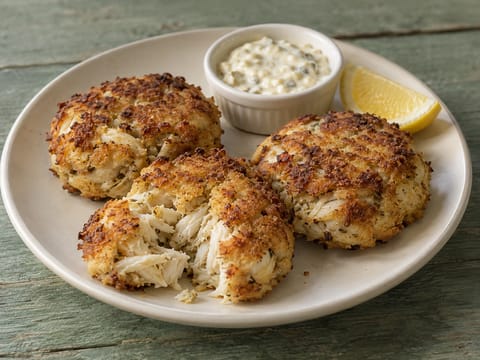
Crisp pan-fried crab cakes with Old Bay and tartar sauce
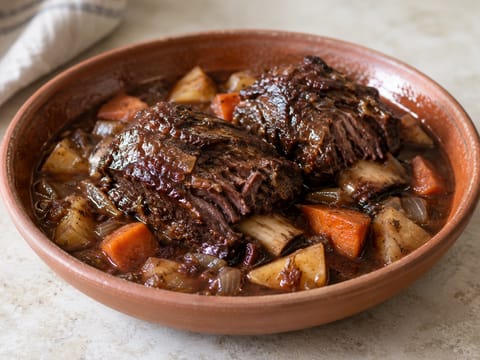
Braised beef short ribs with red wine and root vegetables
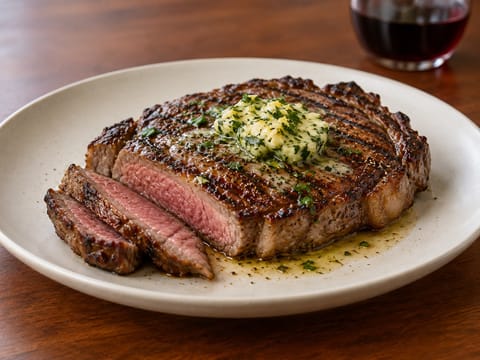
Grilled ribeye topped with garlic, parsley and lemon butter
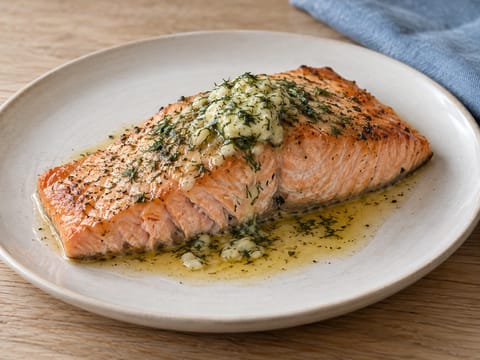
Baked salmon with lemon, dill and melted butter
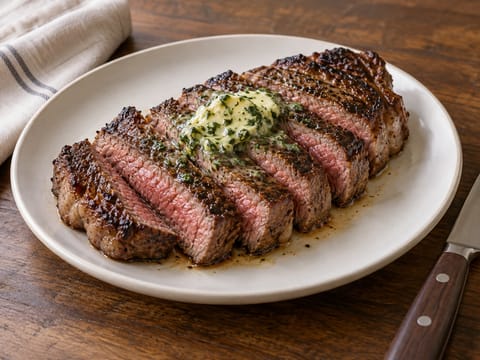
Pan-seared strip steak topped with quick parsley herb butter
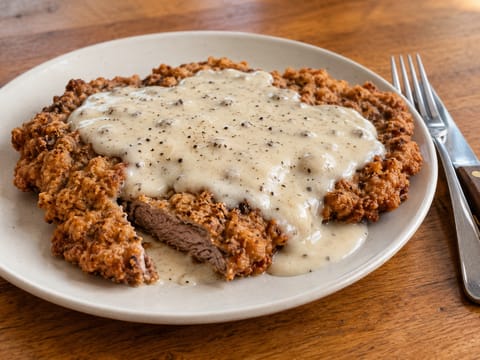
Fried beef steak with white pepper gravy
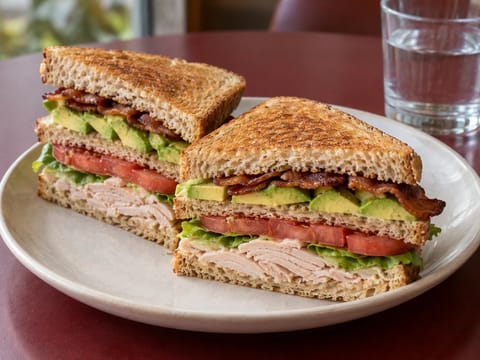
Toasted club sandwich with turkey, bacon and avocado
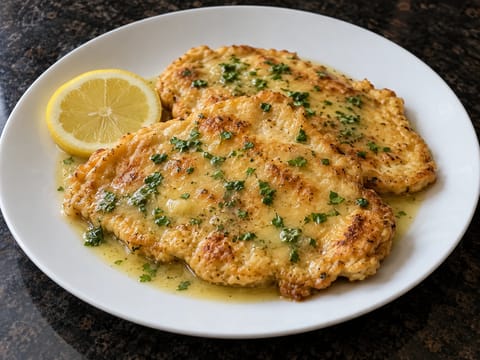
Pan-fried chicken in a lemon and white wine sauce
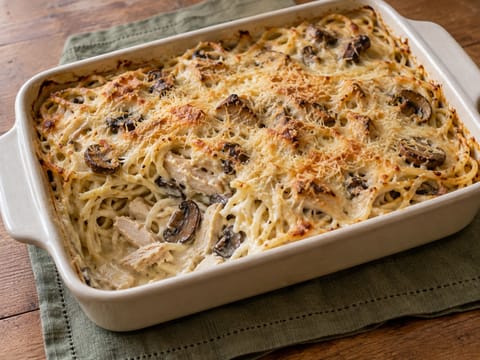
Turkey pasta bake with mushrooms in a creamy Parmesan sauce

Cold strawberry smoothie with Greek yoghurt, milk and honey
A lot of American flavour comes from layering: a dry rub plus a sauce, or a creamy base plus something sharp. Common building blocks include mustard, ketchup or tomato-based sauces, mayonnaise-based dressings, pickles and relishes, and hot sauces. In baking, vanilla, cinnamon and brown sugar notes are frequent, often paired with nuts, chocolate or fruit. For savoury dishes, onions, garlic and celery often start the pot, while smoked paprika, chilli powder blends and black pepper bring warmth. When a dish tastes flat, the usual fix is not more salt but a brighter counterpoint: vinegar, citrus, pickles or a crunchy slaw.
American cooking is strongly regional, and the same dish name can mean different things in different places. Barbecue is the clearest example: sauces and seasonings vary widely, as do the preferred cuts and whether the emphasis is on smoke, spice or sweetness. Coastal areas often lean towards seafood traditions, while inland cooking may centre on beef, pork and hearty grains. Migration has also shaped everyday food, so you will see dishes that sit comfortably alongside Italian-American, Chinese-American, Mexican-American and many other community styles. Treat the label as a starting point, then read for the regional or family cues in the ingredients and method.
American cooking is easiest to navigate by what you want on the plate and how you want to cook it. Exploring Dish can help you jump straight to burgers, ribs, pies or salads, while Cooking method is useful when you are choosing between grilling, baking, frying or slow cooking.
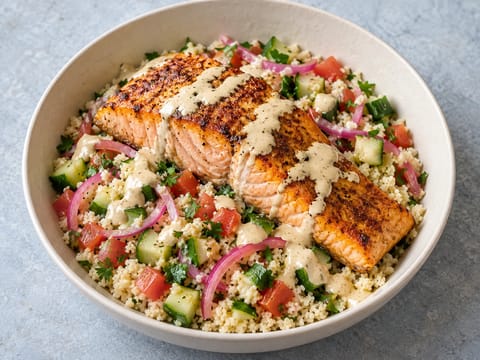
Salmon bowl with couscous, salad and lemon tahini dressing
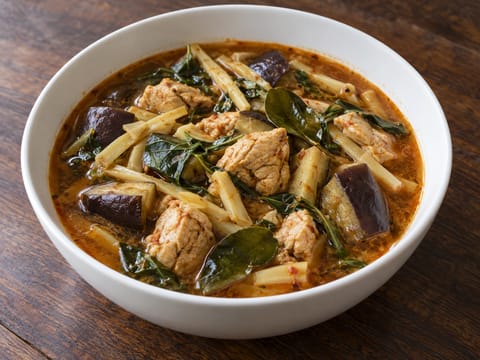
Coconut-free Thai jungle curry with chicken and vegetables
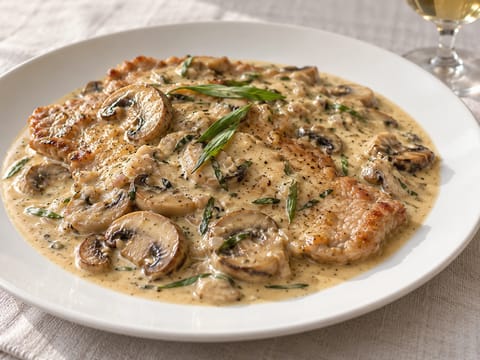
Pan-fried veal escalopes with mushroom and tarragon cream sauce
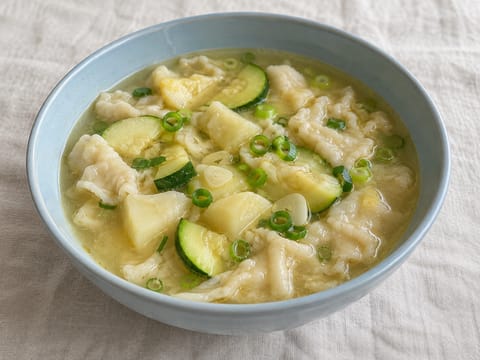
Korean soup with hand-torn dough, potato and courgette
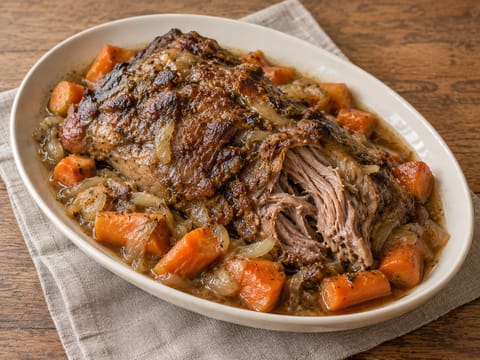
Slow-braised lamb shoulder with carrots, thyme and rich juices
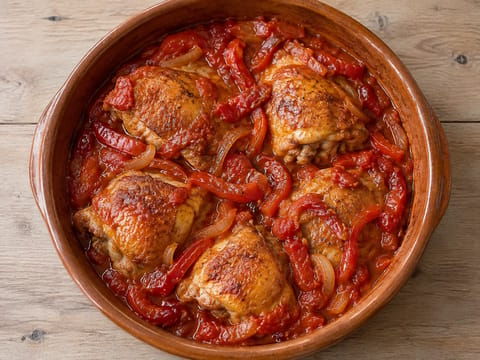
Chicken braised with peppers and a tomato-based sauce
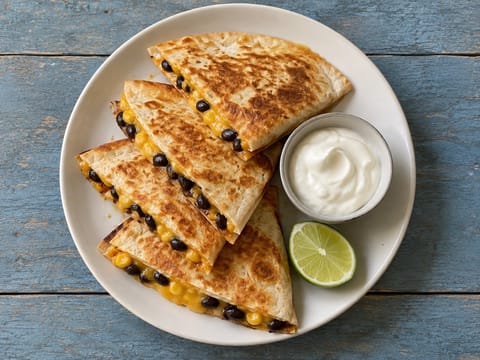
Crisp quesadillas with black beans, sweetcorn and melted Cheddar
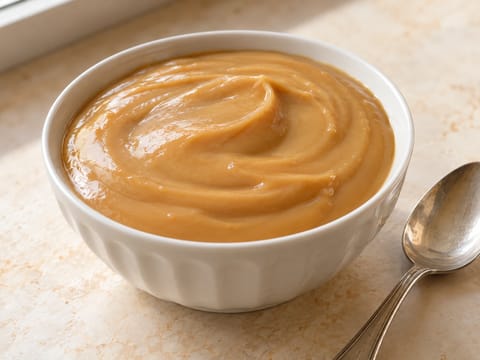
Smooth stovetop butterscotch pudding with vanilla
No. Those are well-known, but American-style recipes also include soups, casseroles, salads, seafood dishes, breads and a wide range of baking, from cookies to layer cakes.
Often it is the combination of method and flavour cues: barbecue rubs and sauces, diner-style griddled breakfasts, casserole-style bakes, or the use of pickles, mustard and creamy dressings as key accents.
It depends on the region and the dish. Some styles lean on chilli heat, while others focus more on smoke, sweetness, black pepper or tangy vinegar.
Many meals are built around a main plus contrasting sides: something crisp and sharp (slaw, pickles), something starchy (cornbread, potatoes, macaroni), and often a sauce or dressing that ties it together.
Many are built around familiar pantry flavours and textures: buttery crusts, soft cookies, fudgy brownies, fruit pies and cakes with vanilla, cinnamon or chocolate notes.
When you pick an American recipe, decide first whether you want smoke, crunch, a comforting bake or a slow-simmered pot. Then use the sauce, spice blend and side dishes to steer it towards a particular regional or diner-style feel.
