
Chicken Fried Steak with White Pepper Gravy
Why this recipe works
- Crisp, well-adhered coating: Double-dredging the steak in seasoned flour and egg creates a sturdy crust that fries up golden and craggy.
- Pan-built flavour: The gravy starts in the frying pan, using the browned bits from the steak to add savoury depth to the milk-based sauce.
- Classic comfort-food balance: Tender beef, a crisp coating and creamy pepper gravy give the dish its familiar hearty texture and rich, savoury finish.
Get the most out of this recipe
Texture tips
- For a crisper crust: Press the flour firmly onto the steak and let the coated pieces stand briefly before frying so the coating hydrates and clings better.
- Keep the coating from softening: Serve the gravy over the steak at the last moment, or pass it separately if you want the crust to stay crisp for longer.
- Adjust the gravy thickness: Simmer the gravy a little longer for a thicker spooning consistency, whisking often so it stays smooth.
Common mistakes
- Letting the oil temperature drift: Keep the oil around 175°C (350°F). Too cool and the crust turns greasy; too hot and it browns before the steak cooks through.
- Overcrowding the pan: Fry in batches so the oil temperature stays steady and the coating has room to crisp rather than steam.
- Rushing the gravy: Whisk the milk in gradually so the roux loosens evenly and the gravy stays smooth rather than lumpy.
Ingredient notes
- Choose a steak that tenderises well: Thin-cut frying steaks or top round are good options because they can be flattened evenly and cook quickly in the crust.
- White pepper matters: White pepper gives the gravy its distinctive warm pepperiness without dark speckling; black pepper makes the flavour bolder and more visible.
- Milk affects richness: Whole milk gives the gravy a fuller, creamier texture, while lower-fat milk will make it lighter and slightly less rounded.
Make-ahead tips
- Store steak and gravy separately: Keeping the fried steaks and gravy in separate airtight containers helps preserve the coating as much as possible.
- Reheat for the best texture: Warm the steaks in a 200°C (390°F) oven until piping hot, and loosen the gravy gently in a saucepan with a little milk if needed.
- Best eaten freshly fried: The dish is at its crispest straight from the pan; leftovers are still good, but the coating will soften after chilling.
Equipment you'll need
Ingredients
Instructions
- Pat the steaks dry, then tenderise them to an even thickness using a rolling pin or meat mallet. Season both sides lightly with a pinch of the salt and black pepper. Set aside while you set up the coating.
- In a shallow bowl, mix the flour with the remaining salt, black pepper and 1 tsp of the white pepper. In a second bowl, beat the eggs with 2 tbsp of the milk until smooth. Pour the oil into a large frying pan to a depth of about 1 cm and heat to 175°C (350°F).
- Coat each steak in the seasoned flour, dip into the egg mixture, then coat again in the flour, pressing so it adheres well. Fry in batches for 3 to 4 minutes per side until deep golden and cooked through, adjusting the heat to keep the oil steady. Transfer to a plate and keep warm while you cook the remaining steaks.
- Carefully pour off all but about 3 tbsp of the oil from the pan, keeping the browned bits. Add 3 tbsp of the flour to the pan and whisk over medium heat for 1 to 2 minutes until the mixture turns pale golden and smells nutty. Slowly whisk in the remaining milk until smooth.
- Simmer the gravy for 3 to 5 minutes, whisking often, until thick enough to coat the back of a spoon. Season with the remaining white pepper, and add a pinch more salt or black pepper if needed. Serve the steaks hot with the gravy spooned over.
Recipe notes
Tips
- For the crispest coating, press the flour firmly onto the steaks and let them sit for 5 minutes before frying so the coating hydrates slightly.
- Keep the oil around 175°C (350°F); if it runs too cool the coating will absorb oil, and if it is too hot it will brown before the steak is cooked through.
- If serving anyone who is vulnerable to foodborne illness, make sure the steaks are cooked through and the gravy is simmered until piping hot.
Substitutions
- Replace Beef steak with beef top round steak for a leaner, traditional option that still tenderises well.
- Replace Whole milk with low-fat milk for a lighter gravy, noting it will be slightly less rich.
- Replace White pepper with black pepper for a more robust pepper flavour and visible speckling in the gravy.
Storage
- Refrigerate up to 2 days
- Store the steaks and gravy separately in airtight containers. Reheat the gravy gently in a saucepan with a splash of milk to loosen, and reheat the steaks in a 200°C (390°F) oven until piping hot; the coating will soften slightly.
Ratings & reviews
Liked this recipe? Share your feedback to support our cooking community.
Tried this recipe?
Choose 1–5 stars. A comment is optional.
Stay inspired
Discover new recipes, seasonal favourites and cooking inspiration every day. Follow JustRecipes on Pinterest and Spillt.
Recipe overview
- Servings: 4 servings
- Total time: 45min (40min active)
- Difficulty: Medium
- Cuisine: American
-
Allergens:
Eggs Gluten Milk Wheat
Plan your meals and get a complete grocery list automatically.
Add to meal plannerEquipment you'll need
Got ingredients left?
Find recipes using ingredients from this recipe or what you already have at home.
Find recipes with these ingredients →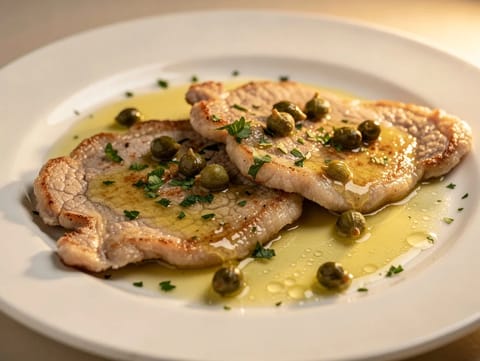
Veal Scaloppine al Limone (Italian Lemon Veal)
Pan-fried veal in a lemon, white wine and caper sauce
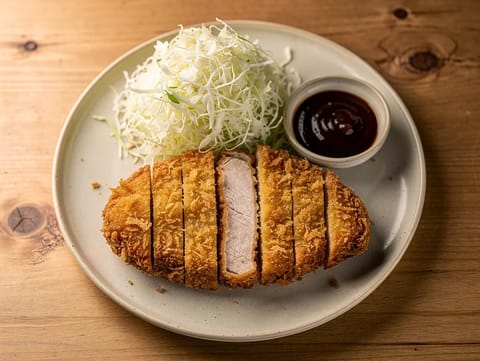
Tonkatsu (Panko Pork Cutlet with Cabbage)
Crispy tonkatsu pork cutlet with cabbage and sauce
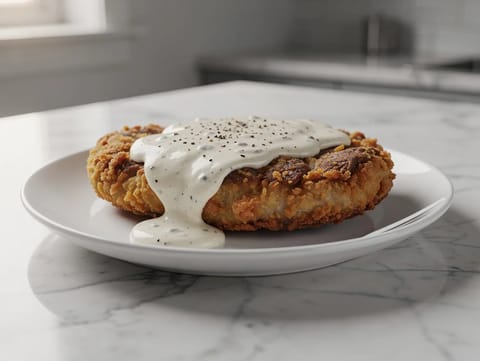
Chicken Fried Steak with Creamy White Gravy
Crispy chicken fried steak with creamy white pepper gravy
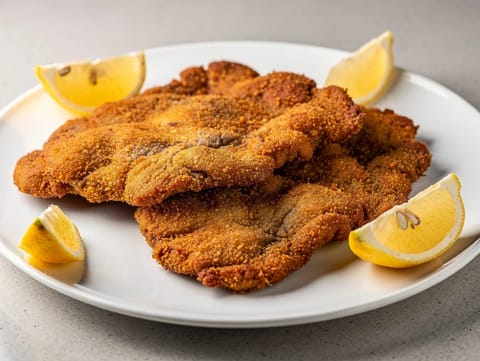
Fiesta Milanesa (Crispy Breaded Beef Cutlet)
Crispy breaded beef cutlets served with lemon
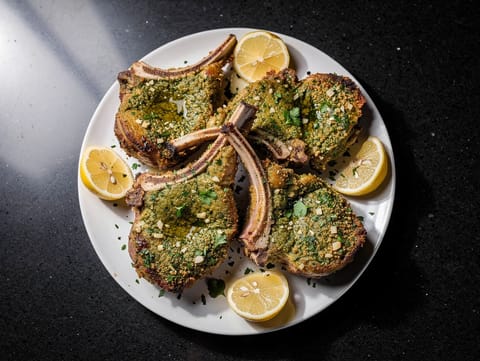
Côtelettes d’Agneau Persillées (Herb-Crusted Lamb Cutlets)
Crisp herb-crusted lamb cutlets finished with lemon
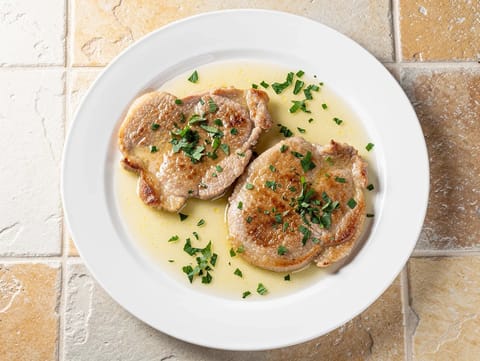
Scaloppine al Vino Bianco (Veal in White Wine, Butter and Lemon Sauce)
Pan-fried veal in a white wine, butter and lemon sauce
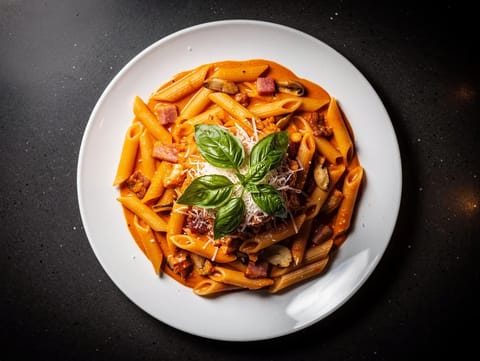
Pasta alla Vodka (Tomato, Vodka and Cream Sauce with Pancetta)
Penne with pancetta in a tomato, vodka and cream sauce
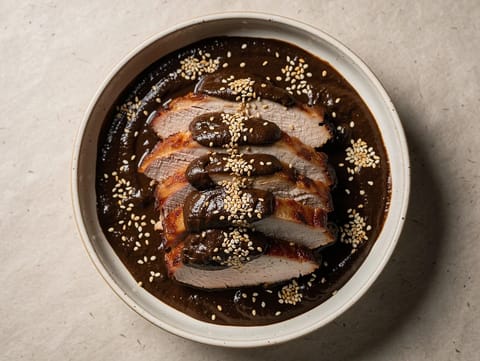
Pavo en Mole para Celebraciones (Turkey with Traditional Mole Sauce)
Roast turkey served with traditional mole sauce and dark chocolate
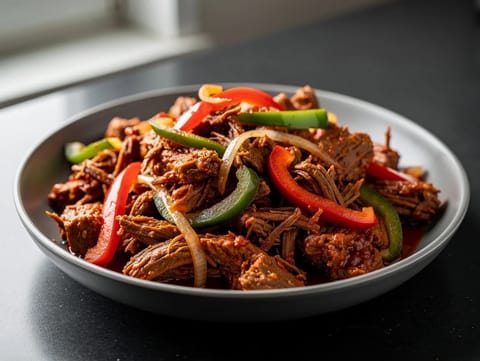
Ropa Vieja (Shredded Beef Stew)
Shredded beef stew with peppers, onions and tomatoes
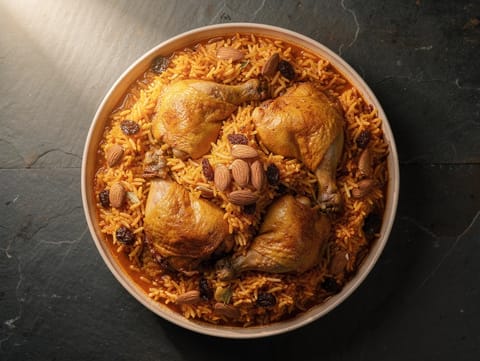
Kabsa (One-Pot Chicken and Rice)
One-pot kabsa with spiced chicken, basmati rice and toasted nuts
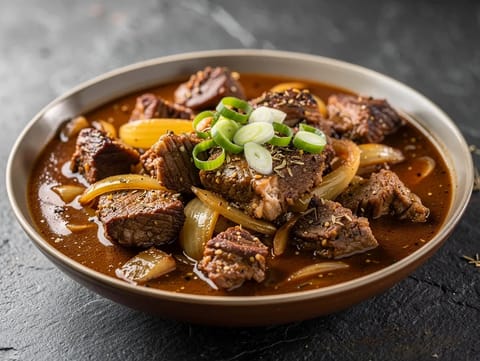
Caribbean Goat Stew
Slow-simmered goat stew with onion, garlic and warming spices
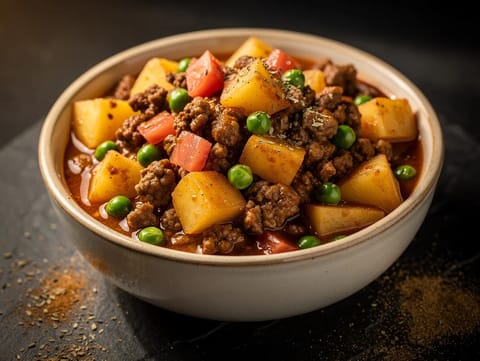
Picadillo Mexicano (Spiced Minced Beef with Potatoes and Peas)
Mexican minced beef with potatoes, peas and tomato
Chicken Fried Steak with Creamy White Gravy
Crispy chicken fried steak with creamy white pepper gravy
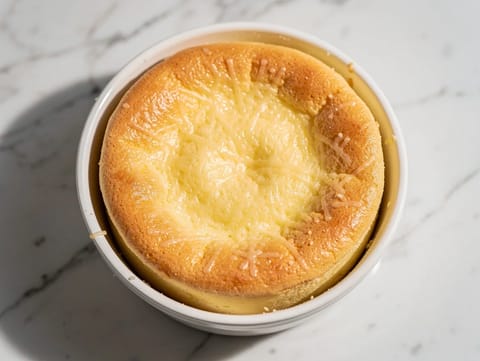
Soufflé au Fromage (Gruyère Cheese Soufflé)
Puffed Gruyère soufflé made with béchamel and egg whites
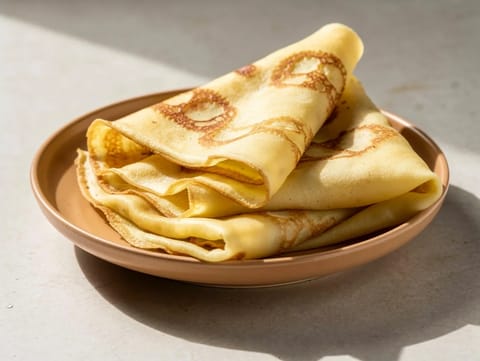
Filloas (Galician Crepes with Honey)
Thin Galician crepes served warm with honey

Corn Dogs (Frankfurters in Crispy Cornmeal Batter)
Fried cornmeal-battered frankfurters served hot with mustard
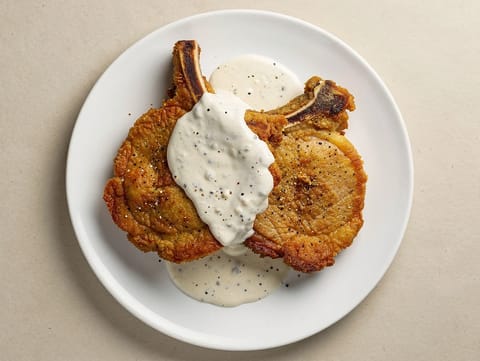
Country-Fried Pork Chops with White Gravy
Crisp pork chops topped with peppery white gravy
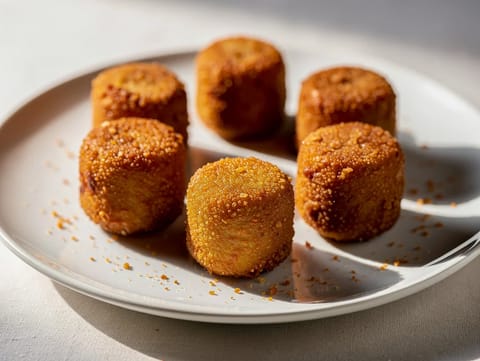
Kaaskroketten (Belgian Cheese Croquettes)
Belgian cheese croquettes with cheddar béchamel and a crisp coating
You might also like
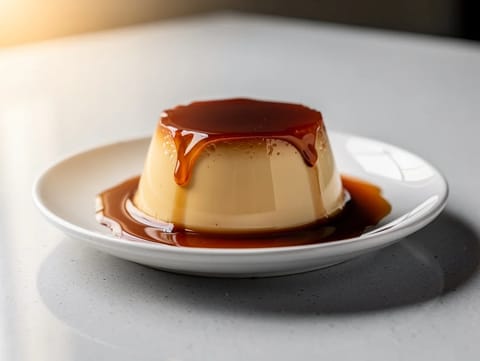
Bánh Flan (Vietnamese Caramel Custard)
Silky baked caramel custard made with eggs, milk and condensed milk
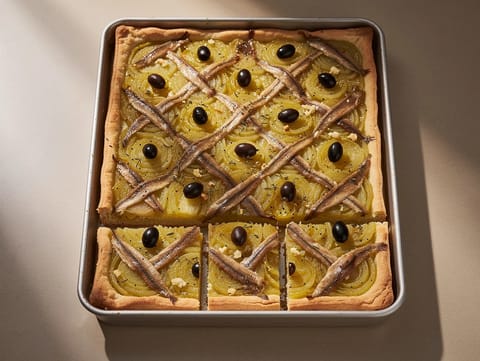
Pissaladière Niçoise (Onion and Anchovy Tart)
Onion tart topped with anchovies and black olives
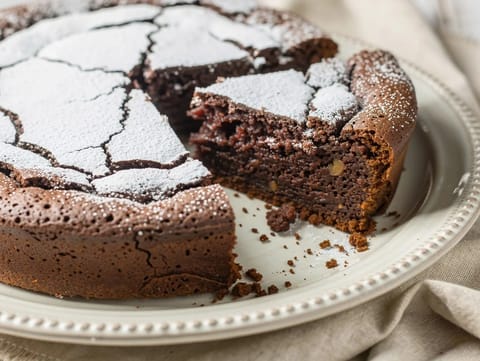
Torta Caprese (Flourless Chocolate and Almond Cake)
Flourless chocolate and almond cake with a fudgy centre
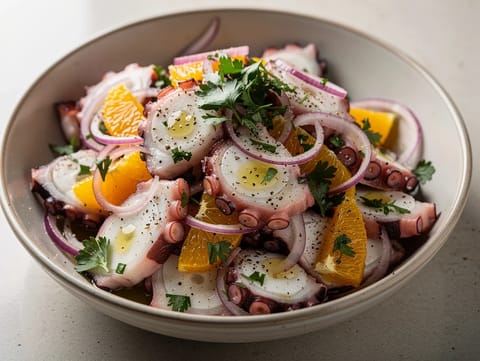
Citrus Octopus Salad
Chilled octopus salad with orange, lemon and parsley
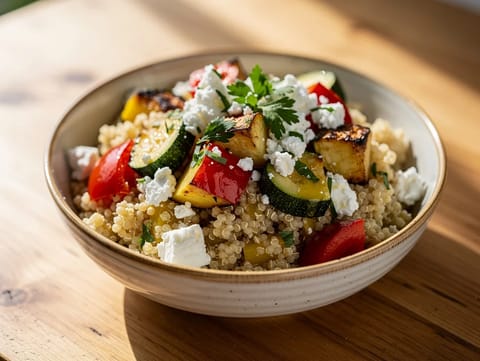
Kasza Jaglana Bowl (Millet with Roasted Vegetables and Feta)
Millet bowl with roasted courgette, red pepper and feta

Sheer Khurma (Eid Vermicelli Milk Dessert)
Vermicelli simmered in sweetened milk with dates, raisins and nuts
Make this recipe easier next time
AdvertisementThese tools help you get better results with less effort.
Misen Carbon Steel Nonstick Frying Pan 12 Inch
- Works on all stovetops
- Naturally nonstick when seasoned
- Requires seasoning and maintenance
Pyrex Glass Mixing Bowls with Lids
- Microwave safe
- BPA-free lids
- Glass is heavier
All-Clad HA1 Hard Anodized Nonstick Fry Pan 12 Inch
- Top-tier build quality
- Excellent heat distribution
- Expensive
KitchenAid Stainless Steel Mixing Bowls
- Non-slip base
- Stainless steel
- Not microwave safe
Enjoy cooking with JustRecipes?
Add JustRecipes as one of your preferred Google sources to discover our recipes more easily across Google Search.
Add JustRecipes to GoogleEvery recipe on JustRecipes follows the same structured editorial process. Learn how recipes are created, validated, translated, illustrated, and continuously improved across the platform. How we create recipes.
