
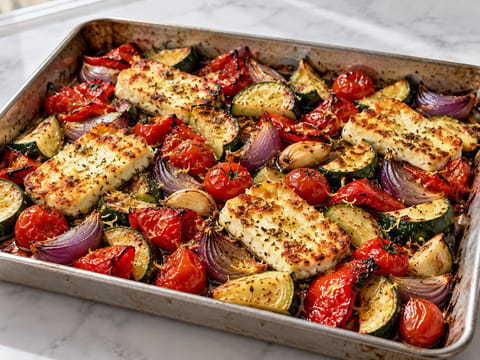
Halloumi and Roasted Vegetable Traybake
Halloumi traybake with roasted courgette, pepper and tomatoes
British cooking is less a single flavour profile than a set of familiar formats: roasts and pies, soups and stews, breads and bakes, and a strong tradition of puddings. It often leans on good stock, careful browning and simple seasonings that let the main ingredient lead.
Use this page when you want those recognisable shapes on the table, whether that means a crisp-topped pie, a tray of scones, or a slow-cooked joint with gravy and vegetables alongside.
Look for recipes built around a clear centrepiece and supporting sides: a roast with gravy, a pie with a vegetable on the side, or a soup with bread. Sauces are often practical rather than showy, thickened with flour, reduced stock, or the cooking juices from meat and vegetables. Seasoning is usually straightforward, so ingredient quality and technique matter: browning meat well before braising, sweating onions gently for sweetness, or baking pastry until it is properly set rather than pale.
Halloumi traybake with roasted courgette, pepper and tomatoes
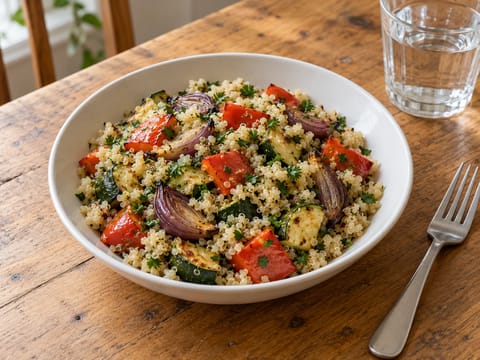
Quinoa salad with roasted courgette, pepper and onion
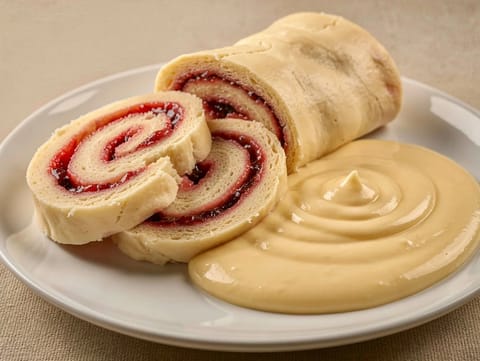
Steamed suet pudding rolled with strawberry jam
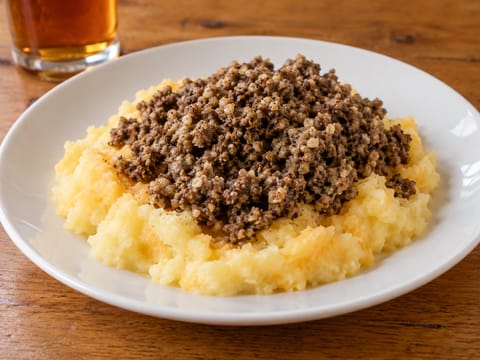
Warmed haggis with mashed swede and potatoes
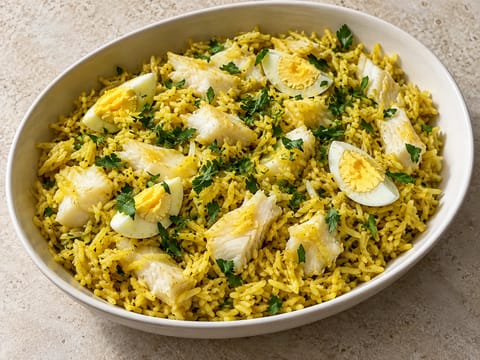
Curried rice with smoked haddock, eggs, butter and parsley
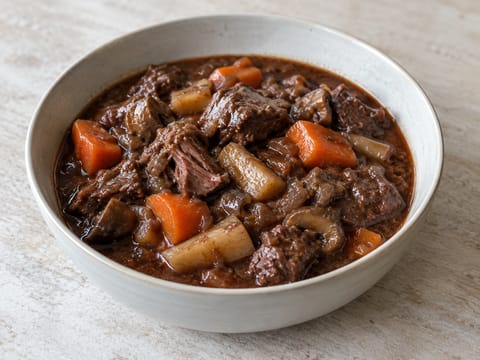
Venison stew with root vegetables in a rich gravy
British cooking is rich in dishes defined by their structure. Pies may be fully enclosed, topped with pastry, or finished with mashed potato, and the filling is commonly a gravy-like stew that needs time to cool slightly before it goes into the crust. Roasts are as much about what happens in the tin as the joint itself: rendered fat, browned bits and resting juices become the base for gravy. Baking ranges from everyday loaves and buns to teatime favourites such as scones, while puddings can mean both steamed or baked desserts and savoury dishes set with batter.
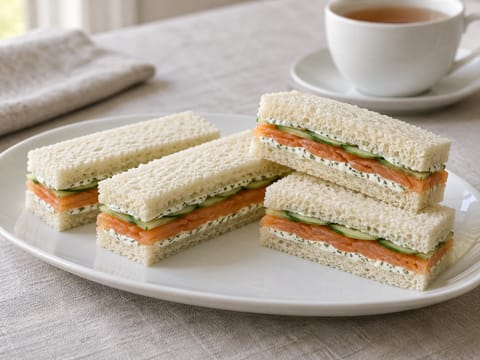
Finger sandwiches with smoked salmon, cucumber and cream cheese
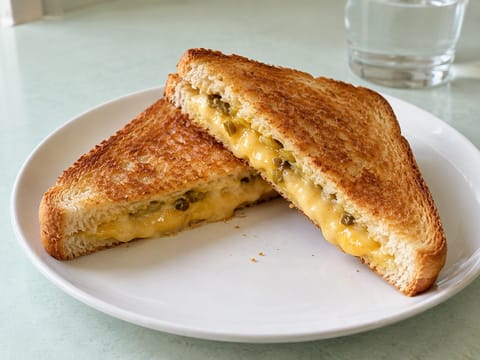
Toasted sandwich with mature cheddar and Branston pickle
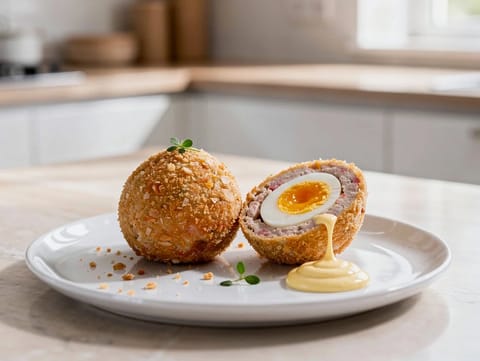
Scotch eggs with sausage meat and mustard mayonnaise dip
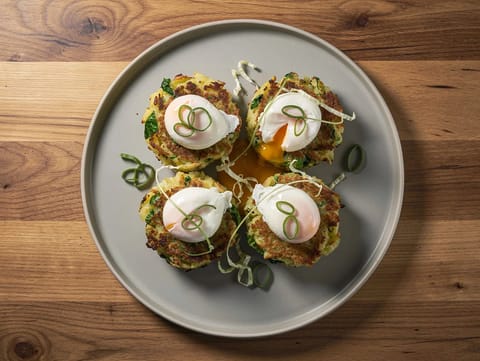
Fried potato and cabbage cakes topped with poached eggs
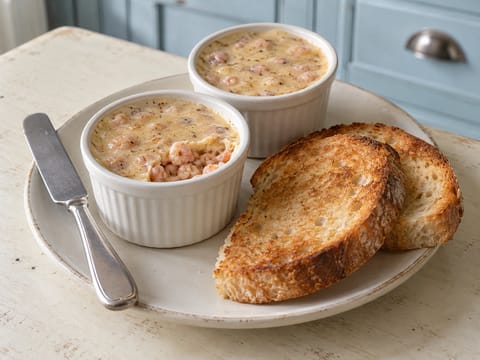
Potted prawns set in brown butter, served with toast
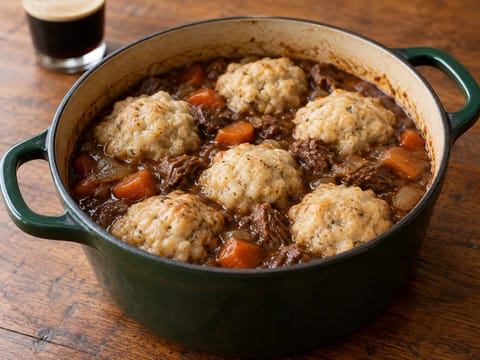
Beef and Guinness stew topped with fluffy suet dumplings
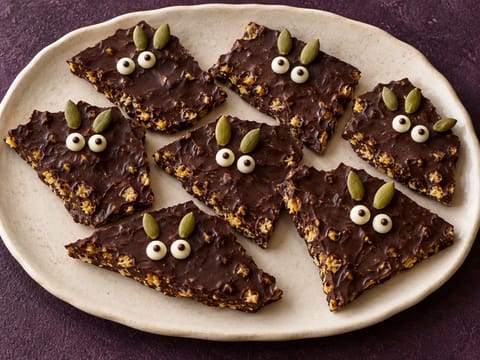
Dark chocolate monster bark with airy honeycomb and white chocolate eyes
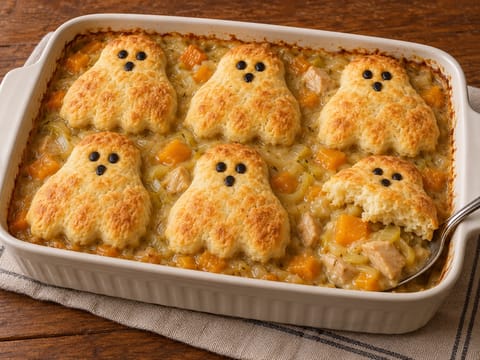
Chicken and pumpkin cobbler topped with Cheddar ghost scones

Toffee apples with crunchy black sesame bases
Many British recipes revolve around sturdy vegetables and dairy. Potatoes appear mashed, roasted, or layered as a topping, and brassicas often show up as simple sides or folded into soups and stews. Butter, milk and cheese bring richness to sauces and bakes, while mustard, horseradish, pickles or chutneys add the sharpness that keeps heavier plates lively. Dried herbs, bay and black pepper are common background flavours; when a recipe uses stronger accents, they are often tied to specific dishes rather than applied across the board.
British food culture has long balanced everyday thrift with occasional centrepiece meals. Many well-known dishes suit cooler weather because they rely on slow heat, sturdy vegetables and pastry, but the same kitchen habits also produce lighter plates, especially when good produce is available. Baking is a constant thread, from bread and buns to cakes and biscuits, and it sits comfortably alongside savoury cooking rather than feeling like a separate world. If a recipe reads as British-inspired, it may borrow these formats while swapping in different spices, vegetables or proteins.
If you know the dish shape you want, browsing by Dish can quickly narrow things down to pies, roasts, soups or bakes. For a more technique-led approach, Cooking method helps when you are deciding between braising, roasting, baking or frying, which often determines both texture and timing.

Chilled jal jeera with roasted cumin, tamarind and mint
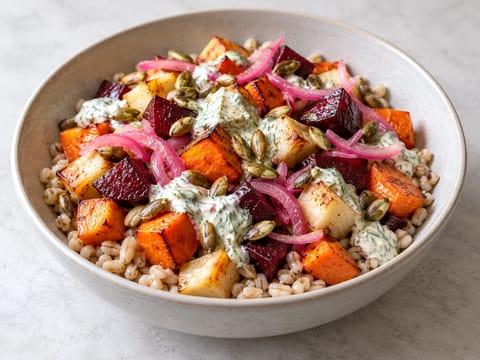
Roasted root vegetables over barley with dill yoghurt dressing
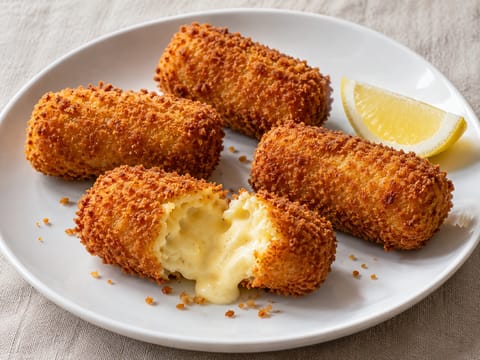
Belgian cheese croquettes with cheddar béchamel and a crisp coating
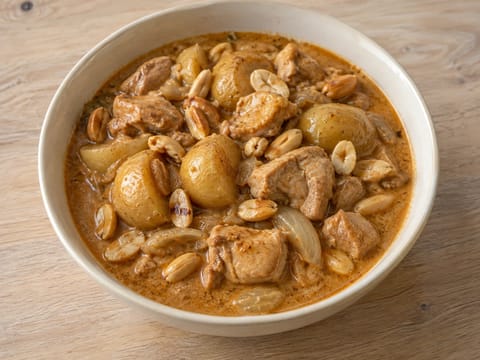
Mild Massaman chicken curry with potatoes, tamarind and peanuts
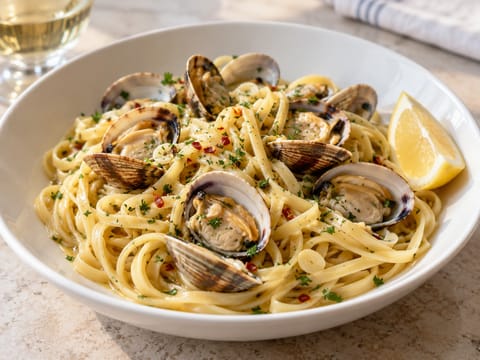
Linguine with clams, garlic, white wine, chilli and parsley
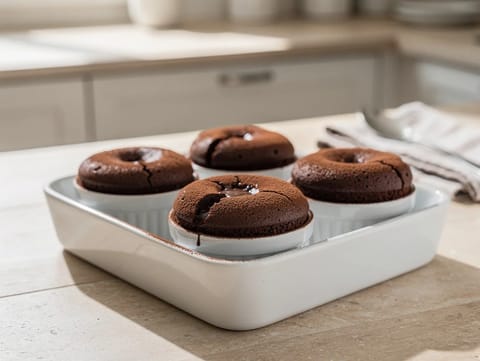
Individual chocolate cakes with a molten centre.
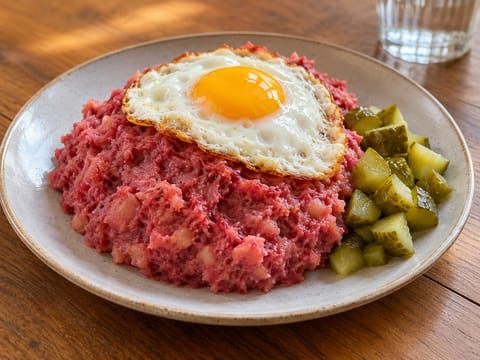
Northern German potato hash with corned beef and beetroot
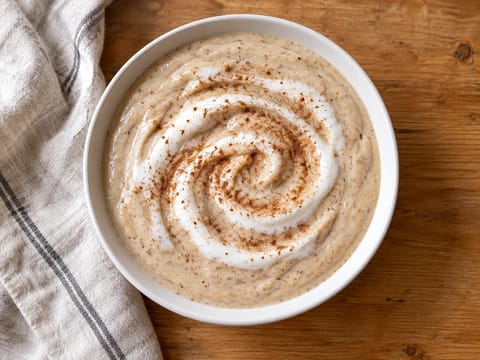
Cinnamon roll smoothie bowl with banana, yoghurt, oats and cinnamon.
Not necessarily. Many British classics are rich because they use pastry, dairy and slow-cooked sauces, but the cuisine also includes broths, simple grilled or baked fish, and vegetable-forward sides. The format of the dish often matters more than the calorie density.
A filling that is thick enough to hold together once cut is typical. That usually means a gravy-like base from stock and flour or reduction, plus time for the filling to cool slightly before it meets the pastry, so the crust can bake crisp rather than turning soggy.
No, but it is a common supporting element, especially with roasts and some pies. When it appears, it is often built from browned bits in the roasting tin, stock and resting juices, so good browning and deglazing make a noticeable difference.
They are different traditions. British scones are typically lightly sweet or plain, leavened, and baked to split and serve with butter, jam or cream. The word “biscuit” in Britain usually means a crisp cookie-style bake.
It can mean dessert, but it can also refer to a savoury dish set with batter or steamed in a basin. The name tells you the format more than the flavour.
British cooking is easiest to navigate by structure: roast, pie, bake, soup or pudding. Once you have the format, decide whether you want a simple, ingredient-led version or a British-inspired twist with different seasonings, vegetables or fillings.
