
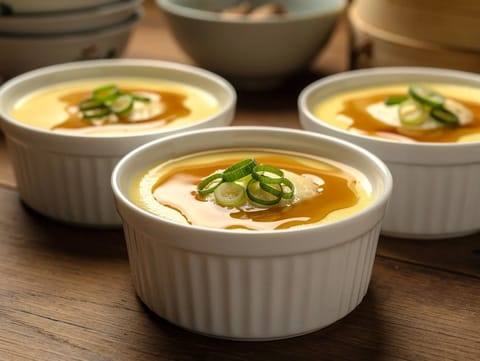
Steamed Egg Custard (Zheng Shui Dan)
Silky Chinese steamed egg custard with soy and sesame

Chinese cooking is best understood as many regional cuisines with shared techniques and pantry staples, rather than one fixed set of flavours. Across styles, you will often see a focus on texture, careful knife work, and fast, high-heat cooking balanced by slower braises and soups. Sauces and seasonings tend to be built from a small set of ingredients used in different proportions, so learning the cues in a recipe title or ingredient list can help you predict whether a dish will be light and gingery, deeply savoury, chilli-hot, or sweet-sour.
Chinese can refer to dishes rooted in specific regions, family cooking that varies from household to household, and Chinese-inspired recipes that borrow familiar flavours for a different kitchen context. It does not automatically mean one heat level, one sauce, or one cooking method. Some recipes are built for speed in a wok, while others rely on gentle steaming, red-braising, or long-simmered broths. When you are unsure what to expect, look for regional references, the main cooking technique, and whether the seasoning leans on soy sauce, fermented bean pastes, chilli oils, vinegar, or aromatic spices.
Silky Chinese steamed egg custard with soy and sesame
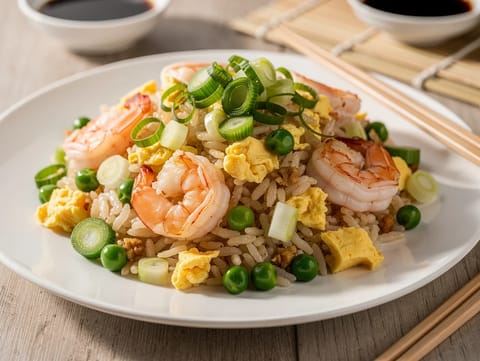
Stir-fried rice with prawns, egg, peas and spring onions
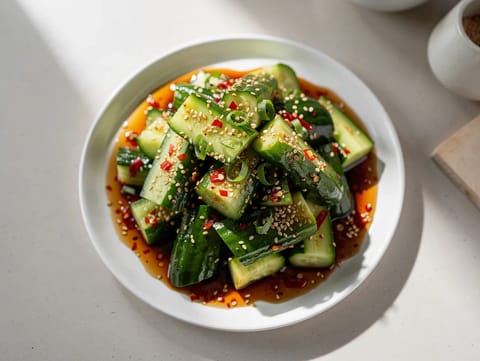
Smacked cucumber salad with chilli oil, garlic and sesame
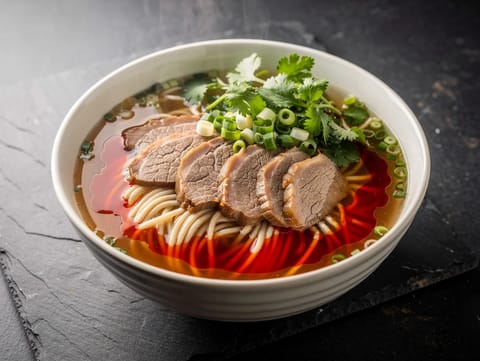
Lanzhou beef broth with hand-pulled noodles, beef and chilli oil
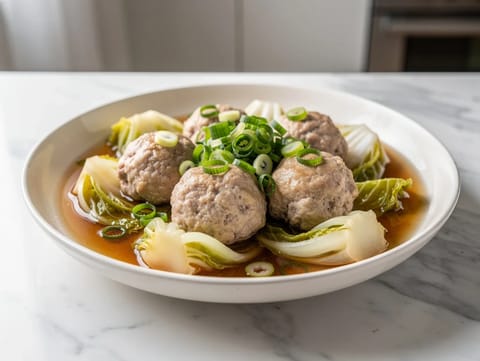
Shanghai pork meatballs braised with Chinese cabbage

Black milk tea served over chewy tapioca pearls and ice
A typical Chinese pantry often includes light and dark soy sauce, rice wine or a similar cooking wine, vinegars, sesame oil, and starches such as cornflour for velvety sauces. Aromatics like ginger, garlic and spring onions are common starting points, while dried chillies, Sichuan pepper, five-spice and star anise appear in particular styles. Fermented ingredients, from bean pastes to pickled vegetables, bring savoury depth and complexity. For texture, tofu, noodles, dumpling wrappers and quick-cooking greens are frequent, and the way they are cut and cooked is as important as the seasoning.
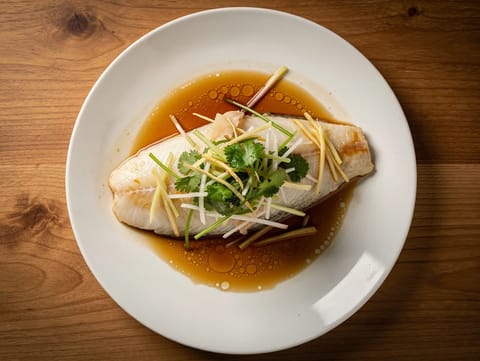
Gently steamed fish with soy, ginger and spring onions
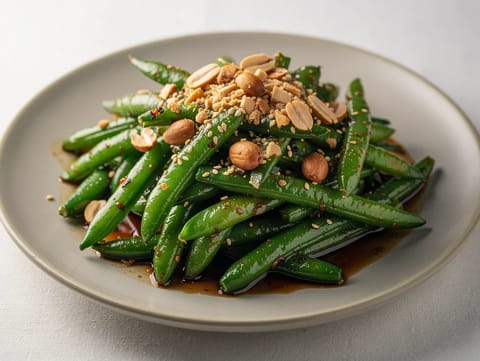
Green bean salad with black vinegar, chilli oil and peanuts
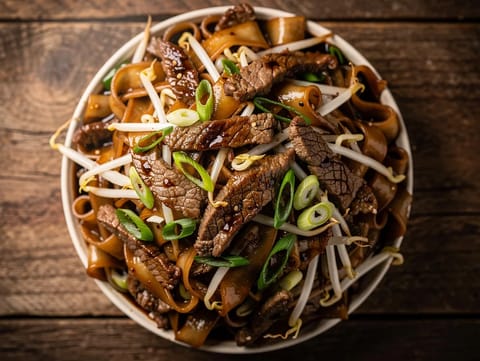
Cantonese beef stir-fried rice noodles with beansprouts
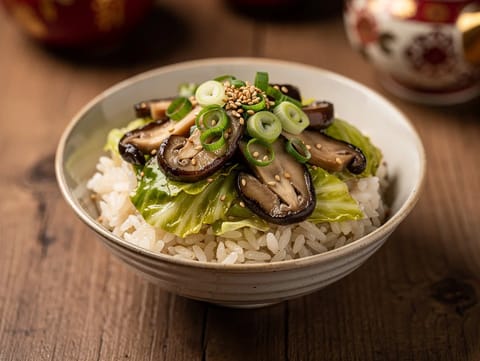
Jasmine rice with Chinese cabbage and shiitake mushrooms
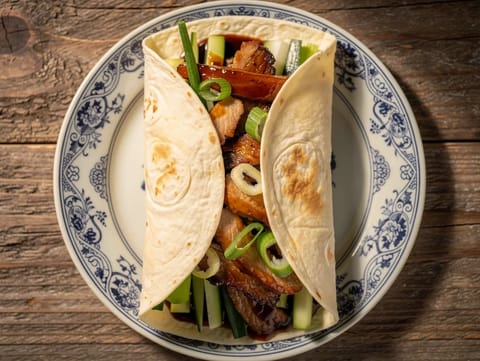
Tortilla wrap filled with hoisin pork, cucumber and spring onion
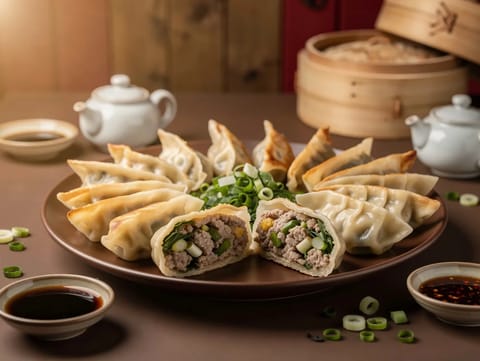
Boiled pork and chive jiaozi with soy and black vinegar
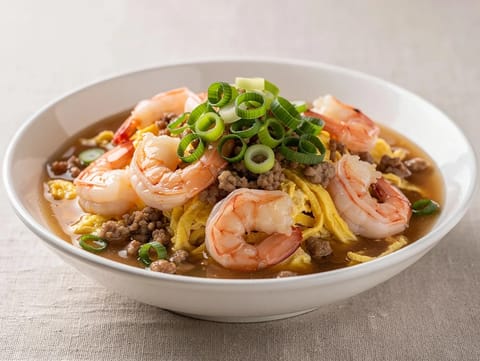
Prawns in silky lobster sauce with minced pork and egg ribbons
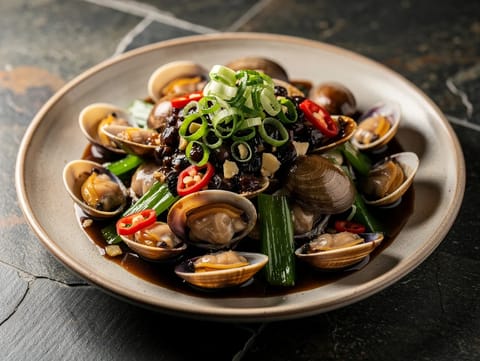
Clams stir-fried in black bean sauce with garlic and chilli
Hot-tossed noodles with ginger and spring onion oil, soy sauce, vinegar and sesame
Jasmine rice topped with chilli oil tofu, black vinegar, cucumber and spring onion
Stir-fried aubergine in a thick garlic sauce with doubanjiang and black vinegar
Cracked eggs simmered in black tea, soy sauce, sugar, star anise and cinnamon
Stir-fries are a headline style, usually built around quick-cooking proteins and vegetables with a sauce that clings rather than pools. Noodle and rice dishes range from simple, lightly seasoned bowls to richer, sauce-led plates. Dumplings and buns bring a different rhythm: mixing a filling, shaping, then steaming, boiling or pan-frying for contrast. Braises and clay-pot style dishes tend to be darker and more aromatic, often with soy, sugar and spices cooked down into a glossy sauce. Soups can be clear and delicate or deeply savoury, depending on the broth base and additions.
China’s regional cuisines reflect climate, agriculture and local tastes, so it is normal to see big differences between, say, coastal seafood traditions, wheat-based northern cooking, and chilli-forward inland styles. Migration has also shaped Chinese cooking globally, creating well-loved diaspora dishes that may differ from regional originals while still following Chinese technique and flavour logic. When a recipe is described as Chinese-style, it is worth reading it as a set of choices: the staple seasonings, the balance of savoury, sweet, sour and heat, and the method used to achieve a particular texture.
Chinese-style recipes are often defined by how they are cooked. Cooking method helps you separate stir-frying and steaming from braising and deep-frying. Ingredients is equally useful when you want to focus on tofu, noodles, leafy greens, pork, or the fermented seasonings that give many dishes their signature depth.

Thin, crisp speculoos biscuits with warming spices
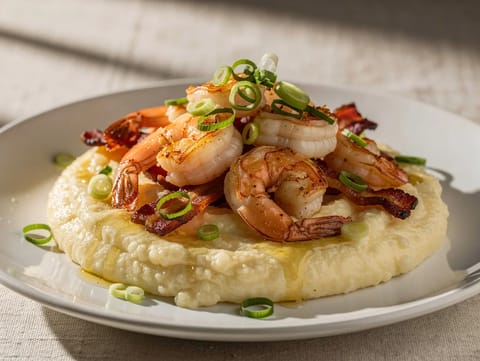
Creamy grits topped with bacon sautéed prawns
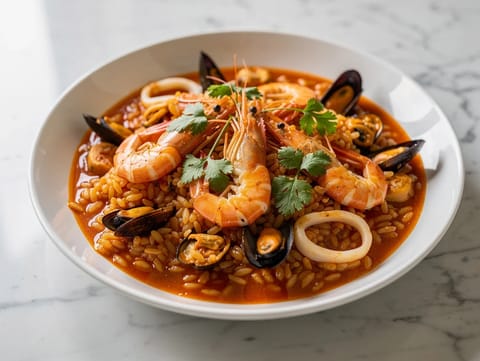
Portuguese seafood rice with prawns, mussels, squid and tomato
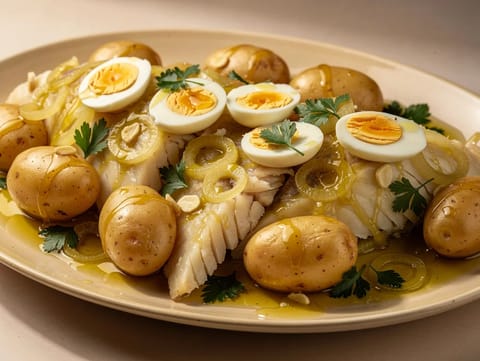
Salt cod with potatoes, eggs, olive oil, garlic and onion
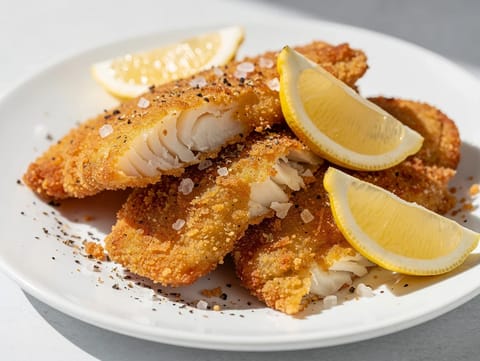
Breaded white fish fillets cooked crisp in the air fryer.
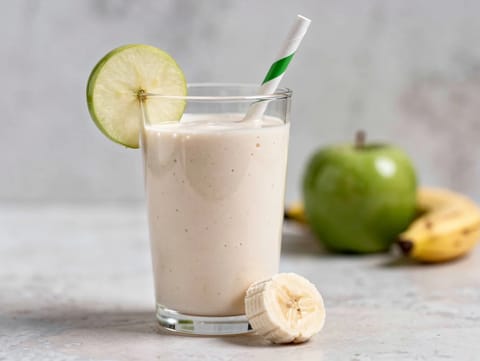
Blend kefir with apple, banana and cinnamon until smooth.
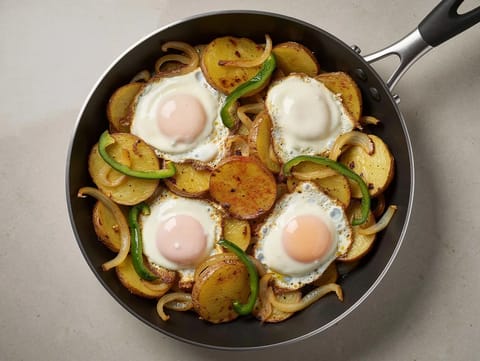
Spanish potatoes cooked in olive oil with vegetables and egg
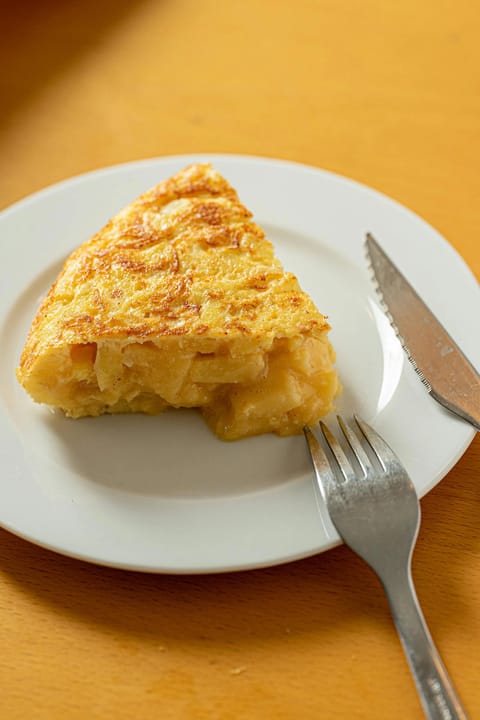
Thick Spanish omelette with potatoes and onion
No. Stir-frying is important, but steaming, boiling, braising, roasting and deep-frying are also central techniques, depending on the dish and region.
Light soy sauce is generally saltier and used for seasoning, while dark soy sauce is often used more for colour and a deeper, slightly sweeter savoury note. Recipes vary in how they combine them.
Heat varies widely by region and dish. Many styles are aromatic rather than hot, and some focus more on ginger, garlic, vinegar or gentle savoury flavours.
Often it is a starch slurry, such as cornflour mixed with water, added near the end of cooking. It thickens quickly and helps sauce cling to ingredients.
It typically means the recipe borrows familiar flavour cues, such as soy-sesame-ginger or sweet-sour profiles, while adapting ingredients or methods to a different kitchen or dietary preference.
With Chinese-style cooking, a quick scan of the seasonings tells you a lot. Soy and fermented pastes point to savoury depth, vinegar brings brightness, chilli oils and dried chillies signal heat, and steaming or braising will shape the final texture as much as the sauce.
