
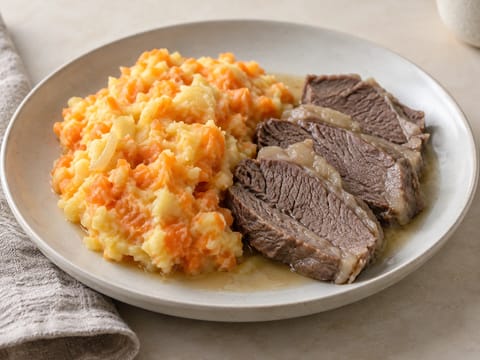
Hutspot met Klapstuk (Carrot and Onion Mash with Boiled Beef)
Dutch potato mash with carrots and onions served with boiled beef
Dutch cooking is often practical, seasonal and built around a few dependable staples: potatoes, vegetables, dairy and simple meats or fish. Many Dutch-style recipes are straightforward to cook, but they rely on getting the texture right, whether that is a creamy mash, a well-browned bake, or a soup that tastes properly rounded. You will also find a strong baking tradition, with spiced biscuits and cakes alongside everyday breads. If you are looking for Dutch ideas, it helps to separate traditional homestyle dishes from Dutch-inspired recipes that borrow the same flavours in a more modern format.
The Netherlands has long been connected to global trade, and you can see that in the presence of spices in baking and in the popularity of Indonesian-influenced dishes in Dutch food culture. At the same time, much Dutch home cooking is rooted in what grows well in a cool climate: sturdy vegetables, potatoes, apples and dairy. Regional variation exists, but the overall style tends to prioritise nourishment and simplicity, with sauces and seasonings used to support the main ingredients rather than dominate them. Reading a recipe for these cues helps you understand whether it is aiming for traditional Dutch comfort food or a Dutch-inspired twist.
Dutch potato mash with carrots and onions served with boiled beef
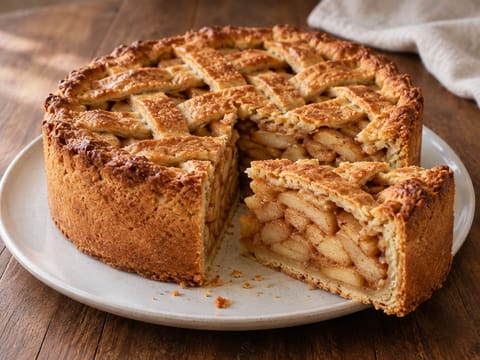
Dutch apple pie with cinnamon apples and buttery pastry

Bacon-wrapped pork and beef rolls with pan gravy
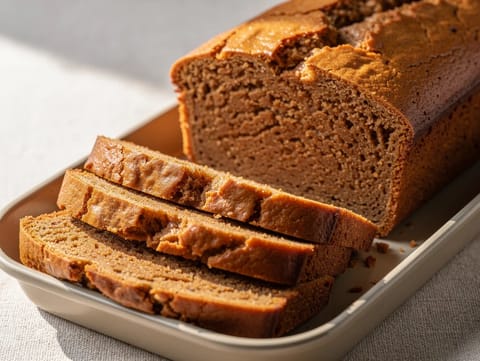
Moist spiced loaf cake made with brown sugar and milk
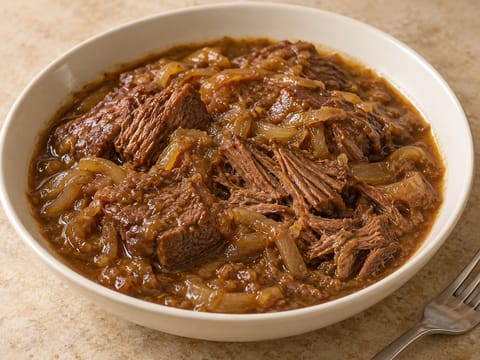
Dutch slow-braised beef that pulls into tender strands
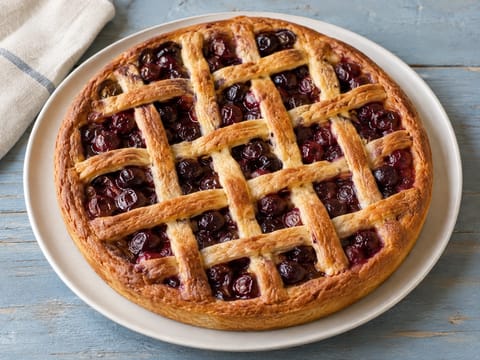
Dutch cherry tart with a soft yeasted base
Dutch on a recipe label often points to homestyle, Northern European comfort cooking and baking, rather than restaurant-style complexity. It does not automatically mean bland, but the flavour profile is commonly gentle, with sweetness and spice appearing more in baking than in savoury dishes. It also does not necessarily mean strictly traditional: many Dutch households cook dishes influenced by former colonies and migration, and modern Dutch-inspired recipes may use the same flavour cues with different ingredients or lighter methods. Look for the core staples and the overall approach to seasoning to understand the intent.

Banana and buttermilk blended into a lightly tangy smoothie.
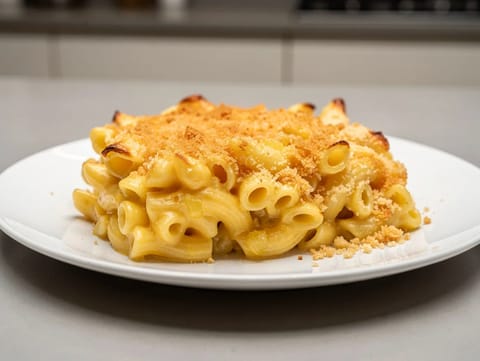
Baked macaroni with creamy Gouda and breadcrumbs
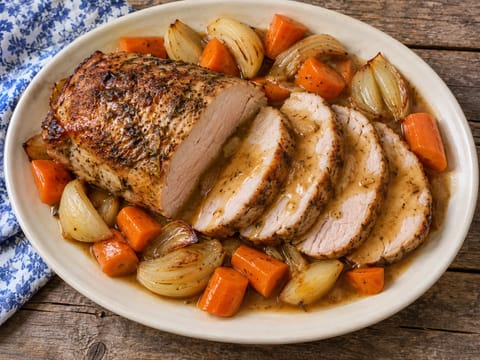
Oven-roasted pork with mustard, garlic, herbs and gravy
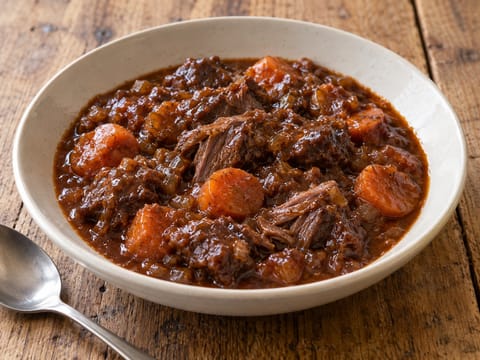
Slow-braised beef stew with red wine, bay and thyme

Buttery almond wreath pastry with flaked almonds and icing glaze

Almond wreath biscuits topped with pearl sugar
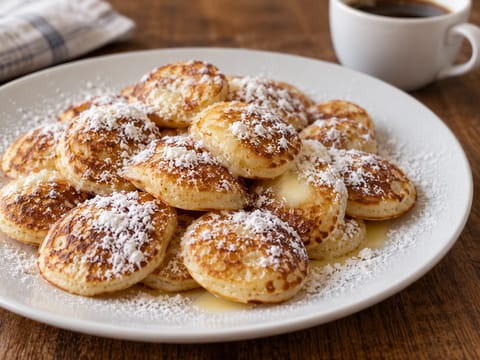
Mini yeast pancakes served with butter and icing sugar
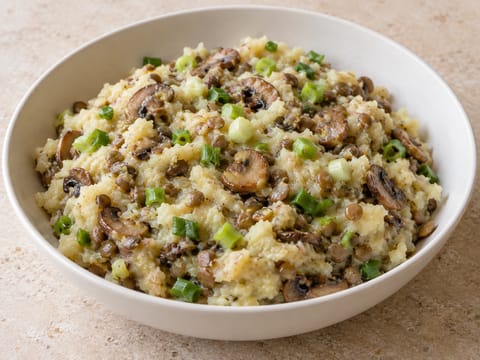
Vegan Dutch mash with lentils, mushrooms and mustard
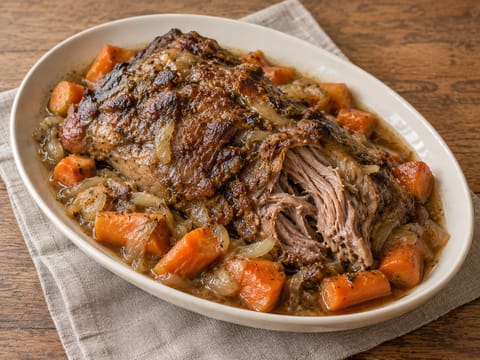
Slow-braised lamb shoulder with carrots, thyme and rich juices
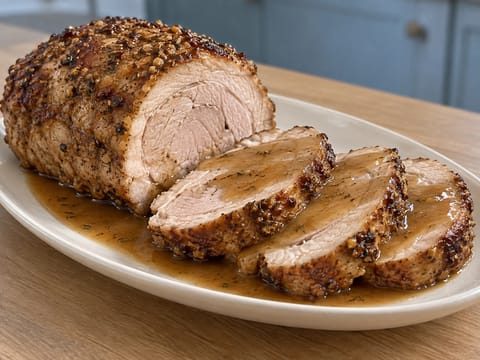
Roasted rolled pork loin with mustard and gravy
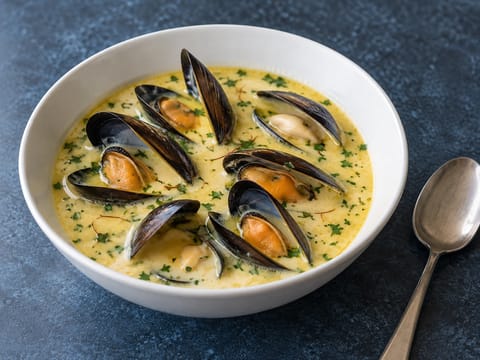
Mussel soup with white wine broth and saffron-infused cream
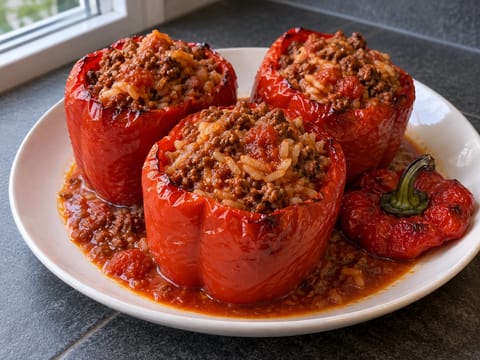
Baked red peppers stuffed with minced beef, rice and tomato passata
Potatoes and vegetables are central, often combined into mash-style dishes where the goal is a cohesive, comforting texture. Brassicas, carrots, onions and leeks are common supporting vegetables, and dairy shows up as butter, milk, cream or cheese. Apples and pears feature in both sweet and savoury contexts, and baking often leans on cinnamon, cloves, nutmeg and ginger, sometimes alongside treacle or brown sugar notes. In savoury cooking, mustard and vinegar can provide lift, especially when a dish is otherwise built on soft textures and mild flavours.
Expect hearty one-pan or one-pot dishes where potatoes and vegetables do much of the work, alongside soups that suit cool weather and simple lunches. Fish and seafood appear too, particularly in coastal traditions, often prepared in straightforward ways that keep the flavour clean. Dutch baking is a major strand: spiced biscuits, cakes and traybakes are common, and many recipes focus on a tender crumb and a clear spice profile rather than heavy frosting. If you want a more celebratory feel, look for richer bakes and desserts that lean into butter, spice and caramel notes.
Dutch-style cooking is strongly driven by what you are making: a mash-style comfort dish, a soup, a simple fish plate, or a spiced bake. Dish helps you pick that format first, while Ingredients is useful when you want to cook around potatoes, apples, brassicas or the warm spices that show up in many Dutch sweets.
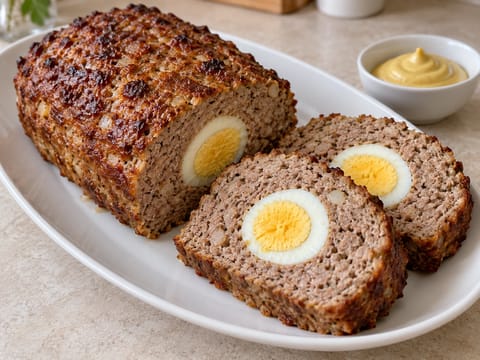
Polish roast loaf with minced pork, beef and eggs
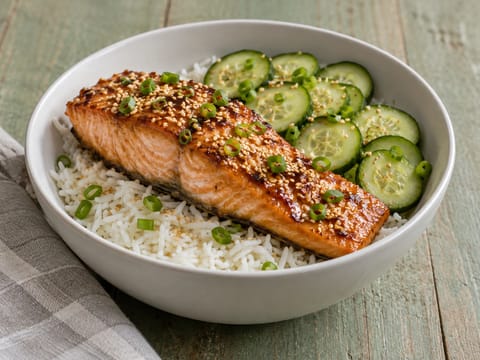
Soy and ginger salmon bowl with jasmine rice and cucumber
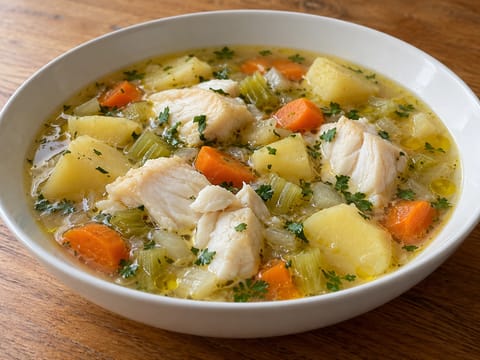
Light Greek fish soup finished with lemon and olive oil
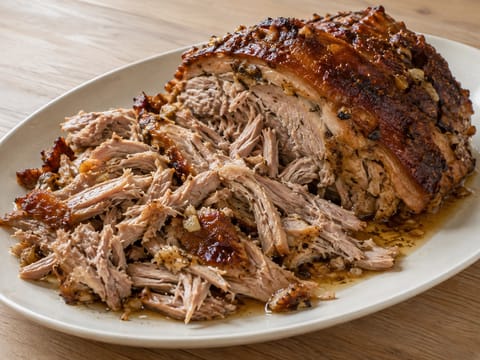
Slow-roasted pork shoulder with garlic, oregano and citrus
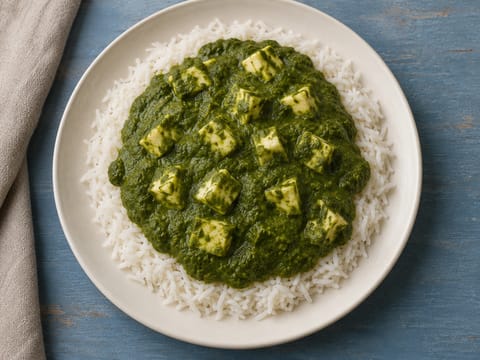
Spinach curry blended smooth and finished with paneer
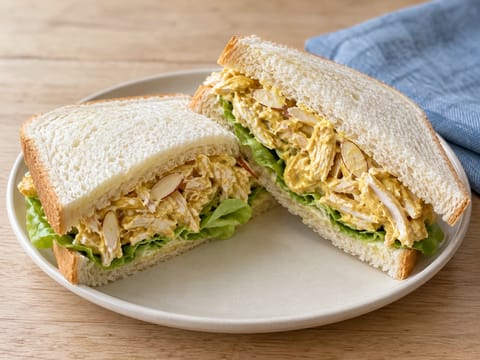
Coronation chicken sandwich with mango chutney, almonds and lettuce
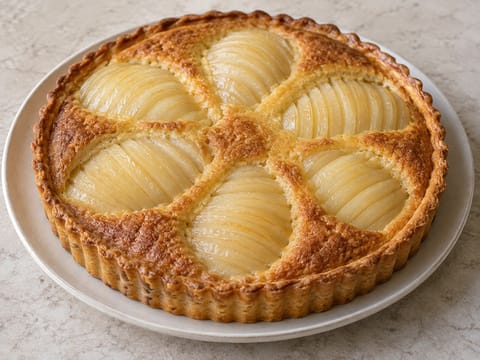
Pear and almond tart with sweet pastry and frangipane
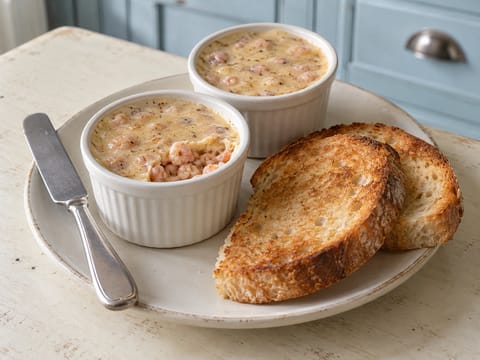
Potted prawns set in brown butter, served with toast
It overlaps, but Dutch-style recipes often have a particular focus on potatoes-and-veg combinations, dairy-rich simplicity, and a distinct tradition of spiced baking.
Usually that the recipe borrows Dutch flavour cues or formats, such as warm-spiced baking or potato-and-veg comfort dishes, while adapting ingredients, presentation or method.
Typically they are more gently seasoned, with mustard, vinegar and herbs used for balance. Warm spices are more prominent in baking than in savoury cooking.
Often it is the combination of butter-rich doughs or batters with warm spices such as cinnamon, cloves, nutmeg or ginger, sometimes paired with apple or caramel notes.
Dutch food culture includes many Indonesian-influenced dishes and flavours. Whether a specific recipe reflects that depends on its ingredients and style.
Dutch-style recipes are at their clearest when you start with the staple ingredient, often potatoes, vegetables, dairy or apples, and then choose a format: mash, soup, bake or spiced biscuit. From there, you can decide whether to keep it classic or lean into Dutch-inspired variations.
