

Zuurkoolschotel Met Rookworst (Dutch Sauerkraut Casserole with Smoked Sausage)
Mashed potato casserole with sauerkraut and smoked sausage

Dutch cooking is often practical, seasonal and built around a few dependable staples: potatoes, vegetables, dairy and simple meats or fish. Many Dutch-style recipes are straightforward to cook, but they rely on getting the texture right, whether that is a creamy mash, a well-browned bake, or a soup that tastes properly rounded. You will also find a strong baking tradition, with spiced biscuits and cakes alongside everyday breads. If you are looking for Dutch ideas, it helps to separate traditional homestyle dishes from Dutch-inspired recipes that borrow the same flavours in a more modern format.
The Netherlands has long been connected to global trade, and you can see that in the presence of spices in baking and in the popularity of Indonesian-influenced dishes in Dutch food culture. At the same time, much Dutch home cooking is rooted in what grows well in a cool climate: sturdy vegetables, potatoes, apples and dairy. Regional variation exists, but the overall style tends to prioritise nourishment and simplicity, with sauces and seasonings used to support the main ingredients rather than dominate them. Reading a recipe for these cues helps you understand whether it is aiming for traditional Dutch comfort food or a Dutch-inspired twist.
Mashed potato casserole with sauerkraut and smoked sausage
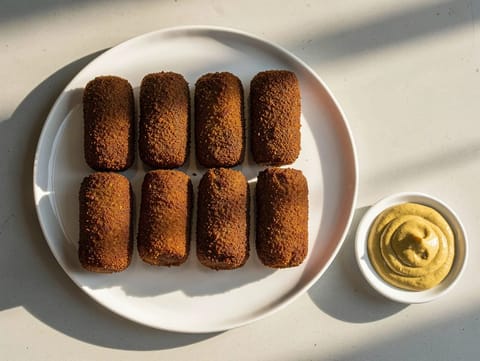
Dutch beef ragout croquettes with a crisp breadcrumb coating
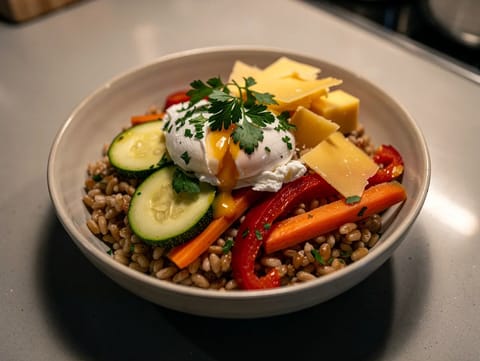
Pearl barley bowl with roasted veg, egg and Gouda
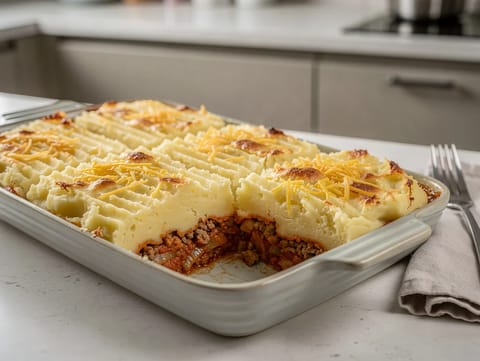
Minced beef and mashed potato casserole with Cheddar topping
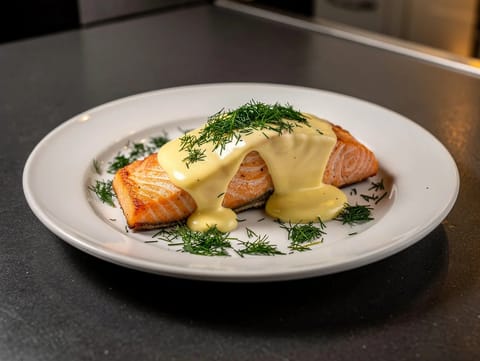
Baked salmon with warm hollandaise sauce

Baked red peppers stuffed with minced beef, rice and tomato passata
Dutch on a recipe label often points to homestyle, Northern European comfort cooking and baking, rather than restaurant-style complexity. It does not automatically mean bland, but the flavour profile is commonly gentle, with sweetness and spice appearing more in baking than in savoury dishes. It also does not necessarily mean strictly traditional: many Dutch households cook dishes influenced by former colonies and migration, and modern Dutch-inspired recipes may use the same flavour cues with different ingredients or lighter methods. Look for the core staples and the overall approach to seasoning to understand the intent.
A Dutch yeasted tart topped with apricots, baked until set and lightly browned
Dutch potato and sauerkraut mash with butter, smoked sausage and Dijon mustard
Oven-baked Dutch sauerkraut casserole layered with creamy mash and smoked sausage
Blended leek and potato soup finished with crème fraîche and smoked mackerel
Rustic Dutch stamppot of mashed potatoes and kale with tangy blue cheese
Dutch potato mash folded with endive and topped with crispy bacon
Golden chicken breasts finished in a creamy Dijon mustard sauce with shallots
Creamy erwtensoep with split peas, smoked sausage, leek, celeriac and carrot
Slow-braised Dutch game stew with red wine gravy, cranberries, juniper and bay
Kruimelvlaai is a Dutch tart with a soft base and crisp cinnamon crumble
Hearty Dutch split pea soup with pork, vegetables and warmed smoked sausage
Browned lamb shoulder slow-braised with carrots, onions, thyme, wine and stock
Potatoes and vegetables are central, often combined into mash-style dishes where the goal is a cohesive, comforting texture. Brassicas, carrots, onions and leeks are common supporting vegetables, and dairy shows up as butter, milk, cream or cheese. Apples and pears feature in both sweet and savoury contexts, and baking often leans on cinnamon, cloves, nutmeg and ginger, sometimes alongside treacle or brown sugar notes. In savoury cooking, mustard and vinegar can provide lift, especially when a dish is otherwise built on soft textures and mild flavours.
Expect hearty one-pan or one-pot dishes where potatoes and vegetables do much of the work, alongside soups that suit cool weather and simple lunches. Fish and seafood appear too, particularly in coastal traditions, often prepared in straightforward ways that keep the flavour clean. Dutch baking is a major strand: spiced biscuits, cakes and traybakes are common, and many recipes focus on a tender crumb and a clear spice profile rather than heavy frosting. If you want a more celebratory feel, look for richer bakes and desserts that lean into butter, spice and caramel notes.
Dutch-style cooking is strongly driven by what you are making: a mash-style comfort dish, a soup, a simple fish plate, or a spiced bake. Dish helps you pick that format first, while Ingredients is useful when you want to cook around potatoes, apples, brassicas or the warm spices that show up in many Dutch sweets.
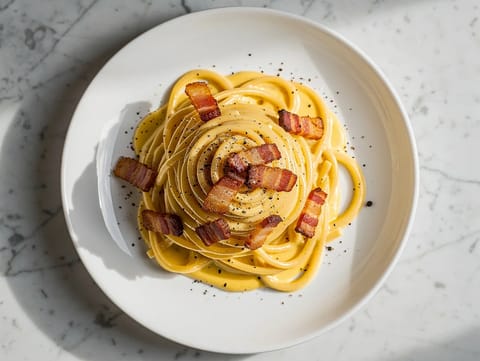
Roman spaghetti with guanciale, eggs, Pecorino and black pepper
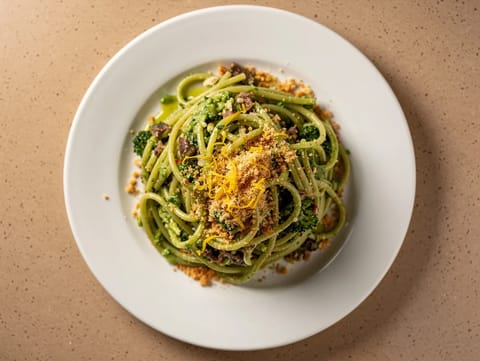
Spaghetti with broccoli, anchovies and toasted breadcrumbs
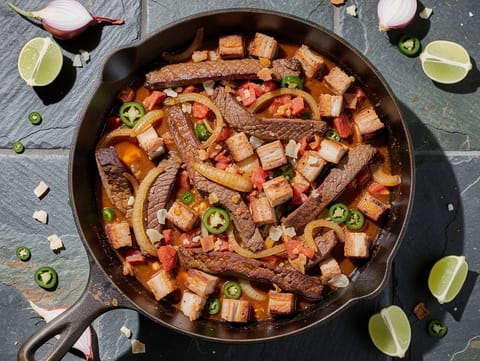
Mixed meat skillet with bacon, beef, pork and beer
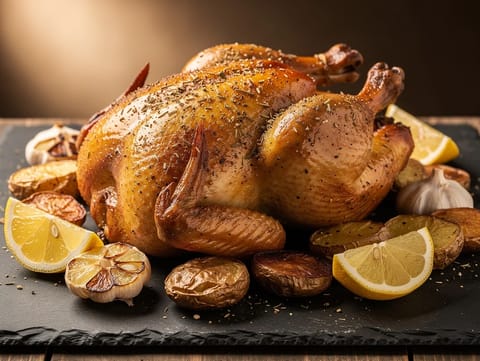
Roast chicken with Herbes de Provence, lemon and pan potatoes

Crisp fried tofu served in warm dashi broth
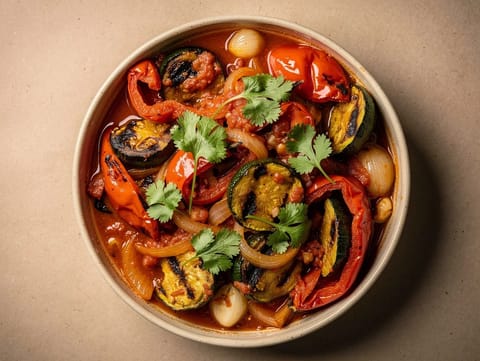
Algarve-style vegetable stew with grilled peppers and courgettes
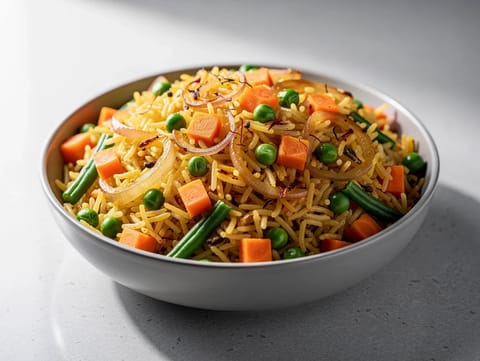
Vegetable pulao with basmati rice, ghee, saffron and spices
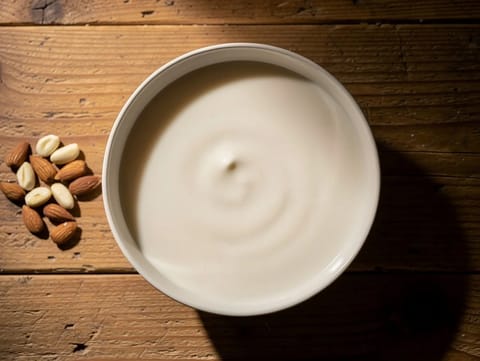
Smooth Mexican almond soup finished with double cream
It overlaps, but Dutch-style recipes often have a particular focus on potatoes-and-veg combinations, dairy-rich simplicity, and a distinct tradition of spiced baking.
Usually that the recipe borrows Dutch flavour cues or formats, such as warm-spiced baking or potato-and-veg comfort dishes, while adapting ingredients, presentation or method.
Typically they are more gently seasoned, with mustard, vinegar and herbs used for balance. Warm spices are more prominent in baking than in savoury cooking.
Often it is the combination of butter-rich doughs or batters with warm spices such as cinnamon, cloves, nutmeg or ginger, sometimes paired with apple or caramel notes.
Dutch food culture includes many Indonesian-influenced dishes and flavours. Whether a specific recipe reflects that depends on its ingredients and style.
Dutch-style recipes are at their clearest when you start with the staple ingredient, often potatoes, vegetables, dairy or apples, and then choose a format: mash, soup, bake or spiced biscuit. From there, you can decide whether to keep it classic or lean into Dutch-inspired variations.
