
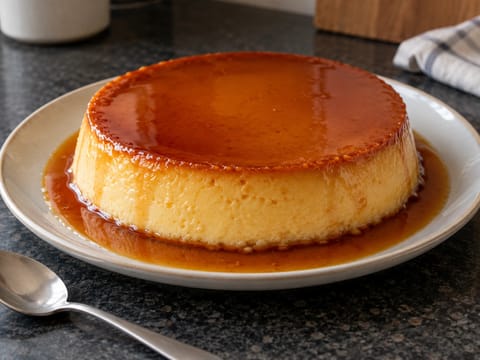
Flan Casero (Spanish Caramel Custard)
Spanish baked caramel custard made with eggs, milk and vanilla
Spanish cooking often starts with a few dependable flavour builders: olive oil, garlic, onions and tomatoes cooked down into a sweet, savoury base, then lifted with smoked paprika, saffron, herbs or a splash of sherry or vinegar. The cuisine comfortably spans small plates and substantial one-pan dishes, with plenty of room for both traditional classics and modern, lighter interpretations.
Use this page to choose Spanish-style recipes by the kind of dish you want to put on the table, from tapas-style bites to rice dishes and slow-cooked stews.
A Spanish label often signals Mediterranean ingredients and techniques, but it does not mean every dish is spicy, tomato-heavy or seafood-based. Some recipes are built around olive oil and garlic with very few other flavours; others rely on slow-cooked onion and tomato bases, cured meats, or seafood broths. You may also see Spanish-inspired recipes that borrow the flavour cues, such as smoked paprika or a tomato-onion sofrito, while using different vegetables or proteins. If you want a more traditional feel, look for recipes that pay attention to the base and the cooking fat, not just the garnish.
Spanish baked caramel custard made with eggs, milk and vanilla
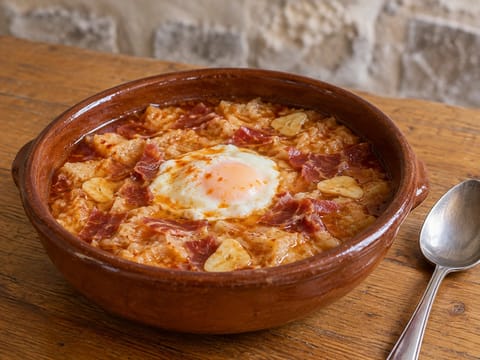
Garlic and bread soup with poached eggs and serrano ham
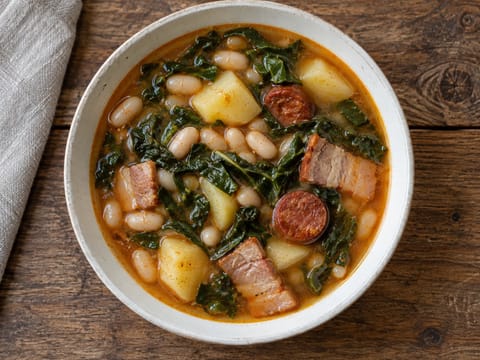
Galician bean, potato and greens broth with chorizo
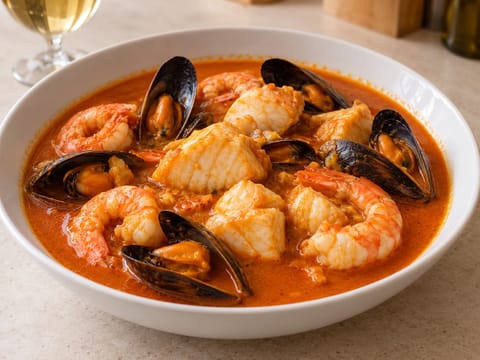
Catalan fish stew with monkfish, mussels and prawns
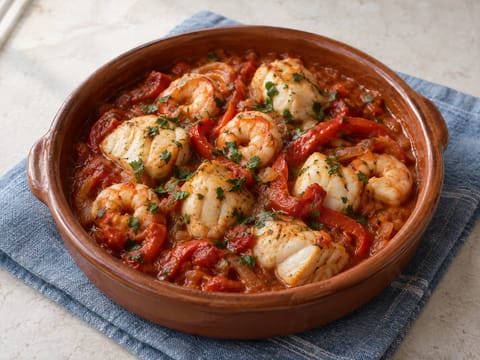
Monkfish and prawns in saffron tomato and white wine sauce
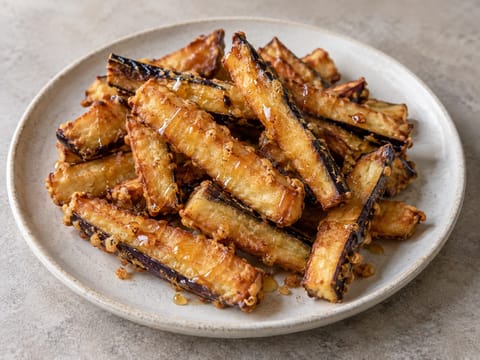
Crisp fried aubergine batons drizzled with cane honey
Spanish cooking offers clear, recognisable formats. Tapas-style dishes tend to be small, punchy and built for sharing, often relying on good ingredients and quick cooking. Tortilla-style dishes (such as Spanish omelette) are defined by texture: tender potatoes set in eggs, served warm or at room temperature. Rice dishes range from brothy to drier, and they depend on the right balance of liquid, heat and resting time for the grains to settle. Stews and braises often start with a cooked-down base and finish with a glossy, savoury sauce that clings rather than floods.
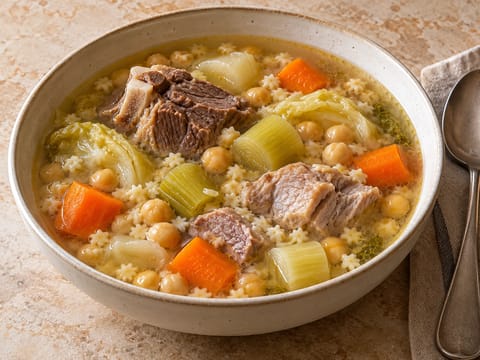
Catalan stew with beef, pork, chickpeas and pasta
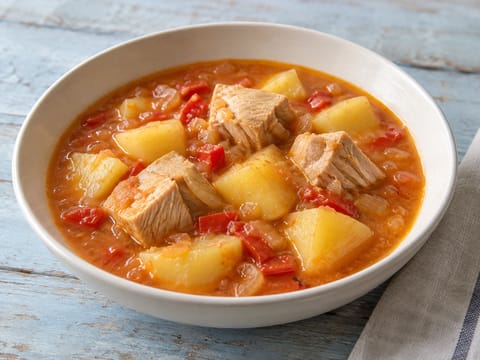
Basque tuna and potato stew simmered with peppers and paprika
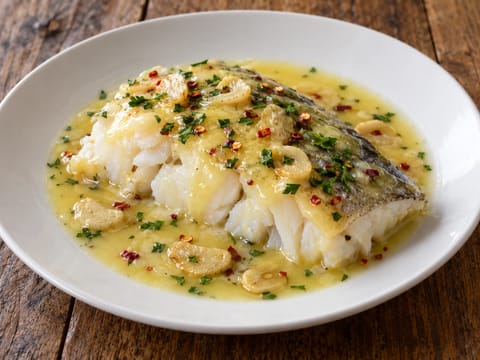
Salt cod in olive oil with garlic and chilli pil pil sauce
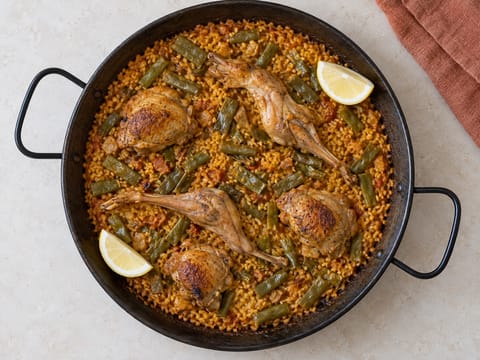
Spanish saffron rice with chicken, rabbit and green beans
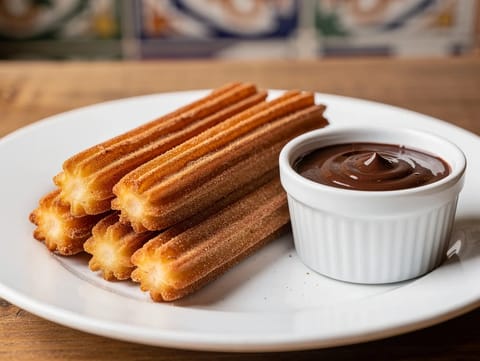
Air-fried churros rolled in cinnamon sugar with chocolate sauce.
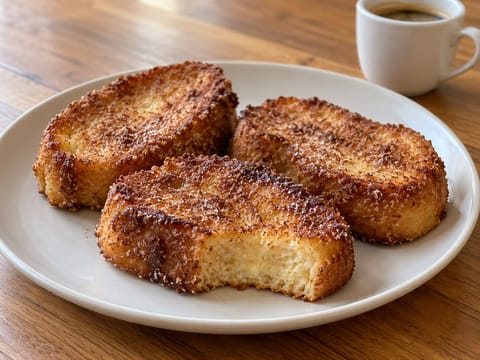
Fried torrijas coated in sugar and cinnamon
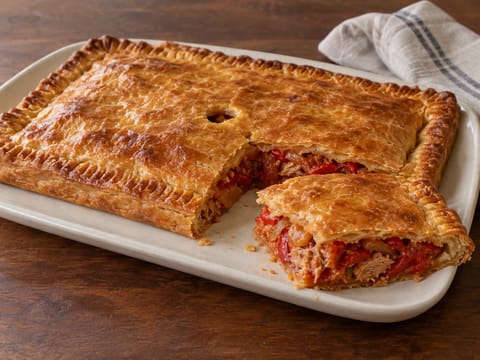
Galician tuna and pepper pie in olive oil pastry
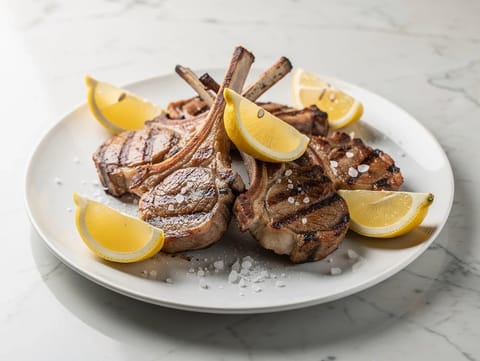
Lamb cutlets grilled over vine shoots with garlic and rosemary
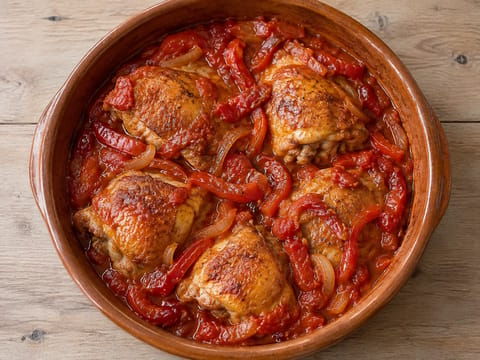
Chicken braised with peppers and a tomato-based sauce
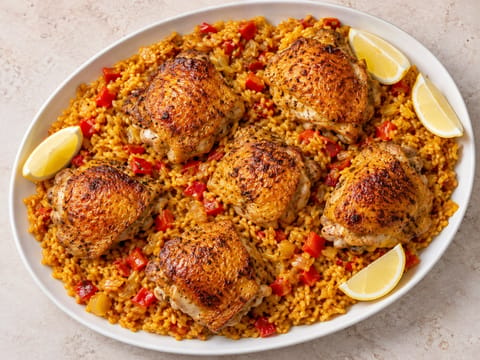
One-pan Spanish chicken and rice with saffron and paprika
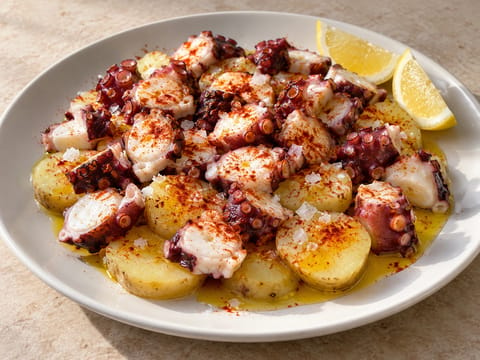
Galician octopus served over boiled potatoes with smoked paprika
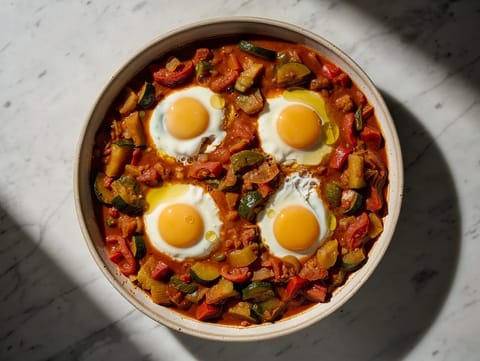
La Mancha vegetable stew topped with fried eggs
Sofrito, a slow-cooked mixture of onion, garlic and often tomato, is a common backbone that gives sweetness and depth without needing many spices. Gentle frying in olive oil is used to soften aromatics and bloom paprika, but the timing matters: paprika can turn bitter if scorched, so it is often added off the highest heat. For stews and rice dishes, controlled simmering is key, because too vigorous a boil can break delicate ingredients or turn rice mushy. Many Spanish dishes taste best when allowed a short rest, which lets flavours settle and textures firm slightly.
Spain’s regional cuisines reflect geography: coastal areas often lean towards seafood and simple preparations that highlight freshness, while inland cooking may feature legumes, cured meats and slow-cooked dishes. The same named dish can vary by region and household, especially with rice dishes, stews and small plates. Modern Spanish cooking also plays with lighter techniques and seasonal vegetables while keeping familiar flavour cues such as olive oil, garlic and smoked paprika. Treat regional labels as helpful hints rather than strict rules, and let the method tell you whether a dish is meant to be bright and quick or deep and slow.
If you are planning a spread, browsing by Dish helps you gather tapas-style plates, rice dishes, stews and omelette-style recipes that sit naturally together. For a technique-led approach, Cooking method is useful when you are choosing between frying, braising, grilling or baking, which strongly affects the final texture.
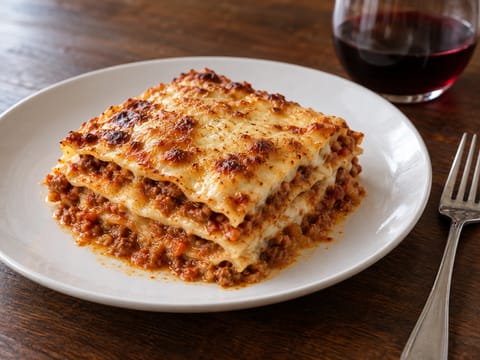
Layered lasagna with beef and pork ragù and béchamel
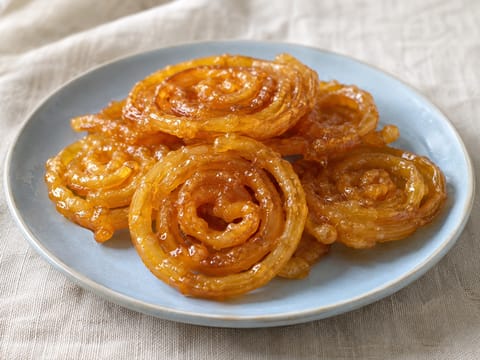
Crisp fried spirals soaked in saffron and cardamom syrup
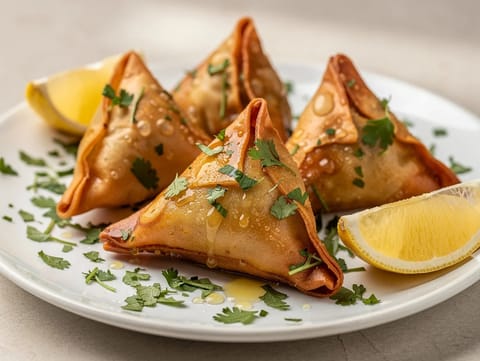
Fried pastry parcels with spiced potato and peas
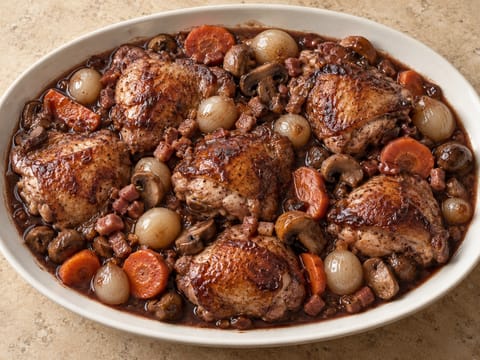
Chicken braised in red wine with pancetta and mushrooms
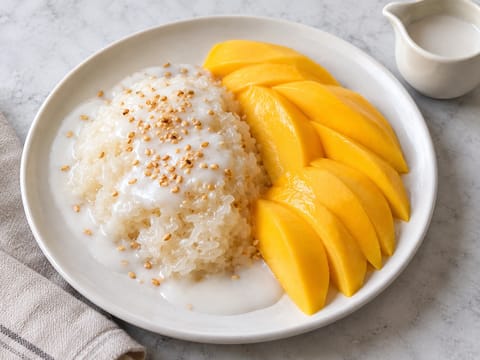
Thai mango sticky rice platter with coconut sauce
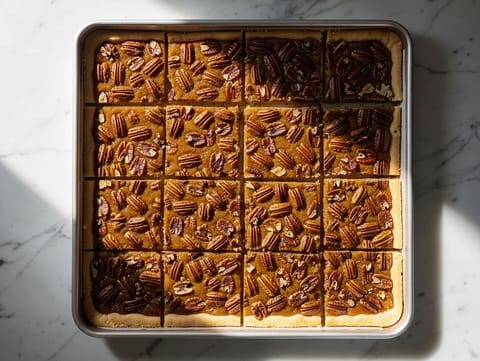
Shortbread bars topped with maple and brown sugar pecans
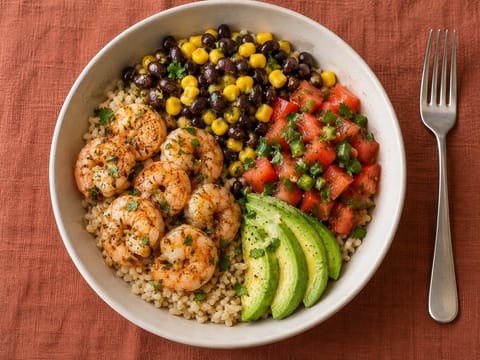
Brown rice bowl with chilli-lime prawns, beans and avocado
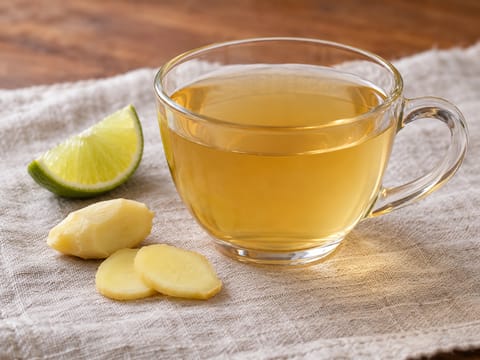
Hot ginger tea sweetened with sugar and finished with lime
No. Heat is not a defining feature in many Spanish dishes. Flavour often comes from olive oil, garlic, cooked tomatoes, smoked paprika, saffron and good stock rather than chilli heat.
Sofrito is a slowly cooked base of aromatics, often onion, garlic and tomato. Cooking it gently develops sweetness and depth, giving a dish a savoury backbone without needing a long list of spices.
They are cooked with flavoured liquid and often include a cooked base such as sofrito. The texture goal varies, from brothy to more set, and the cooking method is designed to absorb flavour rather than drain it away.
They can. A satisfying spread usually balances a few richer items with something sharp or fresh, and includes at least one more substantial dish such as potatoes, eggs, legumes or rice.
They often keep the flavour cues, such as olive oil, garlic and smoked paprika, but adapt ingredients and formats to what is available. The result can still taste distinctly Spanish in style, even if it is not tied to a specific regional dish.
Spanish-style cooking is easiest to choose by dish family: a few tapas plates, a rice dish, a tortilla-style omelette, or a slow-cooked stew. Once you pick the format, focus on the base flavours and the cooking heat, as that is where the character comes from.
