
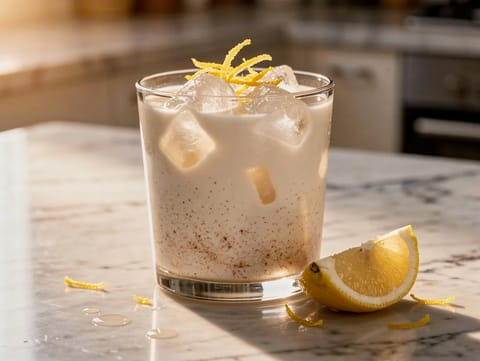
Horchata de Chufa (Tiger Nut Drink)
Chilled tiger nut drink with cinnamon and lemon
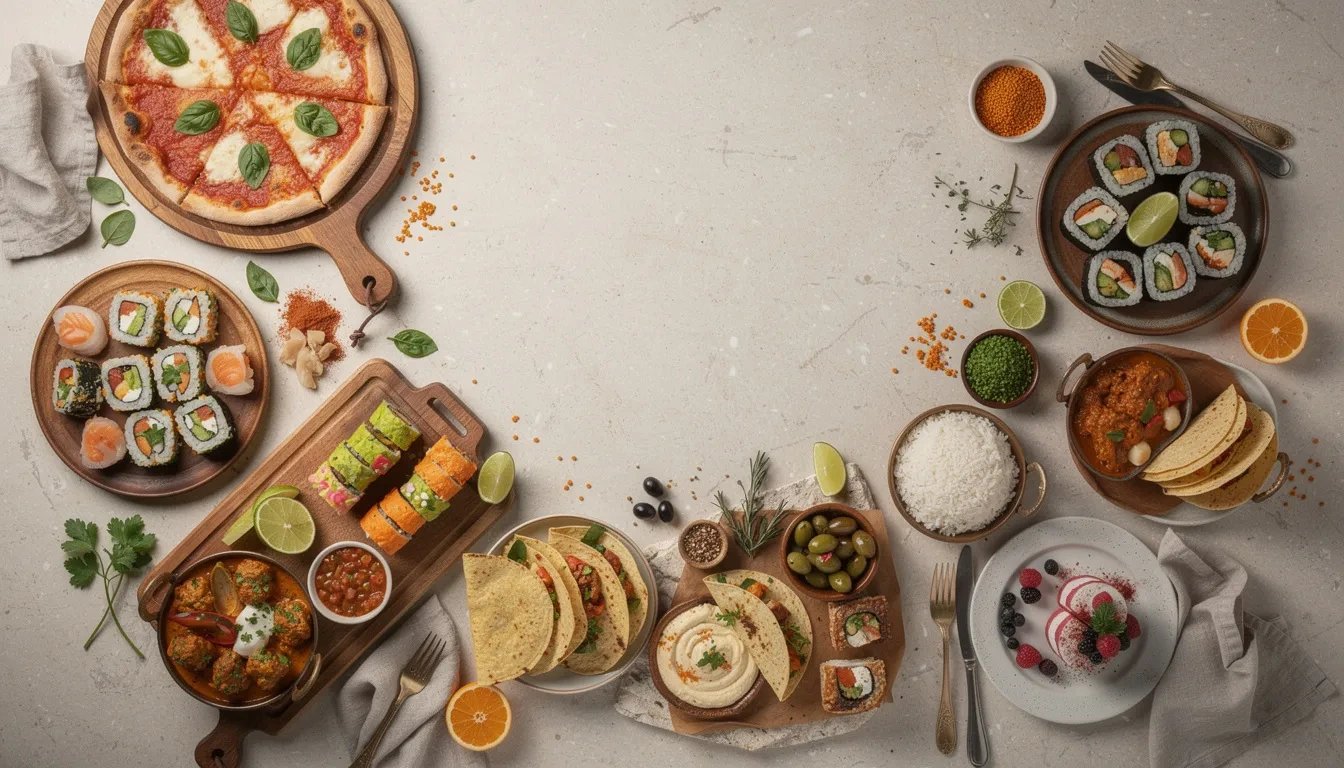
Spanish cooking often starts with a few dependable flavour builders: olive oil, garlic, onions and tomatoes cooked down into a sweet, savoury base, then lifted with smoked paprika, saffron, herbs or a splash of sherry or vinegar. The cuisine comfortably spans small plates and substantial one-pan dishes, with plenty of room for both traditional classics and modern, lighter interpretations.
Use this page to choose Spanish-style recipes by the kind of dish you want to put on the table, from tapas-style bites to rice dishes and slow-cooked stews.
A Spanish label often signals Mediterranean ingredients and techniques, but it does not mean every dish is spicy, tomato-heavy or seafood-based. Some recipes are built around olive oil and garlic with very few other flavours; others rely on slow-cooked onion and tomato bases, cured meats, or seafood broths. You may also see Spanish-inspired recipes that borrow the flavour cues, such as smoked paprika or a tomato-onion sofrito, while using different vegetables or proteins. If you want a more traditional feel, look for recipes that pay attention to the base and the cooking fat, not just the garnish.
Chilled tiger nut drink with cinnamon and lemon
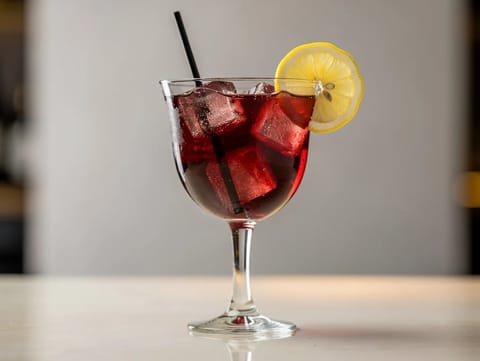
Red wine spritzer with lemonade, lemon and ice
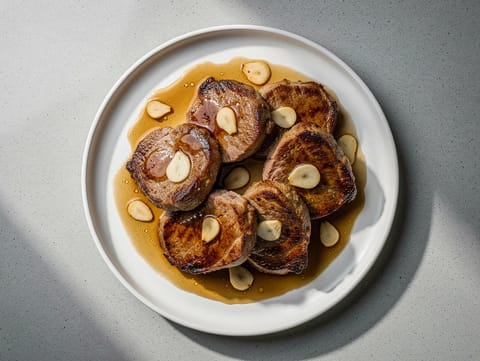
Pan-seared pork tenderloin with garlic whisky sauce
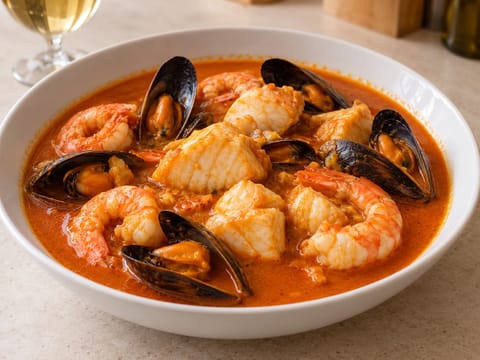
Catalan fish stew with monkfish, mussels and prawns
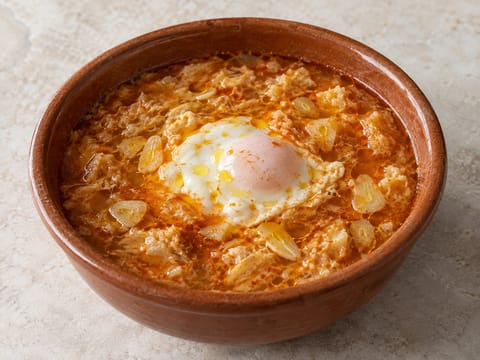
Spanish garlic soup thickened with bread and topped with egg
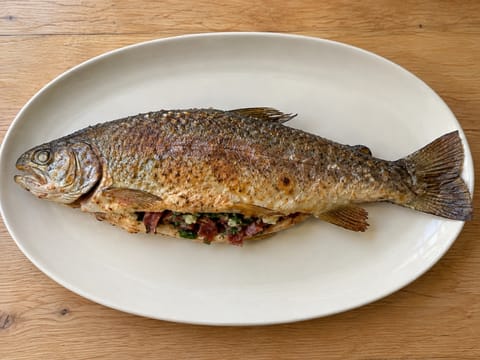
Pan-fried trout stuffed with jamón and parsley
Spanish cooking offers clear, recognisable formats. Tapas-style dishes tend to be small, punchy and built for sharing, often relying on good ingredients and quick cooking. Tortilla-style dishes (such as Spanish omelette) are defined by texture: tender potatoes set in eggs, served warm or at room temperature. Rice dishes range from brothy to drier, and they depend on the right balance of liquid, heat and resting time for the grains to settle. Stews and braises often start with a cooked-down base and finish with a glossy, savoury sauce that clings rather than floods.
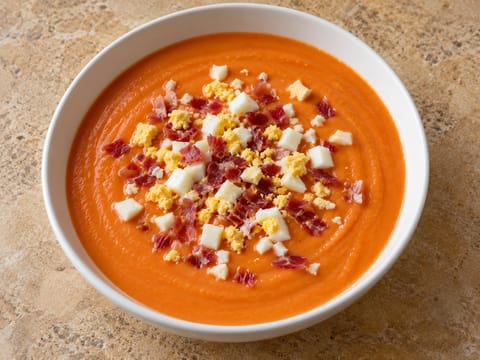
Thick cold tomato soup topped with egg and serrano ham
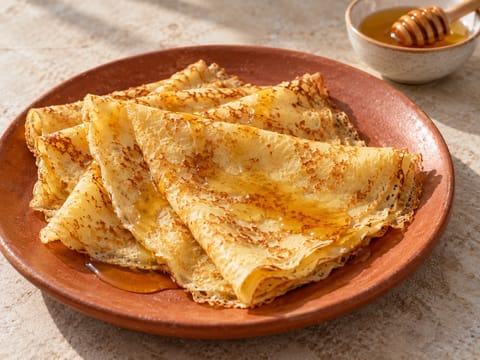
Thin Galician crepes served warm with honey
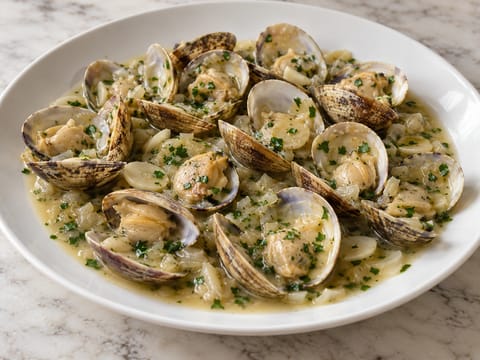
Clams steamed in white wine sauce with garlic and parsley
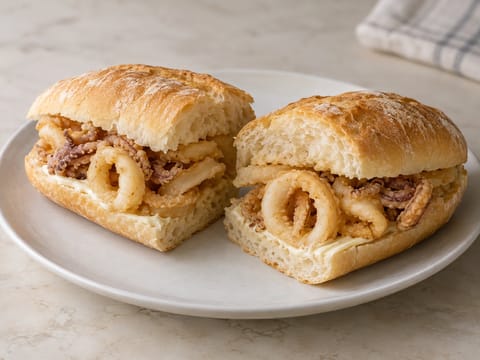
Fried squid sandwich with lemon and mayonnaise
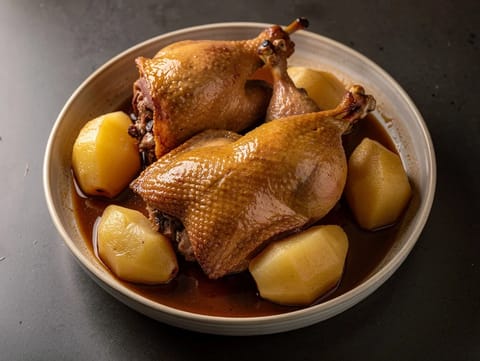
Duck legs braised in red wine with pears and garlic
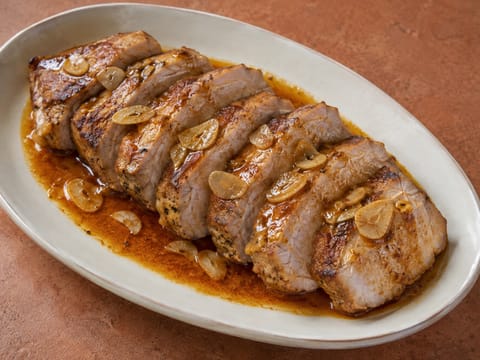
Pork loin cooked with garlic, sweet paprika and white wine
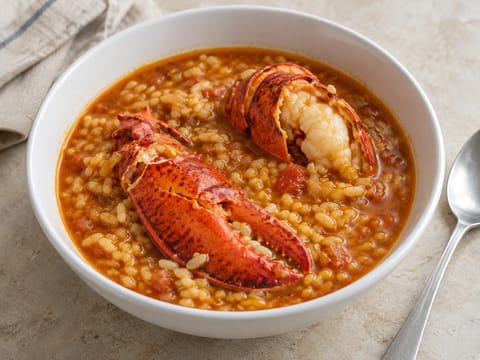
Brothy Spanish rice cooked with lobster, saffron and tomato
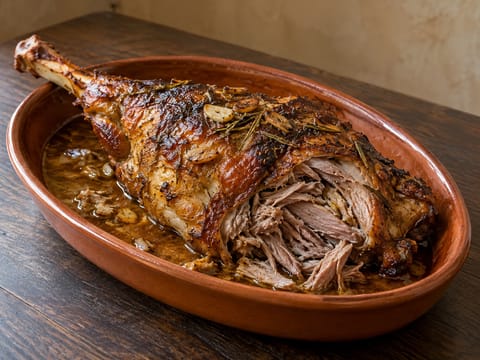
Castilian slow roasted lamb with garlic and rosemary
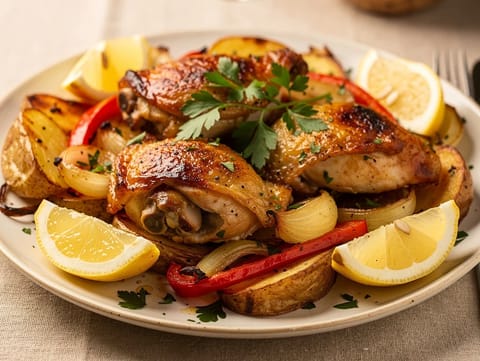
Chicken traybake with potatoes, peppers, smoked paprika and lemon
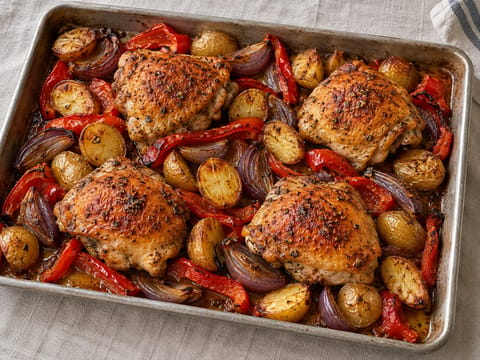
Sheet pan chicken with potatoes, peppers and smoked paprika
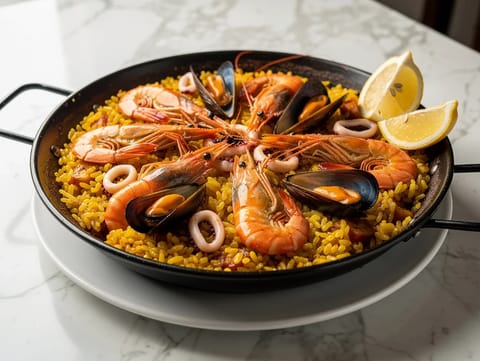
Seafood paella with prawns, mussels and squid
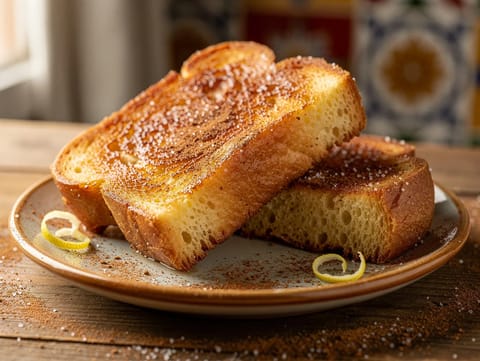
Fried brioche soaked in cinnamon milk and coated in sugar
Sofrito, a slow-cooked mixture of onion, garlic and often tomato, is a common backbone that gives sweetness and depth without needing many spices. Gentle frying in olive oil is used to soften aromatics and bloom paprika, but the timing matters: paprika can turn bitter if scorched, so it is often added off the highest heat. For stews and rice dishes, controlled simmering is key, because too vigorous a boil can break delicate ingredients or turn rice mushy. Many Spanish dishes taste best when allowed a short rest, which lets flavours settle and textures firm slightly.
Spain’s regional cuisines reflect geography: coastal areas often lean towards seafood and simple preparations that highlight freshness, while inland cooking may feature legumes, cured meats and slow-cooked dishes. The same named dish can vary by region and household, especially with rice dishes, stews and small plates. Modern Spanish cooking also plays with lighter techniques and seasonal vegetables while keeping familiar flavour cues such as olive oil, garlic and smoked paprika. Treat regional labels as helpful hints rather than strict rules, and let the method tell you whether a dish is meant to be bright and quick or deep and slow.
If you are planning a spread, browsing by Dish helps you gather tapas-style plates, rice dishes, stews and omelette-style recipes that sit naturally together. For a technique-led approach, Cooking method is useful when you are choosing between frying, braising, grilling or baking, which strongly affects the final texture.
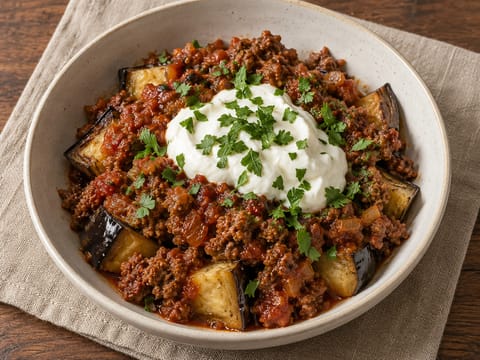
Moussaka-style bowl with aubergine, lamb and yoghurt topping
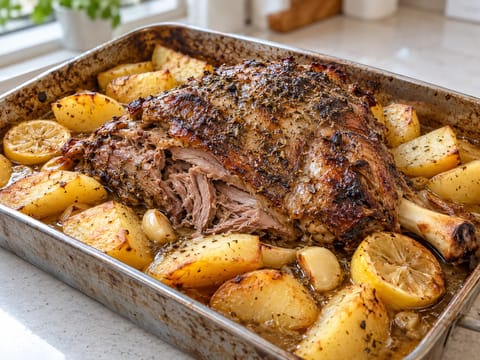
Slow-roasted lamb with potatoes, lemon and oregano
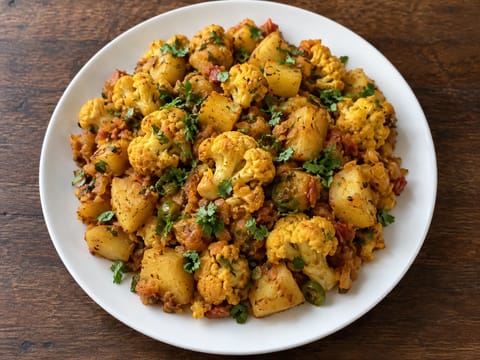
Dry potato and cauliflower curry finished with lemon and coriander

Earl Grey latte with steamed milk, honey and vanilla
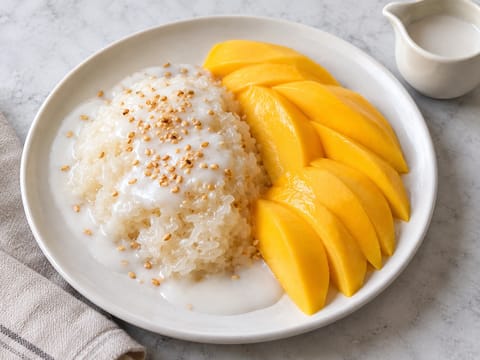
Thai mango sticky rice platter with coconut sauce
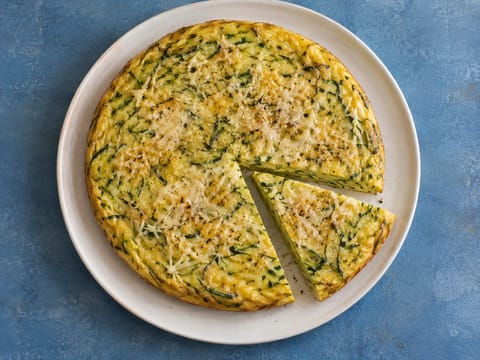
Courgette and pecorino frittata with tender eggs and browned top
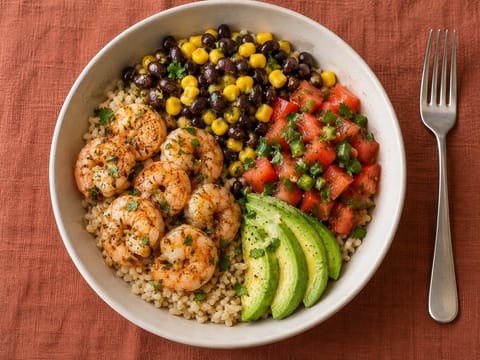
Brown rice bowl with chilli-lime prawns, beans and avocado
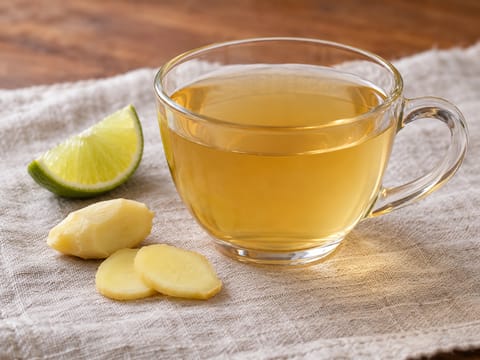
Hot ginger tea sweetened with sugar and finished with lime
No. Heat is not a defining feature in many Spanish dishes. Flavour often comes from olive oil, garlic, cooked tomatoes, smoked paprika, saffron and good stock rather than chilli heat.
Sofrito is a slowly cooked base of aromatics, often onion, garlic and tomato. Cooking it gently develops sweetness and depth, giving a dish a savoury backbone without needing a long list of spices.
They are cooked with flavoured liquid and often include a cooked base such as sofrito. The texture goal varies, from brothy to more set, and the cooking method is designed to absorb flavour rather than drain it away.
They can. A satisfying spread usually balances a few richer items with something sharp or fresh, and includes at least one more substantial dish such as potatoes, eggs, legumes or rice.
They often keep the flavour cues, such as olive oil, garlic and smoked paprika, but adapt ingredients and formats to what is available. The result can still taste distinctly Spanish in style, even if it is not tied to a specific regional dish.
Spanish-style cooking is easiest to choose by dish family: a few tapas plates, a rice dish, a tortilla-style omelette, or a slow-cooked stew. Once you pick the format, focus on the base flavours and the cooking heat, as that is where the character comes from.
