
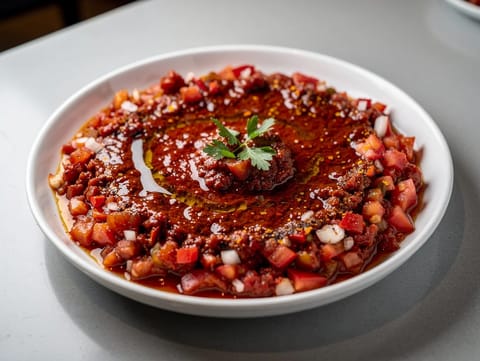
Acili Ezme (Turkish Spicy Tomato Dip)
Spicy Turkish tomato and pepper dip with pomegranate molasses

Turkish cuisine covers everything from quick grills to long-cooked stews, but the methods are often easy to spot: charring over high heat, gentle braising with tomatoes and peppers, and dough work that ranges from flatbreads to syrup-soaked pastries. Many meals are shaped by contrast, such as hot grilled meat with cool yoghurt, or rich aubergine with a bright squeeze of lemon. If you’re choosing what to cook, it helps to think in methods first, then decide whether you want a meze-style spread, a one-pot dish, or something built around bread.
A Turkish-style recipe often points to a particular set of techniques and flavour pairings rather than a single spice profile. You may see grilled skewers and patties, vegetable dishes cooked in olive oil, hearty soups, rice and bulgur pilafs, and a strong tradition of breads and pastries. Spicing is usually aromatic rather than aggressively hot, with warmth from pepper flakes, cumin or allspice appearing in some dishes, but not as a universal rule. Because Turkey sits at a culinary crossroads, some recipes will feel familiar if you cook Greek, Middle Eastern, Balkan or Central Asian food. Treat the label as a direction of travel: the same dish name can vary by region, household and season.
Spicy Turkish tomato and pepper dip with pomegranate molasses
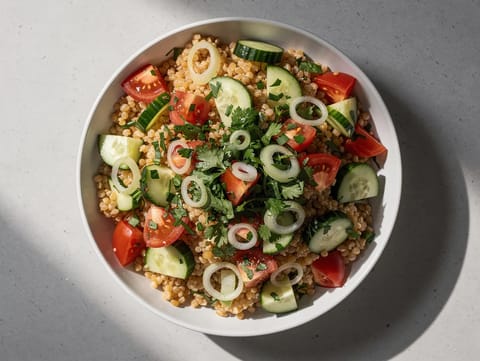
Bulgur bowl with tomato, cucumber, spring onion and lemon
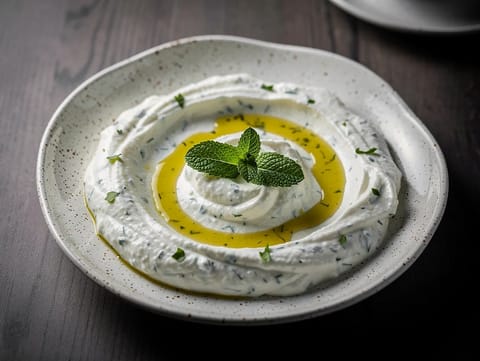
Thick Turkish yoghurt dip with garlic, mint and olive oil
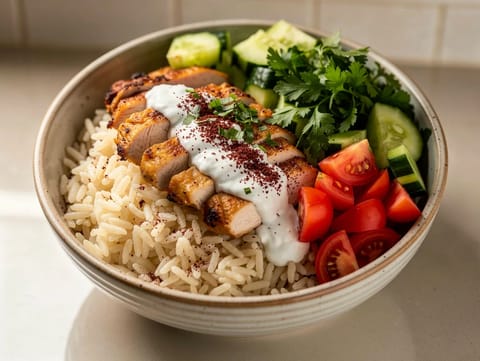
Turkish chicken bowl with rice, garlic yoghurt and salad
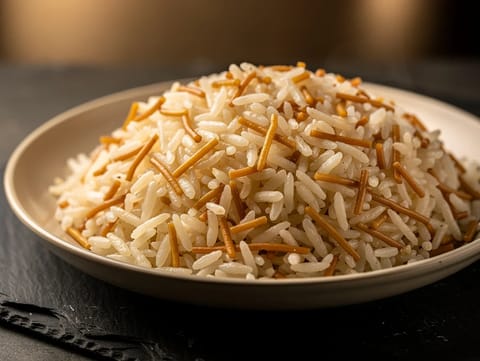
Turkish rice pilaf with toasted vermicelli cooked in chicken stock
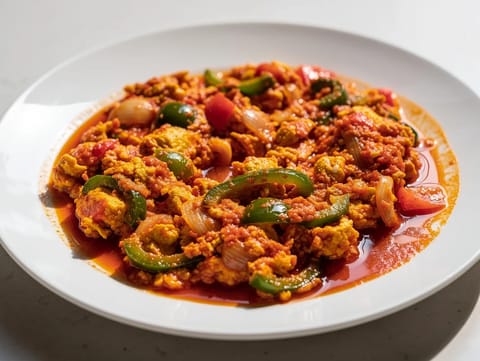
Turkish scrambled eggs with tomatoes, peppers and onion
A few ingredients recur because they solve practical problems in the kitchen. Yoghurt is used as a sauce, a marinade component, or a cooling counterpoint to grilled and spiced foods. Tomatoes, peppers and onions form a base for many braises and pan dishes, building sweetness as they cook down. Aubergines appear in multiple forms, from smoky and mashed to stuffed or stewed, and they pair naturally with garlic and yoghurt. Pulses, bulgur and rice provide body in soups, salads and pilafs. Nuts and dried fruit show up most clearly in sweets and some celebratory dishes, where they add richness and contrast. Olive oil is prominent in many vegetable preparations, especially those served at room temperature.
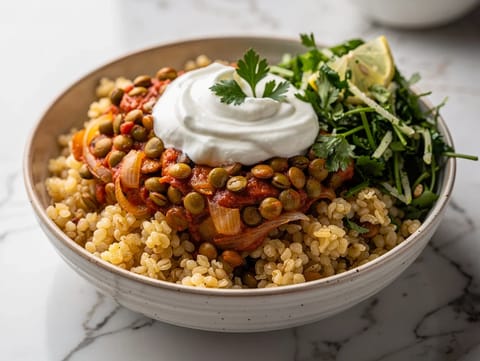
Meal prep lentil bowl with bulgur, lemon and yoghurt

Yeast raised fried dough bites soaked in lemon sugar syrup

Ridged choux fritters soaked in cooled lemon syrup
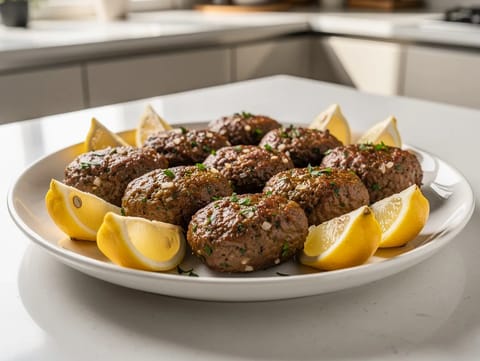
Pan fried Turkish beef meatballs with garlic, spices and lemon
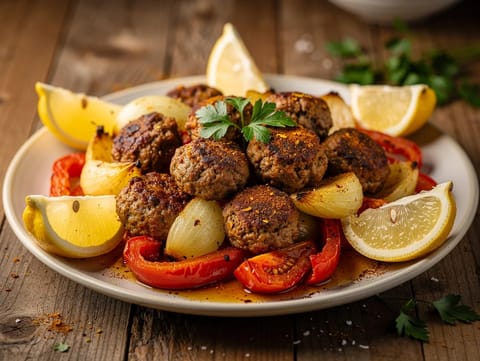
Lamb meatball traybake with peppers, tomatoes, cumin and paprika
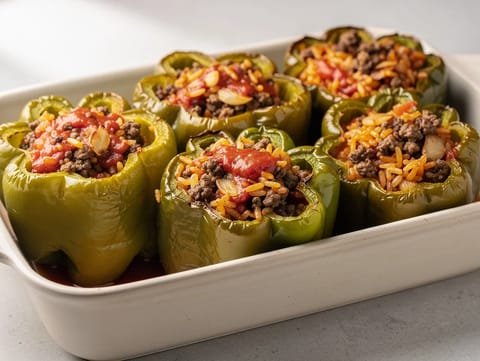
Baked peppers stuffed with minced beef and rice in tomato sauce

Tender semolina biscuits soaked in lemon syrup
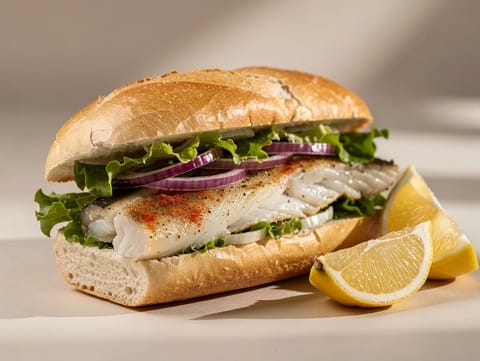
Fish sandwich in crusty bread with onion, lettuce and lemon
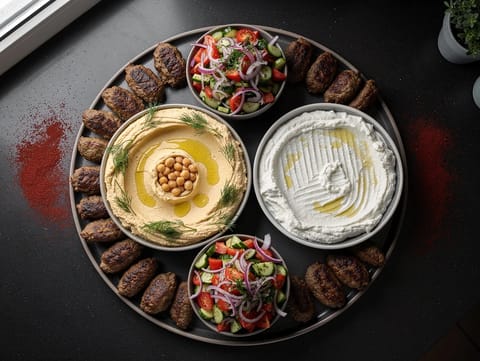
Turkish table with meze, salad and grilled lamb köfte
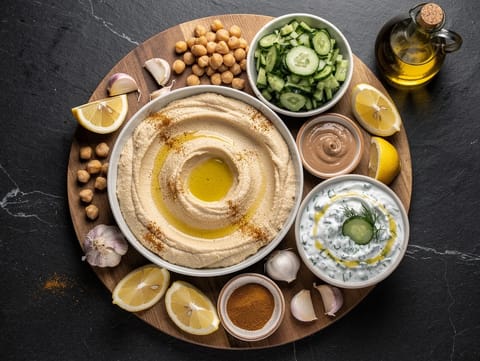
Iftar mezze board with hummus, cacık, olives and pita
Hearty ezogelin çorbası with red lentils, bulgur, rice, mint and Aleppo pepper
Adana kebab made from minced lamb, shaped onto skewers and cooked until lightly charred
Grilling is central, whether that means skewered kebabs, minced-meat patties, or vegetables cooked until blistered and sweet. The key is managing heat so you get char without drying: smaller pieces cook quickly, while fattier mixtures stay juicy. Braises and stews often start with a sautéed base, then simmer gently until the sauce tastes rounded and the vegetables soften into it. Dough work ranges from simple flatbreads to layered pastries; even when you use ready-made sheets, the method still relies on controlling moisture so fillings don’t turn soggy. Across these methods, finishing touches matter: a drizzle of melted butter or olive oil, a squeeze of lemon, or a spoon of yoghurt can change the balance without changing the core dish.
Turkish food changes noticeably from place to place. Coastal cooking often leans towards vegetables, olive oil and seafood, while inland regions are known for grains, pulses and meat cookery. The south-east is frequently associated with robust grilling and spicing, and the Black Sea region has its own ingredient preferences and everyday dishes. Many meals are served as a collection of plates, where salads, pickles, breads and dips sit alongside hot dishes, allowing you to mix bites and manage richness. When you see references to meze, think of small dishes designed for variety and pacing rather than a single fixed menu. Regional names can be helpful clues, but they are not guarantees of one exact preparation.
Browse by Cooking method when you’re deciding between a fast grill, a slow braise, or baking and pastry work, since each asks for a different kind of attention. Dish is useful when you want a particular format, such as kebabs, pilafs, soups, salads or sweets, and you’d like to compare variations without losing the Turkish flavour cues.
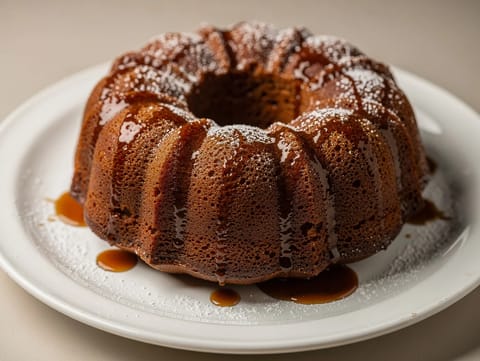
Buttery rum cake soaked with warm dark rum syrup
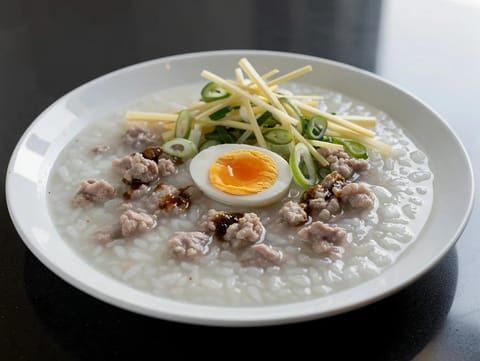
Thai rice porridge with minced pork, egg, ginger and spring onions
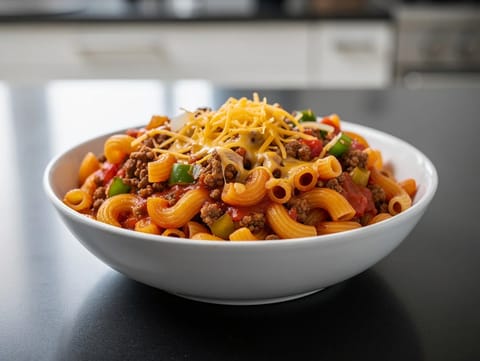
One-pot macaroni with minced beef, tomatoes and cheddar

Light, floral jasmine-scented green tea
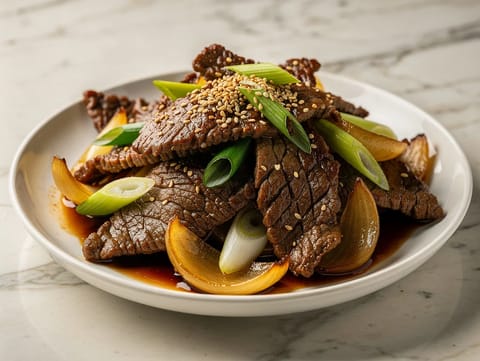
Thinly sliced marinated beef quickly fried with onions
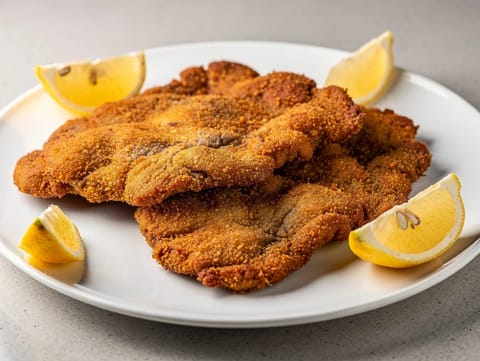
Crispy breaded beef cutlets served with lemon
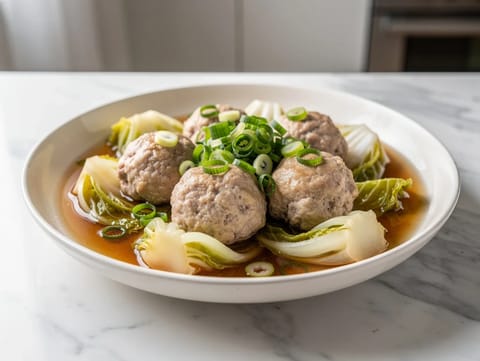
Shanghai pork meatballs braised with Chinese cabbage

Ring-shaped sweet bread with orange zest, icing and almonds
There’s overlap in ingredients and techniques, but Turkish cuisine has its own regional traditions, breads, pastries and dish families. Some recipes will feel closely related; others are quite distinct.
Meze refers to small dishes served as part of a spread. They can be creamy, crunchy, cooked or raw, and are often designed to be eaten alongside bread and other plates rather than as a single main dish.
Not always. Many dishes rely more on good tomatoes, peppers, onions, herbs and careful cooking than on heavy spicing. When spices appear, they’re often used to add warmth and aroma rather than intense heat.
It adds acidity and creaminess, and it cools the palate next to grilled or peppery foods. It also works as a base for sauces that carry garlic, herbs or cucumber.
Kebab is a broad term that can include many grilled or roasted meat dishes, often on skewers. Köfte usually refers to seasoned minced-meat shapes, grilled or pan-cooked, though names and styles vary by region.
No. Some vegetable dishes cooked in olive oil are commonly served at room temperature, which changes how you season them: acidity and salt often need a final check once the dish has cooled.
When you pick a Turkish recipe, decide first whether you want the direct flavour of the grill, the softness of a braise, or the satisfaction of bread and pastry. From there, it’s easy to round things out with yoghurt, a sharp salad, and something starchy like rice, bulgur or bread to catch the sauces.
