
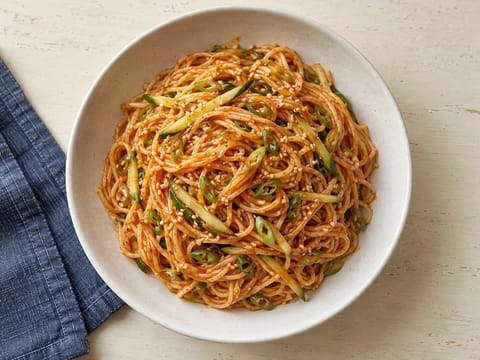
Bibim Guksu (Spicy Mixed Noodles)
Chilled noodles tossed with cucumber in a gochujang dressing
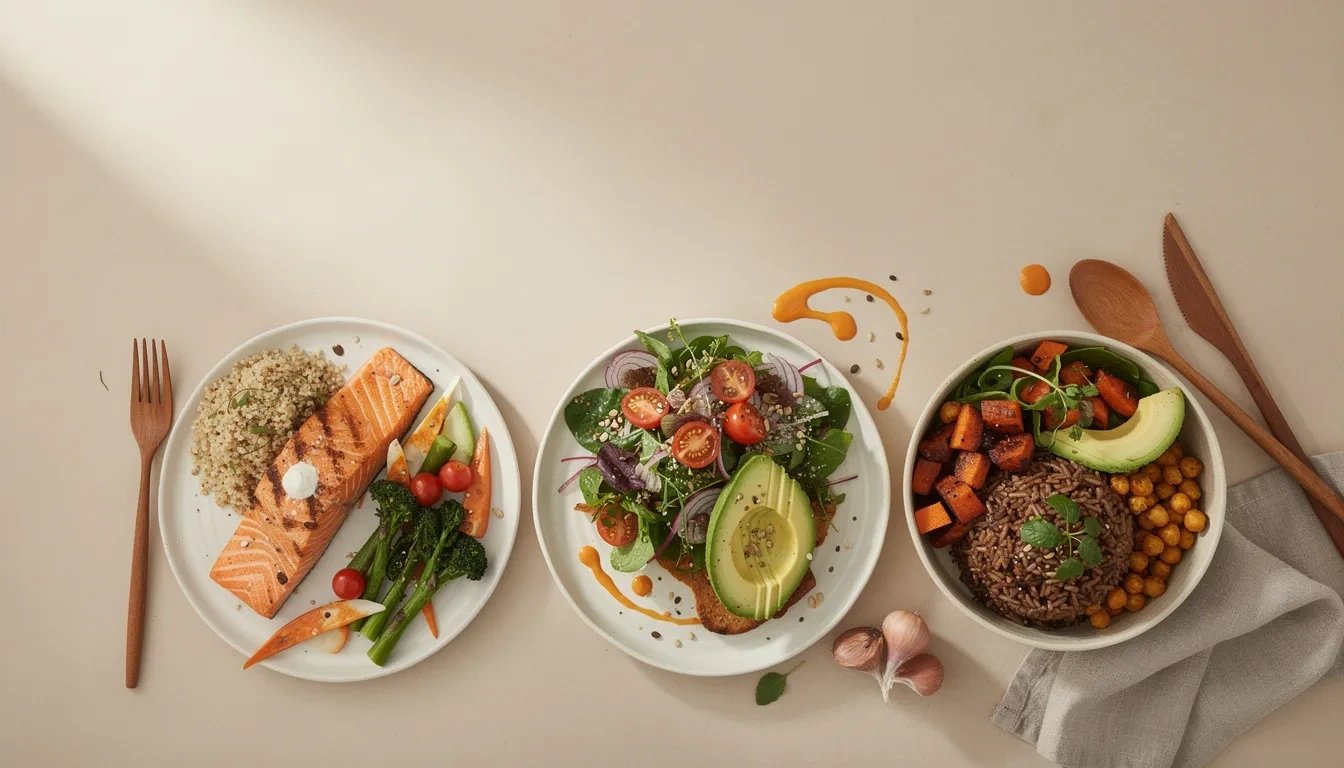
Cooking dairy-free is less about giving things up and more about knowing where dairy quietly does the work. Milk, yoghurt, butter and cheese can add richness, tenderness and a gentle tang, so dairy-free recipes often build those qualities in other ways: olive oil or plant fats for gloss, blended vegetables or nuts for body, and citrus or vinegar for lift. This page helps you choose dairy-free dishes with confidence, and spot the ingredients that most often need a second look.
A dairy-free recipe avoids ingredients made from animal milk, including common staples such as butter, cream, yoghurt, cheese and whey-based products. In practice, dairy can appear in obvious places (a creamy pasta sauce) and in less expected ones (a breadcrumb topping enriched with butter, or a dessert finished with cream).
From a cooking point of view, dairy-free recipes often lean on other sources of richness and structure. You may see olive oil, coconut milk, blended beans or vegetables, or emulsified dressings used to create a similar mouthfeel to cream. For baking, the key question is usually whether the recipe relies on butter for flavour and texture, or whether a neutral oil-based batter makes more sense.
Chilled noodles tossed with cucumber in a gochujang dressing
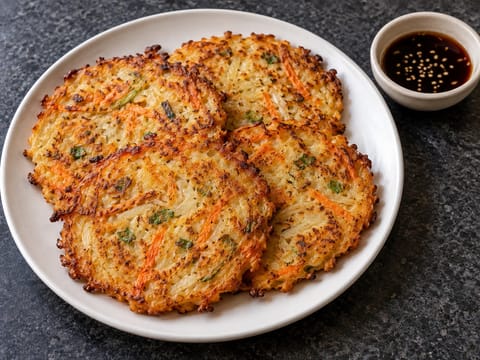
Korean mung bean pancakes with vegetables and a soy dipping sauce
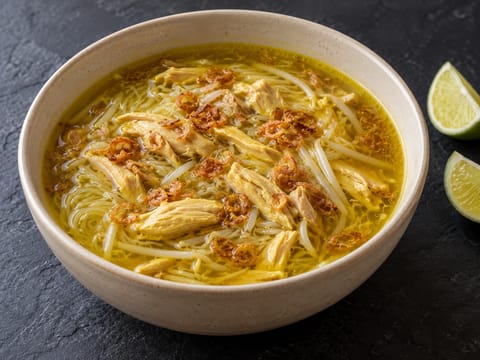
Chicken and turmeric soup with vermicelli and bean sprouts
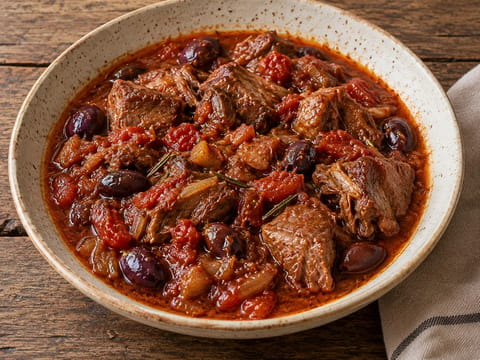
Slow-simmered lamb stew with tomatoes, olives and rosemary
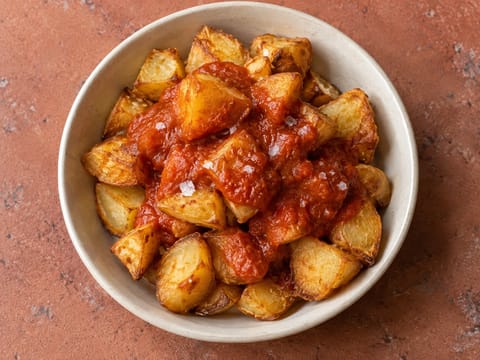
Crispy fried potatoes topped with smoky, spicy tomato sauce
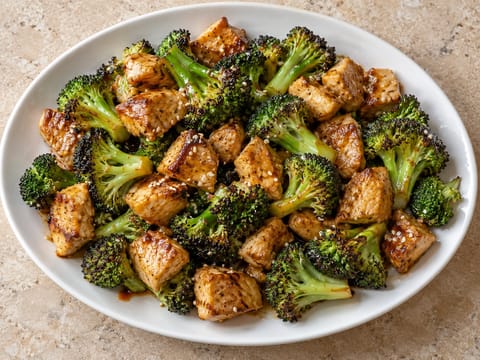
Air-fried chicken and broccoli tossed in a soy glaze.
When you are deciding what to cook, it helps to think about what you would normally expect dairy to contribute.
For creamy dishes, look for recipes that build body through blending (for example, soups thickened with potatoes or cauliflower) or through emulsions (a well-whisked vinaigrette, tahini dressing, or a sauce finished with a little starchy cooking water). For richness without cream, dishes based on slow-cooked onions, tomatoes, mushrooms or roasted vegetables can feel rounded without needing a dairy finish.
For baking and desserts, check whether the recipe is naturally oil-based (many cakes and quick breads are) or whether it is a butter-forward style where the swap matters more. For simple meals, dairy-free often aligns naturally with grilled meats or fish, vegetable-forward stir-fries, and grain bowls where the flavour comes from herbs, spices and sharp dressings rather than cheese.
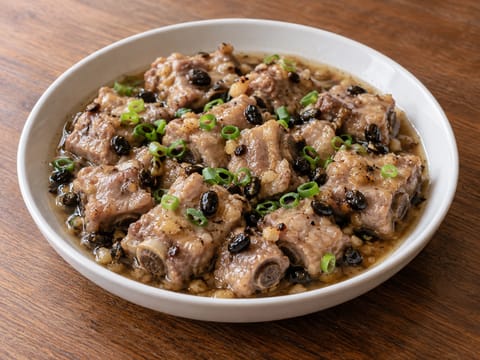
Tender steamed pork ribs in a savoury black bean sauce
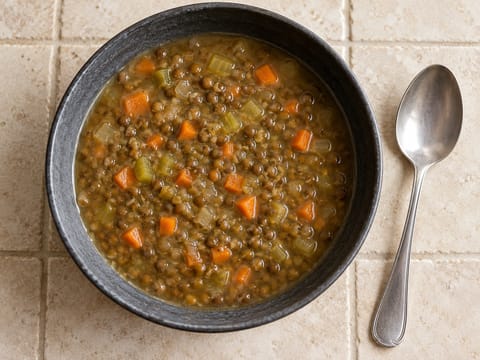
Green lentil soup finished with Dijon mustard
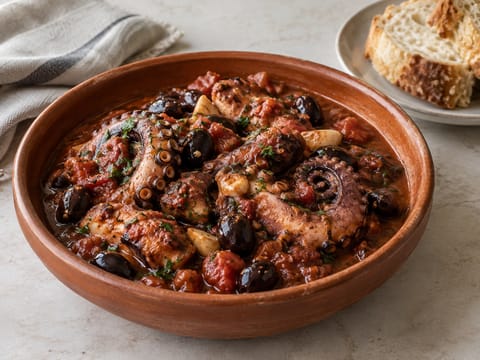
Octopus stew simmered with tomatoes, olives, white wine and chilli
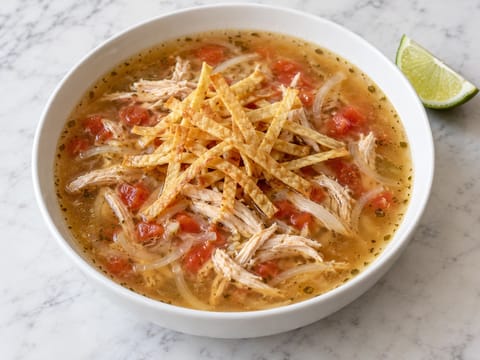
Yucatecan chicken and lime soup finished with tortilla strips
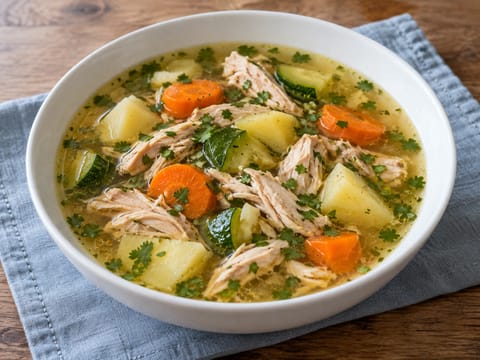
Clear chicken broth with vegetables, lime and coriander
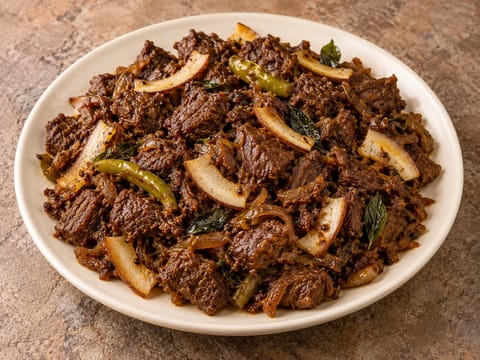
Dry-style Kerala beef fry with curry leaves and coconut
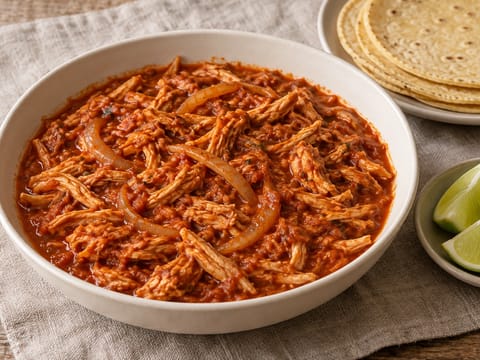
Shredded chicken in smoky chipotle tomato sauce for tortillas
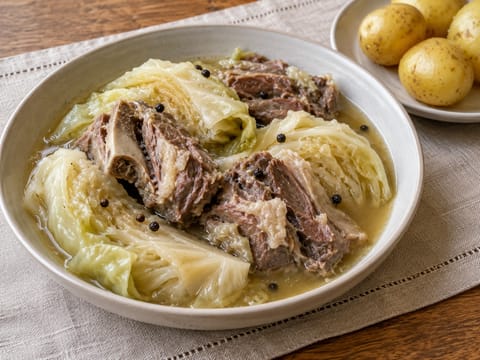
Norwegian lamb and cabbage stew with whole peppercorns
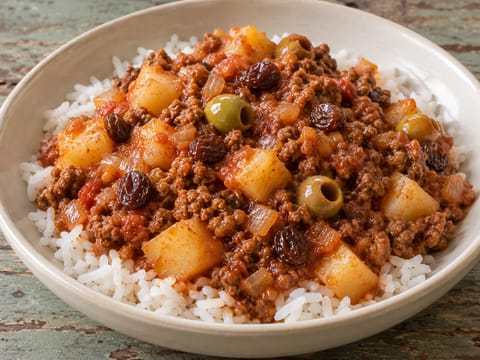
Minced beef simmered with tomatoes, olives, raisins, and potatoes.
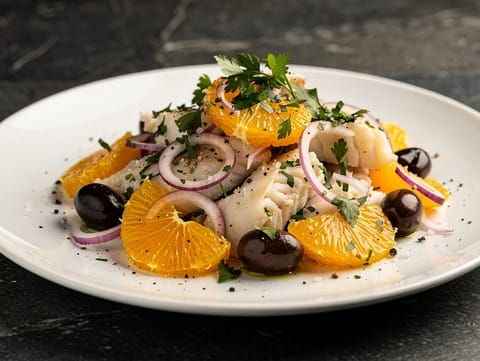
Orange and salt cod salad with red onion and olives
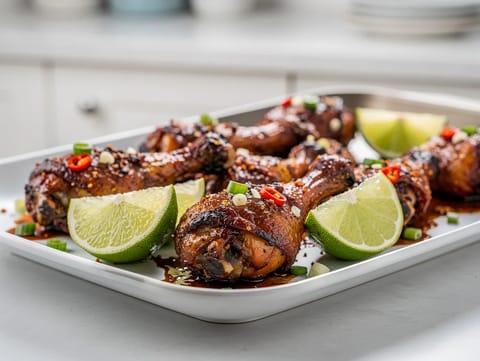
Sticky roasted jerk chicken drumsticks with five-spice and lime
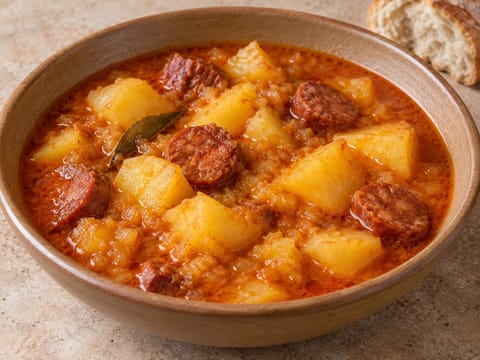
Potato and chorizo stew simmered with sweet paprika
Dairy-free browsing is most reliable when you still read ingredient lists, especially for packaged foods. Butter, milk powder, whey, casein and lactose can turn up in breads, crackers, chocolate, stock cubes, spice blends and ready-made sauces.
If you are avoiding dairy for allergy reasons, be cautious with products labelled “may contain” and with shared equipment in busy kitchens, where cross-contact is possible. If you are cooking for a mixed table, it can help to keep dairy add-ons separate, such as serving grated cheese or yoghurt on the side rather than building them into the main dish.
If you are avoiding dairy for allergy reasons, the Allergens categories can help you browse more cautiously and spot other common triggers that sometimes travel with dairy in packaged foods. Ingredient pages are also useful when you want to compare plant milks, creams and fats, because different options behave very differently in sauces, baking and desserts.
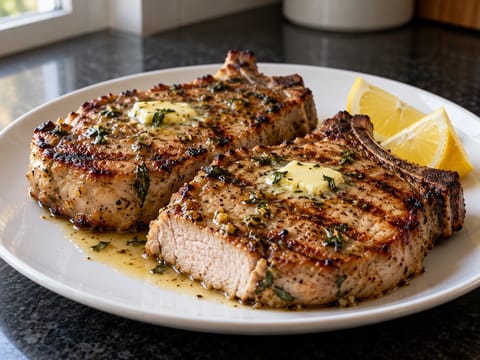
Grilled pork chops with Dijon mustard and fresh tarragon
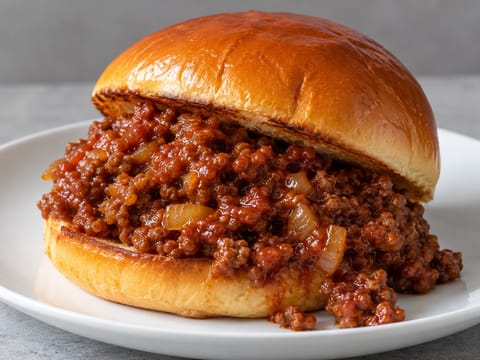
Minced beef Sloppy Joe in toasted brioche buns
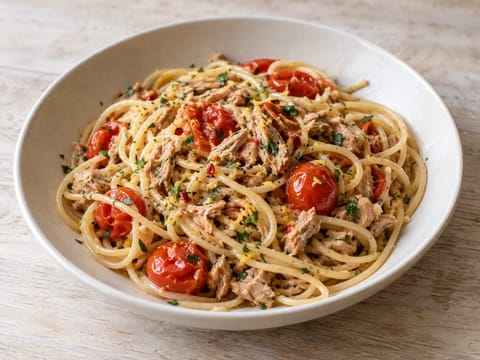
Spaghetti with tuna and cherry tomatoes in olive oil
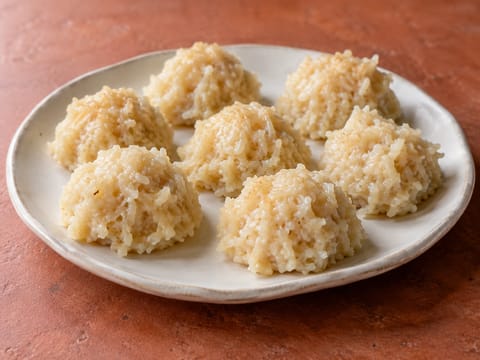
Chewy coconut sweets made with condensed milk and vanilla
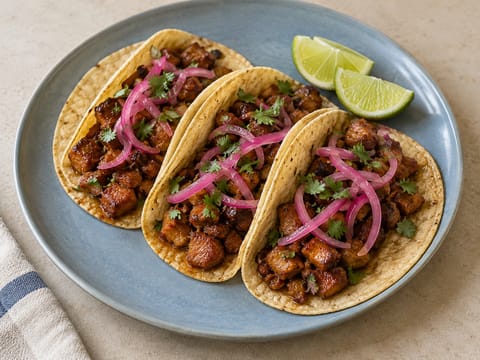
Corn tortillas filled with adobo-style pork and pickled red onion
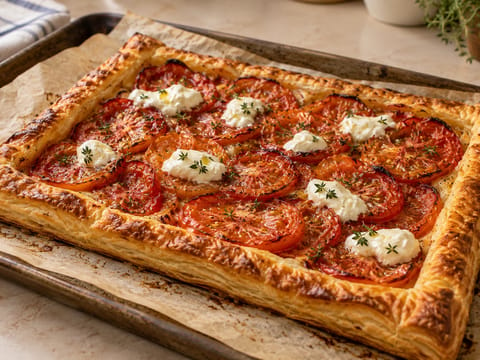
Puff pastry tart with Dijon mustard and baked tomatoes
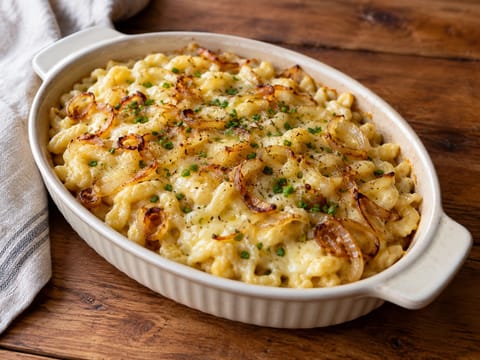
Swabian cheese noodles with browned onions, chives and black pepper
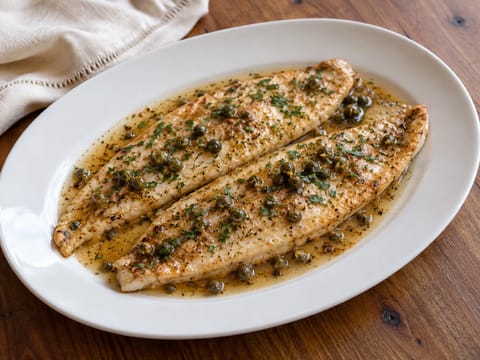
Pan-fried sole with brown butter, capers and lemon
Not necessarily. Lactose-free foods may still contain dairy ingredients with the lactose removed or reduced. Dairy-free avoids dairy altogether, so it is a different (often stricter) approach.
No. Dairy-free recipes can still include eggs, meat, fish or honey. Vegan recipes avoid all animal-derived ingredients.
Milk powder, whey, casein and butter are frequent ones. They can appear in breads, snacks, chocolate, seasoning mixes and ready-made sauces, so labels matter.
Sometimes, but it depends on the recipe. Unsweetened plant milks vary in thickness, protein and sweetness, which can affect browning, tenderness and how a sauce thickens.
Often a blend of technique and ingredients: emulsifying oil into a sauce, blending cooked vegetables or beans, using coconut milk, or finishing with something starchy such as potato or pasta water.
Ghee is clarified butter, so it is still a dairy product. Some people who avoid lactose tolerate it, but it would not usually be considered dairy-free.
Start by choosing recipes that are naturally dairy-free, then use swaps where dairy is doing a clear job, such as adding creaminess or tenderness. When a recipe depends on butter or cheese for its core character, it is worth picking a dish built around different strengths rather than forcing a like-for-like replacement.
