
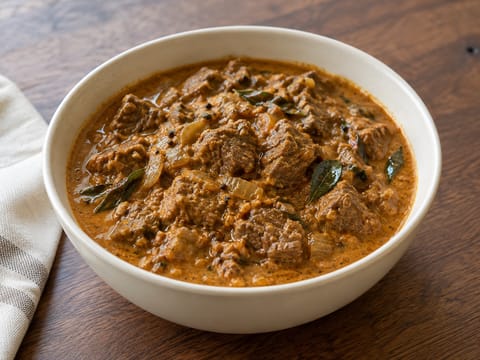
Malabar Beef Curry with Coconut and Curry Leaves
Beef curry simmered with coconut milk and curry leaves
Cooking dairy-free is less about giving things up and more about knowing where dairy quietly does the work. Milk, yoghurt, butter and cheese can add richness, tenderness and a gentle tang, so dairy-free recipes often build those qualities in other ways: olive oil or plant fats for gloss, blended vegetables or nuts for body, and citrus or vinegar for lift. This page helps you choose dairy-free dishes with confidence, and spot the ingredients that most often need a second look.
A dairy-free recipe avoids ingredients made from animal milk, including common staples such as butter, cream, yoghurt, cheese and whey-based products. In practice, dairy can appear in obvious places (a creamy pasta sauce) and in less expected ones (a breadcrumb topping enriched with butter, or a dessert finished with cream).
From a cooking point of view, dairy-free recipes often lean on other sources of richness and structure. You may see olive oil, coconut milk, blended beans or vegetables, or emulsified dressings used to create a similar mouthfeel to cream. For baking, the key question is usually whether the recipe relies on butter for flavour and texture, or whether a neutral oil-based batter makes more sense.
Beef curry simmered with coconut milk and curry leaves
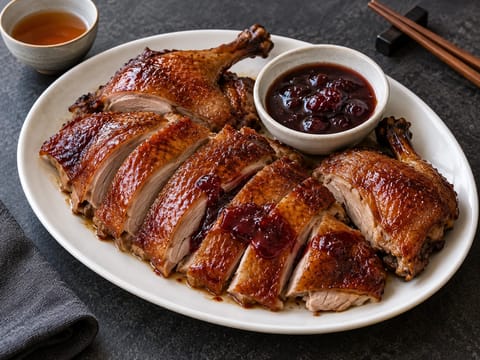
Cantonese roast duck with crisp skin and plum sauce
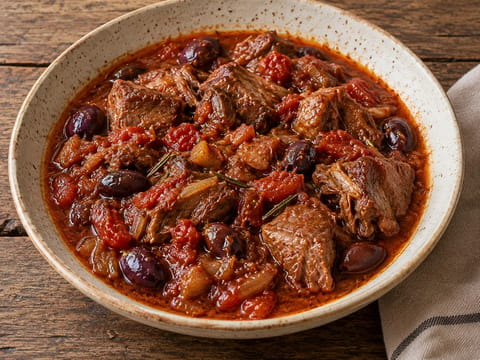
Slow-simmered lamb stew with tomatoes, olives and rosemary
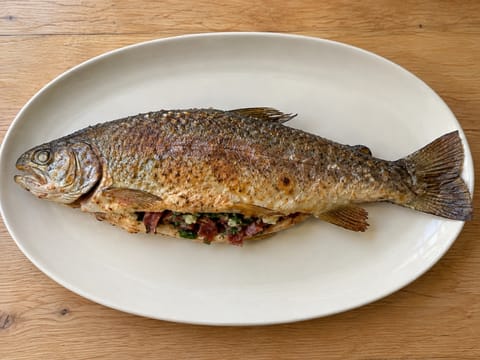
Pan-fried trout stuffed with jamón and parsley
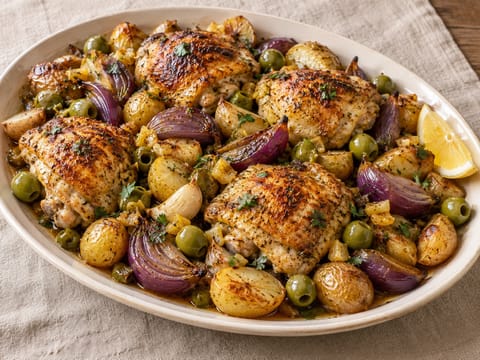
Chicken traybake with preserved lemon, olives, potatoes and red onion
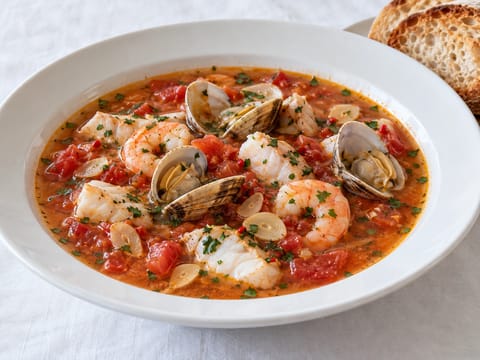
Venetian fish soup with mixed seafood in tomato and white wine
When you are deciding what to cook, it helps to think about what you would normally expect dairy to contribute.
For creamy dishes, look for recipes that build body through blending (for example, soups thickened with potatoes or cauliflower) or through emulsions (a well-whisked vinaigrette, tahini dressing, or a sauce finished with a little starchy cooking water). For richness without cream, dishes based on slow-cooked onions, tomatoes, mushrooms or roasted vegetables can feel rounded without needing a dairy finish.
For baking and desserts, check whether the recipe is naturally oil-based (many cakes and quick breads are) or whether it is a butter-forward style where the swap matters more. For simple meals, dairy-free often aligns naturally with grilled meats or fish, vegetable-forward stir-fries, and grain bowls where the flavour comes from herbs, spices and sharp dressings rather than cheese.
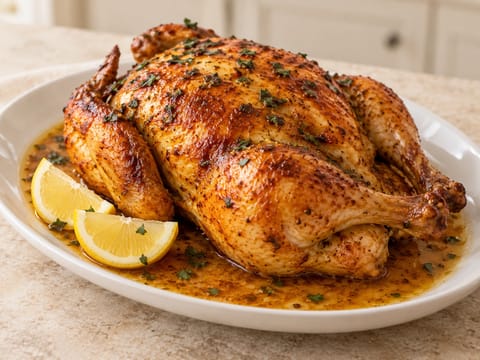
Roast chicken marinated with lemon, garlic and olive oil
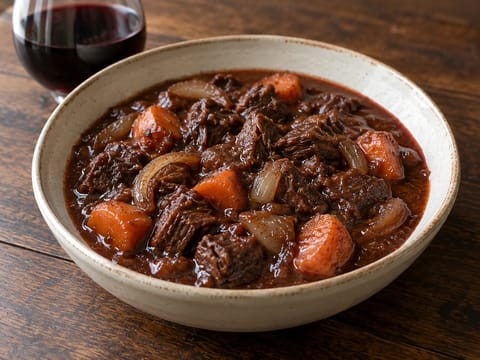
Wild boar stew slowly simmered with red wine
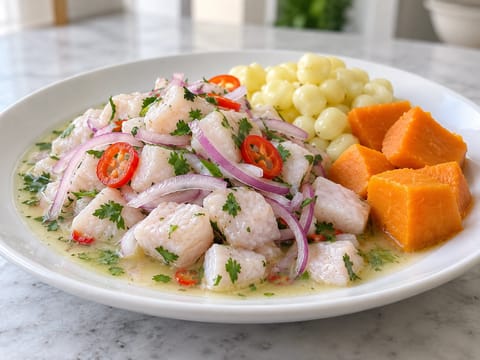
Sea bass ceviche cured in lime with onion, chilli and coriander
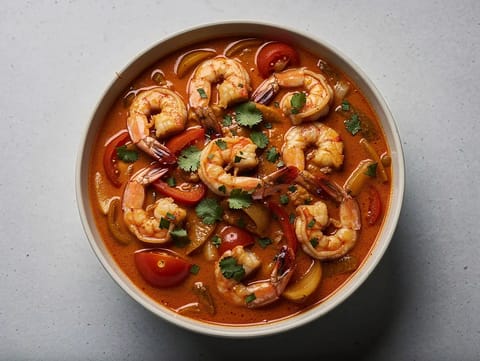
Brazilian prawn stew with coconut milk, vegetables and lime
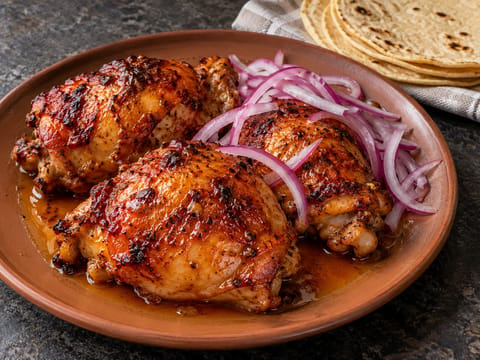
Achiote-roasted chicken thighs with orange and red onion
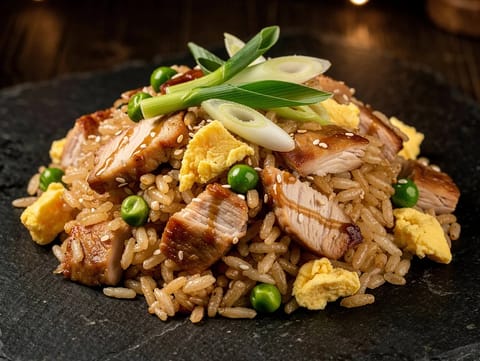
Chicken fried rice with egg, peas and spring onion
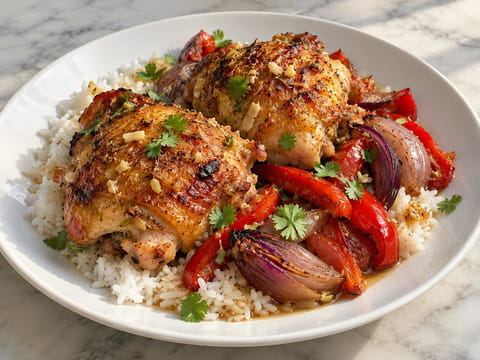
Lemongrass chicken traybake with peppers, onion and jasmine rice
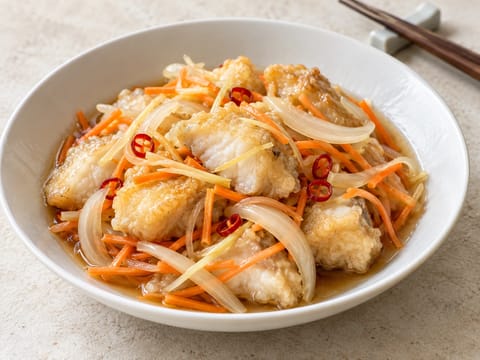
Sweet-sour marinated fried fish with onion and carrot
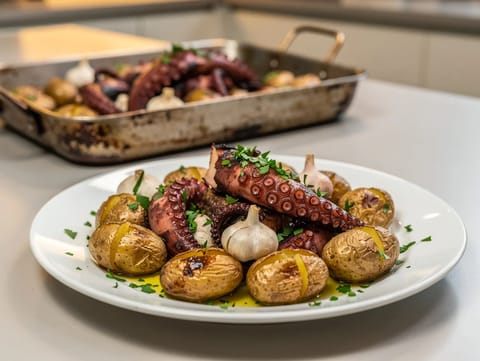
Roasted octopus with potatoes, garlic, bay and olive oil
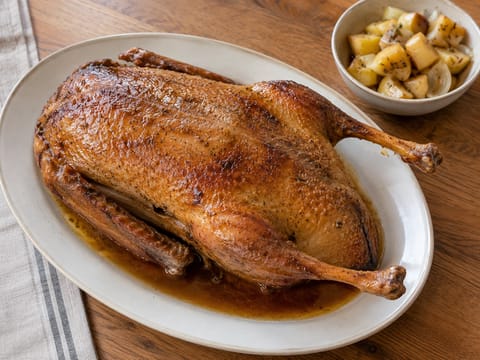
German roast goose with apple and onion stuffing and gravy
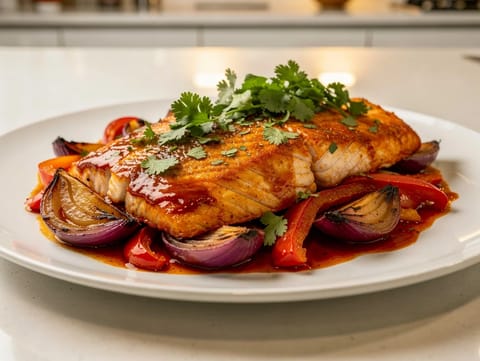
Baked white fish with achiote, citrus and roasted peppers
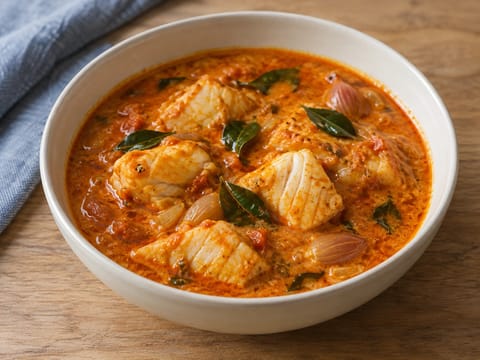
Kerala fish curry with coconut milk, tomatoes and curry leaves
Dairy-free browsing is most reliable when you still read ingredient lists, especially for packaged foods. Butter, milk powder, whey, casein and lactose can turn up in breads, crackers, chocolate, stock cubes, spice blends and ready-made sauces.
If you are avoiding dairy for allergy reasons, be cautious with products labelled “may contain” and with shared equipment in busy kitchens, where cross-contact is possible. If you are cooking for a mixed table, it can help to keep dairy add-ons separate, such as serving grated cheese or yoghurt on the side rather than building them into the main dish.
If you are avoiding dairy for allergy reasons, the Allergens categories can help you browse more cautiously and spot other common triggers that sometimes travel with dairy in packaged foods. Ingredient pages are also useful when you want to compare plant milks, creams and fats, because different options behave very differently in sauces, baking and desserts.
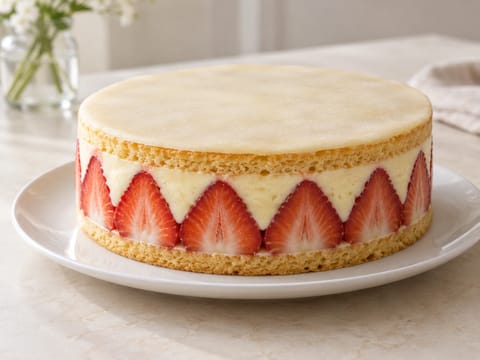
French strawberry cake with génoise and crème mousseline
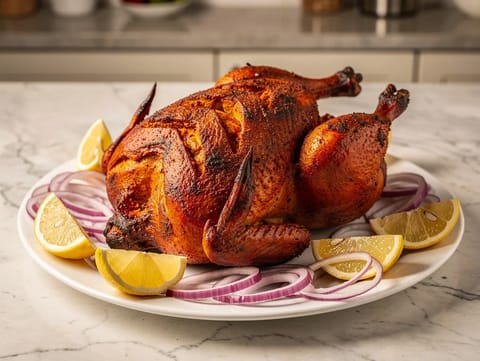
Whole roast chicken in a yoghurt tandoori marinade
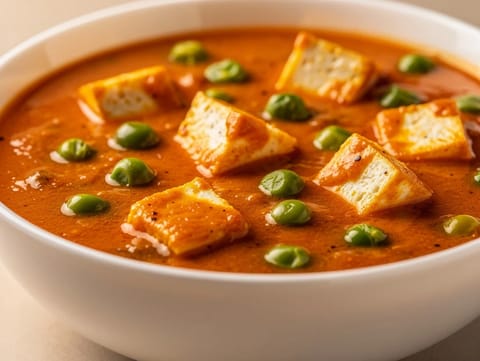
Paneer and peas simmered in a spiced tomato-onion gravy
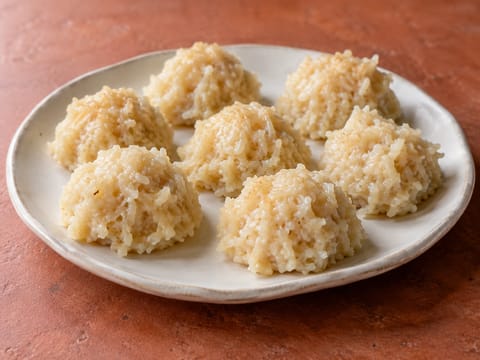
Chewy coconut sweets made with condensed milk and vanilla
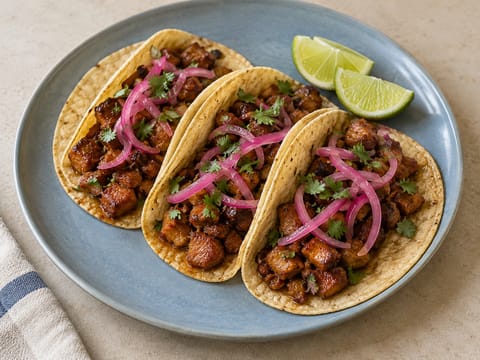
Corn tortillas filled with adobo-style pork and pickled red onion
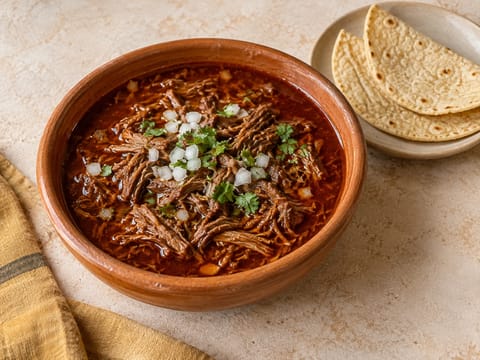
Tender beef birria stew with a smooth chilli consommé
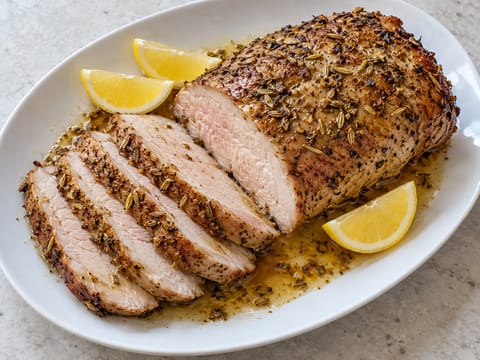
Roast pork loin with fennel, rosemary and white wine juices
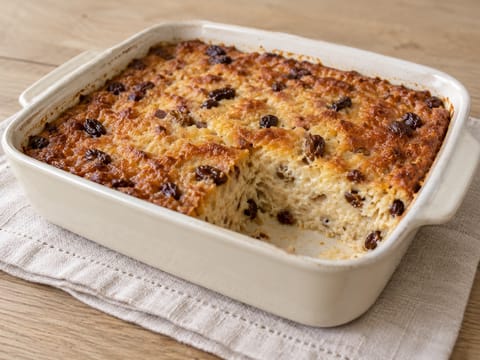
Italian bread pudding baked with milk, eggs and raisins
Not necessarily. Lactose-free foods may still contain dairy ingredients with the lactose removed or reduced. Dairy-free avoids dairy altogether, so it is a different (often stricter) approach.
No. Dairy-free recipes can still include eggs, meat, fish or honey. Vegan recipes avoid all animal-derived ingredients.
Milk powder, whey, casein and butter are frequent ones. They can appear in breads, snacks, chocolate, seasoning mixes and ready-made sauces, so labels matter.
Sometimes, but it depends on the recipe. Unsweetened plant milks vary in thickness, protein and sweetness, which can affect browning, tenderness and how a sauce thickens.
Often a blend of technique and ingredients: emulsifying oil into a sauce, blending cooked vegetables or beans, using coconut milk, or finishing with something starchy such as potato or pasta water.
Ghee is clarified butter, so it is still a dairy product. Some people who avoid lactose tolerate it, but it would not usually be considered dairy-free.
Start by choosing recipes that are naturally dairy-free, then use swaps where dairy is doing a clear job, such as adding creaminess or tenderness. When a recipe depends on butter or cheese for its core character, it is worth picking a dish built around different strengths rather than forcing a like-for-like replacement.
