
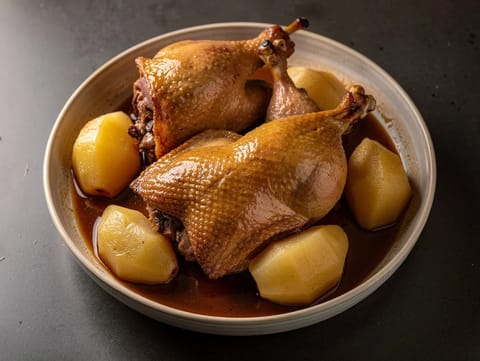
Pato con Peras (Catalan Duck Braised with Pears and Red Wine)
Duck legs braised in red wine with pears and garlic
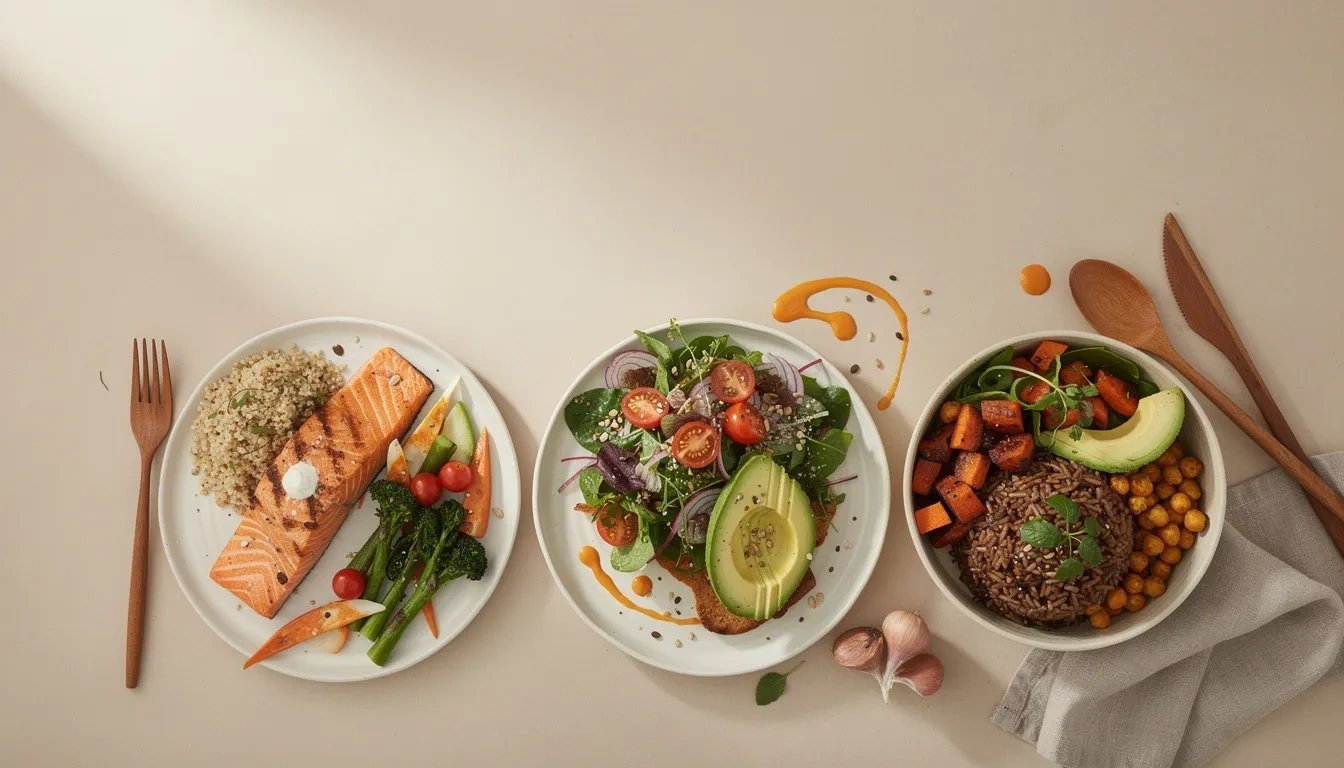
Cooking dairy-free is less about giving things up and more about knowing where dairy quietly does the work. Milk, yoghurt, butter and cheese can add richness, tenderness and a gentle tang, so dairy-free recipes often build those qualities in other ways: olive oil or plant fats for gloss, blended vegetables or nuts for body, and citrus or vinegar for lift. This page helps you choose dairy-free dishes with confidence, and spot the ingredients that most often need a second look.
A dairy-free recipe avoids ingredients made from animal milk, including common staples such as butter, cream, yoghurt, cheese and whey-based products. In practice, dairy can appear in obvious places (a creamy pasta sauce) and in less expected ones (a breadcrumb topping enriched with butter, or a dessert finished with cream).
From a cooking point of view, dairy-free recipes often lean on other sources of richness and structure. You may see olive oil, coconut milk, blended beans or vegetables, or emulsified dressings used to create a similar mouthfeel to cream. For baking, the key question is usually whether the recipe relies on butter for flavour and texture, or whether a neutral oil-based batter makes more sense.
Duck legs braised in red wine with pears and garlic
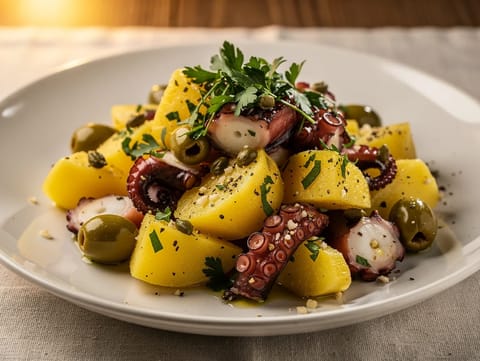
Octopus salad with potatoes, olives, capers and lemon dressing
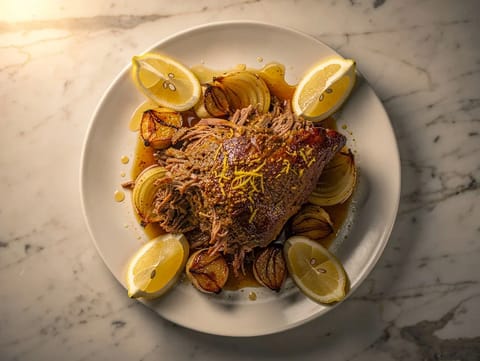
Slow-cooked lamb shoulder with ras el hanout and lemon
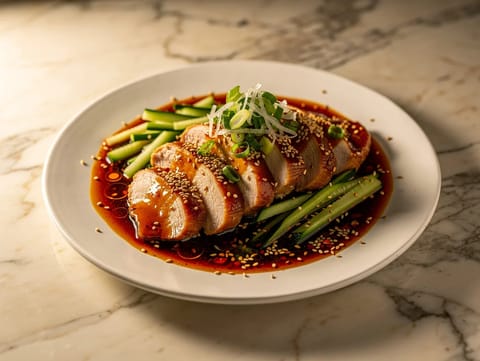
Chilled poached chicken dressed with chilli oil and black vinegar
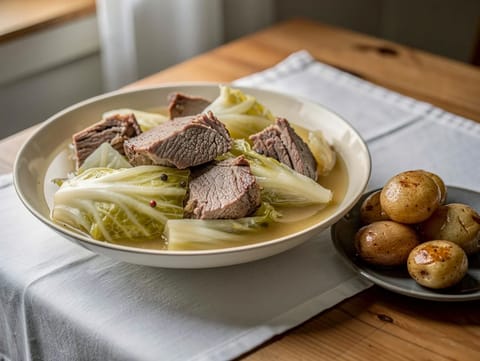
Norwegian lamb and cabbage stew with whole peppercorns
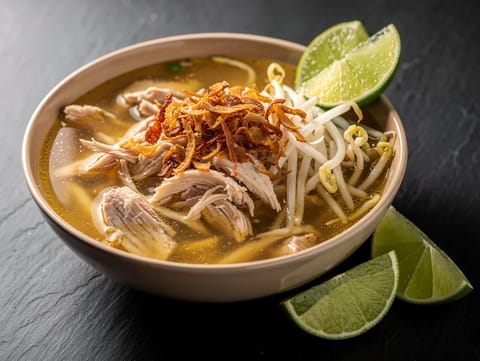
Chicken and turmeric soup with vermicelli and bean sprouts
When you are deciding what to cook, it helps to think about what you would normally expect dairy to contribute.
For creamy dishes, look for recipes that build body through blending (for example, soups thickened with potatoes or cauliflower) or through emulsions (a well-whisked vinaigrette, tahini dressing, or a sauce finished with a little starchy cooking water). For richness without cream, dishes based on slow-cooked onions, tomatoes, mushrooms or roasted vegetables can feel rounded without needing a dairy finish.
For baking and desserts, check whether the recipe is naturally oil-based (many cakes and quick breads are) or whether it is a butter-forward style where the swap matters more. For simple meals, dairy-free often aligns naturally with grilled meats or fish, vegetable-forward stir-fries, and grain bowls where the flavour comes from herbs, spices and sharp dressings rather than cheese.
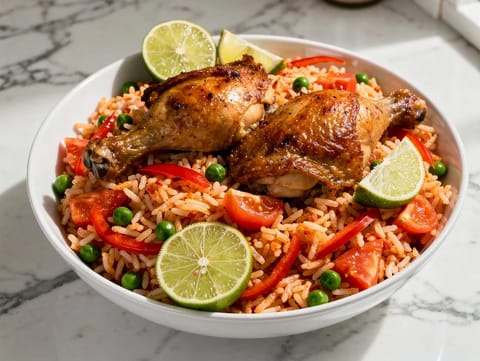
One-pot chicken and rice with peppers, tomatoes, peas and cumin
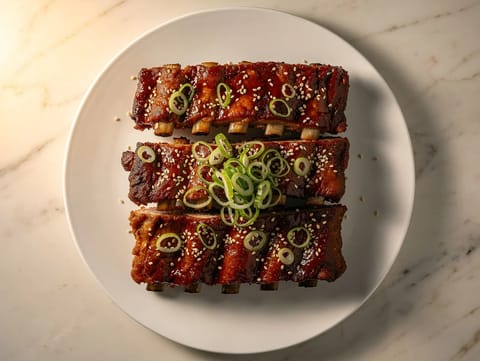
Oven-baked pork ribs with sticky gochujang glaze
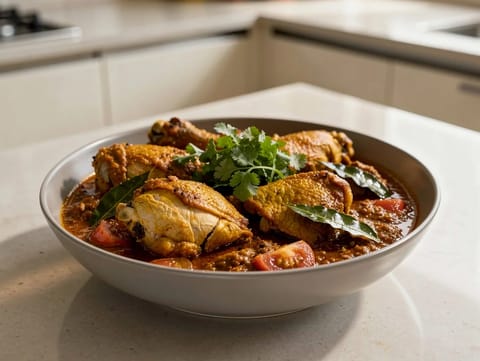
South Indian chicken curry with toasted spices, pepper and coconut
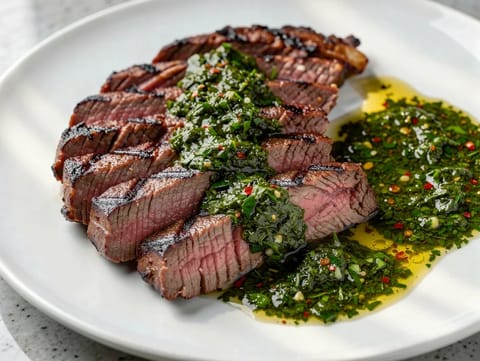
Grilled ribeye served with parsley and garlic chimichurri
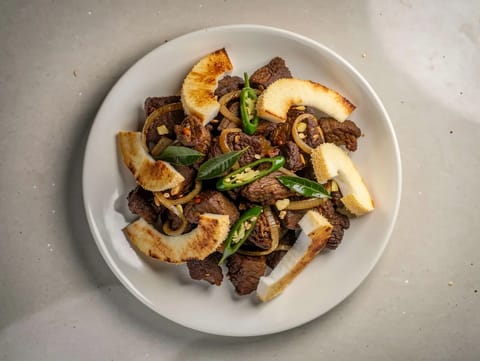
Dry-style Kerala beef fry with curry leaves and coconut
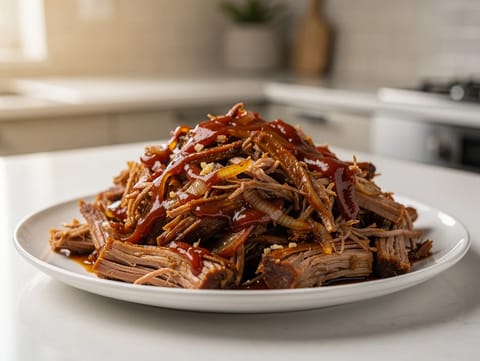
Slow-roasted pulled pork with smoky rub and barbecue sauce
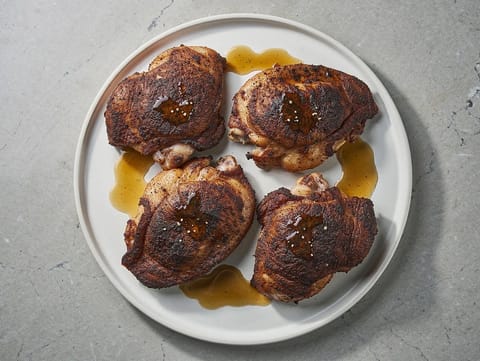
Blackened Cajun chicken thighs finished with lemon
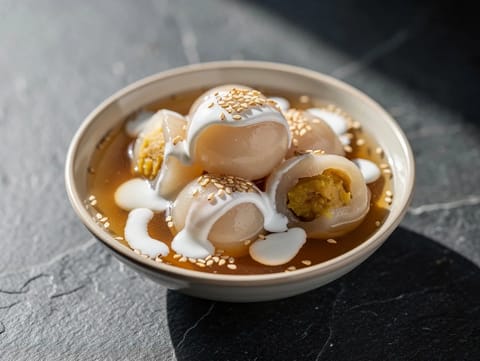
Glutinous rice balls with mung bean in ginger syrup
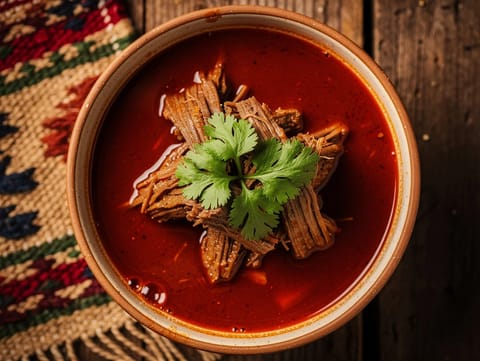
Slow-braised birria beef stew with dried chillies, tomato and spices
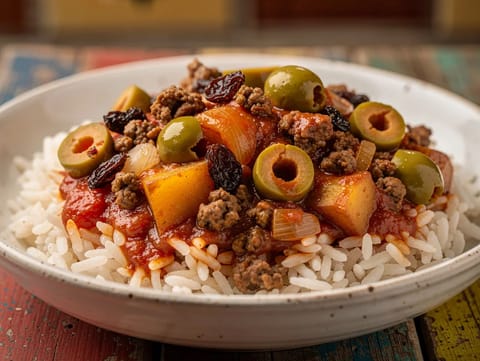
Minced beef simmered with tomatoes, olives, raisins, and potatoes.
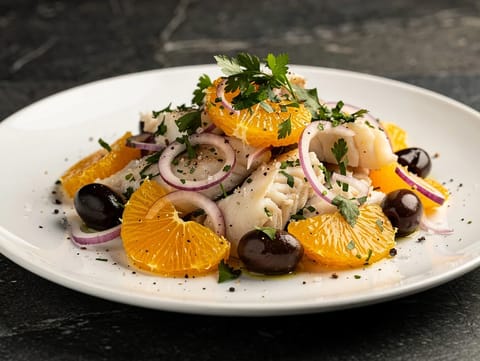
Orange and salt cod salad with red onion and olives
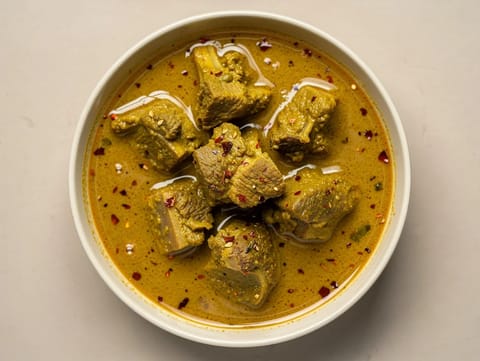
Indonesian lamb curry simmered in coconut milk with spices
Dairy-free browsing is most reliable when you still read ingredient lists, especially for packaged foods. Butter, milk powder, whey, casein and lactose can turn up in breads, crackers, chocolate, stock cubes, spice blends and ready-made sauces.
If you are avoiding dairy for allergy reasons, be cautious with products labelled “may contain” and with shared equipment in busy kitchens, where cross-contact is possible. If you are cooking for a mixed table, it can help to keep dairy add-ons separate, such as serving grated cheese or yoghurt on the side rather than building them into the main dish.
If you are avoiding dairy for allergy reasons, the Allergens categories can help you browse more cautiously and spot other common triggers that sometimes travel with dairy in packaged foods. Ingredient pages are also useful when you want to compare plant milks, creams and fats, because different options behave very differently in sauces, baking and desserts.
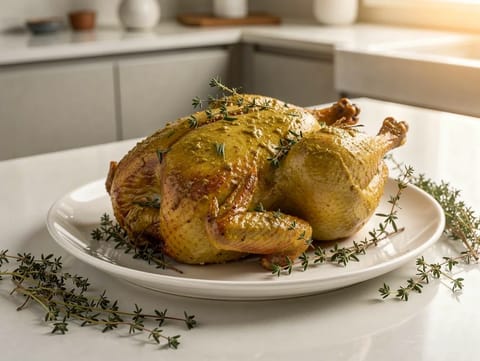
Roast chicken coated with Dijon mustard, thyme, garlic and shallots
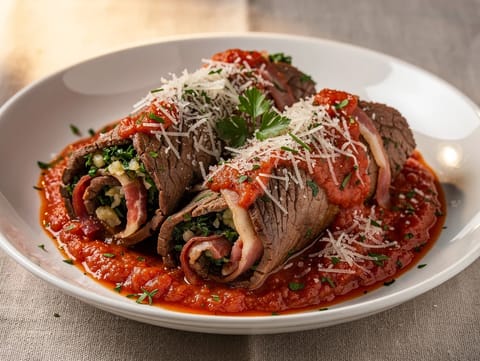
Stuffed beef rolls in tomato sauce
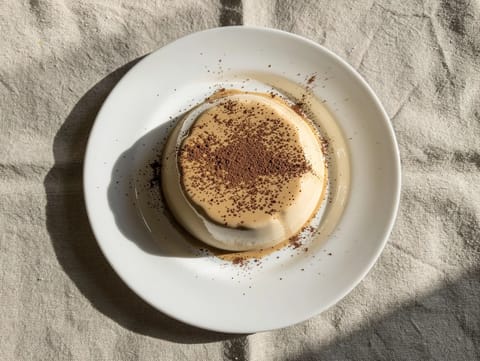
Silky espresso panna cotta finished with a dusting of cocoa
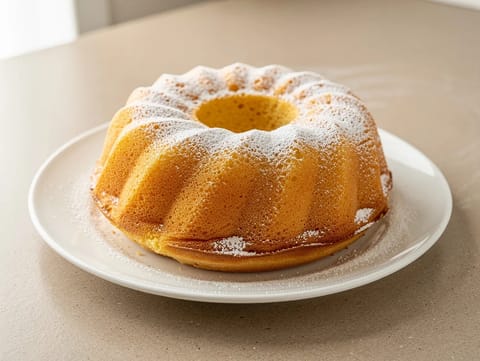
Tender Italian ring cake with olive oil and icing sugar
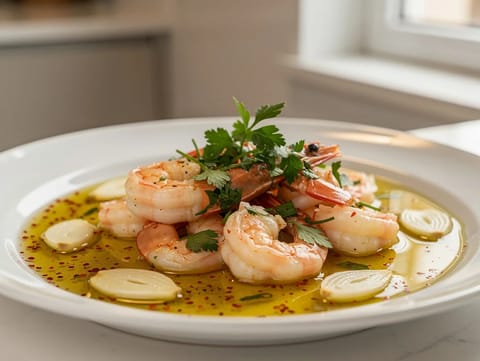
Spanish prawns cooked in olive oil with garlic and chilli
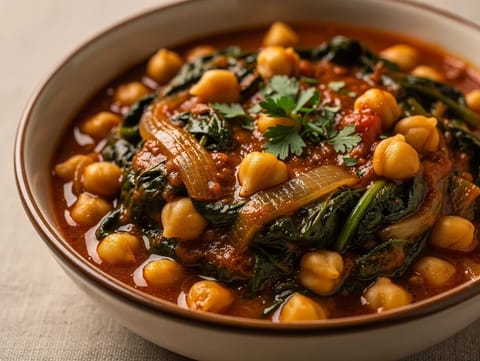
Spinach and chickpeas simmered in tomato, paprika and cumin
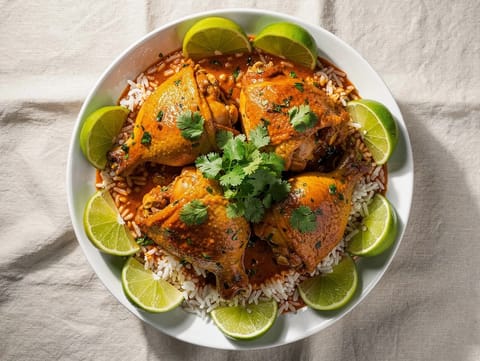
Ecuadorian chicken braised with beer, tomato, peppers and coriander
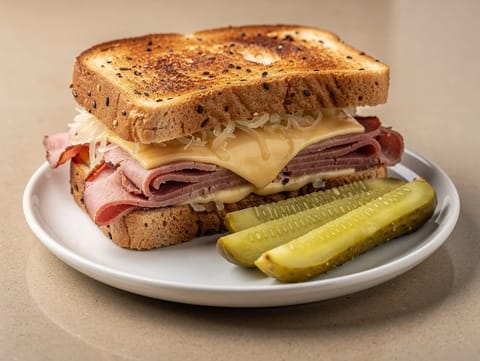
Corned beef, sauerkraut and Swiss on rye, toasted until crisp
Not necessarily. Lactose-free foods may still contain dairy ingredients with the lactose removed or reduced. Dairy-free avoids dairy altogether, so it is a different (often stricter) approach.
No. Dairy-free recipes can still include eggs, meat, fish or honey. Vegan recipes avoid all animal-derived ingredients.
Milk powder, whey, casein and butter are frequent ones. They can appear in breads, snacks, chocolate, seasoning mixes and ready-made sauces, so labels matter.
Sometimes, but it depends on the recipe. Unsweetened plant milks vary in thickness, protein and sweetness, which can affect browning, tenderness and how a sauce thickens.
Often a blend of technique and ingredients: emulsifying oil into a sauce, blending cooked vegetables or beans, using coconut milk, or finishing with something starchy such as potato or pasta water.
Ghee is clarified butter, so it is still a dairy product. Some people who avoid lactose tolerate it, but it would not usually be considered dairy-free.
Start by choosing recipes that are naturally dairy-free, then use swaps where dairy is doing a clear job, such as adding creaminess or tenderness. When a recipe depends on butter or cheese for its core character, it is worth picking a dish built around different strengths rather than forcing a like-for-like replacement.
