
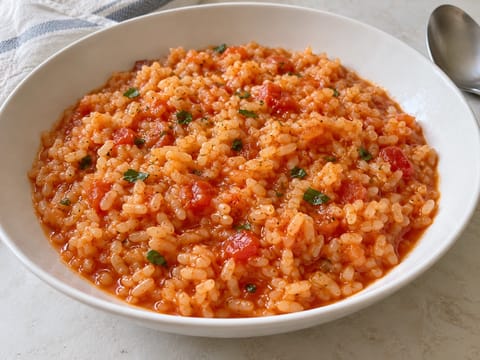
Arroz de Tomate (Portuguese Tomato Rice)
Portuguese tomato rice simmered with onion, garlic and stock
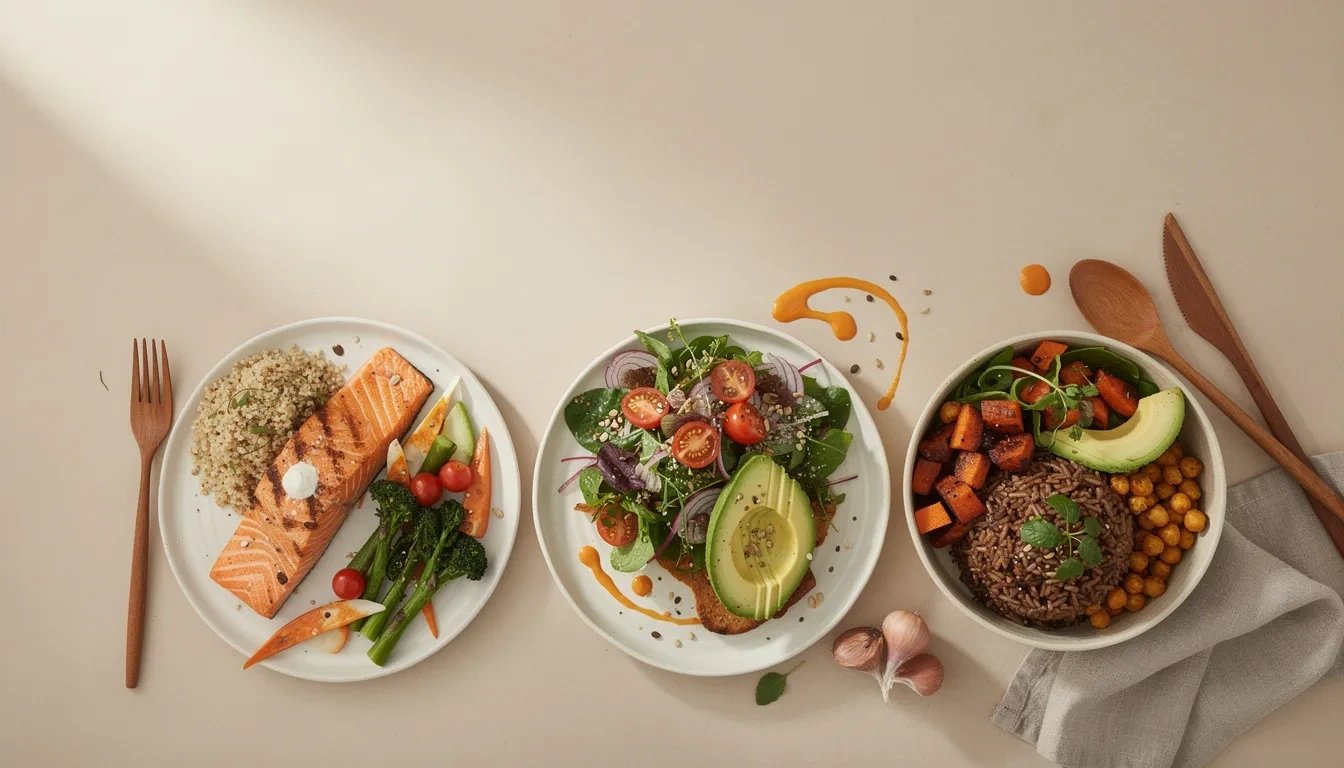
Vegan cooking avoids animal-derived ingredients, which makes the ingredient list the main point of control. The obvious checks are meat, fish, eggs and dairy, but many near-misses come from smaller additions: butter brushed on bread, whey in snacks, egg in pasta, or honey in dressings. This page sets out what the vegan label covers, where animal ingredients commonly hide, and the kinds of substitutions that keep a recipe’s texture and structure intact rather than simply removing ingredients.
A vegan recipe is made without meat, fish, shellfish, dairy, eggs and other animal-derived ingredients. In everyday cooking, the practical challenge is that animal products are used in different roles: eggs set custards and bind batters; dairy adds richness and browning; gelatine sets some desserts; and cheese can be both seasoning and structure.
Vegan also does not automatically mean a recipe is free from other allergens such as nuts, sesame, soy or gluten. Many vegan staples rely on these ingredients for protein and texture. Treat vegan as one clear boundary, then make separate decisions for any additional needs in your kitchen.
Portuguese tomato rice simmered with onion, garlic and stock
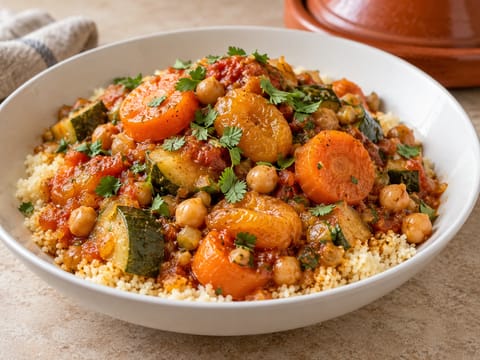
Vegetable tagine with chickpeas, tomatoes and dried apricots
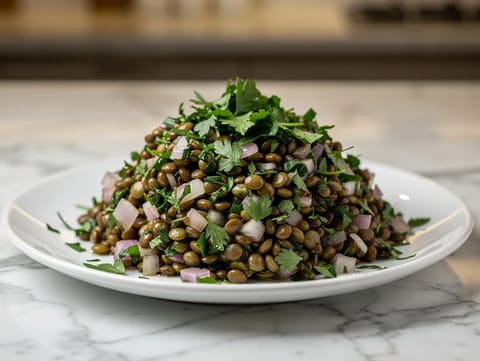
Warm French lentil salad with mustard dressing, shallot and parsley
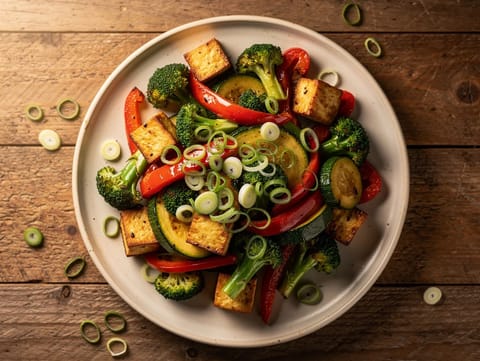
Crispy tofu and vegetables cooked quickly in the air fryer.
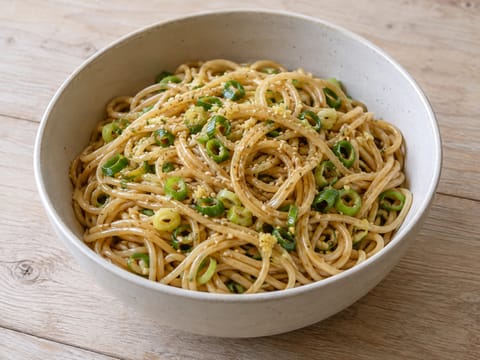
Wheat noodles with ginger spring onion oil and soy

Red wine spritzer with lemonade, lemon and ice
When you are selecting vegan recipes, it helps to think about what would otherwise be doing the heavy lifting. For creamy textures, look for recipes built around blended vegetables, pulses, coconut, or plant-based creams, rather than those that simply omit dairy. For baking, notice whether the recipe depends on eggs for lift and structure, or whether it is closer to a quick bread or biscuit where other binders can work.
For savoury depth, many vegan dishes lean on slow-cooked onions, mushrooms, tomatoes, fermented ingredients and toasted spices. If you want a cheese-like finish, some recipes use nut or seed bases, while others rely on sharpness and salt from ingredients such as pickles, capers or olives. The best fit depends on the dish, not on a single universal substitute.
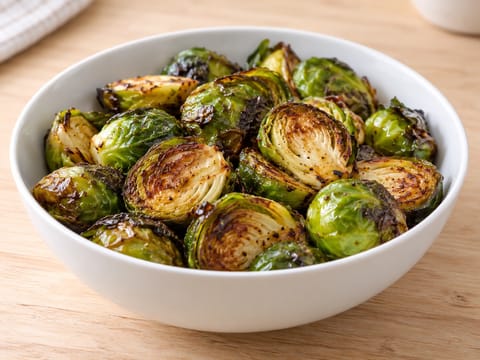
Air-fried Brussels sprouts with garlic and balsamic vinegar.
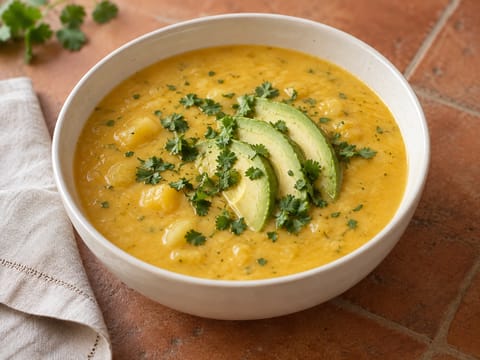
Creamy vegan potato soup with beans, avocado, and lime.

A creamy coconut milk and pandan smoothie with banana.
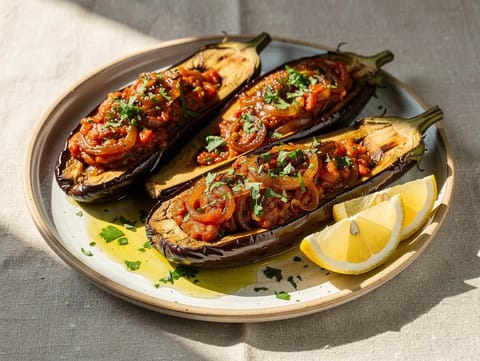
Baked stuffed aubergines with tomato, onion, garlic and parsley
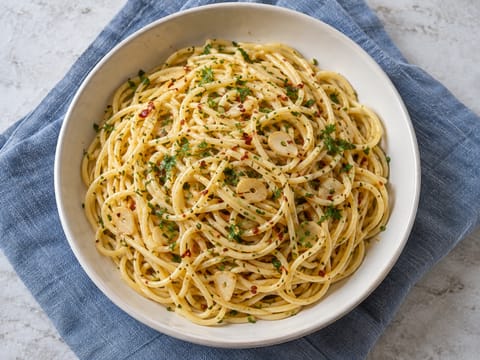
Spaghetti with garlic, olive oil, chilli flakes, parsley and lemon
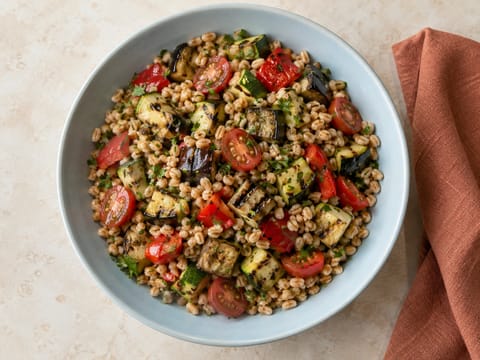
Farro salad with grilled vegetables, cherry tomatoes and lemon
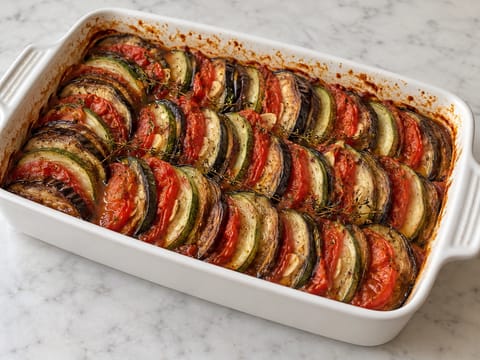
Baked aubergine, courgette and tomato with garlic and thyme
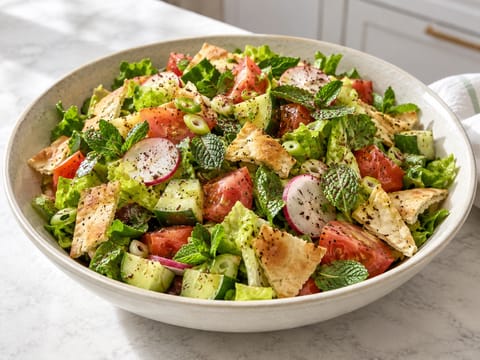
Crunchy salad with toasted pitta, vegetables and sumac
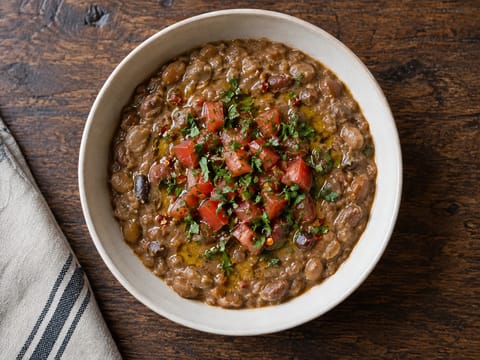
Warm fava bean stew with lemon, garlic and cumin
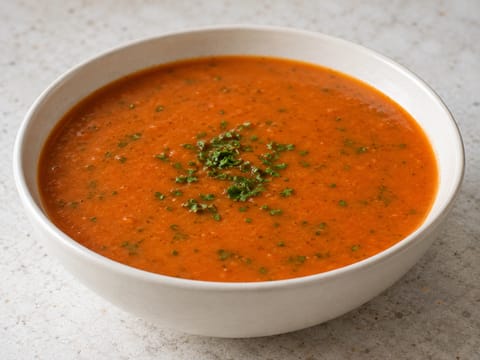
Light tomato soup blended smooth with spices, lemon and coriander
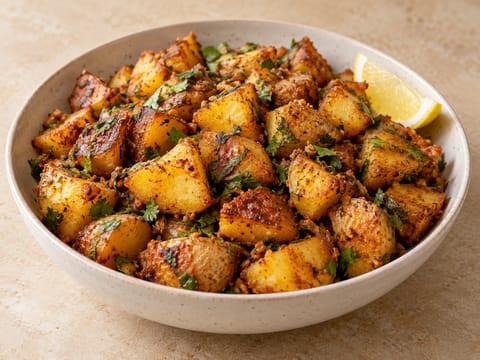
Crisp-edged potatoes seasoned with cumin, paprika and lemon
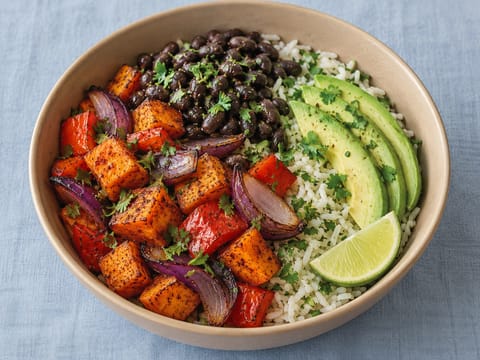
Roasted veg with lime rice, black beans and avocado
Vegan suitability often hinges on packaged ingredients. Check labels for milk powders, whey, casein, egg, gelatine, honey and animal-derived colourings or flavourings, which can appear in sweets, crisps, sauces and bread products. Because formulations change, it is worth checking even familiar brands.
A vegan label also does not guarantee suitability for allergies. If you are avoiding allergens such as nuts, sesame or soy, read the full ingredient list and consider cross-contact statements where relevant to your household.
Ingredient pages can help you compare plant-based alternatives, such as different milks, creams and egg replacers, because they behave differently in sauces, baking and desserts. Allergen guidance is also a sensible next step if you need vegan recipes that are additionally mindful of nuts, sesame, soy or other common allergens.
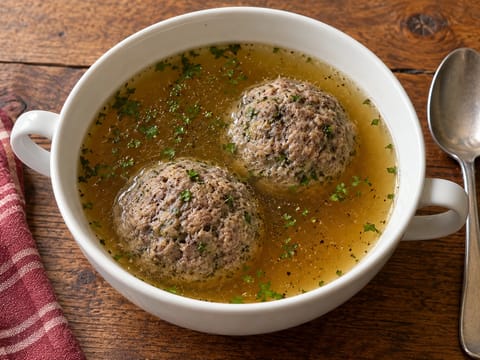
Clear beef broth with poached German liver dumplings
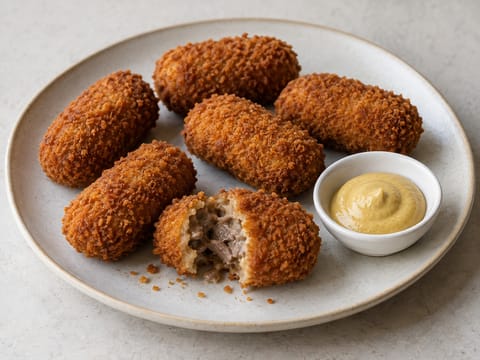
Crisp air-fried croquettes with a beef ragout filling.
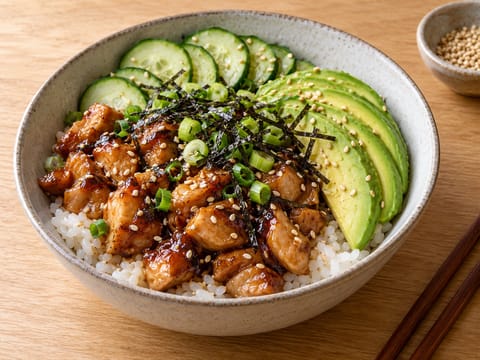
Teriyaki chicken poke bowl with sushi rice, cucumber and avocado.
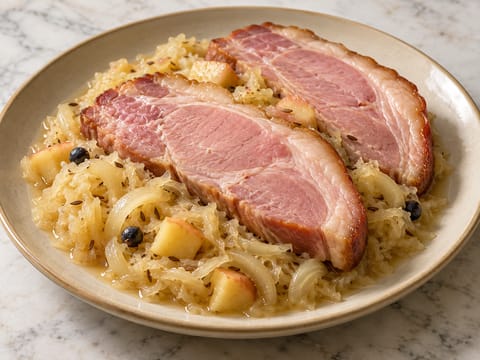
Smoked pork simmered with sauerkraut, apple and juniper
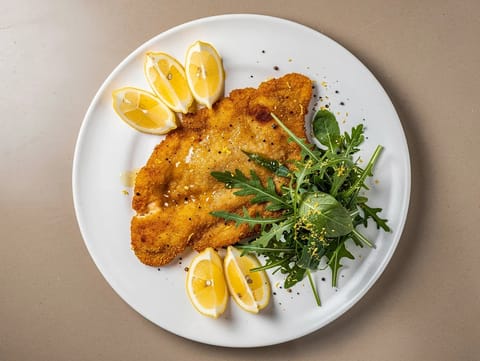
Crisp chicken Milanese served with rocket and lemon
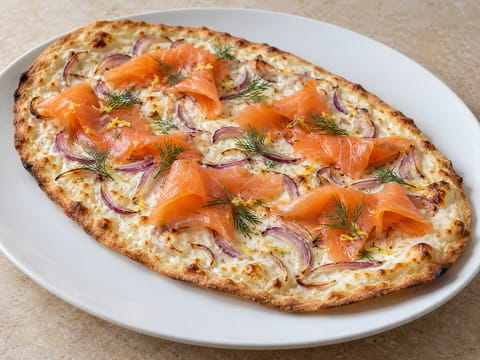
Crisp tarte flambée with smoked salmon, red onion and dill
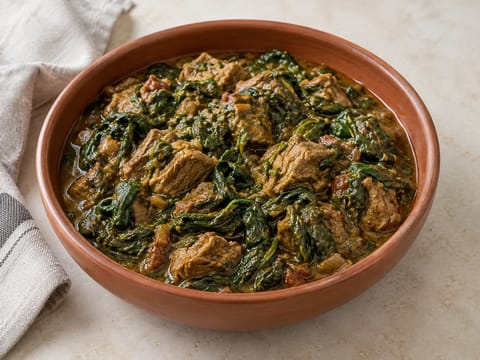
Spiced lamb curry finished with wilted spinach

Buckwheat galettes filled with ham, Emmental and fried egg
No. Vegan avoids all animal-derived ingredients, including eggs and honey, not just dairy. A dairy-free recipe may still contain eggs, fish or meat.
Typically no. Honey is animal-derived, so it is usually excluded in vegan cooking. Check labels on dressings, granola and baked goods where honey is sometimes used.
Whey and milk powders, casein, egg in pasta or baked goods, gelatine in some desserts and sweets, and butter used for finishing are common examples.
Not always. Some plant milks are sweeter, thinner or more prone to splitting. For cooking, choose a plant milk that suits the job, and be cautious with flavoured or sweetened versions.
It depends on the role of the egg. Some recipes use flax or chia “eggs” for binding, others use aquafaba for foaming, and some rely on baking powder and the right batter balance. It is often easiest to choose a recipe developed to be vegan rather than converting an egg-heavy bake.
No. Nuts and seeds are common in vegan cooking for richness and protein. If you need to avoid nuts, treat that as a separate check.
Vegan cooking is most reliable when the recipe is built around plant ingredients from the start, with substitutions chosen for function: setting, binding, emulsifying or adding richness. Keep label-checking in the routine, especially for packaged foods and finishing touches.
