

Koffie Verkeerd (Dutch Latte-Style Coffee)
Dutch coffee with equal parts brewed coffee and hot milk
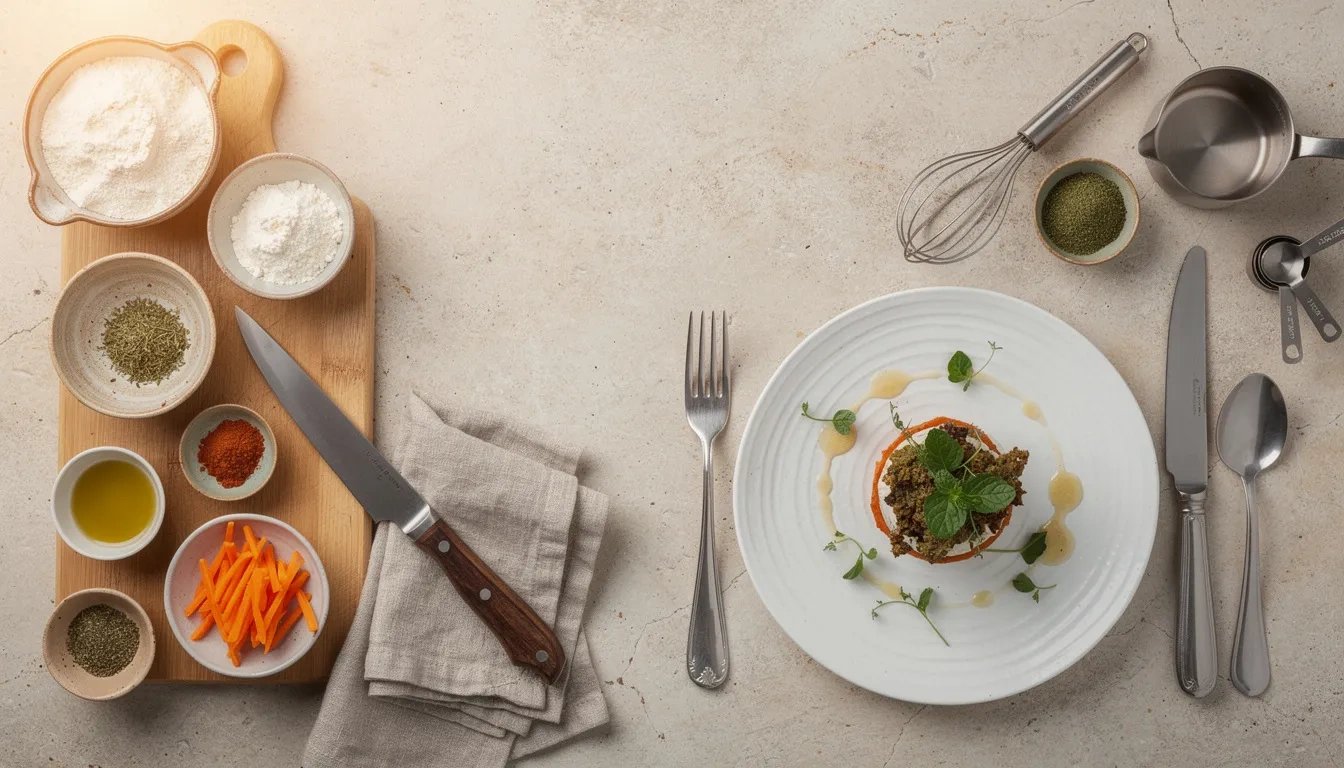
Easy recipes are defined less by what you cook and more by how you cook it. They typically use familiar techniques, clear steps, and forgiving timings, so you can focus on flavour and getting food on the table without constant monitoring. You might still chop, stir, bake or simmer, but the method usually avoids tight temperature control, delicate textures, or multiple components that must land at the same moment. If you want cooking that fits around real life, this is a sensible place to start.
In easy recipes, the workflow is usually linear: prep, cook, finish. You are less likely to be asked to whisk while pouring, judge a sugar stage, or rescue a split sauce. Many easy dishes rely on steady heat and clear visual cues, such as vegetables turning tender, pasta reaching the right bite, or a bake setting in the centre. Seasoning is often added in stages, but you are not typically balancing several reductions or finishing sauces at the last second. The result is cooking that tolerates small delays, which matters when you are interrupted mid-recipe.
Dutch coffee with equal parts brewed coffee and hot milk
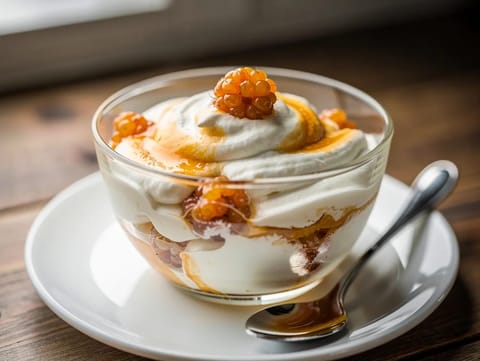
Cloudberries folded into lightly sweetened whipped cream
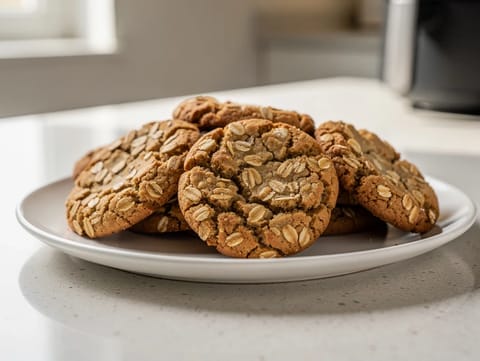
Air fryer oatmeal cookies with a chewy centre and crisp edges.
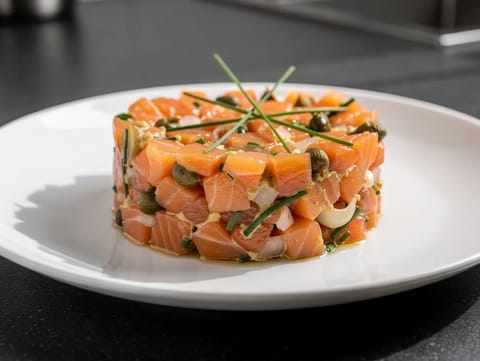
French-style salmon tartare with capers, Dijon and lemon
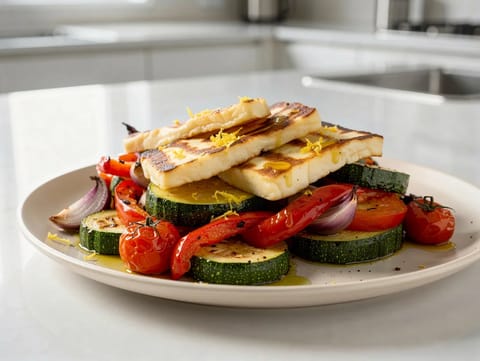
Halloumi traybake with roasted courgette, pepper and tomatoes
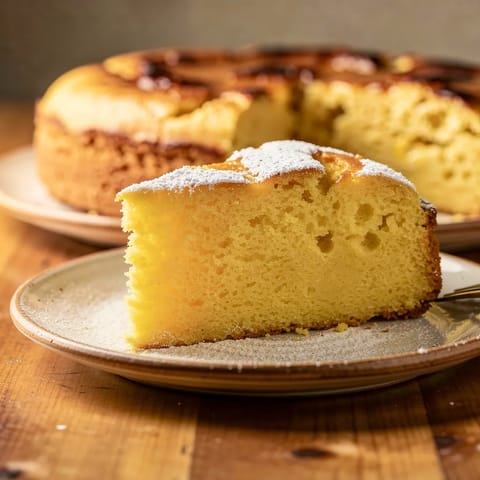
Mexican corn cake made with sweetcorn
Easy does not always mean fast. A traybake, stew or slow-roasted dish can be very simple yet take time in the oven. It also does not guarantee minimal washing-up, because some straightforward recipes still use a couple of pans or mixing bowls. And while easy recipes often suit newer cooks, they can still include important basics, such as browning properly, salting pasta water, or letting a batter rest. Think of “easy” as low complexity and low risk, rather than no effort at all.
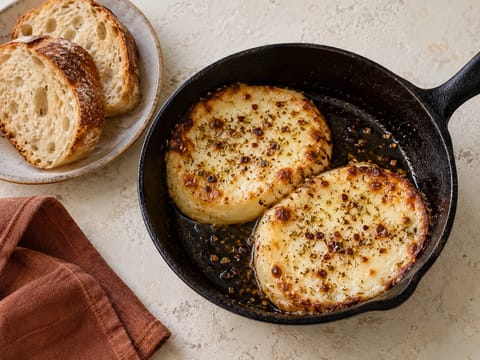
Grilled provolone topped with oregano, chilli and lemon
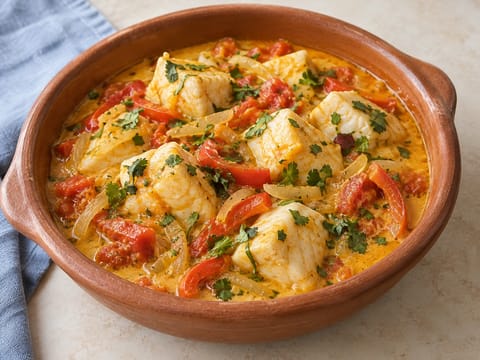
Brazilian coconut fish stew with tomatoes, peppers and lime
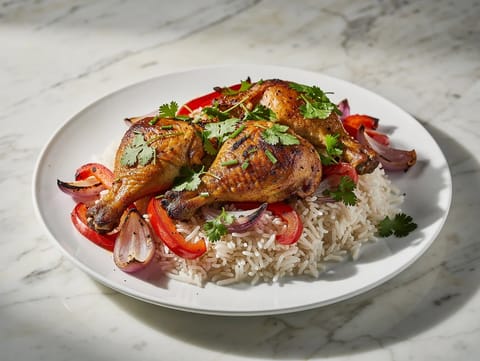
Lemongrass chicken traybake with peppers, onion and jasmine rice
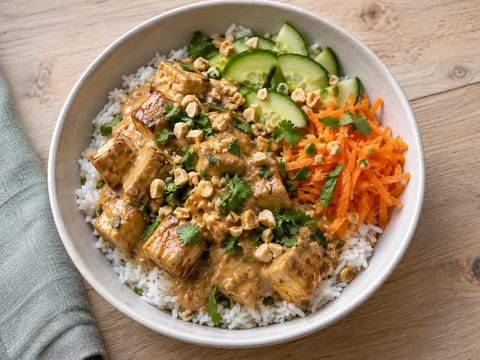
Pan-fried tofu in satay peanut sauce over jasmine rice
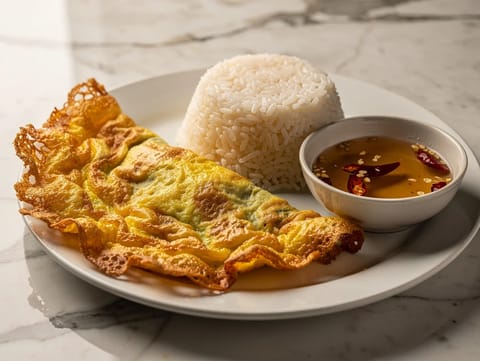
Fluffy Thai omelette with fish sauce, served with jasmine rice
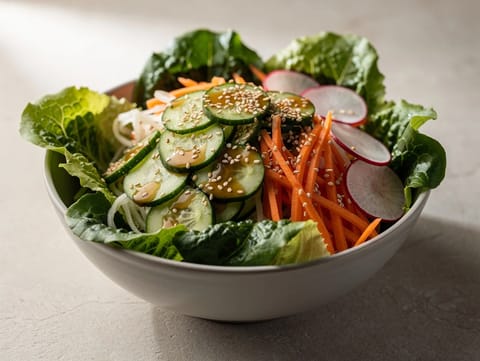
Crisp Korean salad with nutty sesame dressing
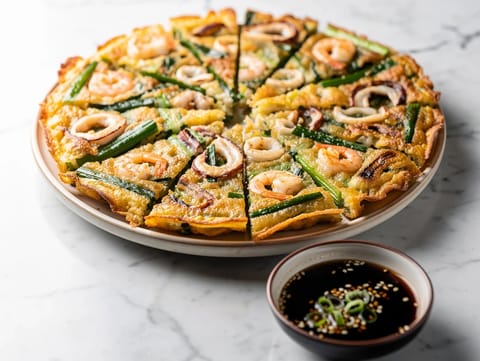
Seafood and spring onion pancake with soy vinegar dipping sauce
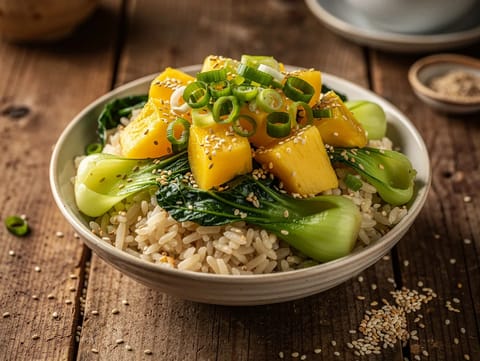
Jasmine rice bowl with bok choy, pineapple and sesame
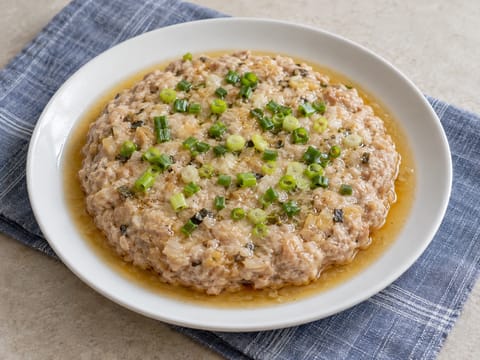
Steamed minced pork patty with salted fish and soy
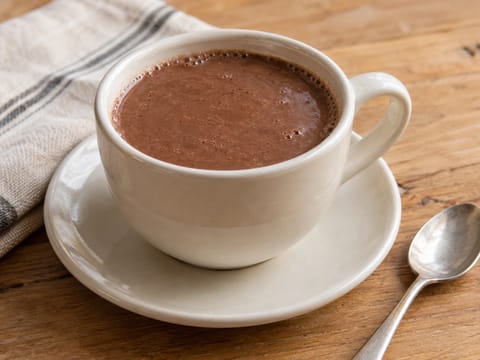
Mexican hot chocolate thickened with masa harina and cinnamon
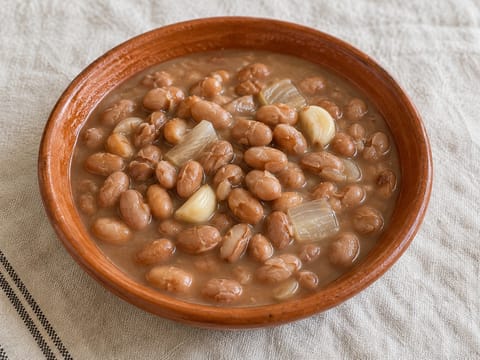
Pinto beans simmered with onion and garlic, served with broth
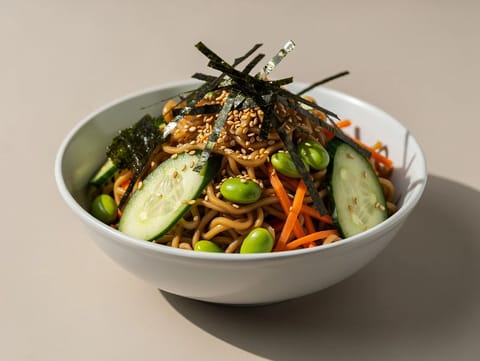
Chilled ramen salad with cucumber, carrot and edamame
For the least decision-making, look for one-pan or one-tray methods where ingredients cook together and the oven does the steady work. If you want predictable results, choose recipes with clear doneness cues, such as a bake that firms up, or a simmer that continues until ingredients are tender. If you are cooking for mixed confidence levels, pick dishes where components can be served separately, such as a simple protein with a vegetable side, so timing is less exact. When you want a gentler introduction to a new cuisine or ingredient, easy recipes are often a good entry point because the technique stays familiar while flavours change.
Use the prep time to set yourself up: read the ingredient list, pull out the pan sizes you need, and start heating the oven or water early so you are not waiting later. Keep seasoning simple but deliberate. Add salt in small steps and taste where you can, especially with sauces, dressings and soups. If a recipe includes browning, give the pan time to get properly hot and avoid crowding, because pale, steamy cooking is a common reason “easy” food tastes flat. Finally, do not skip resting time for baked or roasted dishes; it often helps juices settle and textures firm up.
If you want easy and quick, Cooking time helps separate simple recipes that are genuinely speedy from those that are hands-off but longer. Cooking method is useful when you know what feels manageable, such as traybaking, simmering, or no-cook assembly.
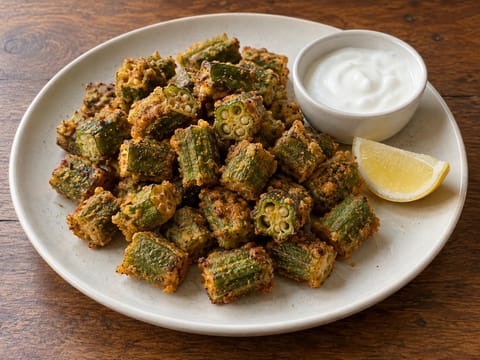
Crispy spiced okra bites with gram flour
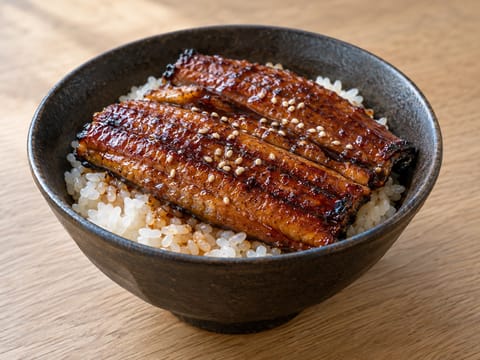
Grilled eel glazed with soy and mirin over rice
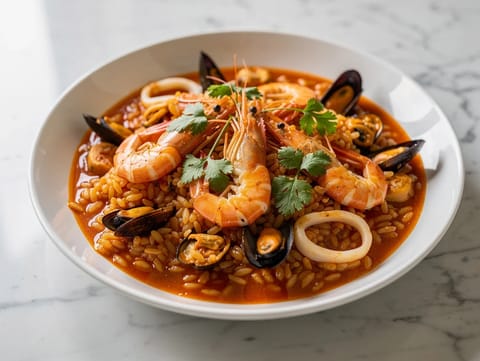
Portuguese seafood rice with prawns, mussels, squid and tomato
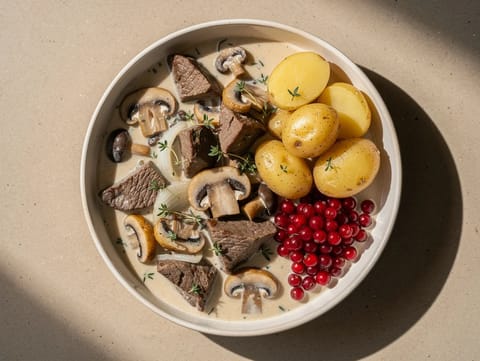
Nordic reindeer stew with cream and mushrooms
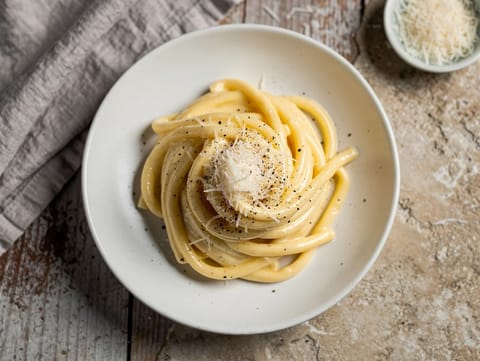
Neapolitan pasta with egg, pecorino Romano and black pepper
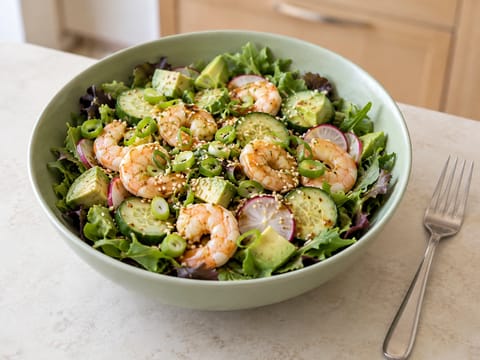
Low carb poke bowl with prawns, avocado and cucumber.
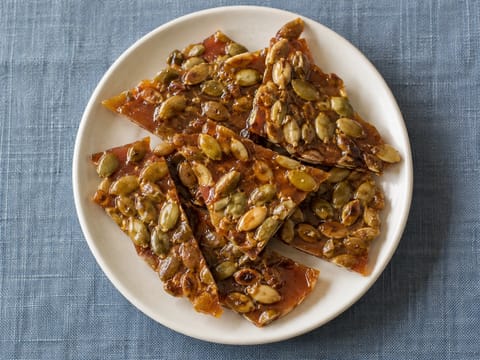
Crisp pumpkin seed brittle set into thin, crunchy shards
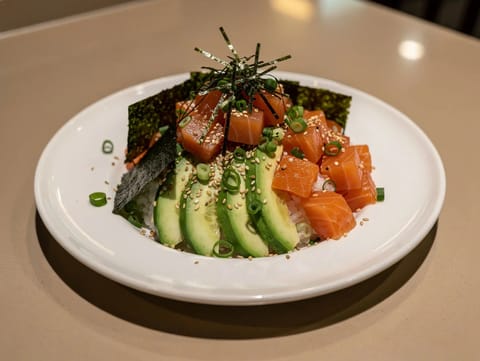
Salmon poke bowl with sushi rice and toasted sesame.
Often, yes, because the steps are usually familiar and forgiving. Still, it helps to read the method first and look up any technique you have not done before, such as folding, roasting, or making a simple sauce.
It can. Many dishes rely on good ingredients and straightforward cooking, where the key is not complexity but getting the basics right, such as proper browning, balanced seasoning, or careful baking.
Because difficulty and time are different. A dish can be simple to assemble yet need slow cooking, baking, chilling or resting to reach the right texture.
Under-seasoning and under-browning. When the method is simple, flavour often depends on salting in stages and allowing enough heat for caramelisation.
Not always. Some are short lists; others use several everyday ingredients but keep the method uncomplicated. Ingredient count alone is not a reliable guide to difficulty.
They can, but it depends on the method. If you want to limit cookware, look for recipes that cook in a single pot, pan or tray, or that rely on simple mixing rather than multiple bowls.
Easy cooking works best when you choose recipes with a calm workflow and clear cues, then give the basics, heat, salt and timing, a little attention. From there, you can branch out by method or by how much time you have.
