
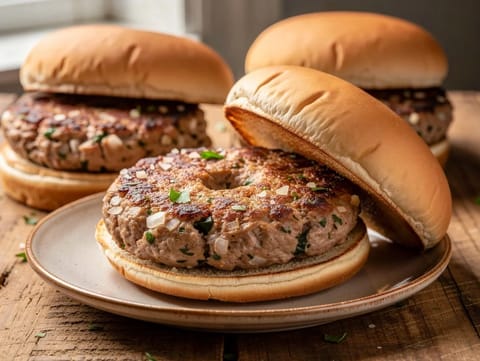
Air Fryer Turkey Burgers
Tender air fryer turkey burgers with onion and herbs.

Burgers are a hosting-friendly dish because the core is simple and the customisation happens at the table. The main choices are the patty style, the cooking method, and how you want people to assemble their own. A thin patty cooks quickly and takes on more browning; a thicker one gives a softer interior but needs more attention to doneness. Beyond beef, burgers can be made with poultry, fish, vegetables or pulses, and each behaves differently when shaped and cooked. Set up well, burgers let you feed different tastes without running multiple separate dishes.
A burger is built around a patty or patty-like filling served in a bun or similar bread, usually with toppings and a sauce. The defining feature is the handheld, layered format rather than a specific meat, seasoning, or cooking method. Burgers may be grilled, pan-cooked, baked or cooked on a flat-top surface, and they can be served as single or stacked patties. What the term does not automatically imply is that the patty is minced beef, that it must be cooked outdoors, or that it is always served with the same garnishes. In practice, the burger’s success depends on how well the patty holds together, how the bun handles moisture, and whether the toppings are chosen to add contrast rather than bulk.
Tender air fryer turkey burgers with onion and herbs.
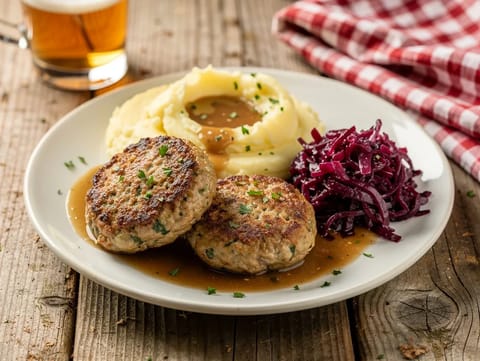
German pan-fried meat patties made with beef, pork and mustard
Minced beef patties with spring onion and garlic, pan-grilled until caramelised
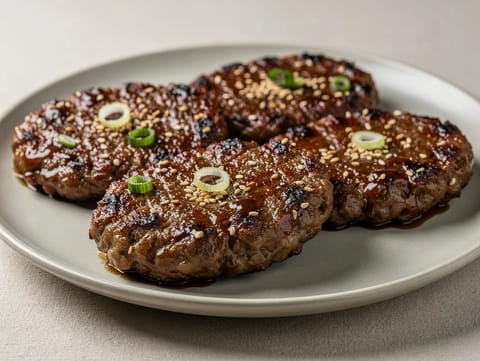
Korean beef short rib patties with soy, garlic and pear
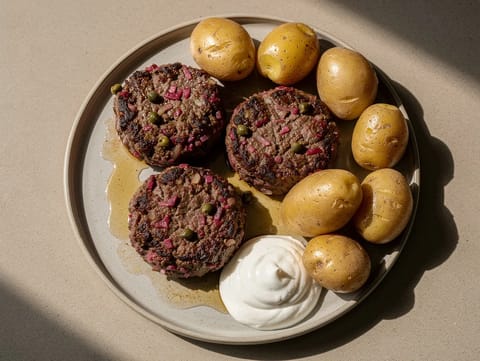
Swedish beef patties with beetroot, capers and onion
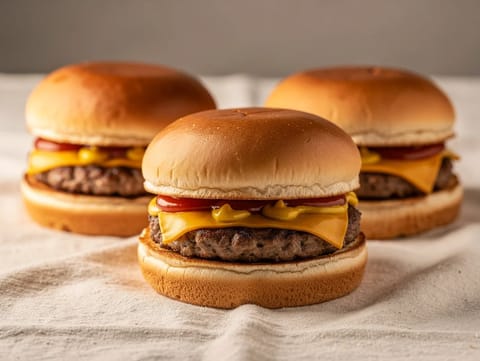
Air fryer cheeseburgers with melted cheddar on beef patties.
For speed and strong browning, thin patties suit a hot pan or griddle and are easy to cook in batches. Thicker patties can be more forgiving of over-browning on the outside, but they benefit from controlled heat so the centre cooks through without drying. If you are cooking for guests, consider a method that keeps your attention free: oven-finished patties or tray-baked components can reduce last-minute juggling, while grilling gives smoke and char but can make timing more variable. Think about build order too. Sauces and juicy toppings can soak buns quickly, so it helps to create a barrier, such as lettuce or a thicker spread, and to toast buns if you want them to stay resilient. A build-your-own set-up works best when toppings are prepped to similar sizes so the burger stays stable in the hand.
German pan-fried meat patties made with beef, pork and mustard
Tender air fryer turkey burgers with onion and herbs.
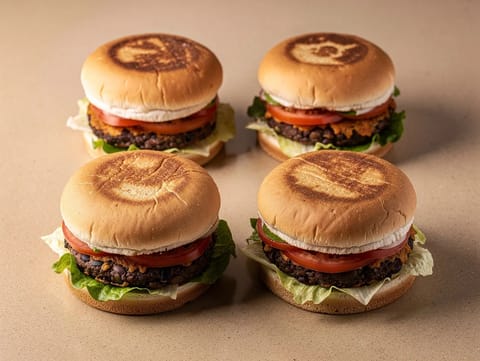
Crisp pan-fried black bean burgers in toasted buns
Korean beef short rib patties with soy, garlic and pear
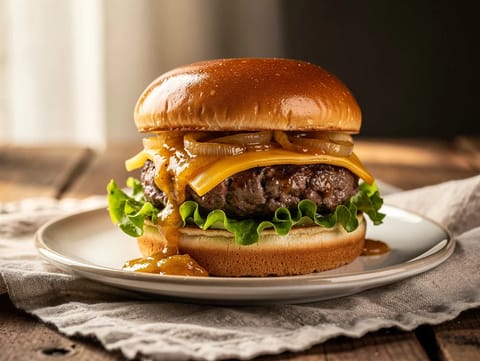
Beer burger with onion pan sauce, cheese and Dijon mustard
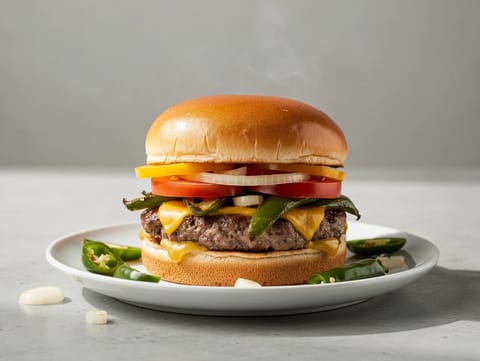
Beef burgers with roasted green chillies and cheddar
Swedish beef patties with beetroot, capers and onion
Air fryer cheeseburgers with melted cheddar on beef patties.
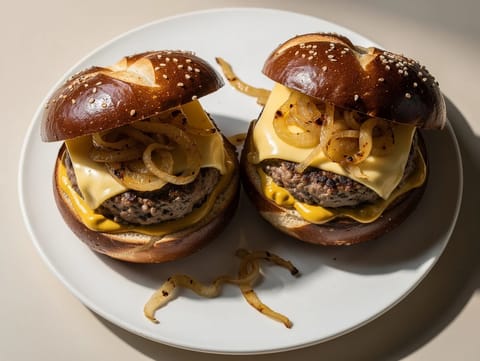
Pretzel bun burgers with Emmental, sautéed onions and German mustard
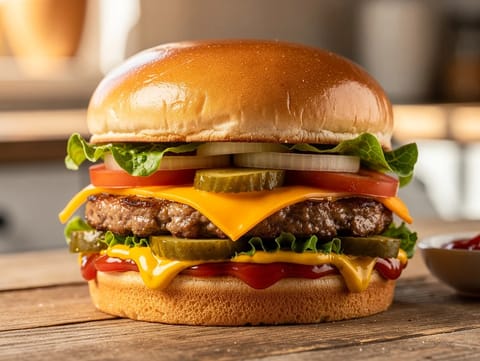
Beef patty and melted cheddar in a toasted bun
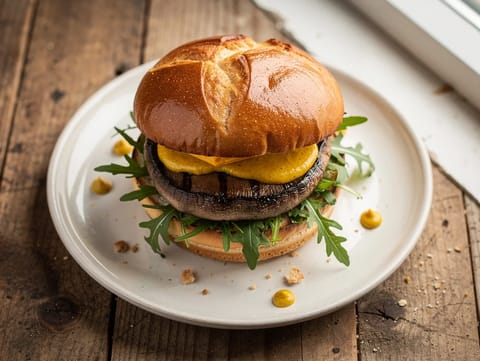
Seared portobello burger with Cheddar, rocket and English mustard
Minced beef patties with onion and garlic cook quickly in the air fryer.
A good burger usually needs three things: richness, crunch and acidity. Richness comes from the patty and often cheese or a creamy sauce. Crunch can be as simple as lettuce, onion or pickles, but it matters because it stops the bite feeling uniform. Acidity is what keeps the flavours clear, whether from pickled cucumbers, a vinegar-based slaw, tomatoes, or a sharp sauce. If you are offering multiple toppings, avoid repeating the same texture in different forms, such as several soft, creamy elements that merge into one. Heat can come from chilli sauces or peppery leaves, but it is easiest to serve it as an optional add-on so guests can control it. Finally, match bun to filling: delicate buns can collapse under very juicy patties, while sturdier buns can overwhelm lighter fillings such as fish or vegetable patties.
Cooking method is the quickest way to narrow burger choices, especially if you are deciding between grilling, pan-cooking or oven approaches for a crowd. Cuisine is useful when you want a clear flavour direction for sauces and toppings, so the whole spread feels coherent rather than like a random selection of condiments.
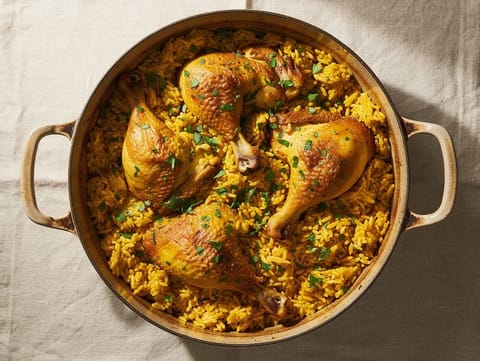
One-pot chicken and rice with turmeric, onion, garlic and parsley
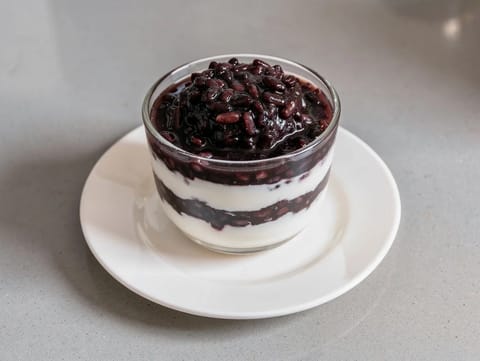
Chilled yoghurt layered with sweet cooked black sticky rice
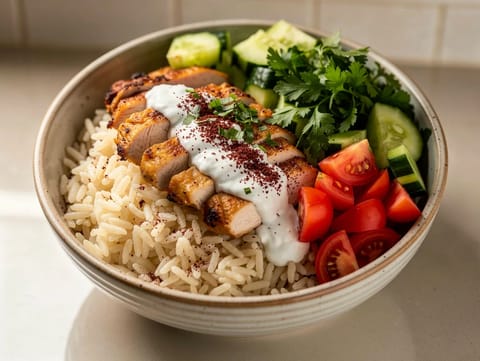
Turkish chicken bowl with rice, garlic yoghurt and salad
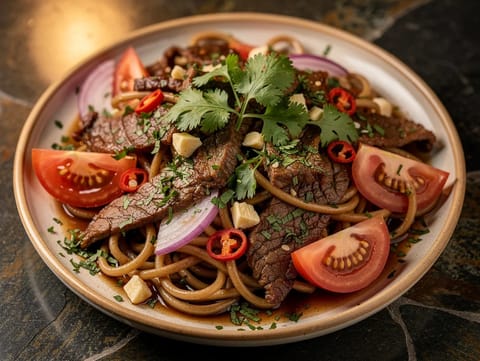
Stir-fried noodles with beef, tomato, red onion and soy
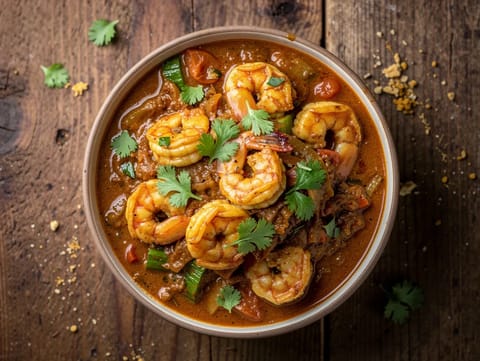
Spiced prawn curry in a thick onion and tomato gravy
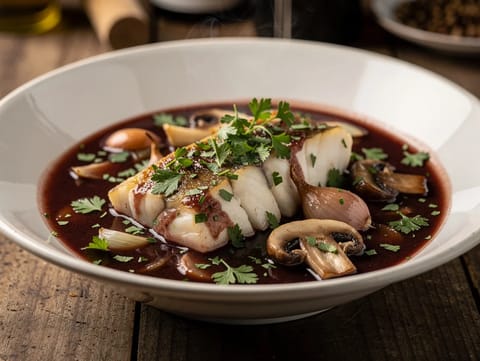
French fish stew poached in red wine with mushrooms
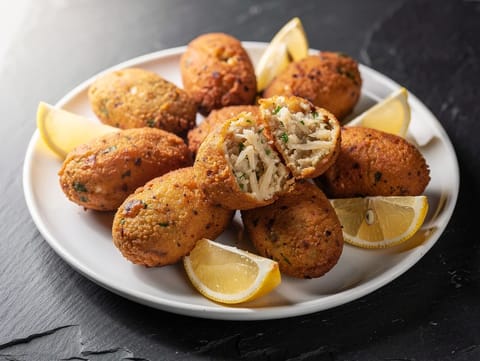
Crisp salt cod and potato fritters with parsley and lemon
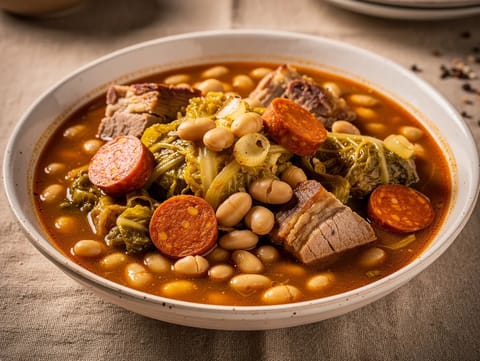
Cantabrian bean and pork stew with cabbage and smoked paprika
It depends on the patty. Meat patties usually need gentle handling and enough fat to bind; vegetable and pulse patties often need a binder and time to firm up before cooking. Chilling shaped patties can help them hold their form.
Toasting helps the cut surface resist soaking up juices and adds flavour. It is especially useful when you have saucy toppings or very juicy patties.
Cook patties in batches using a method you can control, keep buns and toppings ready, and let people assemble their own. A simple topping spread is often easier than pre-building every burger.
Yes. Poultry, fish and plant-based patties all work, but they cook and hold together differently, so choose a recipe that matches the ingredient rather than treating it like a direct swap.
Add acidity and crunch. Pickles, a sharp slaw, tomatoes or a tangy sauce can lift rich patties, while crisp vegetables stop the texture becoming monotonous.
For hosting, burgers are at their best when the assembly is organised and the cooking is predictable. Choose a patty style that suits your method, keep toppings crisp and acidic, and let the table do some of the work.
