
Coconut Water and Lime Cooler
Chilled coconut water mixed with fresh lime and honey, finished with a pinch of salt

Juice can mean anything from a simple squeezed citrus to a more complex fruit-and-veg blend. The main differences are method and texture: pressed or strained juices drink cleanly, while blended juices keep pulp and feel thicker and more filling. Flavour balance matters too. Many fruits bring sweetness and aroma, while citrus, ginger and certain vegetables add bite and freshness. Use this page to compare juice styles so you can pick something that suits your ingredients, your equipment and the way you like a drink to feel in the glass.
In recipe terms, juice is a drink where the primary ingredient is the liquid extracted from fruit or vegetables, sometimes combined with other juices, water, ice or flavourings. It is distinct from smoothies and milkshakes, which are built around blended whole ingredients and a thicker body. Some juices are served immediately for a bright, just-made flavour; others are mixed like a drink, where the goal is a consistent balance rather than a single ingredient’s character. Because juice is mostly water, small additions can shift it quickly. A squeeze of lemon can sharpen a sweet blend, while a pinch of salt can make fruit taste more rounded without making the drink taste salty.
Chilled coconut water mixed with fresh lime and honey, finished with a pinch of salt

Chilled lemonade scented with rose water
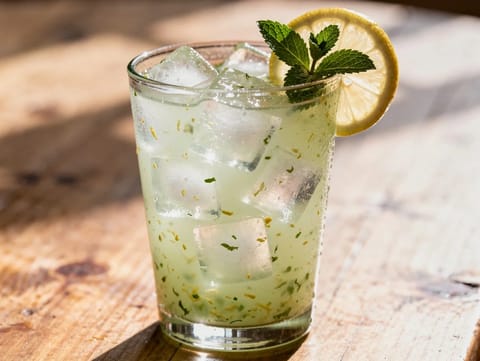
Mint lemonade blended with fresh mint, lemon juice and sugar

Mango agua fresca blended smooth with lime and served cold
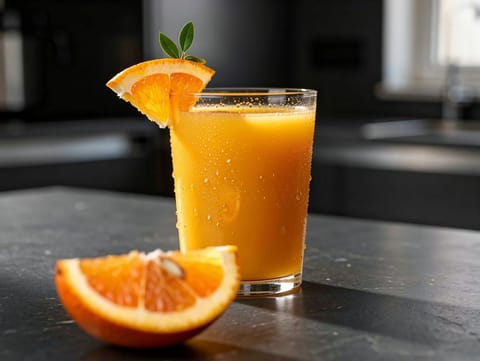
Freshly squeezed orange juice served straight away
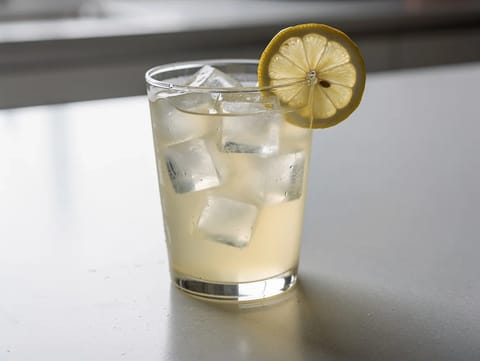
Fresh lemon juice drink mixed with sugar syrup and cold water
Citrus juices are the clearest reference point: sharp, fragrant and best when freshly squeezed. Fruit juices made from apples, pears, grapes or berries tend to read sweeter and more aromatic, sometimes with a slight tannic edge depending on the fruit. Vegetable-led juices, such as those based on carrot, beetroot or celery, often taste cleaner and less sweet, with an earthy or savoury note that benefits from citrus or ginger. Blended “whole” juices sit between juice and smoothie, keeping fibre and pulp for a thicker mouthfeel. Mixed juices combine several elements for a more deliberate flavour profile, for example pairing a sweet base fruit with a sour citrus and a spicy accent such as ginger.
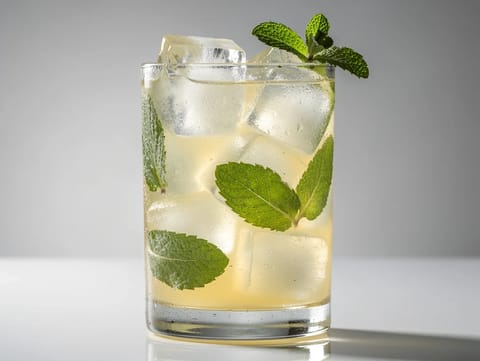
Indian lemonade with lemon juice, black salt and roasted cumin
Fresh lemon juice drink mixed with sugar syrup and cold water

Apple juice mixed with sparkling water over ice

Homemade lemonade with fresh lemon juice and simple syrup

Pineapple agua fresca strained smooth and served over ice
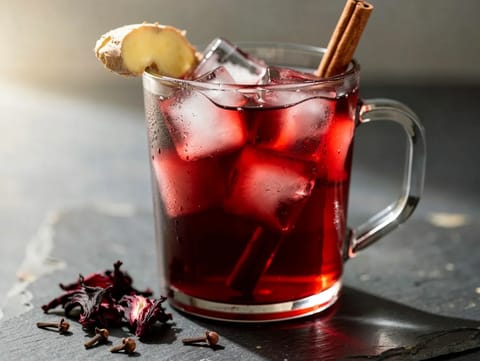
Chilled hibiscus drink steeped with ginger, cloves and cinnamon

Chilled lemonade scented with orange blossom water
Mint lemonade blended with fresh mint, lemon juice and sugar

Chilled mint lemonade blended, strained smooth and served over ice

Strained passion fruit juice with lime, caster sugar and ice

Chilled jal jeera with roasted cumin, tamarind and mint

Pineapple juice blended with ginger and lime
If you want a clear, light drink, look for recipes that are pressed, juiced or strained. They tend to feel more refreshing and are easier to serve with food. If you prefer a thicker texture, blended juices keep pulp and can carry ingredients that do not juice well on their own. For flavour, start by deciding where the sweetness comes from, then add acidity for lift. Citrus is the most direct way to do that, but tart fruits can work too. Ginger, mint and cucumber add freshness without making the drink cloying. If you are using a juicer, recipes often assume you can extract from harder produce; if you are using a blender, you may need a straining step for a smoother finish, depending on the ingredients.
Juice with a clean citrus edge sits comfortably alongside rich or salty foods because the acidity cuts through fat. Sweeter fruit-forward juices can feel more like a treat and pair well with lightly spiced baking or simple breakfast breads. Vegetable-led juices tend to work best when you keep the seasoning restrained and the flavours crisp, especially if they are served as a non-alcoholic aperitif. If you are serving juice to a mixed group, consider offering a straightforward base, such as orange or apple, and a more assertive option with ginger or greens, since bitterness and heat are the two elements people vary most in their tolerance for.
Cuisine is a useful way to explore juice flavour combinations, especially where certain fruits, herbs and spices commonly travel together. Cooking method can also help you distinguish between pressed, blended and strained approaches, which is often the deciding factor for texture and how the drink feels to sip.

Crisp fried chicken served with warm, fluffy buttermilk biscuits
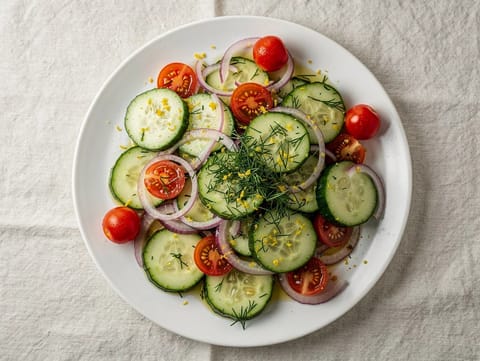
Cucumber salad with cherry tomatoes, red onion, dill and lemon
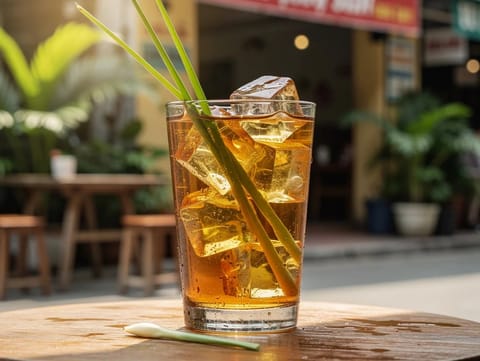
Iced black tea infused with lemongrass and sweetened
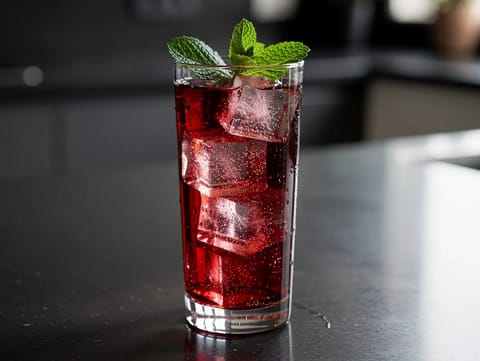
Tangy pomegranate molasses spritzer with lime and sparkling water

One-pot jambalaya with chicken, andouille sausage and rice

Spanish-style grilled T-bone steak with sea salt and lemon

Slow-roasted leg of lamb with rosemary and white wine jus

Beef rolls braised in tomato sauce with garlic and Parmesan
Juice is primarily extracted liquid, usually thinner and clearer. Smoothies are blended whole ingredients, typically thicker and more filling because they keep fibre and often include yoghurt, milk or similar additions.
Not always. Citrus can be squeezed by hand, and many fruit-and-veg juices can be made in a blender and then strained if you want a smoother drink. The method mainly affects texture and yield.
It often needs acidity or a small amount of seasoning. A squeeze of lemon or lime can brighten sweetness, and a tiny pinch of salt can make fruit flavours taste more defined.
Bitterness can come from certain greens, citrus pith, or over-extracted ingredients. Balancing with a sweeter fruit base and keeping peel and pith out of the mix usually helps.
Yes, and it is a common way to balance sweetness and freshness. A sweet fruit base can soften earthy vegetables, while citrus or ginger can keep the drink lively.
It depends on the style. Ice can make a sweet juice feel more refreshing, but it also dilutes flavour as it melts. Chilling the ingredients or the jug can keep flavour more consistent.
Once you know whether you want a clear pressed juice or a thicker blended one, the rest is balance: sweetness for body, acidity for lift, and a small aromatic accent to make it distinctive.
