
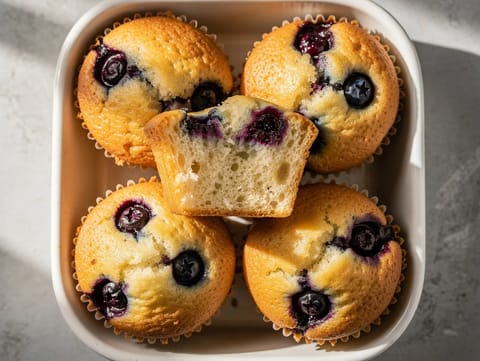
Air Fryer Muffins
Air fryer muffins with blueberries in a simple sweet batter.

Muffins are individual bakes designed to be portioned and eaten by hand, with a crumb that can range from cake-like to breadier and more substantial. The useful distinction is not just sweet versus savoury, but how the batter is built: some rely on creaming for a finer texture, while others use a quick-mix method that keeps the crumb tender but slightly irregular. Understanding those differences helps you choose between a light, domed muffin for eating fresh and a sturdier one that holds up to fruit, nuts or savoury add-ins.
A muffin is typically baked in a moulded tin or paper case, giving a defined shape and a relatively quick bake compared with a loaf. The mixture is usually a batter rather than a kneaded dough, which is why muffins can be made with minimal equipment. They are distinct from cupcakes, which are generally lighter, sweeter and often finished with icing, and from scones, which are usually cut from a thicker dough and have a more crumbly, layered bite. Muffins also sit apart from brioche-style buns: even when enriched, they tend to have a crumb rather than a stretchy, yeasted structure.
Air fryer muffins with blueberries in a simple sweet batter.
Sweet muffins often fall into two broad camps: plain or lightly flavoured batters (vanilla, citrus zest, warm spices) and “loaded” batters with fruit, chocolate or nuts. Fruit can be folded in fresh, dried or as a compote-like swirl, each giving a different moisture level and pockets of flavour. Savoury muffins commonly use cheese, herbs and vegetables, and they tend to be less sweet with a more bread-like crumb. You may also see muffins finished with a streusel-style topping for crunch, or filled after baking with jam, curd or a soft cheese mixture. The paper case is not just decoration: it helps with release and makes muffins easier to pack and serve.
Air fryer muffins with blueberries in a simple sweet batter.
For a tender, cake-leaning muffin, look for recipes that emphasise a soft crumb and a gentle mix. These are best eaten soon after baking, when the top is still slightly crisp and the centre is light. If you want a muffin that feels more substantial, choose versions that include oats, wholemeal flour, yoghurt, sour cream or mashed fruit, which can make the crumb moist and resilient. Add-ins change behaviour: berries can bleed and soften the crumb, while nuts and seeds add structure and a toasty edge. Savoury muffins are often easier to pair with soups and salads if they are not overly rich, so pay attention to how much cheese and fat is involved.
Course is a helpful next step because muffins can sit in different roles, from a breakfast bake to a snack or a side with soup. Cooking method can also refine your choices, especially if you want classic oven baking versus versions that use alternative approaches or equipment for a similar result.

Saudi-style chicken kabsa with spiced basmati rice, almonds and raisins
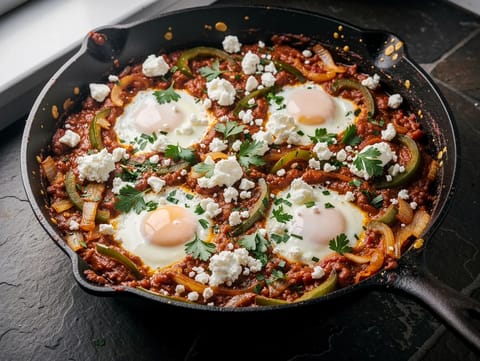
Baked eggs in spiced tomatoes with peppers and feta

Chicken bánh mì with pickled carrot and daikon, pâté and herbs
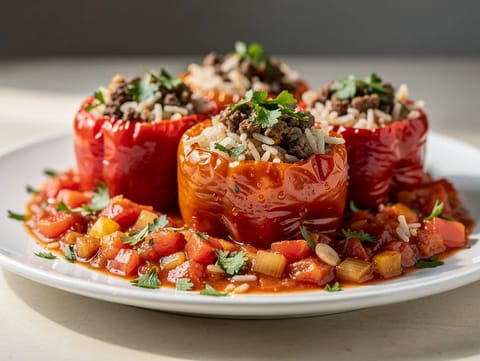
Stuffed peppers with spiced beef and rice baked in tomato sauce

Golden savoury pancakes with ham and melted Emmental
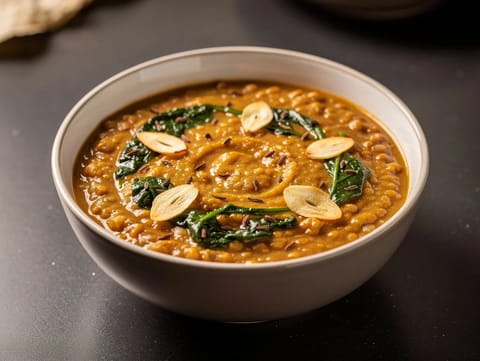
Creamy palak dal with spinach and a cumin, garlic and chilli tarka
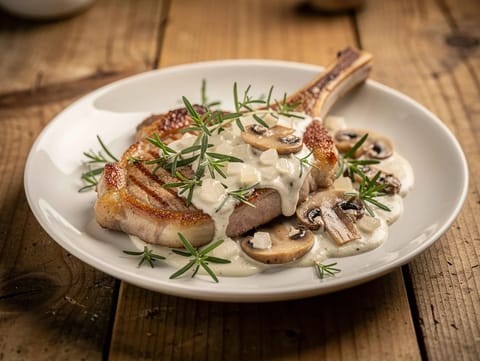
Veal chops with creamy mushroom sauce
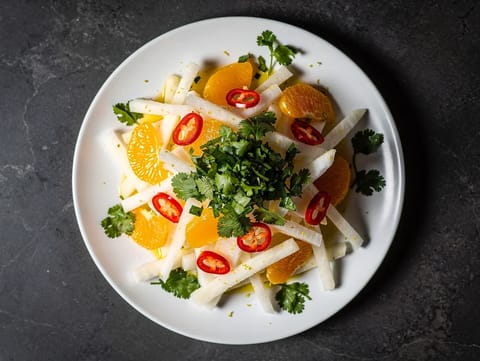
Crunchy jícama salad with orange, lime and chilli
It often comes down to mixing and formula. Quick-mix batters and lower-gluten flours can give a more open, slightly irregular crumb, while creamed mixtures tend to be finer and more cake-like.
No. Savoury muffins are common and usually rely on cheese, herbs, vegetables or cured meats for flavour, with little or no sugar.
Cupcakes are typically lighter and sweeter, and they are often designed to be iced. Muffins are usually less sweet, more substantial, and meant to be eaten plain or with a simple topping.
Often, yes. Frozen fruit can release more moisture as it bakes, so recipes may account for that with flour choice, batter thickness or mixing method.
Very moist batters and sugary add-ins can cling as they cool. Letting muffins cool slightly before peeling, or using good-quality cases, can help.
A thicker batter, a well-heated oven and the right balance of raising agents all contribute. Overmixing can work against lift by tightening the crumb.
Decide first whether you want a light, fresh-from-the-oven muffin or a sturdier one that travels well and carries add-ins. Once you know the texture you’re after, flavour choices become much easier to judge at a glance.
