
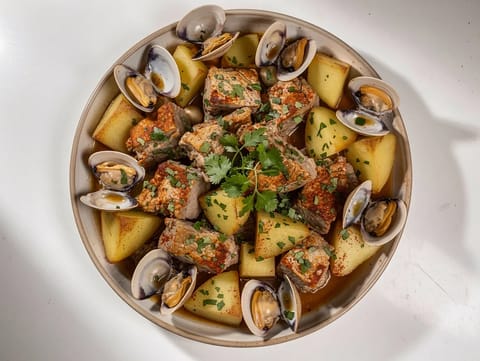
Carne de Porco à Alentejana (Portuguese Pork with Clams)
Portuguese pork with clams, garlic, white wine and fried potatoes

A one-pot dish is defined by workflow: the main components cook in a single pot or pan, so flavour builds in layers and washing-up stays contained. That does not mean everything goes in at once. The best one-pot recipes manage timing, adding ingredients in stages so vegetables keep their shape, grains cook through, and proteins stay tender. If you are choosing between options, look first at the cooking method and the type of starch involved, because those two details largely determine texture, liquid levels and how hands-on the recipe will feel.
Some one-pot dishes are liquid-led, such as soups, stews and braises, where ingredients simmer together and the pot does most of the work. Others are starch-led, like rice dishes, pilafs and risottos, where the grain’s absorption sets the rhythm of cooking. One-pot pasta and noodle dishes sit in between: the pasta cooks in a measured amount of liquid that becomes the sauce, which can be silky when it works and gluey if the balance is off. Traybake-style “one-pan” meals share the same promise but rely on dry heat and spacing rather than simmering. Each format has its own logic for when to brown, when to cover, and when to reduce.
Portuguese pork with clams, garlic, white wine and fried potatoes
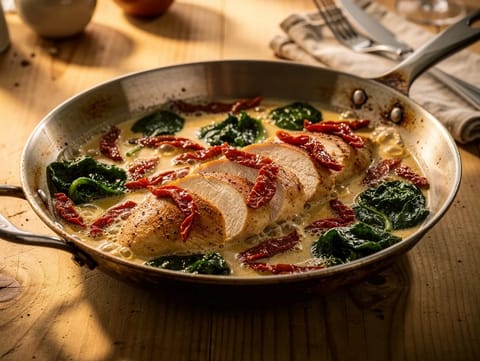
Seared chicken in creamy sauce with sun-dried tomatoes and spinach
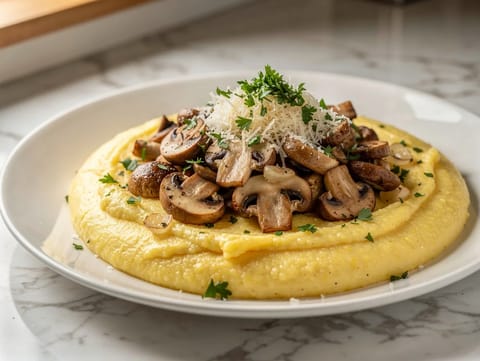
Creamy polenta topped with garlic mushrooms and Parmesan
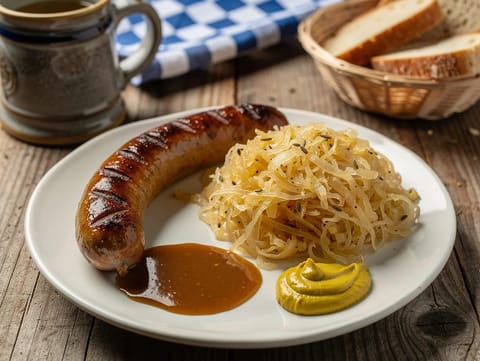
Bratwurst simmered with sauerkraut, onion and caraway
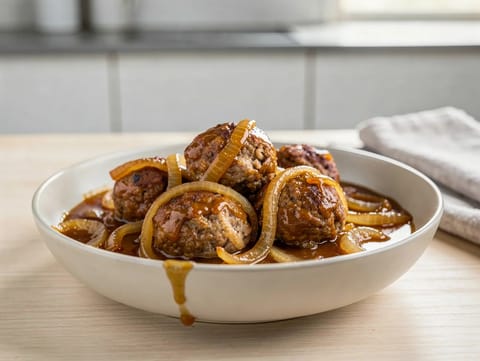
Liège meatballs simmered in sweet-sour onion sauce
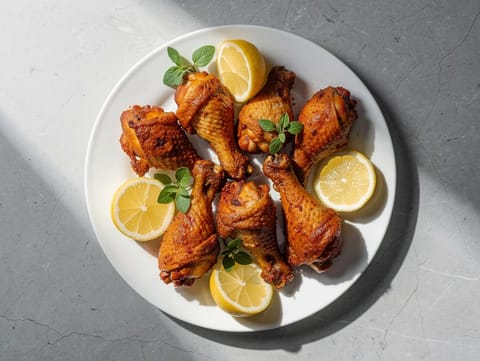
Spiced chicken drumsticks air-fried until crisp and juicy.
If you want deeper savoury flavour, choose recipes that start by browning meat or vegetables, then deglazing the pot so those browned bits dissolve into the sauce. For a cleaner, lighter result, look for gentler methods such as poaching, steaming under a lid, or simmering aromatics without heavy browning. Consider the starch: dishes where rice, beans or pasta cook in the pot are convenient, but they are sensitive to liquid and stirring, and they often thicken as they stand. If you prefer a dish that holds its texture for serving, choose one-pot meals where the starch is cooked separately or where the final texture is meant to be spoonable, like a stew or dhal-style dish.
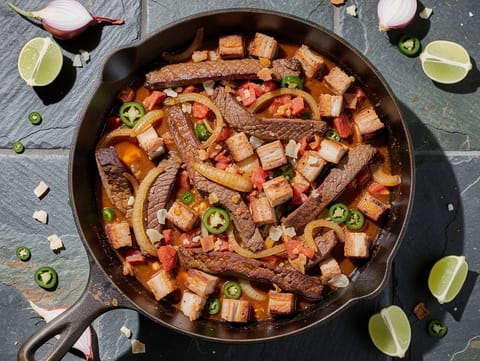
Mixed meat skillet with bacon, beef, pork and beer
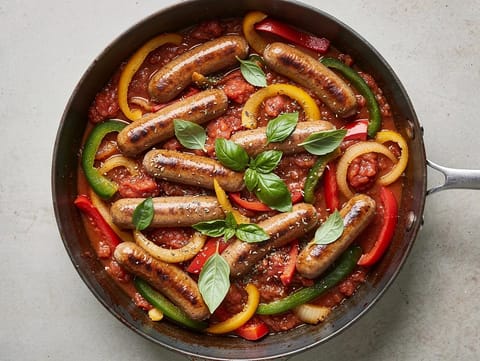
Pork sausages simmered with peppers, onions, tomatoes and basil
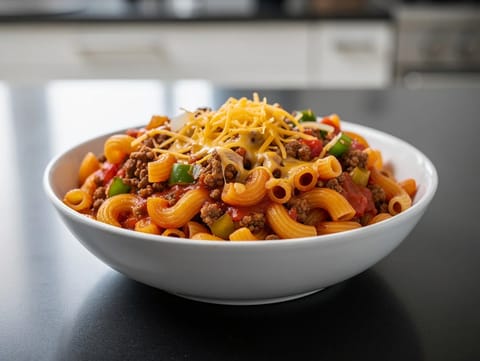
One-pot macaroni with minced beef, tomatoes and cheddar
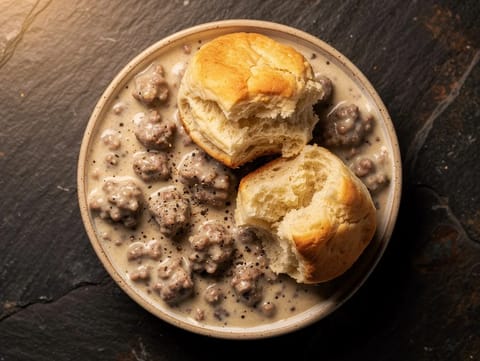
Creamy pork sausage gravy spooned over buttermilk biscuits
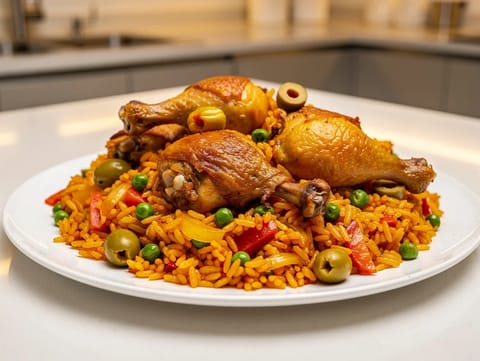
One-pot chicken and saffron rice with peas and green olives
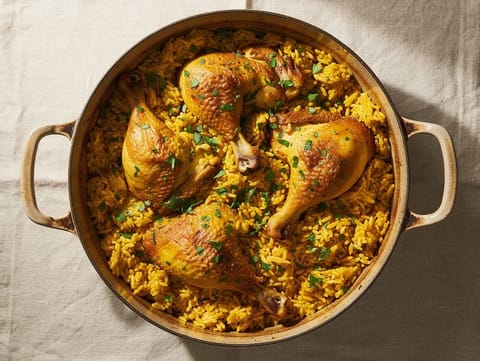
One-pot chicken and rice with turmeric, onion, garlic and parsley
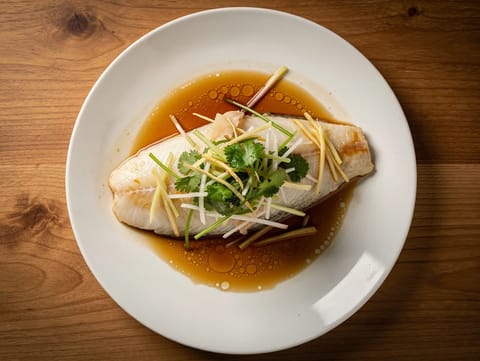
Gently steamed fish with soy, ginger and spring onions
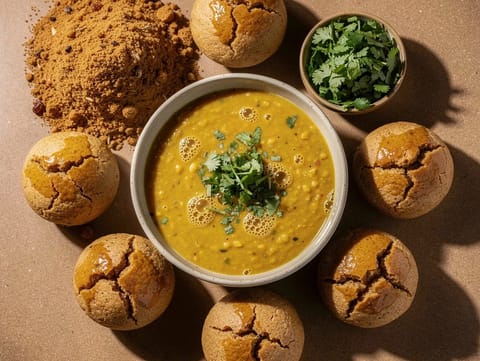
Spiced lentils with baked wholewheat dumplings and churma
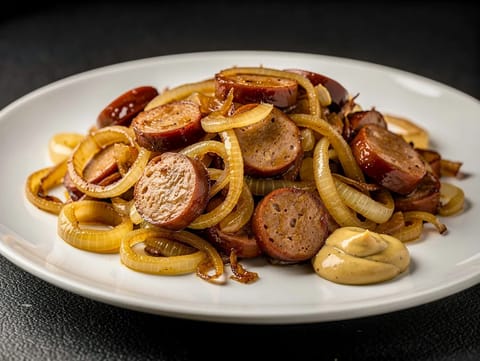
Pan-fried pork sausage served with soft, golden onions
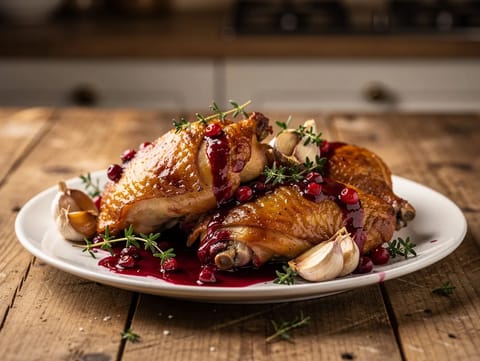
Chicken thighs simmered in a tangy lingonberry and thyme glaze
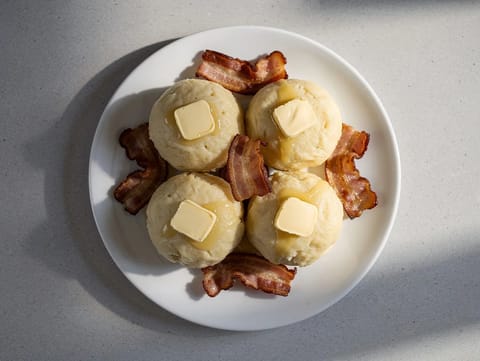
Nordic potato dumplings served with bacon and butter
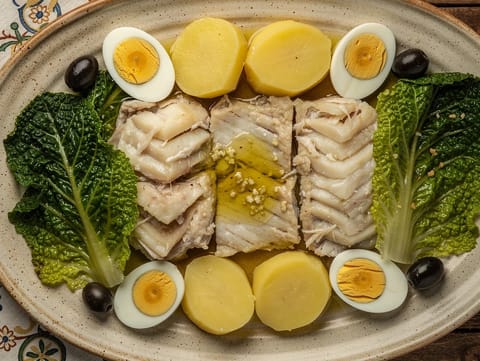
Salt cod with potatoes, cabbage and eggs, finished with garlic oil
One-pot dishes often benefit from a contrasting element added at the end: a squeeze of citrus, a spoon of yoghurt, chopped herbs, or something crisp like toasted nuts or breadcrumbs. These finishing touches lift flavours that can otherwise taste muted after simmering. If the dish is rich and saucy, a simple salad or lightly dressed vegetables can provide crunch and acidity. If it is broth-based, bread or flatbreads are practical for serving. When you are feeding a group, think about the pot-to-table moment: dishes that thicken quickly may need loosening, while dry, roasted one-pan meals can benefit from a sauce or dressing served alongside.
Cooking method is closely tied to one-pot success, since simmering, braising, roasting and pressure-style cooking all produce different textures and levels of hands-on time. Time is also a useful companion when you are choosing: some one-pot dishes are genuinely quick, while others rely on slow cooking to tenderise and concentrate flavour.
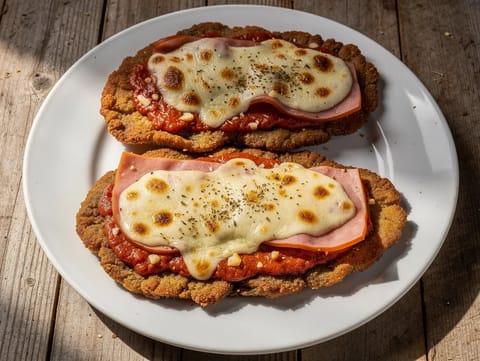
Crisp beef schnitzel topped with ham and melted mozzarella
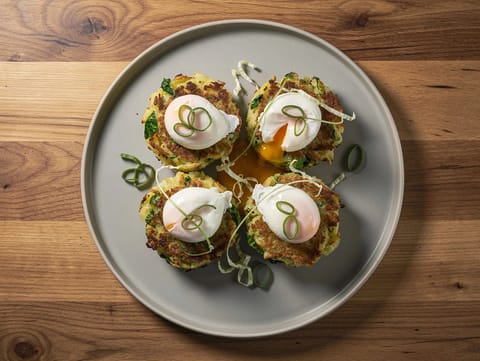
Fried potato and cabbage cakes topped with poached eggs
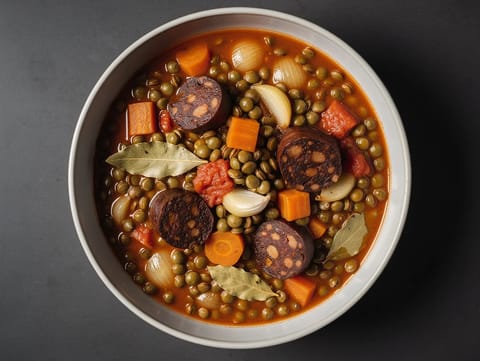
Spanish lentil stew with chorizo and morcilla
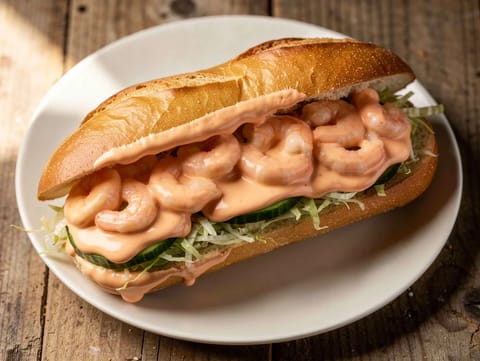
Baguette filled with prawns in Marie Rose sauce
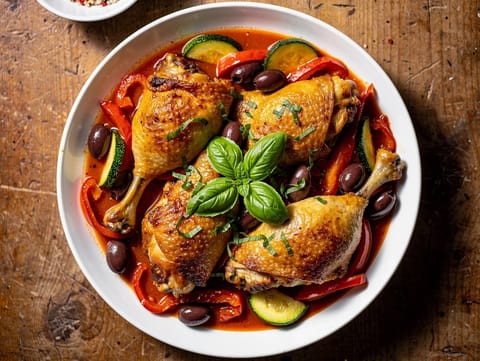
Chicken stew with tomatoes, olives, peppers and courgette
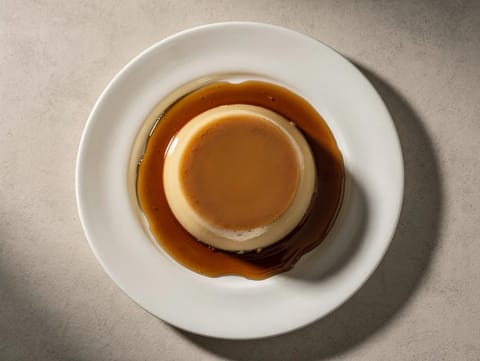
Light Spanish flan with caramel sauce
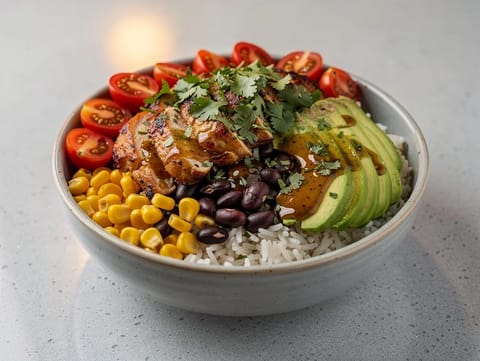
Chicken burrito bowl with rice, black beans, tomatoes and avocado
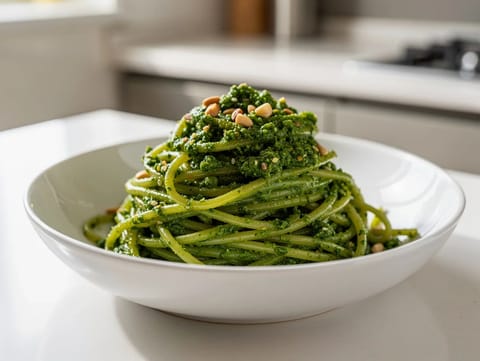
Spaghetti tossed with fresh basil pesto, pine nuts and Parmesan
Not usually. Many one-pot dishes work best when ingredients go in stages, so aromatics can soften, proteins can brown, and quick-cooking vegetables are added later.
Pasta releases starch into the cooking liquid. If there is too little liquid, too much stirring, or the heat is too low, the starch can concentrate and become gluey rather than silky.
No. They can include rice dishes, pasta cooked in its sauce, braises, curries, and dry-heat one-pan meals cooked in the oven.
Often, yes. Many are easy to serve family-style. The main consideration is timing, since some dishes thicken or lose their ideal texture if they sit too long before serving.
It depends on the starch and sauce. Some dishes improve as flavours meld, while pasta and rice-based dishes can continue to absorb liquid and soften.
Crowding the pot or skipping stages. If you do not give ingredients space to brown or time to soften before adding liquid, the final flavour and texture can be flatter.
Choose a one-pot dish by its method and starch, then follow the recipe’s order of additions closely. That sequencing is what keeps the promise of minimal washing-up without sacrificing texture or flavour.
