
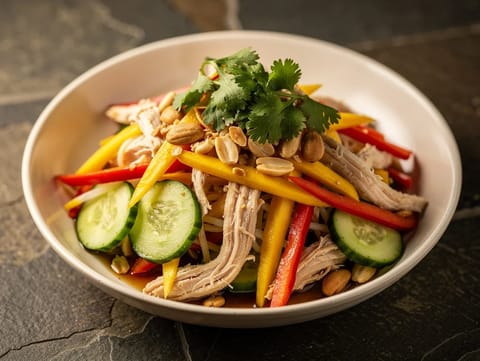
Thai Mango Chicken Salad
Thai chicken salad with mango, cucumber and peanuts

When you’re feeding other people, salad is often the dish that has to travel well, hold its texture and still look deliberate on the table. The useful distinction is less “leafy or not” and more how the salad is built: tossed or composed, crisp or hearty, dressed early or at the last minute. Once you know the structure, you can choose ingredients and dressings that stay bright rather than turning limp, and you can scale up without losing balance.
A salad is defined more by its assembly than by a single ingredient. It can be raw or cooked, warm or chilled, and it may be built around leaves, vegetables, grains, pulses, noodles, fruit, seafood or meat. What makes it behave like a salad is the combination of bite-sized components and a dressing or seasoned element that ties them together. The main practical implication is moisture management: watery vegetables, juicy fruit and warm ingredients can dilute dressing and soften crisp elements. Salads that rely on crunch tend to be dressed close to serving, while sturdier bases such as potatoes, beans or grains can be dressed earlier so they absorb flavour without collapsing.
Thai chicken salad with mango, cucumber and peanuts
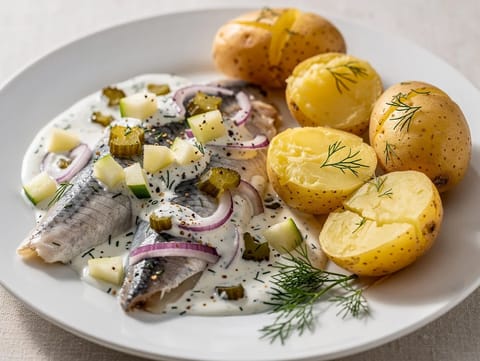
Pickled herring in sour cream with apple and gherkins
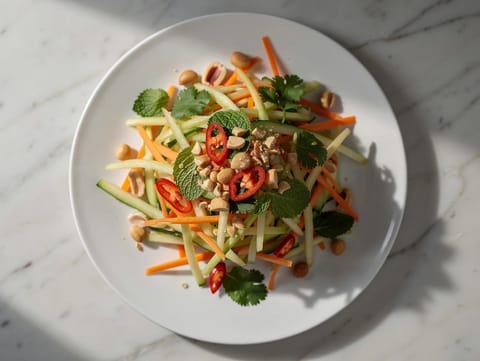
Green mango salad with herbs, chilli and peanuts
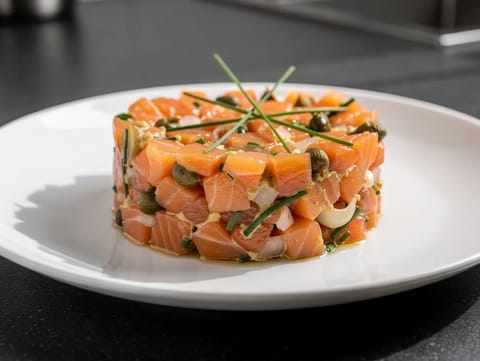
French-style salmon tartare with capers, Dijon and lemon
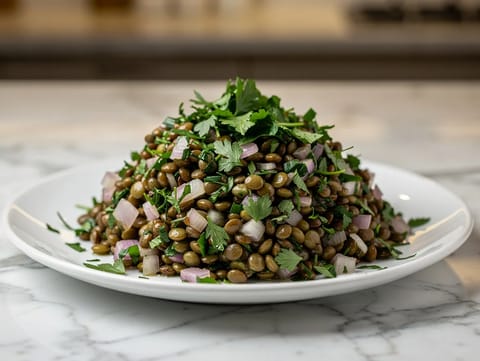
Warm French lentil salad with mustard dressing, shallot and parsley
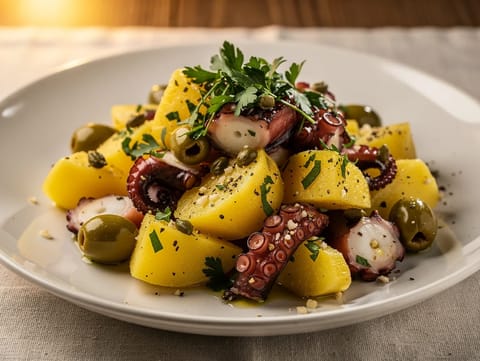
Octopus salad with potatoes, olives, capers and lemon dressing
Tossed green salads are quickest to assemble, but they are also the most sensitive to overdressing and to sitting around. Composed salads, arranged on a platter, keep delicate leaves and crisp toppings separate until the last moment and look tidy even when scaled up. Chopped salads sit somewhere in between: the small pieces catch dressing evenly, but they can lose crunch if left too long. Hearty salads built on grains, lentils or potatoes are naturally make-ahead friendly and often improve after a rest, especially when the dressing is oil-based or includes an acidic element. Warm salads, using roasted or sautéed vegetables, are best served with a dressing that can handle heat, such as a vinaigrette, rather than one that may split.
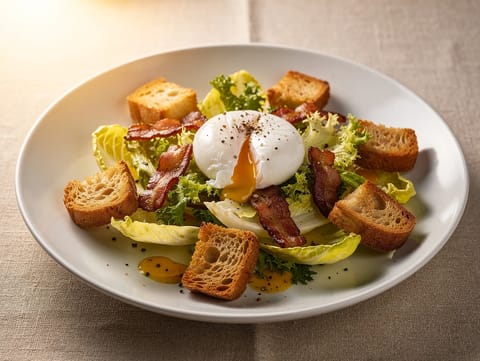
Warm frisée salad with lardons, poached egg and mustard dressing

BBQ chicken salad with sweetcorn, tomatoes, red onion and cheddar
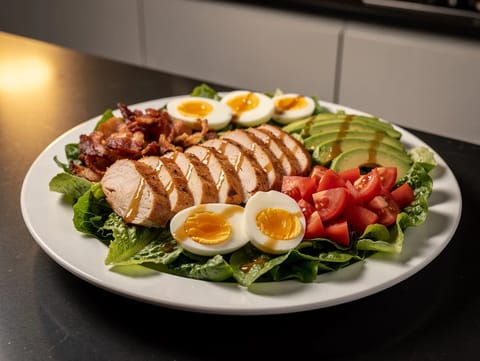
Cobb salad with chicken, avocado, bacon and hard-boiled eggs
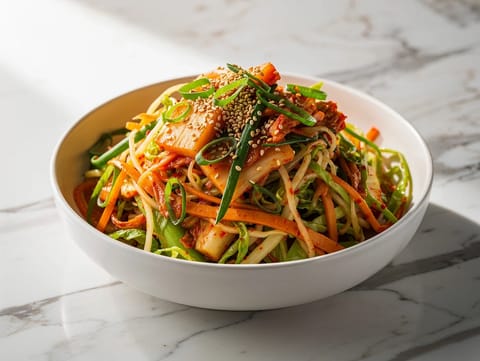
Crisp kimchi slaw with cabbage and sesame dressing
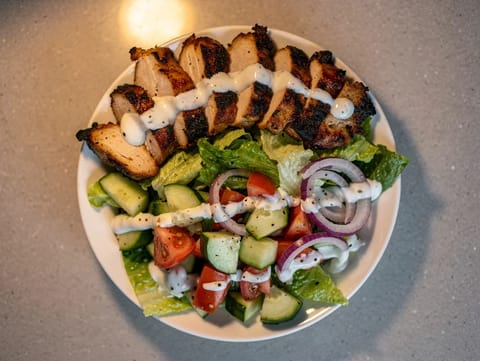
Grilled chicken kebab salad with lemon yoghurt dressing
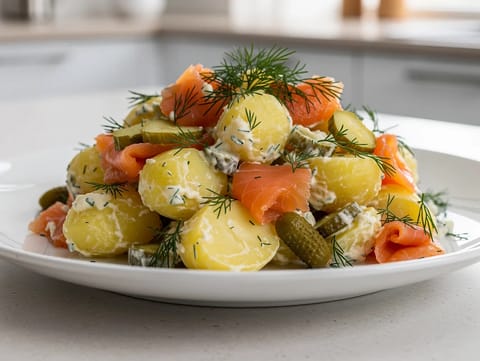
Potato salad with smoked salmon, gherkins and dill
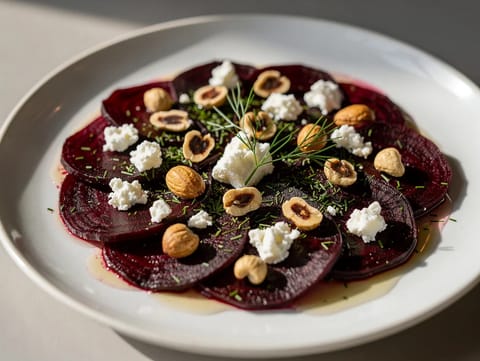
Beetroot carpaccio with goat’s cheese, hazelnuts and dill
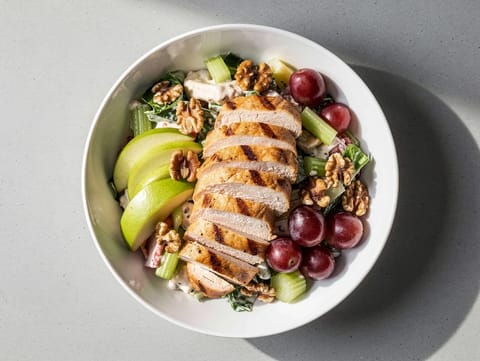
Waldorf salad with grilled chicken, apple, grapes and walnuts
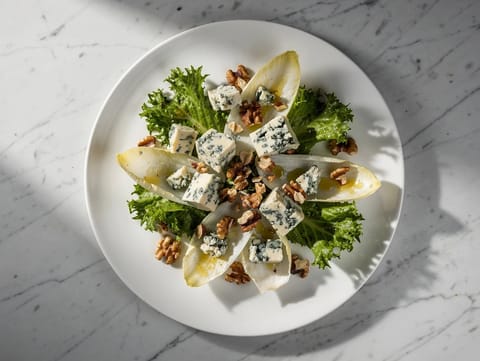
Crisp endive salad with walnuts, Roquefort and vinaigrette
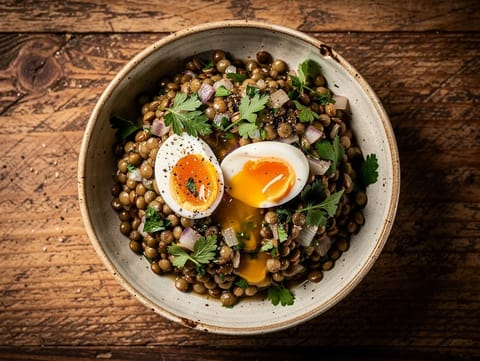
Puy lentils in Dijon vinaigrette topped with a soft-boiled egg
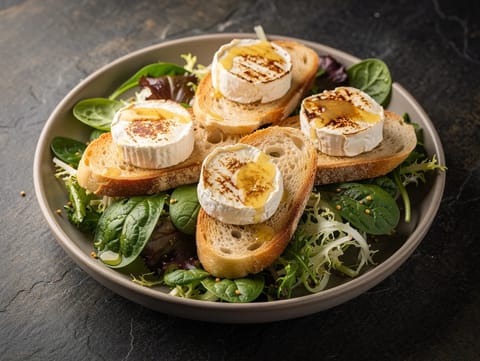
Leafy salad with warm goat’s cheese on toasted baguette
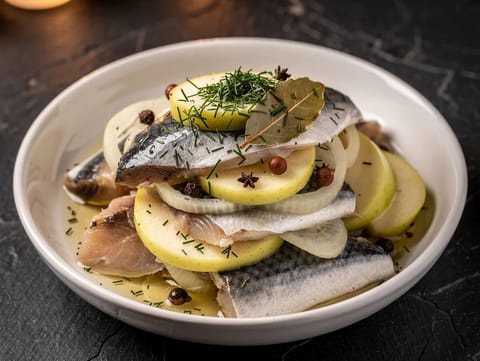
Chilled herring layered with apple and onion in sweet-sour dressing
Think in contrasts: crisp with creamy, sweet with sharp, and soft with something toasted or crunchy. A simple vinaigrette suits tender leaves and vegetables because it coats lightly and doesn’t weigh them down. Creamier dressings cling well to sturdier ingredients such as potatoes, pasta or shredded vegetables, but they can mute delicate flavours, so a bright note like lemon, vinegar, capers or mustard helps. If you’re adding salty elements such as cheese, olives or cured fish, keep the dressing less salty and let those ingredients do the seasoning. For salads served alongside rich mains, bitterness (radicchio, endive) and acidity cut through; alongside lighter dishes, herbs and aromatics can provide the lift.
If you know the cuisine you’re cooking, browsing by Cuisine can help you match the salad’s dressing style and typical add-ins to the rest of the menu. Cooking method is also useful for salads, especially when you’re choosing between raw, blanched, roasted or grilled components that change texture and how well the salad holds after dressing.
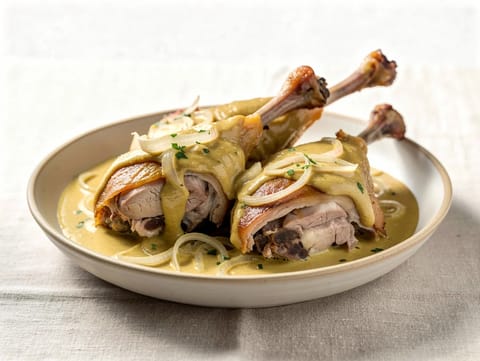
Braised rabbit finished with Dijon mustard and double cream
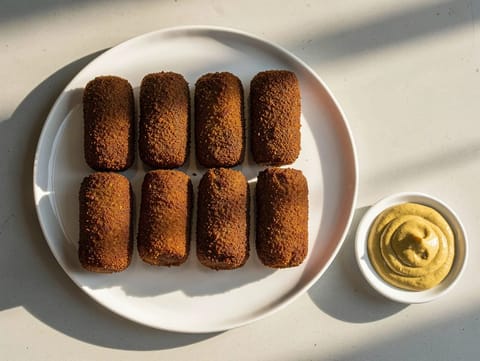
Dutch beef ragout croquettes with a crisp breadcrumb coating

French onion soup topped with baguette and melted Gruyère
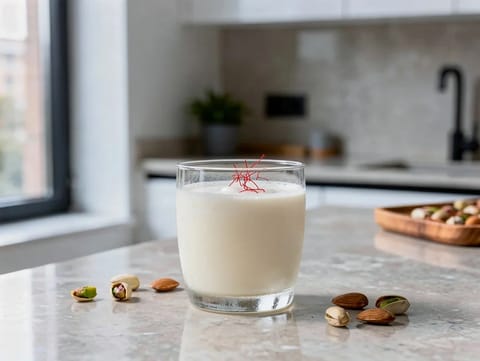
Chilled thandai made with spiced milk and blended almonds
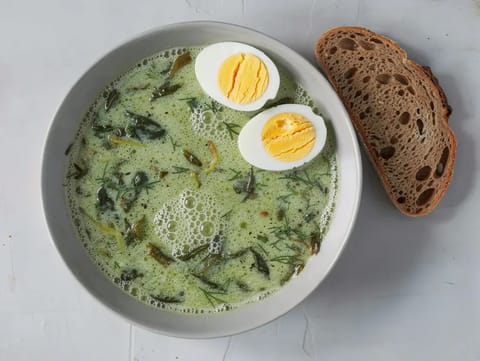
Polish sorrel soup with sour cream and hard-boiled eggs
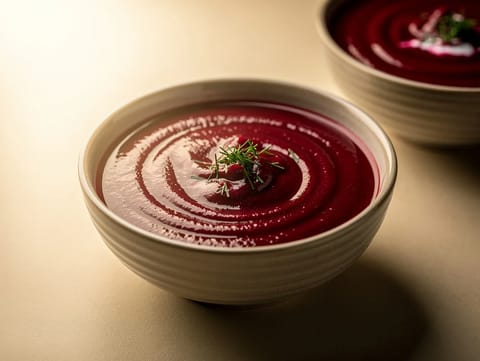
Smooth beetroot soup finished with sour cream

Buttery Italian Christmas cake dusted with icing sugar
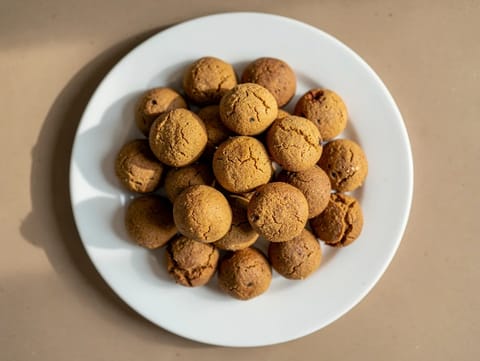
Small Dutch spiced cookies baked until crisp
A tossed salad is mixed with dressing so every leaf is coated; it’s fast but can wilt if it sits. A composed salad is arranged, often with dressing served separately or spooned over at the end, which helps delicate elements stay crisp.
Dry leaves thoroughly, salt juicy vegetables briefly and drain if needed, and let cooked ingredients cool before combining. Keep very wet items and the dressing separate until close to serving when the salad relies on crunch.
Many can, but the approach matters. Prep components in advance, then assemble at the end. Sturdy salads with grains, beans or potatoes often tolerate early dressing; leafy salads usually do not.
A hearty base (grains, pulses, potatoes), a protein element (eggs, fish, meat, tofu) and a dressing with enough body to bind the ingredients. Texture helps too: something crunchy and something fresh.
A bowl makes it easier to coat evenly with a small amount of dressing. A platter suits composed salads and helps keep delicate toppings crisp; you can spoon dressing over or serve it alongside.
Decide whether your salad needs to stay crisp, travel, or sit on the table for a while, then pick a base and dressing that behave accordingly. Once that’s set, the flavour details are easy to tune to the rest of the meal.
