
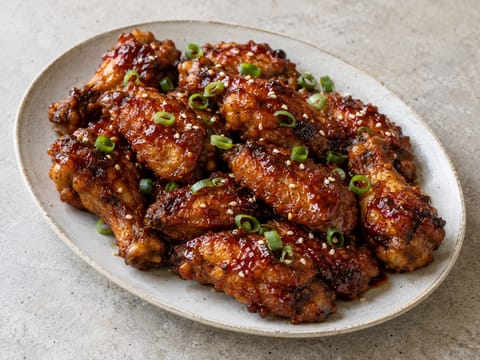
Air Fryer Korean Chicken Wings
Air-fried chicken wings in a gochujang soy glaze.

An air fryer is essentially a compact, high-powered convection oven: it moves hot air quickly around food to brown and crisp the surface. That makes it useful when you want a dry, roasted finish without heating a full-sized oven, but it also means results depend on airflow and space. If you pack the basket tightly or add very wet coatings, you can end up steaming rather than crisping. This guide helps you judge when an air fryer suits a recipe, and when another approach will be simpler.
Air-fryer recipes are built around fast circulation and a relatively small cooking chamber. You will often see smaller pieces, thinner cuts and single layers, because exposed surface area is what browns. Many recipes also use a light coating of oil rather than deep fat, not because oil is optional, but because a little helps heat transfer and encourages even colouring. An air fryer can mimic some of the texture of frying for foods like chips, breaded cutlets or crisp-skinned vegetables, but it does not behave like a pan of hot oil. Anything that relies on buoyancy in oil, or on a batter setting instantly, usually needs a different method.
Air-fried chicken wings in a gochujang soy glaze.
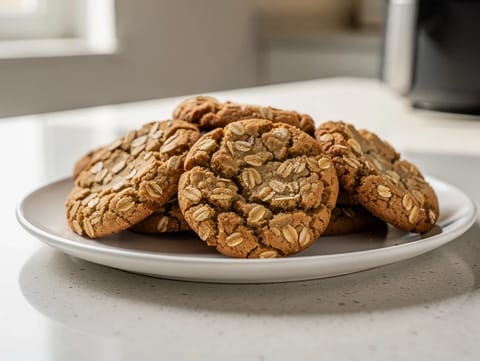
Air fryer oatmeal cookies with a chewy centre and crisp edges.
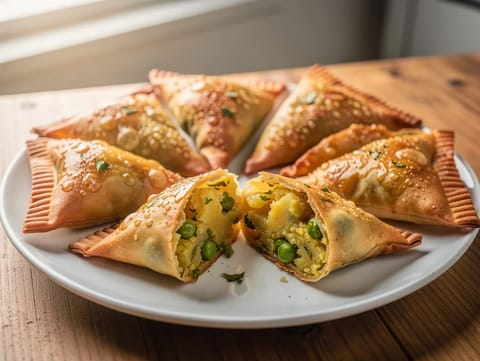
Crisp air-fryer samosas with spiced potato and pea filling.
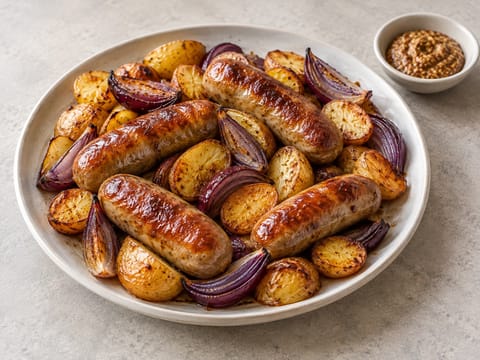
Air-fried sausages and potatoes with paprika and onion.
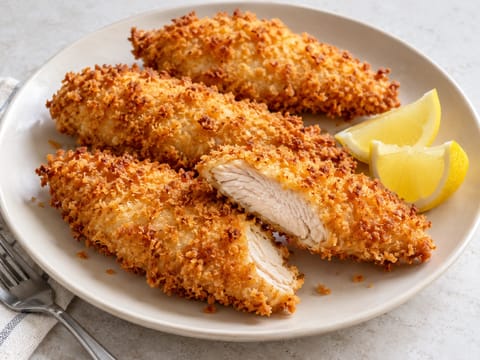
Crispy panko chicken tenders cooked quickly in the air fryer.
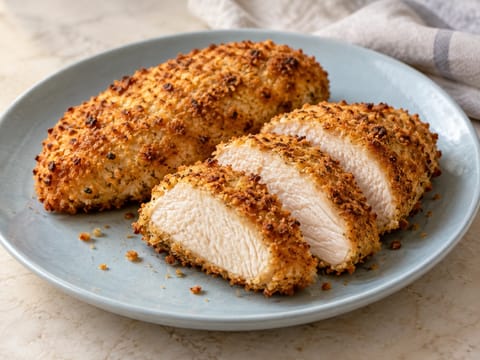
Breaded chicken breast air-fried until golden and crisp.
Choose the air fryer when you want quick browning on modest quantities: roasted vegetables, reheated pastries that need their edges crisp again, or small batches of coated foods. A conventional oven is often easier for trays of food, delicate bakes and anything that needs gentle, even heat without strong airflow. The hob still wins for sauces, shallow-frying and tasks where you need to watch and adjust moment by moment. If a recipe includes a wet glaze or a sugary coating, the oven can be more forgiving, as air fryers can concentrate heat and cause hot spots that darken quickly.
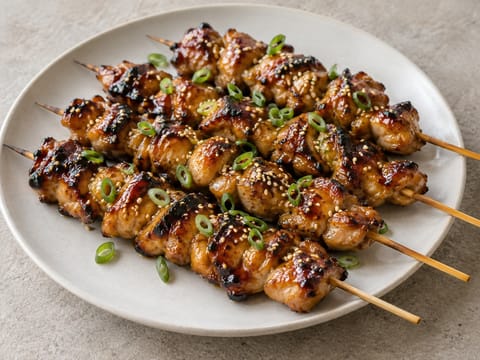
Air fryer teriyaki chicken skewers with sesame and spring onions.
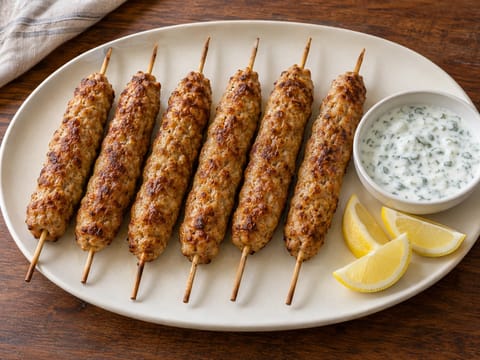
Juicy air-fried Indian chicken kebabs with mint yoghurt.
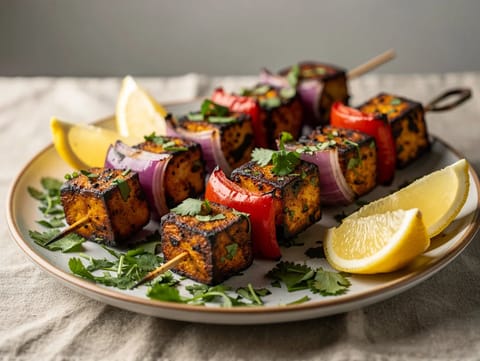
Air-fried paneer tikka with peppers and red onion.
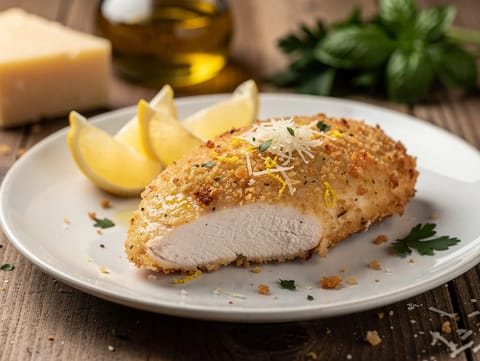
Parmesan-crusted chicken breast cooked crisp in the air fryer.
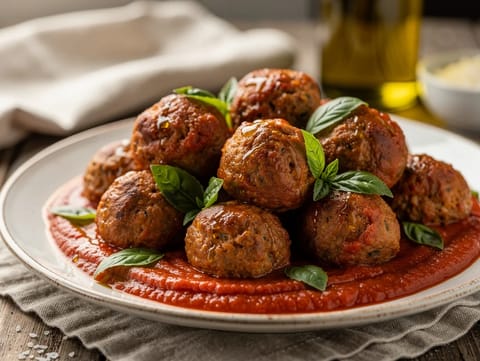
Air-fried Italian meatballs with parmesan, garlic and marinara sauce.
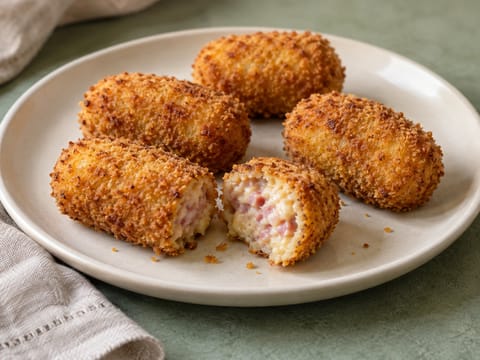
Air-fried croquettes with ham, cheese and a creamy béchamel centre.
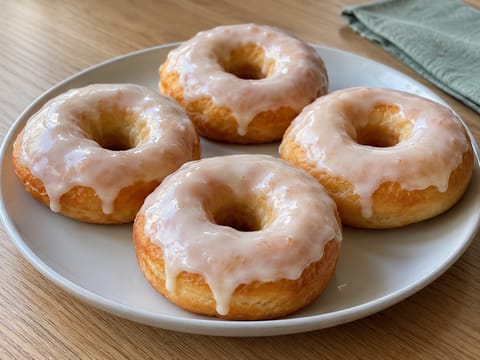
Soft air fryer donuts topped with a simple vanilla glaze.
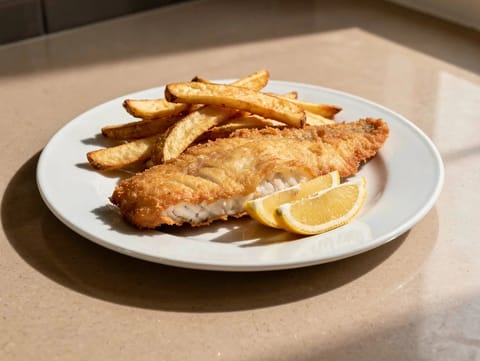
Crispy breadcrumb fish with chunky air fryer chips.
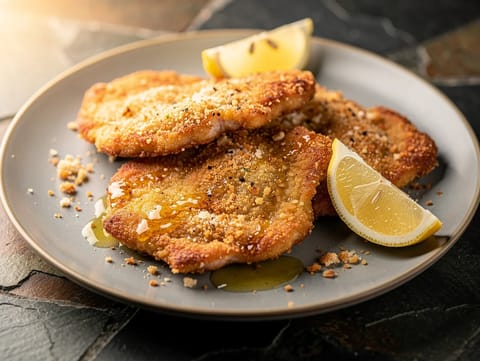
Breaded pork cutlets air-fried until crisp, served with lemon.
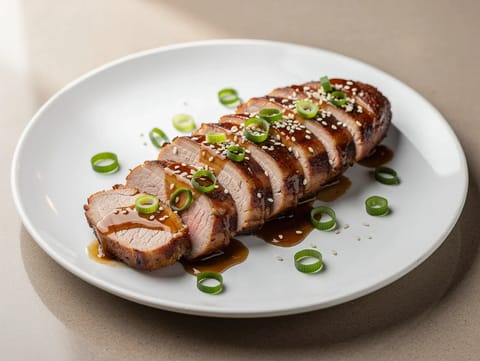
Honey garlic pork tenderloin cooked in the air fryer.
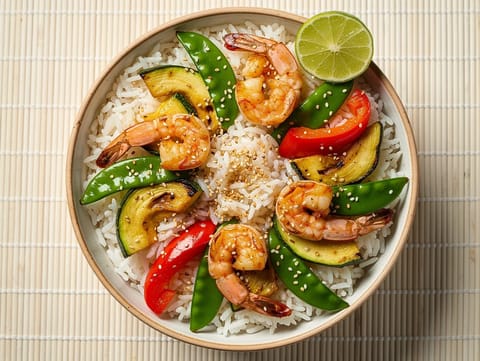
Air-fried prawns and vegetables served with jasmine rice.
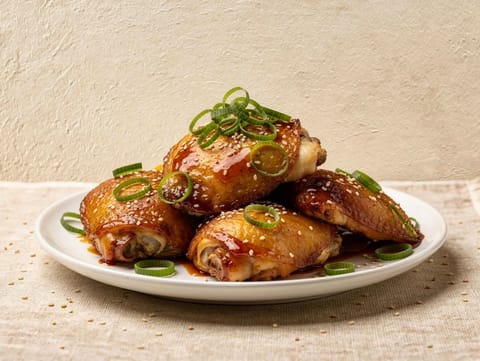
Crispy air-fried chicken thighs coated in sweet chilli sauce.
Crowding is the big one: when pieces touch, moisture has nowhere to go, so food softens instead of crisping. Cook in batches or use a rack if your model allows it. Another frequent issue is smoke from dripping fat or sugary marinades hitting a hot base; lining the bottom with a little water (where safe for your model) or choosing a less sugary finish can help. Finally, remember that strong airflow can lift light toppings. Press crumbs on firmly, chill coated items briefly if the recipe allows, and add delicate herbs or grated cheese towards the end so they do not blow around and burn.
If you are deciding between air-frying and another approach, browsing by Cooking method helps you compare outcomes such as roasting, grilling or shallow-frying. Difficulty is also useful here, because air-fryer recipes can be simple but still require attention to spacing, turning and timing to avoid uneven browning.
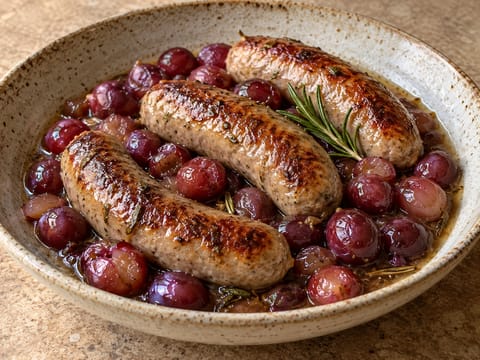
Pork sausages simmered with grapes, white wine and rosemary
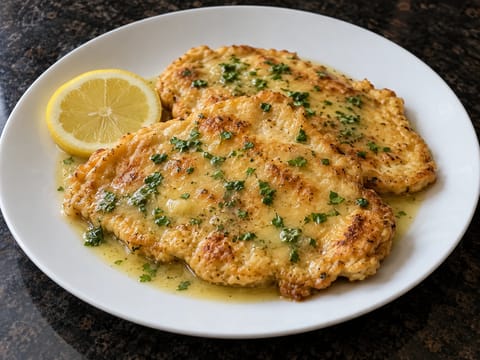
Pan-fried chicken in a lemon and white wine sauce
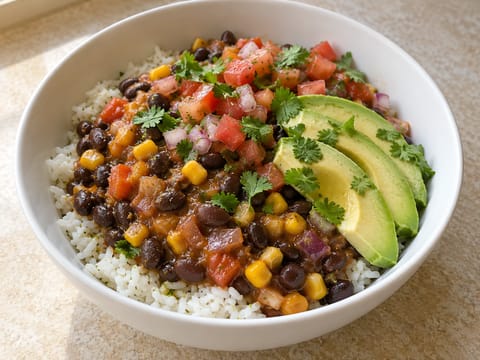
Cumin-lime rice bowl with black beans, salsa and avocado
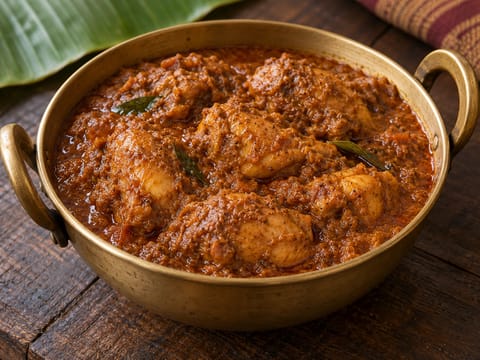
Peppery Chettinad chicken curry with coconut, tomato and curry leaves
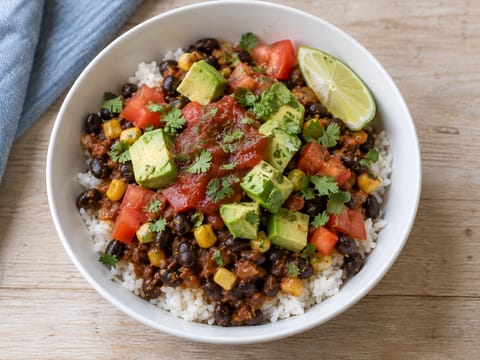
Black bean and rice bowl with sweetcorn, avocado and lime
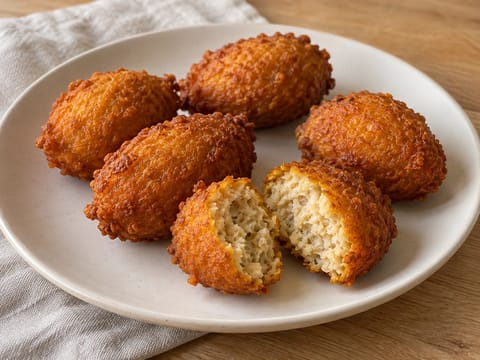
Black-eyed pea and onion fritters fried in palm oil
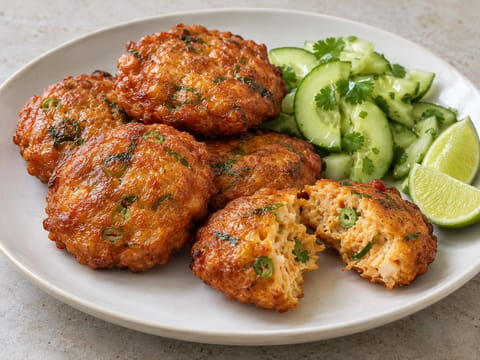
Thai fish cakes with red curry paste and green beans
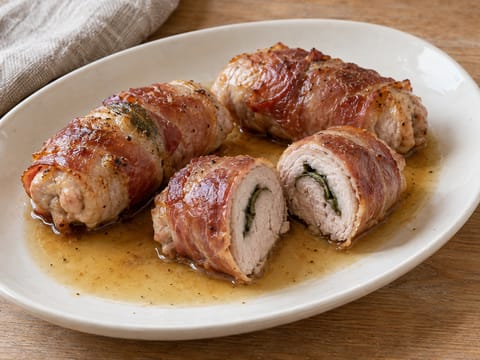
Pork cutlets wrapped with prosciutto and sage in white wine juices
They work on the same principle: a fan circulates hot air. Air fryers are smaller and often move air more aggressively, so they can brown quickly but are less forgiving if food is crowded.
Some recipes assume a hot chamber for immediate browning; others do not. If you want the crispest exterior, a short preheat can help, but follow the recipe and your model’s guidance.
Usually there is too much moisture or not enough airflow. Dry the surface, use a light oil coating where appropriate, and avoid stacking or tightly packing the basket.
Often yes, but it must not block airflow or touch the heating element. Weight it with food so it cannot lift and contact the element, and use only what your model permits.
Basket size, fan strength, how full the basket is and the starting temperature of the food all change how quickly heat reaches the centre and how fast the surface browns.
Wet batters, very saucy dishes and delicate bakes can be tricky because strong airflow can disturb surfaces and concentrated heat can brown before the centre is ready.
When a recipe depends on a crisp surface, quick browning and a single layer of food, the air fryer is usually a good fit. When it depends on gentle heat, lots of sauce or a full tray, you will often have an easier time with the oven or hob.
