
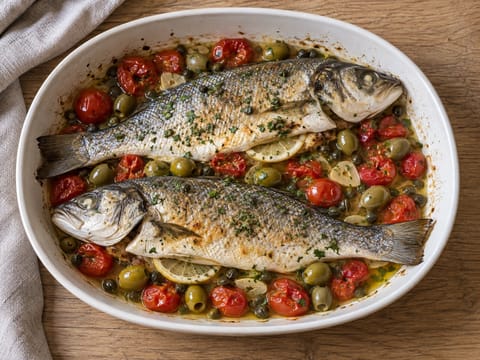
Branzino al Forno con Olive e Capperi (Baked Sea Bass with Olives and Capers)
Baked sea bass with olives, capers and cherry tomatoes

A baking dish is designed for oven cooking where the food sits in a relatively deep layer: think gratins, casseroles, baked pasta, fruit crumbles and set desserts. The dish you use affects how quickly the centre heats and how the top browns. A wide, shallow dish encourages evaporation and a well-coloured crust; a deeper dish keeps things moister but can take longer to heat through. Once you understand that trade-off, it becomes easier to pick a dish that matches the texture the recipe is aiming for.
In recipe terms, a baking dish is an oven-safe vessel with sides, commonly ceramic, glass or metal. It is different from a baking tray, which is shallow and built for airflow and crisping, and different from a roasting tin, which is often sturdier and designed to handle higher heat and heavier joints. Baking dishes are used when you want the contents to cook together and stay contained, whether that’s a creamy gratin, a saucy bake or a pudding that sets. Because the sides hold heat, the edges often cook first, which is useful for bubbling sauces and browned corners, but it also means stirring and resting times can matter.
Baked sea bass with olives, capers and cherry tomatoes
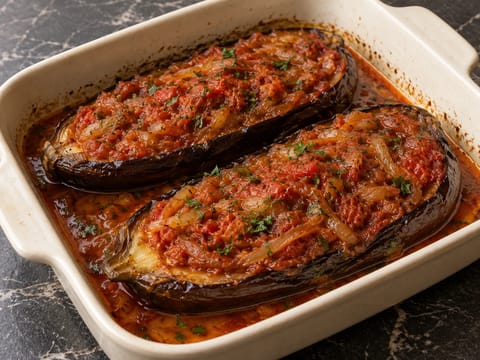
Baked aubergines stuffed with tomato, onion and garlic
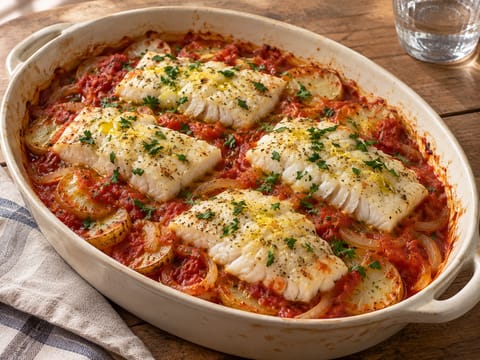
Greek baked fish with tomato sauce, potatoes and onions
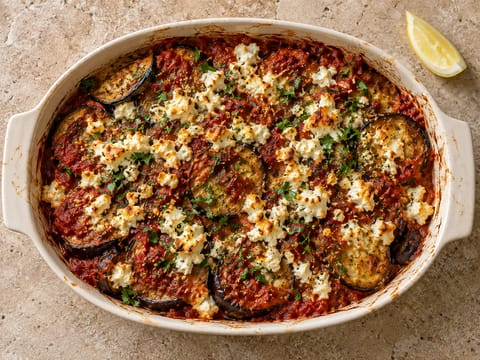
Roasted aubergine baked in tomato sauce with feta and oregano
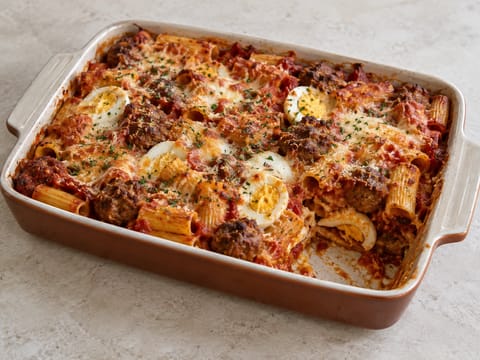
Baked pasta with meatballs, mozzarella and hard-boiled eggs
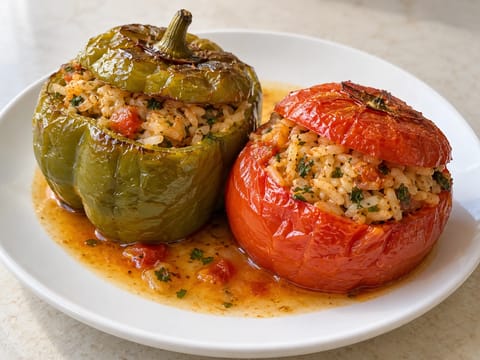
Peppers and tomatoes stuffed with herby rice and baked
Ceramic and glass hold heat well, so they tend to cook steadily and stay hot at the table, but they can be slower to heat up. Metal dishes heat quickly and can brown more aggressively, which is helpful for crisp edges but can catch if the oven runs hot. Darker pans generally absorb more heat than pale ones, so the same recipe may colour faster. Shape matters too: a wider dish gives more surface area for browning and thickening; a deeper dish protects the top but can leave the centre looser for longer. If a recipe specifies a size, it is usually to control depth as much as volume.
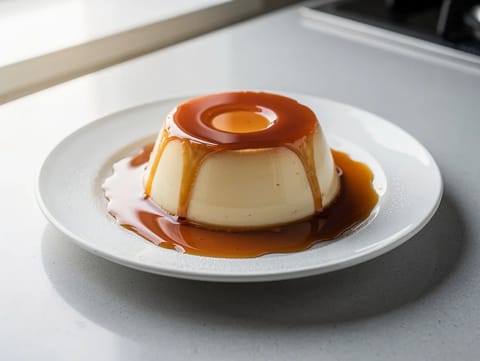
Baked caramel flan with vanilla custard, chilled before serving.
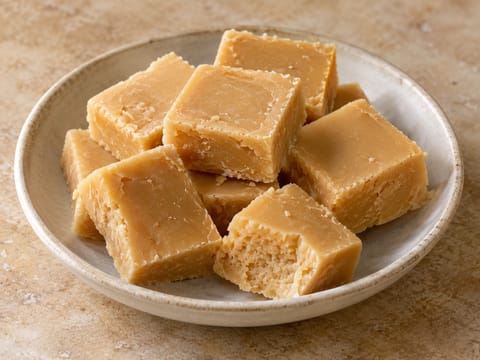
Rich clotted cream fudge set into smooth squares
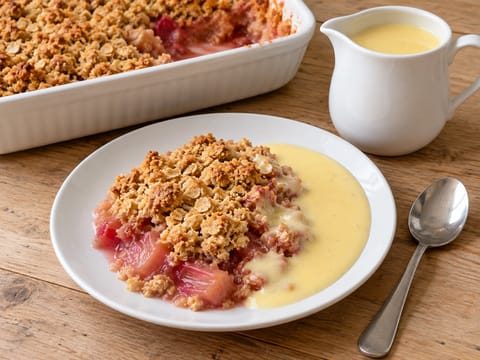
Baked rhubarb crumble with a crisp oat topping and custard
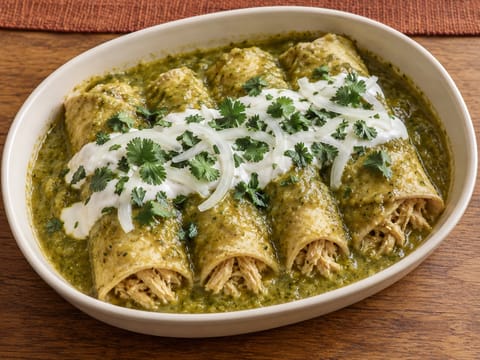
Chicken enchiladas baked in tomatillo and green chilli sauce
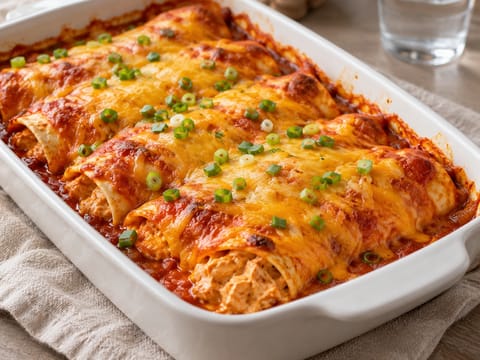
Baked buffalo chicken enchiladas with cheddar and tomato topping
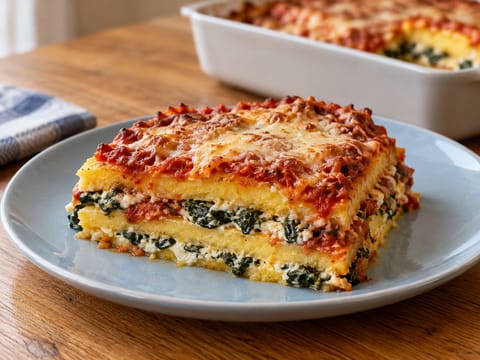
Polenta lasagne with spinach, ricotta and tomato sauce
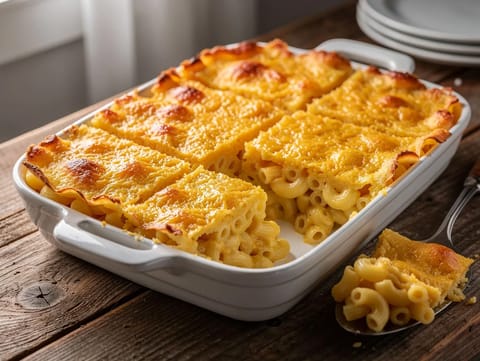
Baked macaroni cheese with cheddar and a custardy set
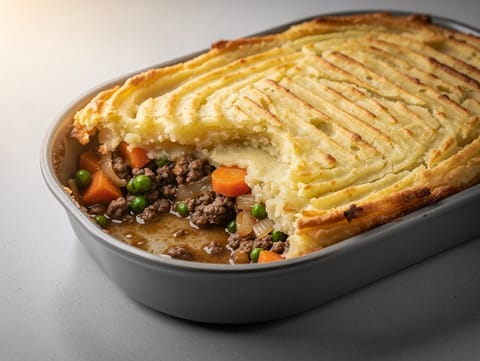
Minced beef and gravy topped with mashed potatoes
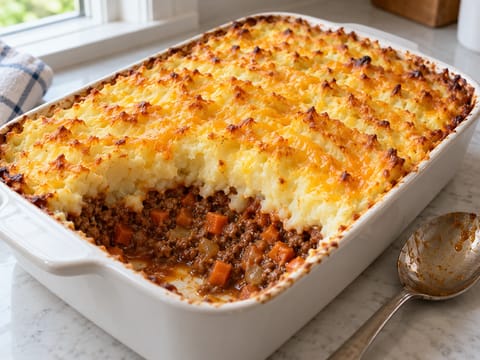
Cottage pie topped with cheddar mash and baked until golden
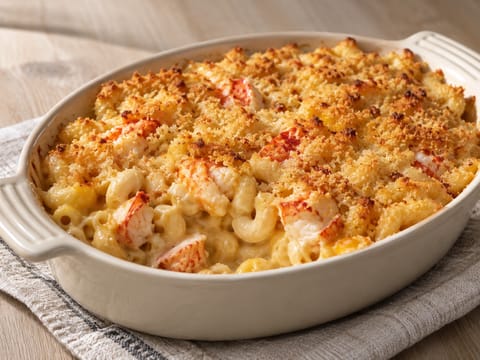
Macaroni and lobster in a creamy cheddar sauce with panko topping
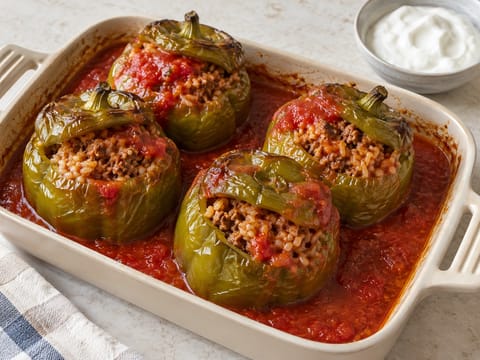
Baked peppers stuffed with minced beef and rice in tomato sauce
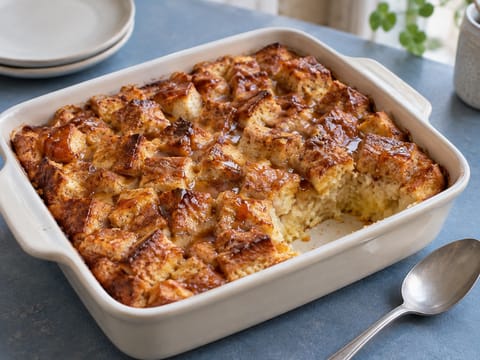
Baked brioche French toast casserole with cinnamon custard
Overfilling is the classic mistake. Saucy bakes bubble as they heat, and a dish filled to the brim is likely to spill and burn on the oven floor. Another issue is uneven cooking when ingredients are layered without considering density: thin slices and pre-cooked components heat quickly, while raw chunks take longer and can leave the top overbrowned before the centre is ready. Finally, be cautious moving a hot glass or ceramic dish onto a cold, wet surface, as sudden temperature changes can cause cracking. A dry cloth or wooden board is a safer landing spot.
Cooking method is a helpful next step because baking dishes are used for everything from slow bakes to high-heat gratins, and the method tells you what texture to expect. Difficulty can also guide you towards recipes that match your comfort level with layering, timing and judging when a bake is set through the middle.
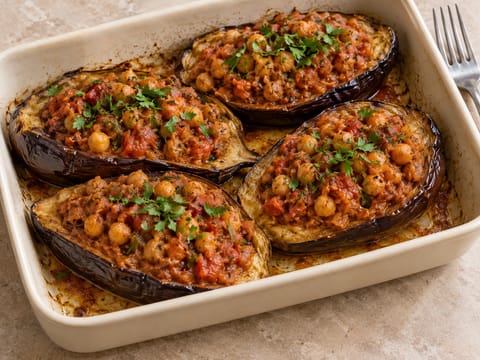
Roasted aubergines stuffed with spiced chickpeas in tomato sauce
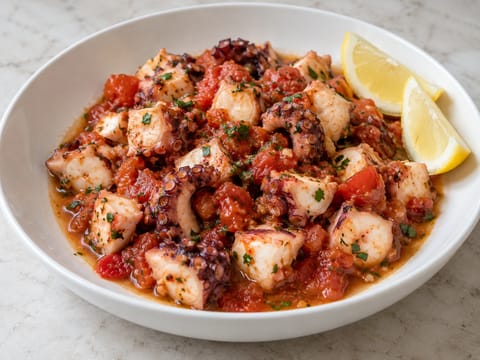
Tender octopus salad with tomatoes, garlic, chilli and parsley
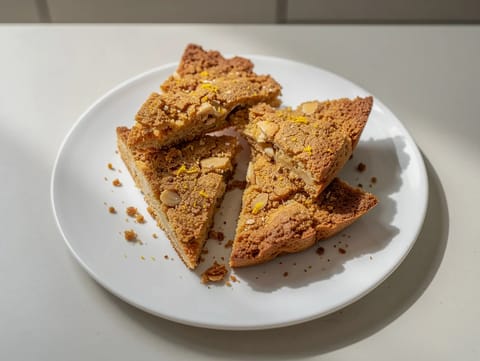
Crumbly Mantuan almond cake, baked golden and broken into shards
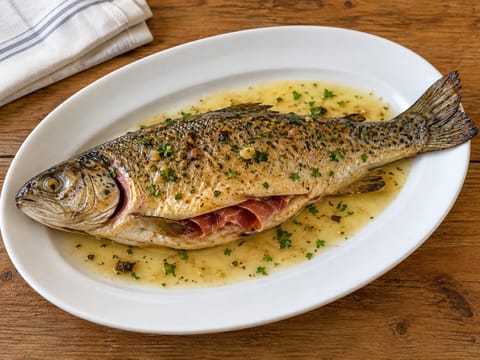
Pan-fried trout stuffed with serrano ham
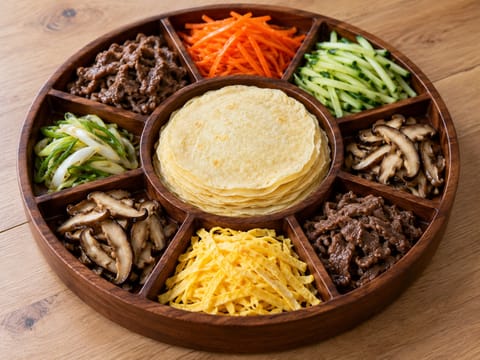
Korean crêpes served with beef, egg strips and vegetables
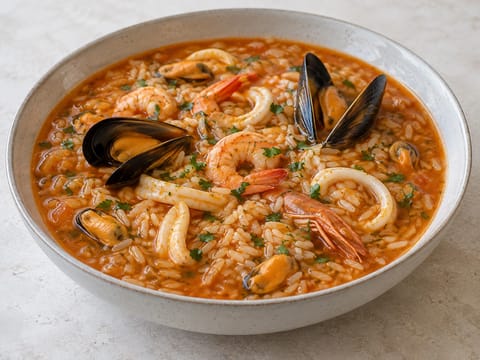
Portuguese seafood rice with prawns, mussels and squid
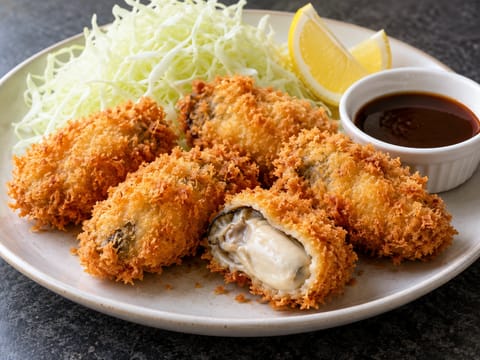
Crisp panko-breaded oysters fried until golden
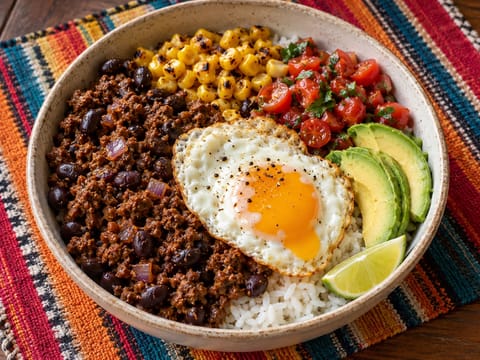
Rice bowl with spiced beef, black beans, avocado and fried egg
A baking dish has sides and is meant to hold saucy or layered foods. A baking tray is shallow and encourages airflow for roasting and crisping.
It can. Metal heats quickly and can brown more; ceramic and glass heat more gently and retain heat longer. The same recipe may need small timing adjustments.
Depth is often the reason. A smaller or deeper dish makes a thicker layer, which takes longer to heat through than a wider, shallower one.
Often, yes, but expect differences in browning and speed. Watch the top and edges, and be prepared to adjust the oven temperature or timing slightly.
Leave headroom for bubbling, especially with sauces. Many bakes rise and simmer as they cook, and a little space prevents overflow.
The sides heat first. A wider, shallower dish helps, and some recipes benefit from a short rest after baking so the centre can finish setting.
When choosing a baking dish, think about depth and surface area first, then material. Those details decide whether you get a crisp, browned top, a softer bake, or something in between.
