
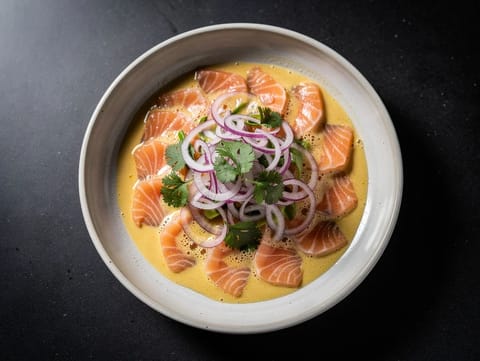
Tiradito de Salmon (Peruvian Sliced Salmon in Leche de Tigre)
Sliced raw salmon served with lime and ají amarillo sauce

A blender is built to move liquid fast. That makes it excellent for smooth soups, sauces and drinks, but it also means small workflow details matter: the order you add ingredients, how full the jug is, and whether the mixture is hot. Most blender mishaps are predictable, from a sauce that turns thin and foamy to a lid that lifts under steam. Use this page to match the blender to the job, avoid the common texture problems, and know when a stick blender or food processor will do the same work with less fuss.
Blenders excel at turning a liquid base plus solids into a uniform purée: think smooth vegetable soups, fruit smoothies, pancake batters, dressings and emulsified sauces. They are less suited to tasks where you want controlled chopping or a crumbly texture, such as pastry, coarse salsas or nut mixtures that should stay granular. A high-speed blender can handle tougher ingredients, but the principle is the same: it needs enough liquid movement to pull food down into the blades. If you are working with very small quantities, a stick blender in a tall jug can be easier. For drier chopping, a food processor is usually the more natural tool.
Sliced raw salmon served with lime and ají amarillo sauce
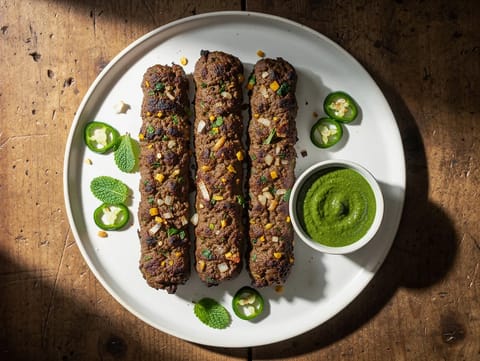
Grilled lamb seekh kebabs served with mint chutney
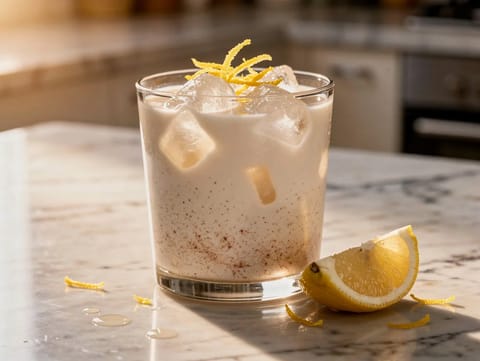
Chilled tiger nut drink with cinnamon and lemon
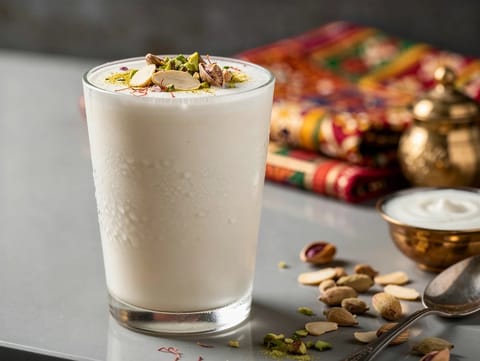
Chilled sweet lassi blended with yoghurt, milk and cardamom
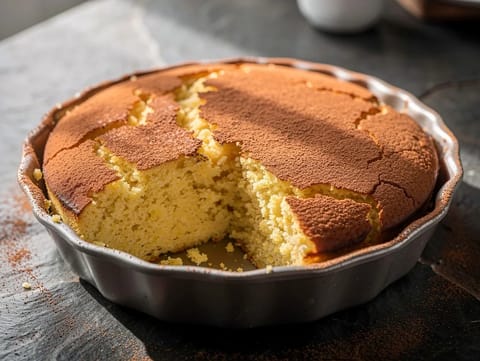
Mexican sweetcorn cake with condensed milk and cinnamon
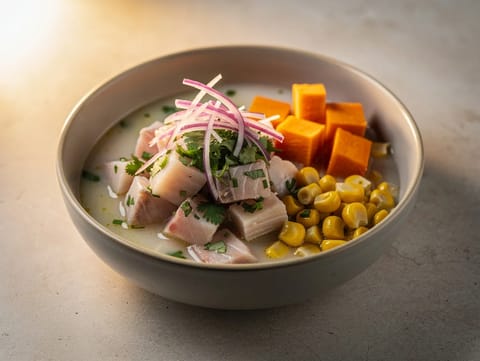
Nikkei sea bass ceviche with leche de tigre
Recipes that specify a blender usually assume you can blend to a particular texture, from “just combined” to completely smooth. They may also rely on the blender to create an emulsion, where oil is dispersed into water-based ingredients to make a thicker, cohesive dressing or sauce. Another common expectation is speed: a blender can turn cooked vegetables into soup in moments, but only if the mixture is loose enough to circulate. Some recipes will ask you to blend hot ingredients. That is workable, but it changes the handling: steam expands, and vigorous blending can push hot liquid up towards the lid.
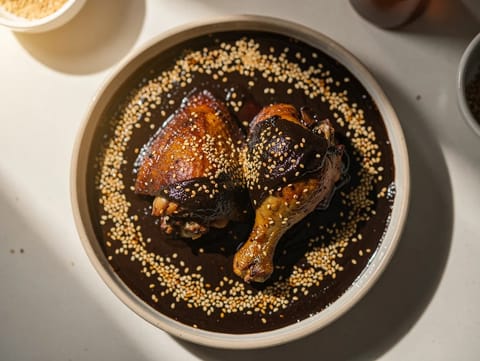
Chicken served with Oaxacan mole negro and sesame seeds
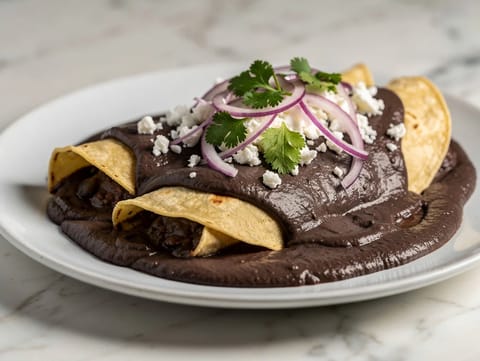
Corn tortillas dipped in black bean sauce with queso fresco
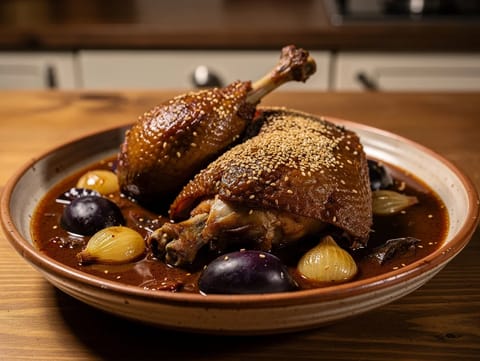
Braised duck legs in smooth plum mole with sesame
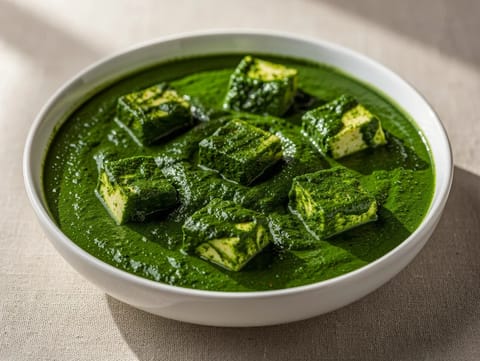
Smooth spinach curry with paneer
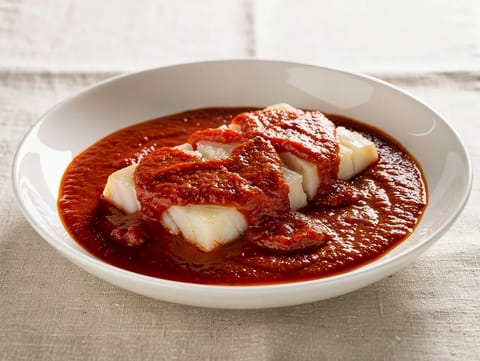
Salt cod simmered in Biscayan red pepper and tomato sauce
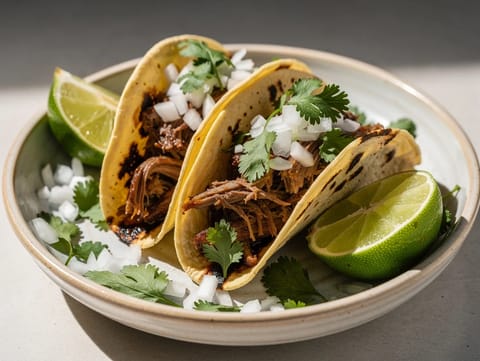
Slow-cooked lamb tacos with guajillo chilli and onion
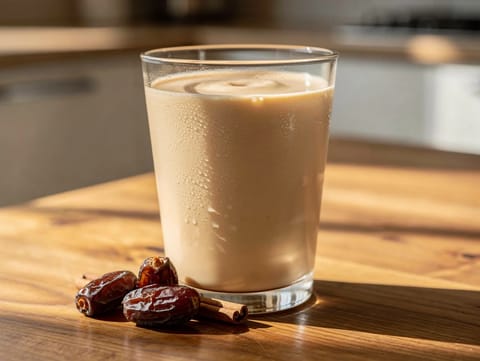
Creamy date smoothie with milk, yoghurt, honey and cinnamon
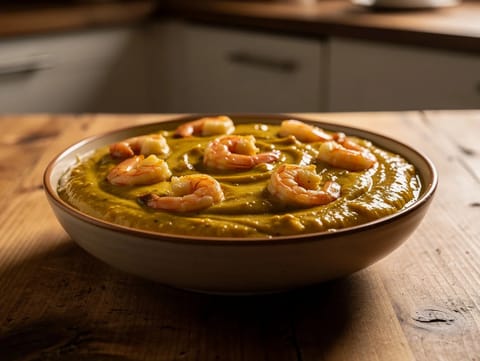
Creamy Bahian stew with coconut milk, bread and dried shrimp

Chilled sweet rice drink with cinnamon and vanilla
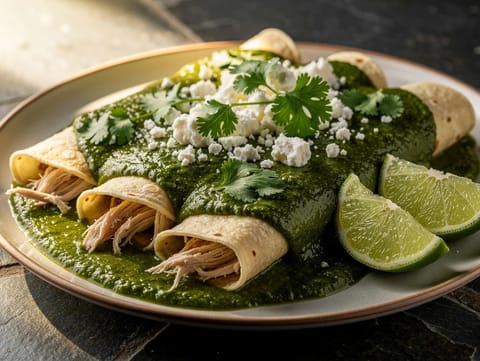
Baked chicken enchiladas with tomatillo salsa verde and queso fresco
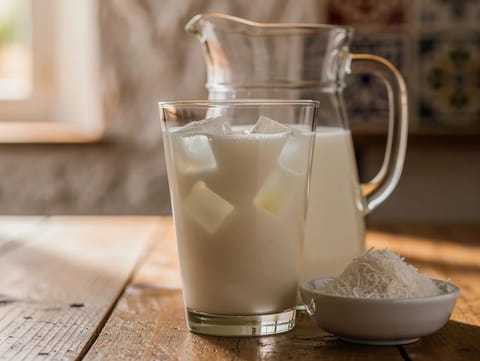
Chilled coconut and rice drink with cinnamon and vanilla
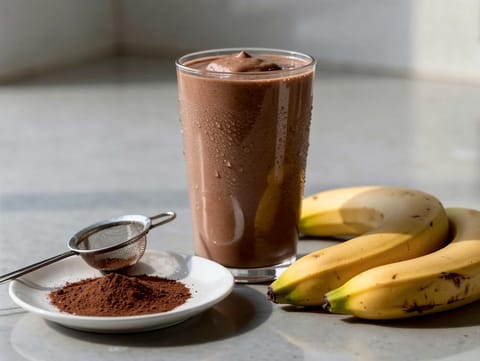
Chocolate banana smoothie with cocoa, peanut butter and whole milk
Overfilling is the classic problem. Leave headroom so the mixture can circulate, and blend in batches if needed. With hot liquids, start on a low speed and vent the lid according to your model so steam can escape; otherwise pressure can build and force leaks. If a sauce turns thin and foamy, you have usually blended too long or too fast, incorporating air and warming the mixture. Pulse or use a lower speed when you want a thicker, calmer texture. If ingredients sit stubbornly above the blades, add a little more liquid, stop and scrape down, or use the tamper if your blender is designed for it.
Cooking method is a helpful next step because blender use often sits inside a bigger technique, such as puréeing a soup after simmering or emulsifying a dressing. Difficulty can also guide you: some blender recipes are straightforward, while others depend on timing, temperature and gradual additions to keep a sauce stable.

Slow cooker chicken stew topped with fluffy buttermilk dumplings
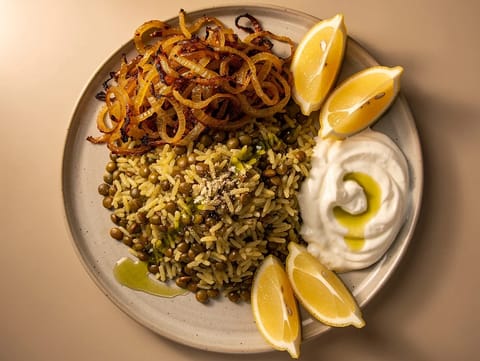
Lentils and rice topped with caramelised onions
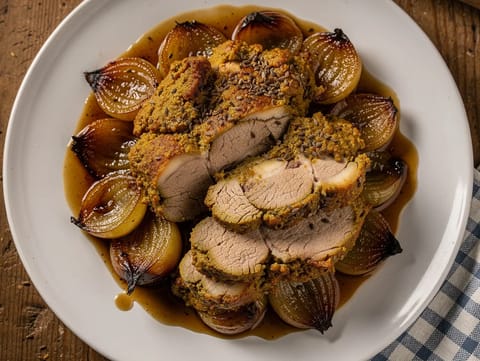
Mustard-crusted pork roast with pan gravy
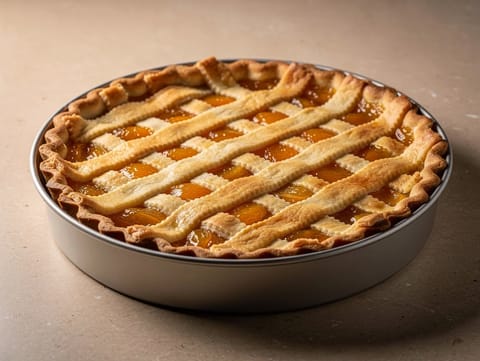
Buttery shortcrust tart filled with apricot jam
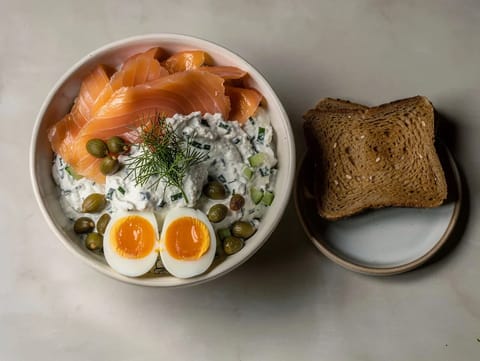
Smoked salmon bowl with yoghurt, egg and capers
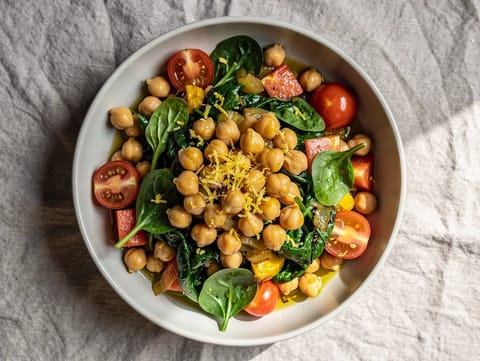
Chickpeas with tomatoes, spinach and smoked paprika
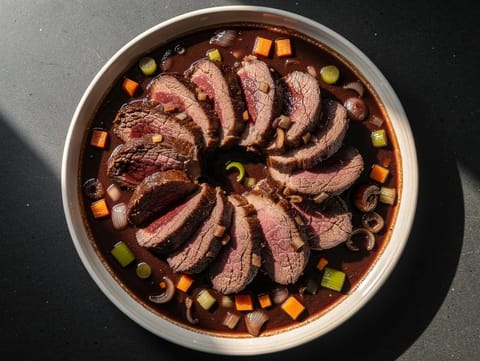
Beef braised in Barolo with vegetables and reduced wine sauce
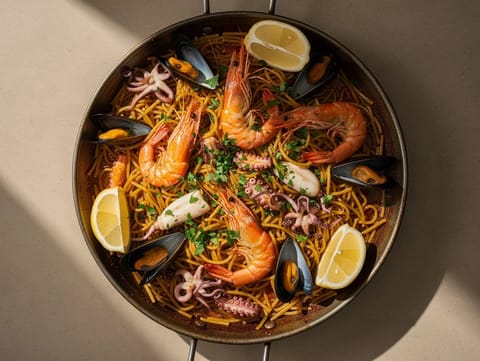
Toasted noodles cooked with seafood in saffron fish stock
Often yes, but do it carefully: don’t fill the jug too high, start on a low speed, and allow steam to vent as your blender’s lid design permits. Blending in batches is usually calmer and safer.
Blenders need movement. If the mixture is too thick to circulate, the blades can spin without pulling food down. Add a little liquid, blend in smaller batches, or use a tool designed for thick purées.
A blender is designed for smooth purées and liquids. A food processor is better for chopping, slicing and mixing thicker, drier mixtures where you want more texture control.
Temperature and speed matter. Add oil gradually, blend at a moderate speed, and avoid overheating the mixture. If it starts to look thin or greasy, stop and reassess before continuing.
Not always. Cook ingredients until tender and include enough liquid for circulation. A standard blender can produce very smooth results when the base is properly softened.
For soups, sauces and small batches, yes. It is often easier to control and involves less pouring. It can struggle with very smooth textures or large volumes compared with a jug blender.
If the mixture can circulate freely and you manage heat and headspace, a blender gives reliably smooth texture. When it cannot, switching tools or loosening the mixture is usually the simplest fix.
