
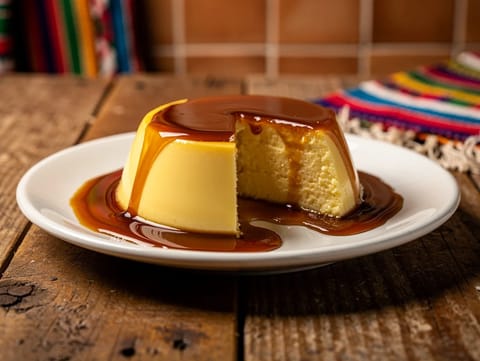
Flan Napolitano (Mexican Baked Custard with Caramel)
Mexican baked custard with caramel sauce

A kettle is a speed tool: it gives you reliably hot water without tying up the hob. That matters in recipes where boiling water is an ingredient or a shortcut, from dissolving sugar to starting pasta, grains or blanching vegetables. It also has clear limits. A kettle heats water, not stock, milk or sauces, and it cannot reduce or concentrate flavour. Knowing when a kettle genuinely helps, and when you should reach for a saucepan instead, keeps your workflow smooth and your results predictable.
On this page, a kettle simply means a vessel designed to bring water to the boil, whether electric or stovetop. In recipe terms, it is usually used to supply boiling or near-boiling water quickly for another step: soaking, blooming, dissolving, par-cooking or preheating. It does not imply any particular temperature precision beyond “hot” and “boiling”, and it is not a substitute for a pot where you need to simmer, steep for a set time, or cook ingredients in the liquid. If a recipe asks you to heat liquid other than water, treat that as a cue to use the hob or microwave unless it explicitly says otherwise.
Mexican baked custard with caramel sauce
Fluffy coconut rice with lemongrass and pandan, topped with crunchy garnishes
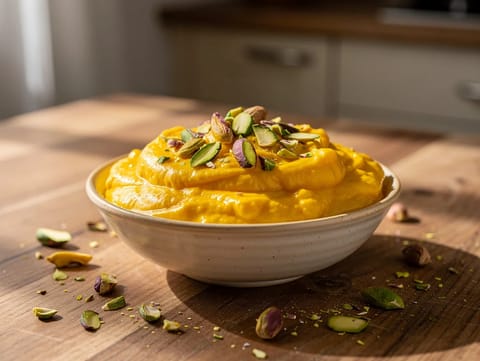
Chilled mango shrikhand made with thick yoghurt and cardamom
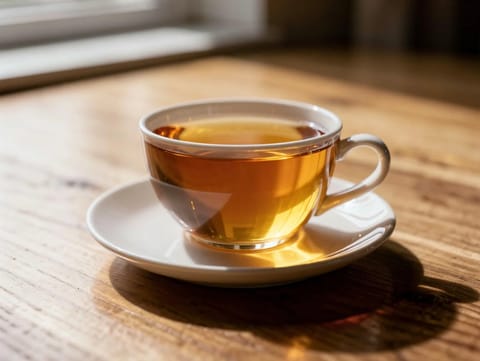
Fragrant oolong tea brewed in hot water, served plain or sweetened
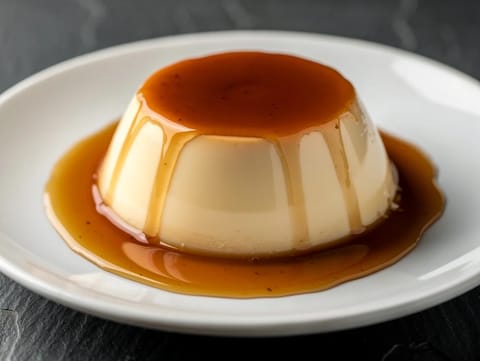
Silky baked caramel custard turned out with caramel sauce
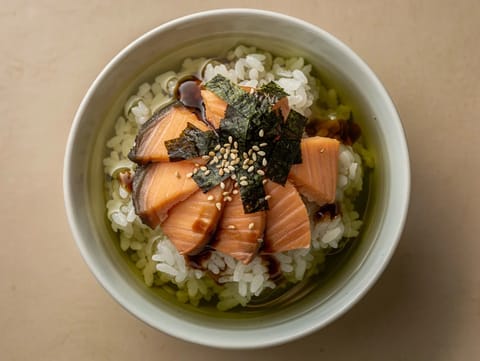
Steamed rice with salmon and nori, topped with green tea
A kettle is most useful when hot water is needed in a measured amount and you want it immediately. It speeds up tasks like rehydrating dried ingredients, loosening sticky mixtures (think syrups or caramel that has seized), or making a quick hot-water bath for gentle melting. It can also shorten overall cooking time by letting you start with boiling water in a saucepan for pasta, rice or potatoes, rather than waiting for a cold pot to come up to temperature. The main limitation is flavour and control: you cannot toast aromatics, build a base, or adjust heat gradually in a kettle. For anything that needs simmering, reduction or careful infusion, a saucepan remains the better tool.
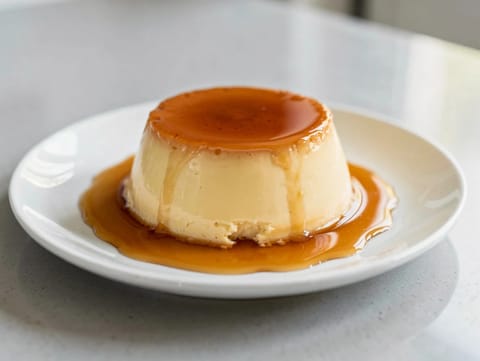
Silky vanilla custard turned out with caramel sauce
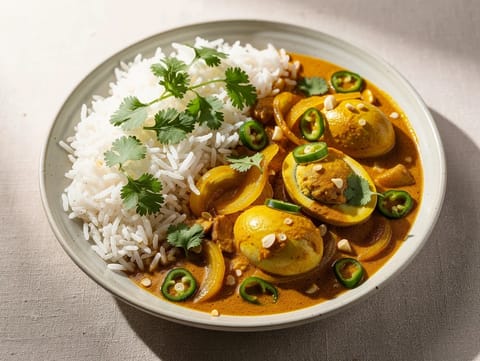
Eggs simmered in spiced tomato gravy with basmati rice
Chilled Vietnamese layered dessert with mung beans, kidney beans, pandan jelly and coconut milk
Silky vanilla baked custard set over caramel, chilled then turned out.
Steamed green tea leaves brewed in hot water, then strained and served immediately
Fluffy coconut rice with lemongrass and pandan, topped with crunchy garnishes
Glossy Brazilian quindim custards with coconut, baked gently in caramel-lined moulds
Brewed black tea is cooled slightly, then sweetened with honey and lemon
Bulgur tabbouleh with parsley and mint, topped with grilled halloumi and lemon
Baked double cream custard, chilled then finished with a brittle caramelised sugar crust
The most frequent mistake is treating kettle water as “neutral” in flavour. If your kettle has limescale or a lingering tea or coffee aroma, it can show up in delicate broths, custards or syrups. Descale when needed and use fresh water for cooking. Another pitfall is pouring boiling water into a cold, thin glass or ceramic bowl, which can crack from thermal shock. Warm the vessel first, or pour into a metal pan. Finally, remember that boiling water is not the same as cooking. If a recipe relies on simmering to soften pulses, thicken a sauce or extract flavour from spices, the kettle can start the process but cannot finish it.
If you are choosing tools for a particular style of cooking, browsing by Cooking method helps clarify when you need sustained heat (simmering, braising) versus a quick hit of boiling water. Difficulty is also useful: some recipes assume confident timing and coordination, while others use the kettle to simplify steps and reduce waiting around.
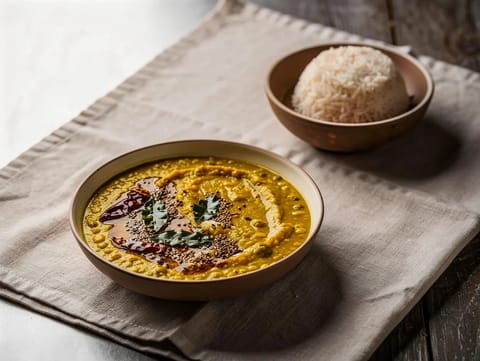
Yellow lentil dal topped with hot tempered spices
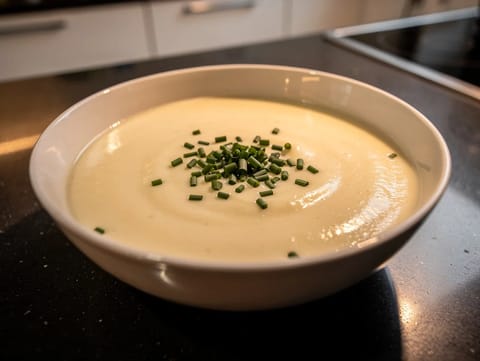
Chilled leek and potato soup finished with double cream

Caramel chocoflan with vanilla flan and chocolate sponge
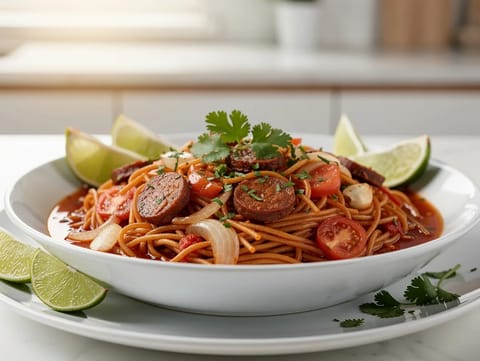
Toasted vermicelli cooked in tomato broth with browned chorizo
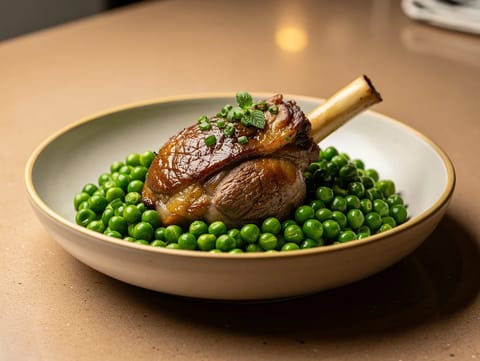
Slow-cooked lamb shanks with red wine gravy and minted peas
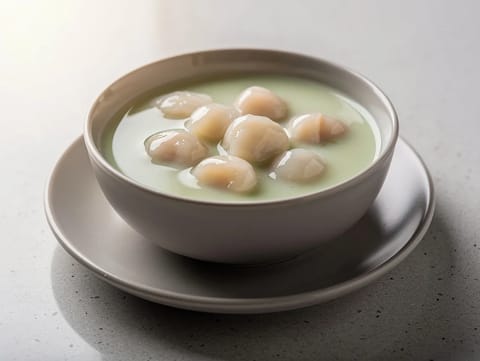
Thai rice dumplings served in warm pandan coconut milk
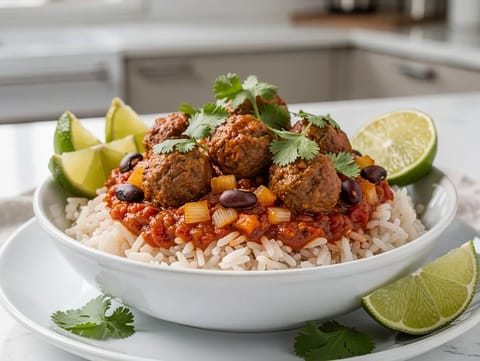
Beef meatballs in spiced tomato sauce with rice
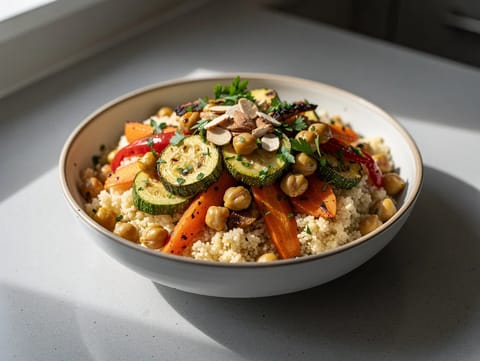
Couscous bowl with roasted vegetables, chickpeas and lemon tahini dressing
Functionally they do the same job: heating water. Electric kettles are usually faster and switch off automatically; stovetop kettles can be used anywhere you have a hob. Recipes rarely depend on which type you have.
Most kettles are designed for water only. Stock, milk and sugary liquids can scorch, leave residues and are harder to clean thoroughly. Use a saucepan for anything other than water unless the appliance instructions explicitly allow it.
It depends on the step. For dissolving sugar or starting pasta water, boiling is helpful. For blooming gelatine or cocoa, very hot water may be fine. Follow the recipe wording, and remember water cools quickly once poured.
A small saucepan is the closest substitute. A microwave-safe jug can also heat water quickly, though you lose the visual cue of a rolling boil and need to handle the hot container carefully.
A short spout and a fast pour can make boiling water surge. Pour more slowly, keep the spout close to the target vessel, and avoid overfilling so the water has less momentum.
Use a kettle when the recipe needs hot water as an ingredient or a shortcut, and reach for a saucepan when the liquid is part of the cooking. That one distinction covers most decisions quickly and safely.
