KitchenAid Stainless Steel Mixing Bowls
- Non-slip base
- Stainless steel
- Not microwave safe

A mixing bowl earns its keep when it stays put, gives you room to work and doesn’t react with what you’re making. The right bowl depends less on the recipe title and more on the task: whisking a thin batter, folding a delicate mixture, tossing something with dressing, or holding ingredients while you prep. Size, material and rim shape all change how cleanly you can mix, how easily you can pour, and how much you’ll fight splashes.
A mixing bowl is any bowl you can comfortably stir, whisk or toss in, usually with enough depth to keep ingredients contained. It does not have to be a specialist bowl with a handle or spout, but it should be stable and easy to grip when you need to tip or rotate it. In practice, bowls show up in recipes that involve combining ingredients off the heat: batters and doughs, salads and slaws, marinades, coatings for frying, or simply holding chopped ingredients in stages. The bowl is part of the workflow, not the cooking method, so the same recipe may work with several bowl types as long as the capacity and material suit what you’re mixing.
Our recommended options if you're looking for a Mixing bowl.

Chilled German red berry pudding thickened with cornflour

Dense Breton butter cake with vanilla and egg yolks

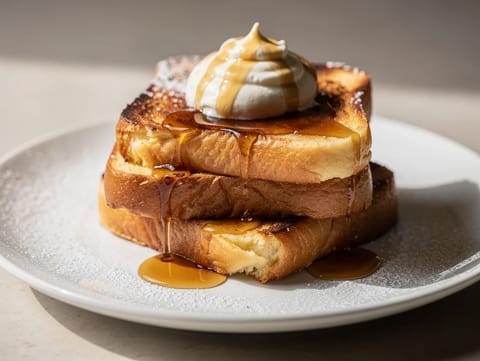
Custard-soaked brioche French toast with crème fraîche and maple syrup

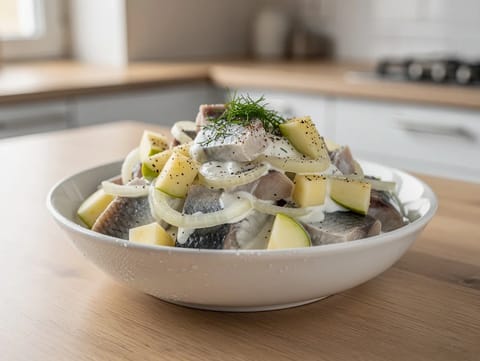
Polish herring in sour cream with apple and onion

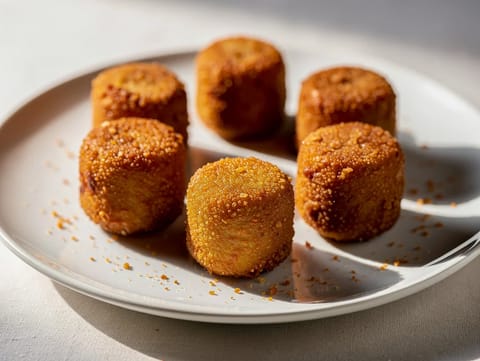
Belgian cheese croquettes with cheddar béchamel and a crisp coating

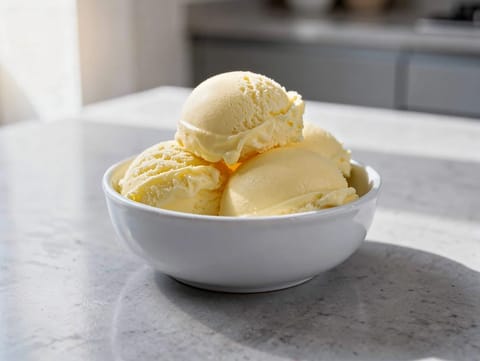
Italian lemon gelato made with fresh zest and juice
Stainless steel bowls are light, tough and useful when you need vigorous whisking, especially if the bowl has a rounded base that lets a whisk reach the corners. Glass and ceramic feel steady on the counter and are handy when you want to see what’s happening, but they are heavier and can chip. Plastic is light and quiet, and can be convenient for cold mixing, but it can hold onto odours and scratches more easily. Look at the rim: a rolled rim is easier to hold and pour from; a very thin rim can flex and drip. Depth matters too. A deeper bowl helps contain flour and sugar when you start mixing, while a wider bowl makes it easier to fold in whipped egg whites or cream without knocking out too much air.

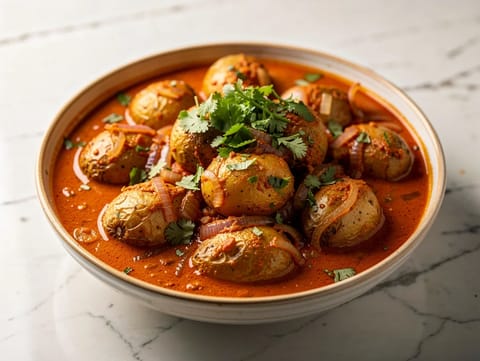
Baby potatoes in a tomato and yoghurt curry

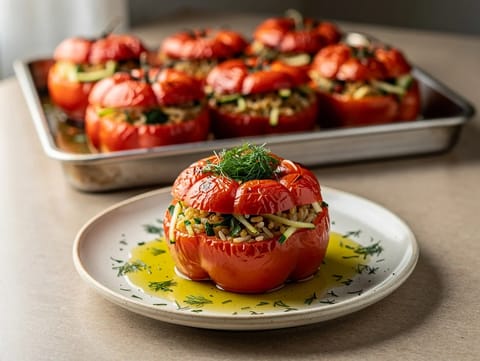
Traybaked stuffed peppers and tomatoes with herby lemon rice

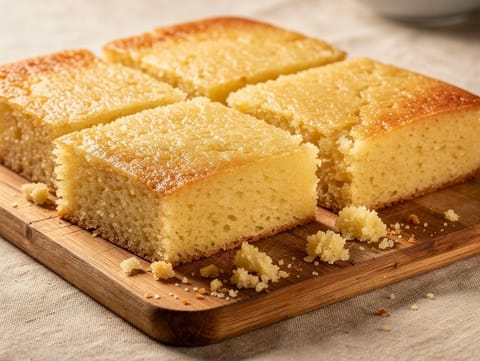
Greek revani semolina cake soaked in lemon syrup

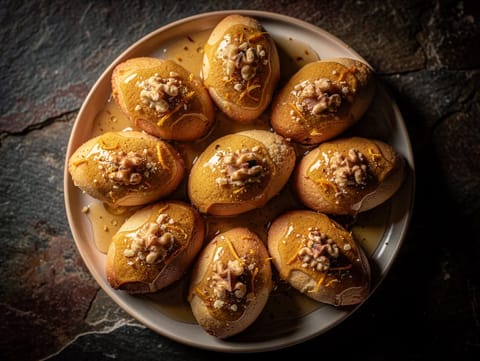
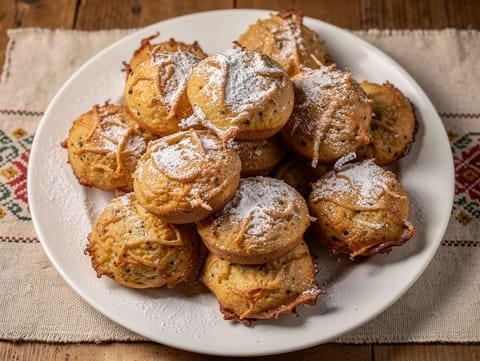
Greek honey-soaked biscuits with orange, spices and walnuts

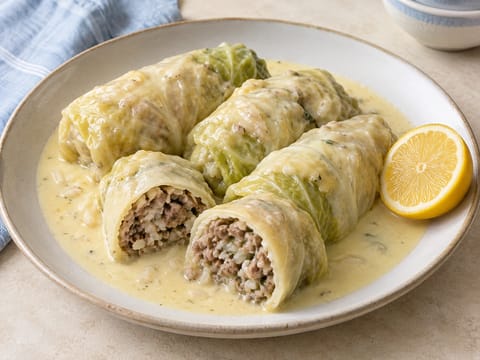
Stuffed cabbage rolls with beef, rice and lemon egg sauce

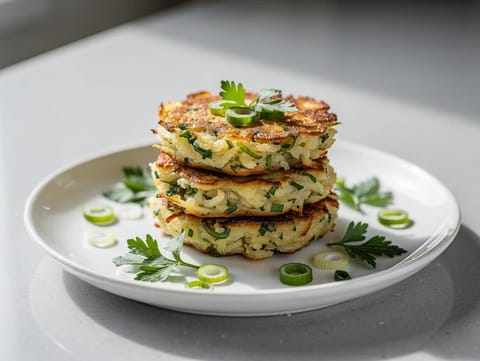
Crisp herb potato cakes pan fried in oil

Mini apple fritters fried golden with cinnamon

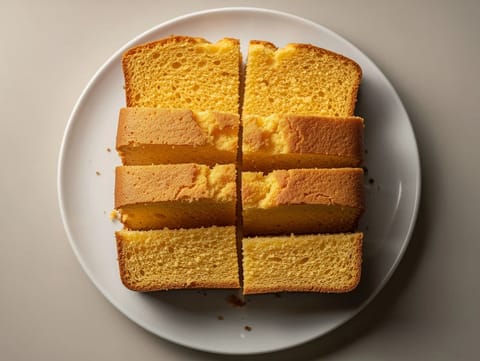
Polish sponge cake with a fine, tender crumb

Thick egg-yolk custard liqueur blended with brandy

Beer burger with onion pan sauce, cheese and Dijon mustard

Crisp grey shrimp croquettes with nutmeg béchamel filling

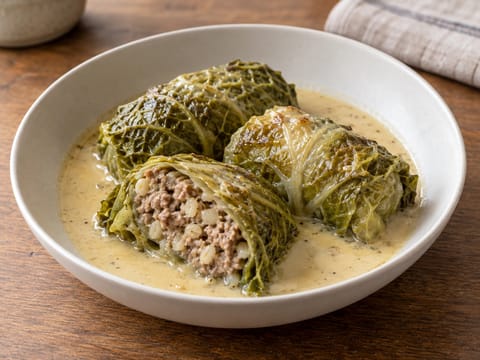
Savoy cabbage rolls with pork, pearl barley and cream sauce
If a bowl skates around the worktop, you end up mixing harder than you need to. Sit it on a damp cloth or a silicone mat so you can whisk with one hand and steady with the other. If you’re getting a halo of dry ingredients up the sides, the bowl is often too wide for the amount you’re mixing; switch to a smaller bowl or pause to scrape down with a flexible spatula. For mixtures that can react with metal, such as strongly acidic marinades, use glass or ceramic when you’ll be leaving ingredients to sit. And if you’re trying to whip to volume, make sure the bowl is clean and grease-free, as even a thin film can slow foaming.
If you’re choosing a mixing bowl, it often helps to think about the method rather than the dish name. Browsing by Cooking method can point you towards recipes that rely on whisking, folding or coating. Difficulty is also useful here, because some recipes assume confident handling of wet batters or delicate mixtures, even when the ingredient list is short.

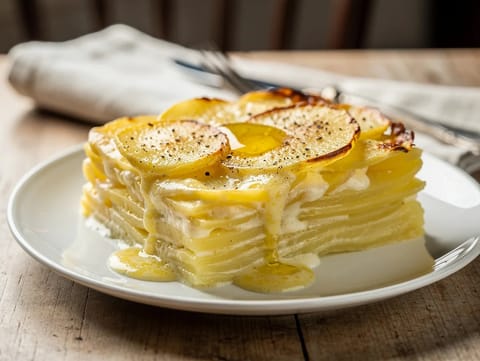
Creamy French potato gratin with garlic and nutmeg

Sparkling Champagne cocktail with crème de cassis

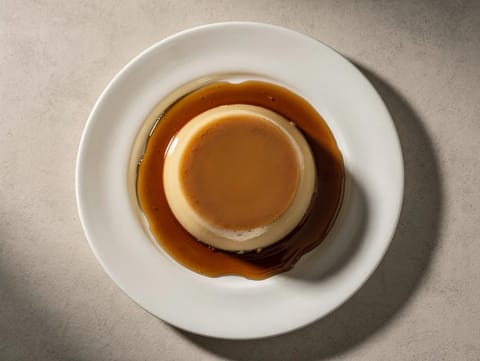
Light Spanish flan with caramel sauce

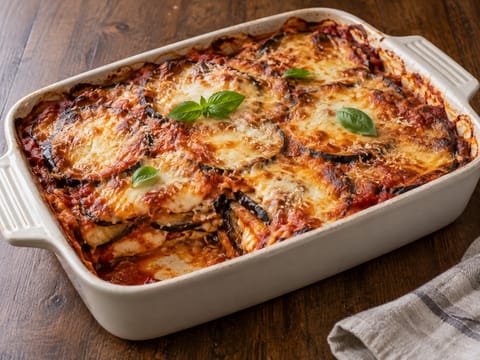
Baked aubergine layered with tomato sauce, mozzarella and Parmesan

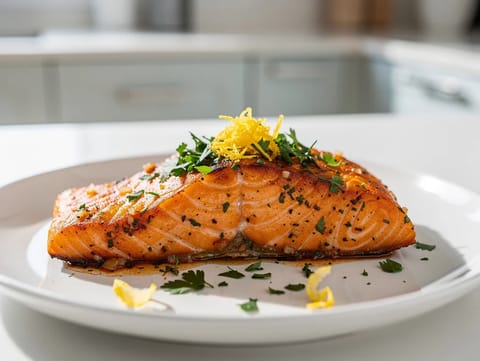
Pan-seared salmon with lemon, herbs, garlic and paprika

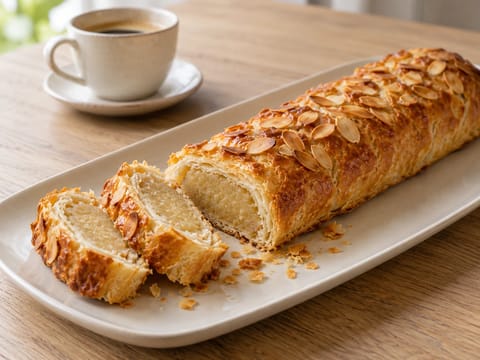
Puff pastry stick filled with marzipan and flaked almonds

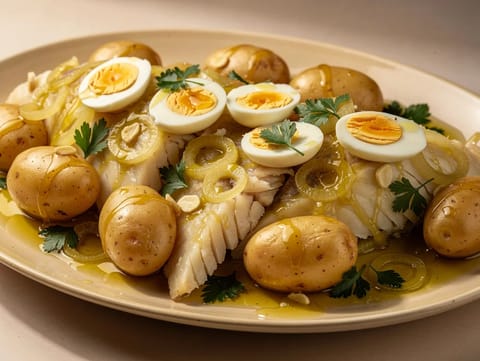
Salt cod with potatoes, eggs, olive oil, garlic and onion

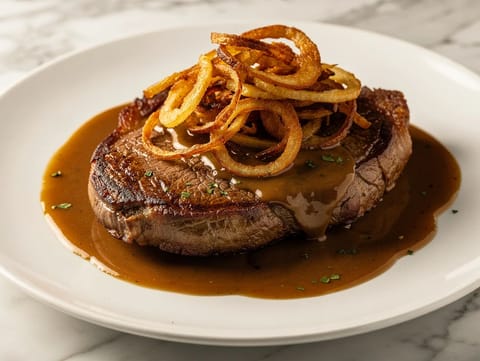
Beef steak with crisp fried onions and simple beef gravy
Not necessarily. A small and a medium bowl cover most everyday mixing, and a larger bowl is useful for tossing or doubling a batch. What matters is having at least one bowl that feels stable and comfortable to hold.
It’s a strong all-rounder, especially for whisking, but it’s not universal. Glass or ceramic can be better when you want a non-reactive bowl for resting acidic mixtures, or when you prefer the weight on the counter.
A spout can make pouring thin batters and dressings tidier, but it doesn’t replace good bowl size. If the bowl is too full or too shallow, it will still drip and splash.
Often, yes, especially for whisking sauces off the heat or mixing small quantities. Choose one with enough room to stir without slopping, and be mindful of heat if the pot has just been on the hob.
Sharp corners and flat sides can leave pockets of dry ingredients. A bowl with a more rounded base, plus scraping down with a spatula, helps bring everything together.
When a recipe calls for a mixing bowl, read it as a cue about the kind of handling involved: whisking, folding, tossing or resting. Choose a bowl that gives you space, stability and the right material for the mixture, and the rest of the prep tends to feel calmer.