WMF Mini Saucepan 16 cm with Lid
- High-quality stainless steel
- Even heat distribution
- Higher price point
A saucepan is the everyday pan for simmering, boiling and gentle reduction. Its tall sides help contain liquids and foam, and the smaller surface area slows evaporation compared with a wide frying pan. That makes it a natural fit for cooking grains and pasta, warming soups, making sauces and heating milk-based mixtures. It is less suited to tasks that rely on rapid evaporation or broad, even browning. If you understand how width, depth and lid use change the balance between simmering and reducing, you can choose the right pan and avoid boil-overs and scorched bases.
A saucepan is usually deeper than it is wide, with straight or slightly flared sides and a long handle. Compared with a frying pan, it has less exposed surface area, so liquids evaporate more slowly and the contents are less likely to splash. Compared with a stockpot, it is smaller and easier to control for modest quantities and quicker heat changes. A lid is part of the system: on speeds up heating and traps steam; off encourages reduction and thickening. Those simple choices often matter more than the exact material.
Our recommended options if you're looking for a Saucepan.

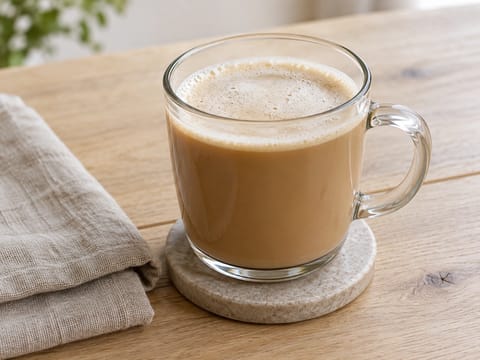
Dutch coffee with equal parts brewed coffee and hot milk

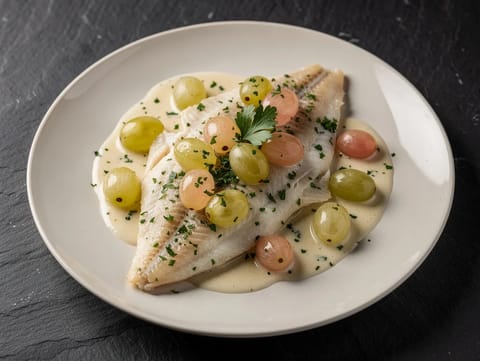
Poached sole with grapes in a white wine cream sauce

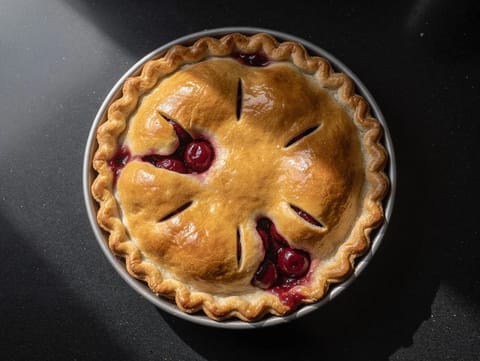
Air fryer cherry pie with lemon and cornflour-thickened filling.

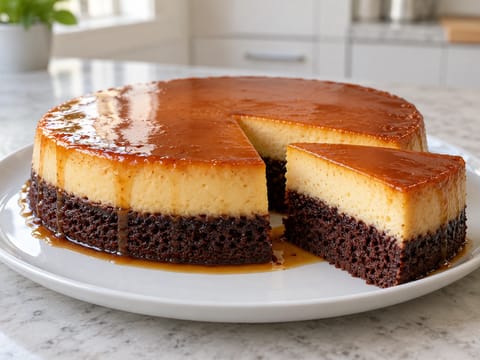
Caramel chocoflan with vanilla flan and chocolate sponge

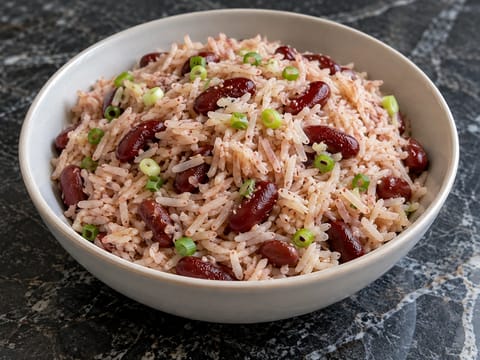
Coconut rice with kidney beans, thyme and allspice

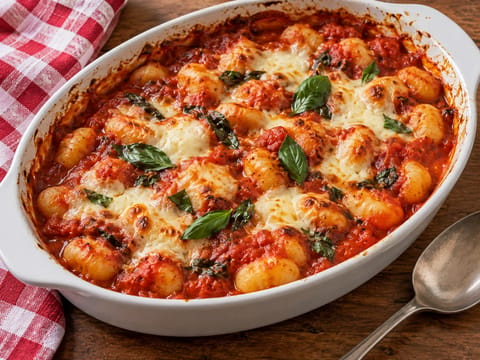
One-pan gnocchi baked in tomato sauce with mozzarella
Choose by volume and by what the food does as it heats. For pasta, grains and anything that foams, you want headroom so bubbles do not climb over the rim. For sauces and custards, a heavier base helps steady the heat and reduces hot spots that can catch. If you are reducing a sauce quickly, a wider pan or sauté pan may be faster because more surface is exposed to the air. For delicate milk or chocolate mixtures, a smaller pan can be easier to keep at a gentle simmer, but you will need to stir more often to prevent sticking.

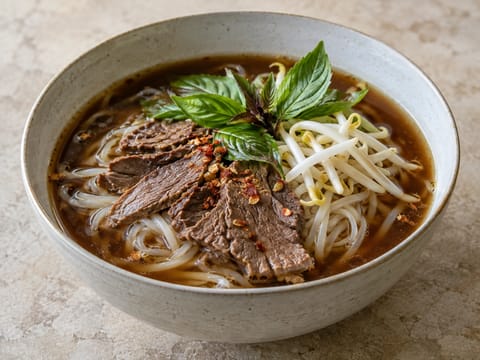
Thai rice noodle soup with beef and dark broth

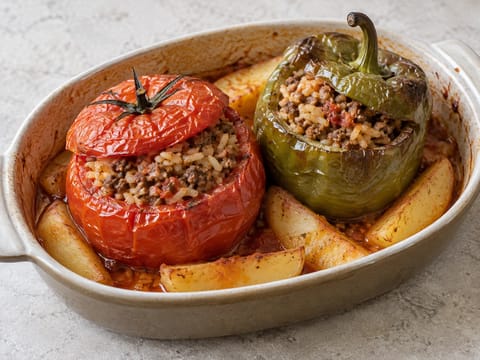
Greek stuffed tomatoes and peppers with rice and beef

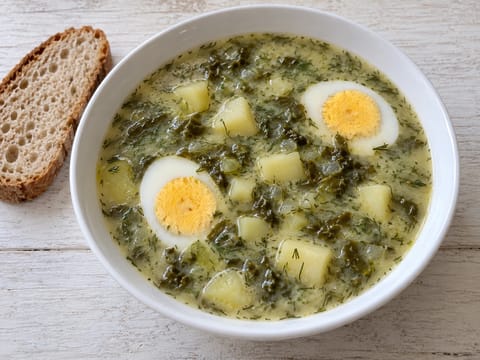
Polish sorrel soup with sour cream and hard-boiled eggs

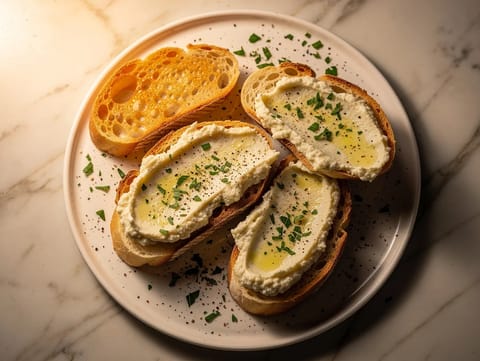
Venetian whipped salt cod spread with garlic and lemon

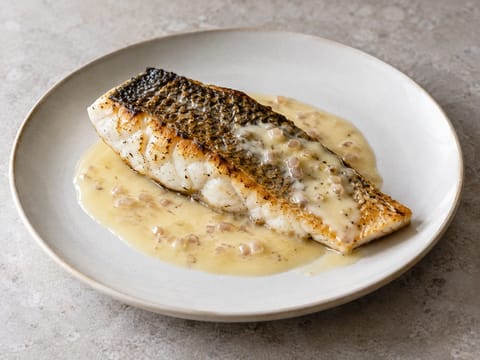
Grilled sea bass with classic beurre blanc sauce

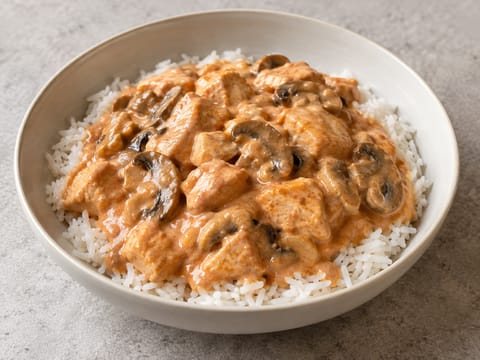
Chicken and mushrooms in a creamy tomato and double cream sauce

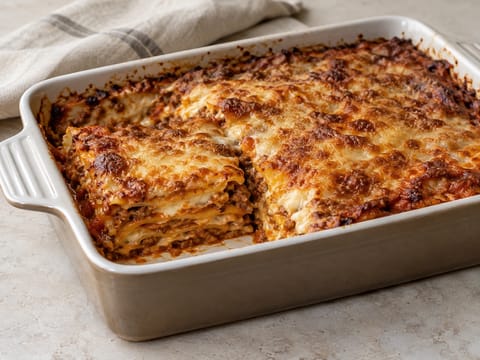
Layered pasta bake with beef ragù, béchamel and cheese

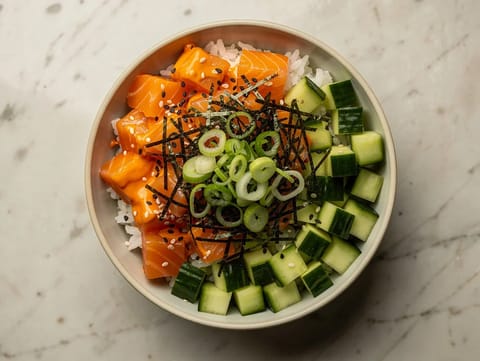
Salmon poke bowl with sushi rice and sriracha mayo.

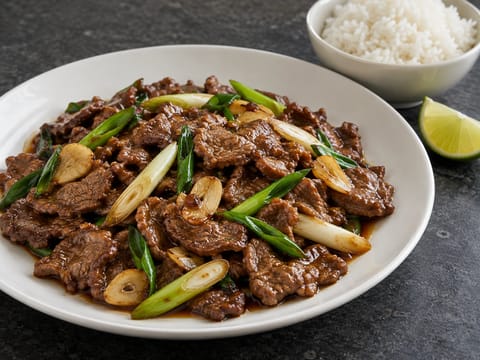
Thai beef stir-fry coated in oyster sauce and light soy

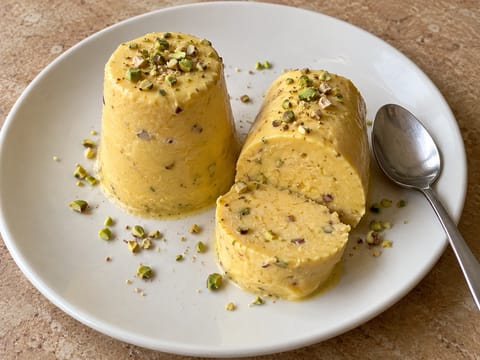
Dense mango kulfi with reduced milk and cardamom

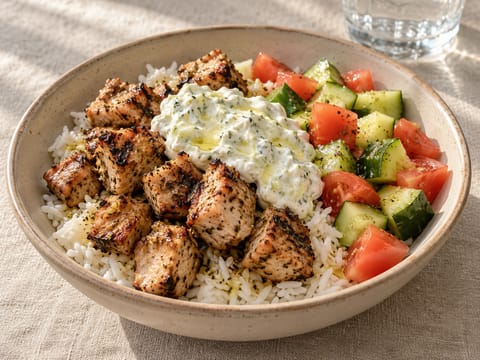
Grilled pork souvlaki served over rice with tzatziki

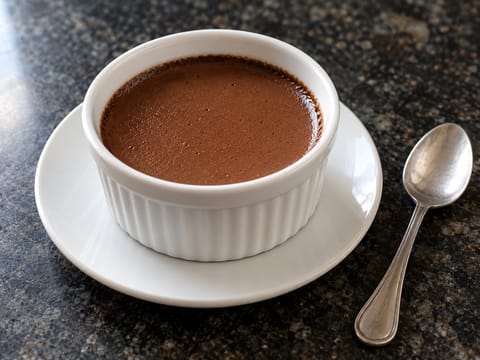
Silky baked chocolate custards chilled until spoonable
Boil-overs usually happen when the pan is too small or the heat is too high for a starchy liquid. Lowering the heat and leaving the lid slightly ajar reduces the surge. Scorching on the base is often a sign of insufficient stirring for thick mixtures, or a pan with thin metal that creates hot spots. Another common issue is reducing too far with the lid off, then trying to fix it by adding water; that can thin flavour as well as texture. If a recipe needs reduction, aim for a steady simmer and check consistency as you go.
A saucepan shows up across many cooking methods, from simmering and poaching to making syrups and sauces. Browsing by Cooking method helps you compare those techniques and see when a different pan shape is usually chosen. Difficulty can also be useful, because some saucepan recipes are simple heat-and-stir, while others depend on careful temperature control and timing.

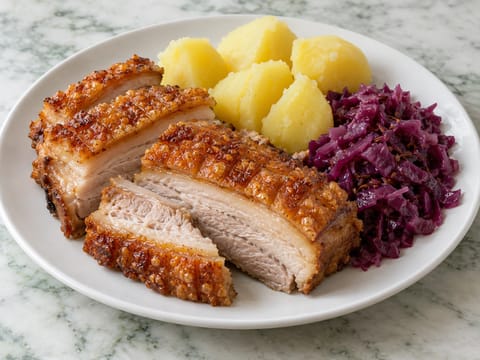
Norwegian roast pork belly with crisp crackling

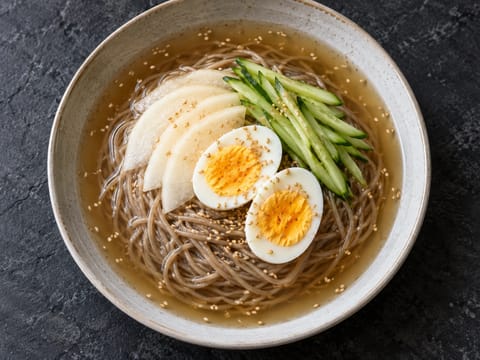
Cold buckwheat noodles served in tangy chilled beef broth

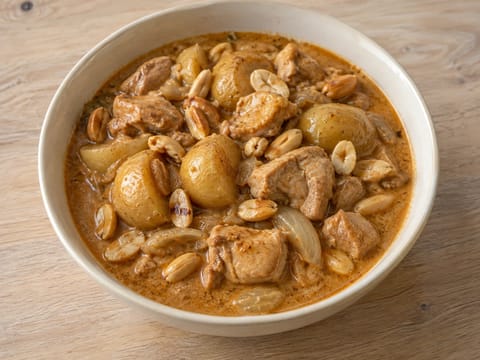
Mild Massaman chicken curry with potatoes, tamarind and peanuts

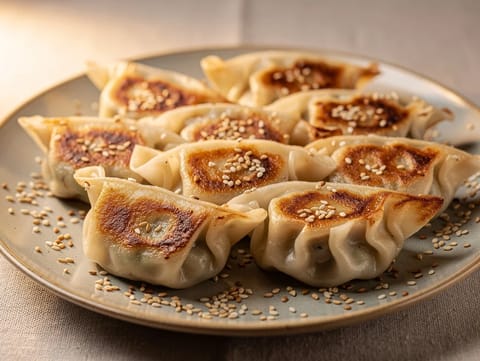
Kimchi dumplings with pork and tofu, crisp then juicy

Griddled masa cakes topped with beans and nopales

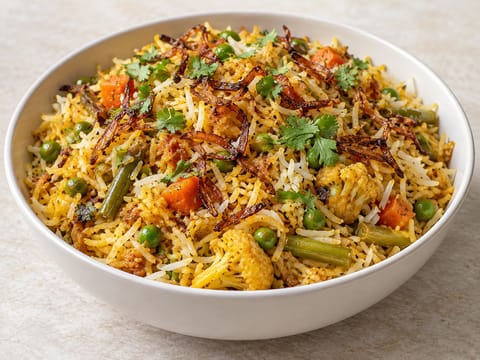
Layered vegetable biryani with saffron milk and fried onions

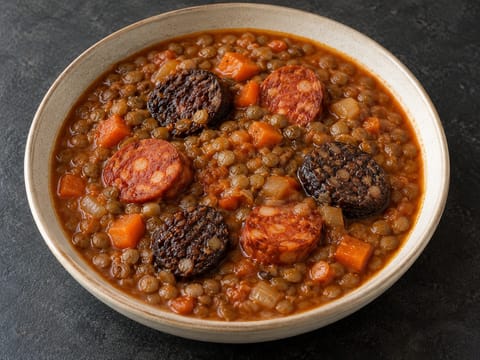
Spanish lentil stew with chorizo and morcilla

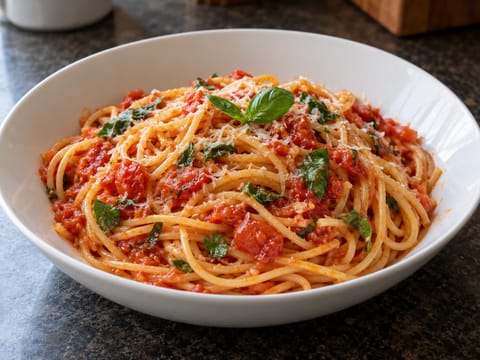
Spaghetti with fresh tomato, garlic and basil
In everyday use, “pot” can mean many things. A saucepan is typically a smaller, handled pan with taller sides, designed for liquids, simmering and controlled reduction.
No. A lid speeds up heating and keeps moisture in, while cooking without a lid encourages evaporation and reduction. Many recipes use both at different stages.
Thick mixtures need steady stirring and moderate heat. A thin-based pan can create hot spots, and high heat can scorch before the sauce thickens evenly.
Sometimes. A frying pan reduces faster because it is wider, but it can also splatter more and may heat less evenly for delicate mixtures.
A medium, general-purpose size is the most flexible. Beyond that, choose a smaller pan for sauces and a larger one for pasta, grains and soups.
Not necessary, but it can help with sticky foods. Stainless steel and enamelled pans work well too, especially when you control heat and stir appropriately.
When a recipe asks for a saucepan, it is usually asking for control: contained simmering, steady heat and the option to cover or reduce. Match the pan size to the amount, then let the simmer, not a hard boil, do the work.