
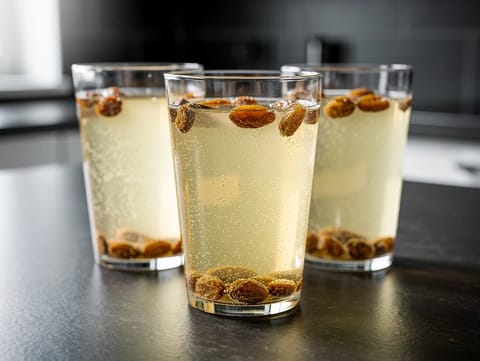
Sima (Finnish Lemon May Day Drink)
Finnish lemon sima, lightly fermented and served chilled with raisins

Sieve and strainer are often used interchangeably, but they solve slightly different problems. A strainer is usually about separating solids from liquid quickly, while a sieve is often about refining texture, removing lumps or aerating dry ingredients. Mesh size, bowl shape and rigidity change what the tool can do, from draining pasta to pressing purées or dusting icing sugar. If you know whether the recipe needs speed, smoothness or fine filtration, you can choose the right tool, or improvise safely with what you have.
A colander has larger holes and is built for fast draining of bulky foods such as pasta and vegetables. A fine-mesh strainer drains smaller items and catches grains, seeds or curds, and it is often used for rinsing. A sieve is typically finer again and may be used dry, for flour or cocoa, or wet, for smoothing custards and sauces. The key variable is mesh size: finer mesh gives a smoother result but clogs more easily, so it suits small quantities and gentle pressing rather than rapid draining.
Finnish lemon sima, lightly fermented and served chilled with raisins
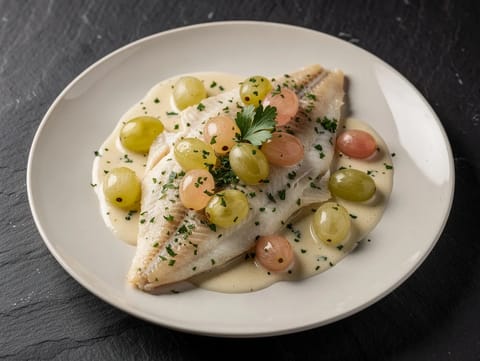
Poached sole with grapes in a white wine cream sauce
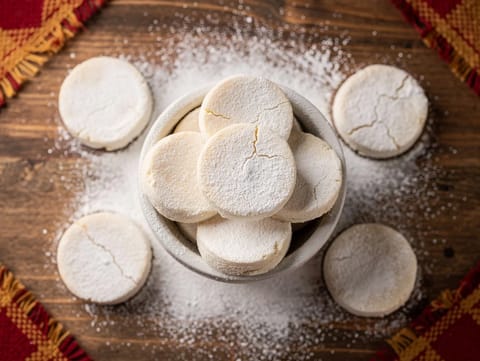
Crumbly Spanish shortbread biscuits with almonds and icing sugar
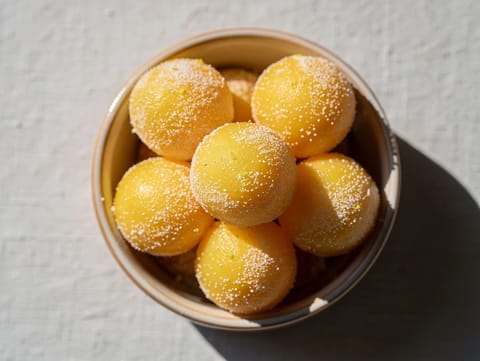
Egg yolk sweets shaped into balls and rolled in sugar
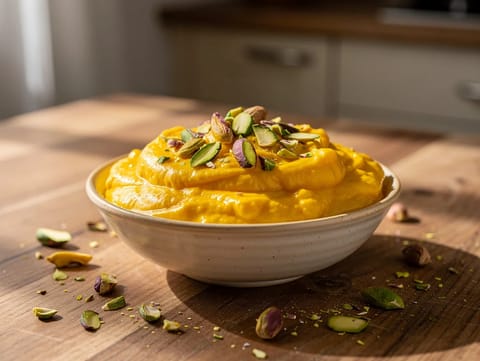
Chilled mango shrikhand made with thick yoghurt and cardamom

Creamy lime drink blended with condensed milk and served over ice
For draining, pick a tool that matches the size of what you are draining. Fine grains and small pasta shapes can slip through a colander, while a fine-mesh strainer can back up and overflow if you pour too quickly. For smoothing, a fine sieve or strainer works best when you push with a ladle or spatula and keep the mixture moving; thick purées may need a sturdier tool and patience. For sifting dry ingredients, a dry, clean sieve is important, and tapping gently is usually more effective than shaking hard, which can compact flour into lumps.
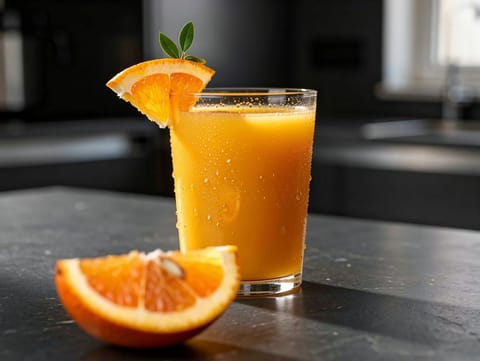
Freshly squeezed orange juice served straight away
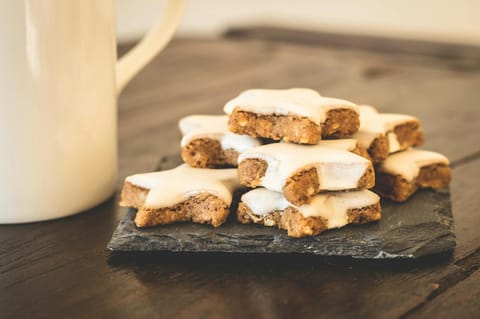
Almond and cinnamon star biscuits topped with sweet meringue glaze
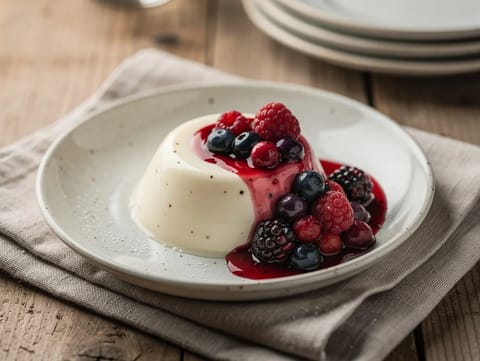
Silky vanilla panna cotta with berry compote

Tangy tamarind paletas with chilli and lime
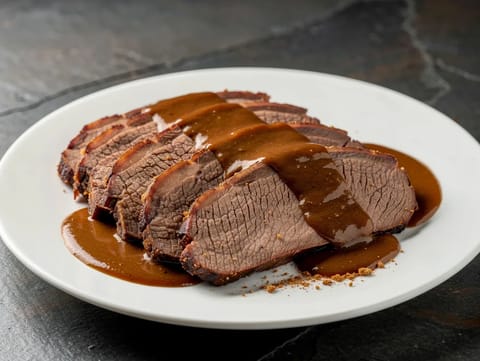
Marinated beef pot roast with tangy gingersnap gravy

Chilled ginger beer with lime, cinnamon and cloves

Mint iced tea made with black tea, sugar and fresh mint

Sweet-sour tamarind agua fresca served chilled over ice
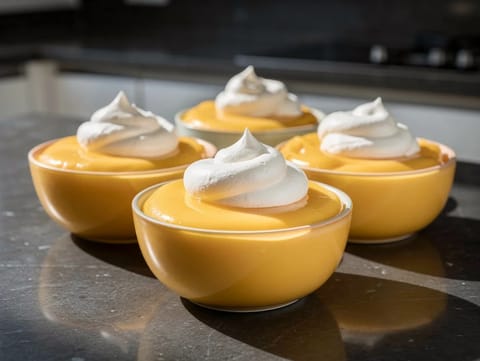
Passion fruit curd cups topped with whipped double cream
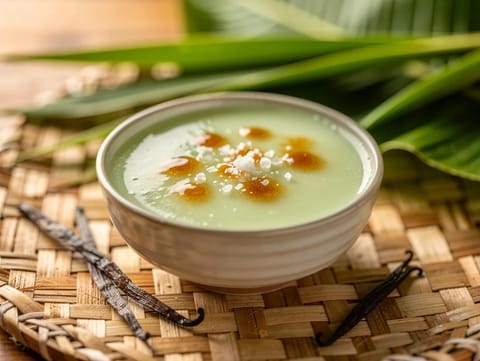
Thai steamed custard flavoured with pandan and coconut milk
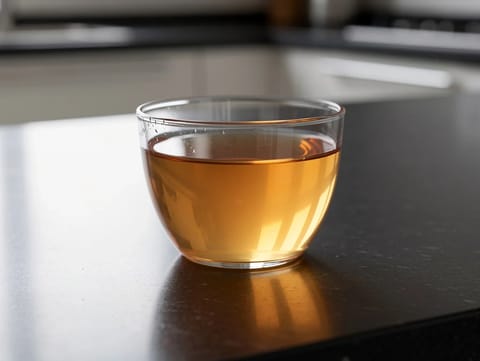
Korean roasted barley tea with a toasty, nutty flavour

Chilled sweet rice drink with cinnamon and vanilla
The most common problem is using too fine a mesh for a large volume of liquid, then pouring fast and flooding the rim. Work in batches and give the liquid time to pass through. Another issue is pressing very hot mixtures aggressively, which can force splashes through the mesh; slow, steady pressure is safer and usually gives a smoother result. For sifting, dampness is the enemy: even a little moisture in the sieve can make flour clump and stick, so dry the tool thoroughly before you start.
This tool often signals a texture step rather than a specific dish. Cooking method is a useful next route because straining, sieving and rinsing show up in everything from stocks and sauces to baking. Difficulty can also help you judge whether the recipe expects a quick drain or a more precise, fine-texture finish.
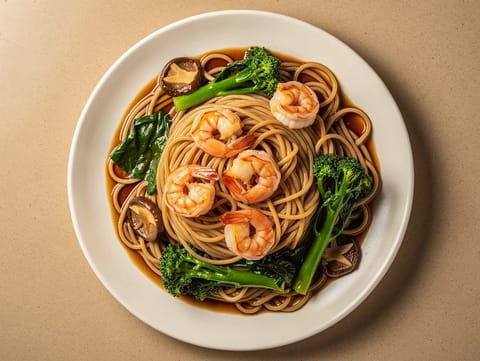
Longevity noodles stir-fried with prawns, shiitake and greens
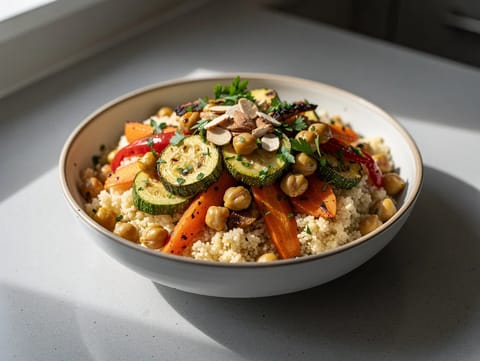
Couscous bowl with roasted vegetables, chickpeas and lemon tahini dressing

Sweet coconut soup with mung beans and tapioca pearls
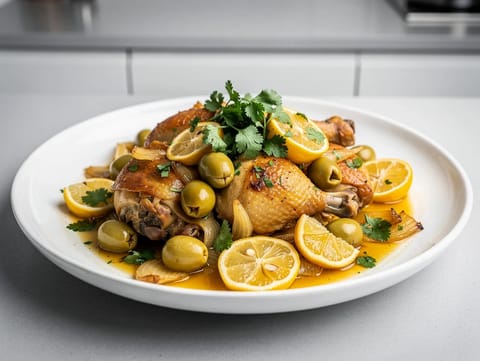
Chicken tagine with preserved lemons, olives and coriander
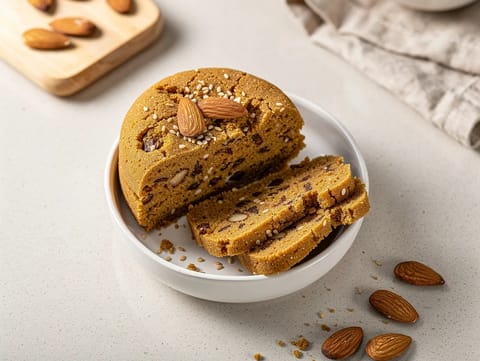
No-bake Moroccan sweet with almonds, sesame, honey and butter

Beef meatballs in spiced tomato sauce with rice
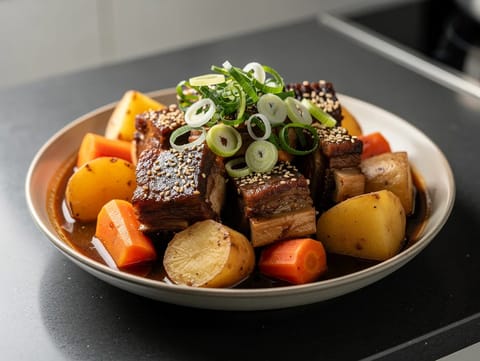
Korean braised beef short ribs with potatoes and carrots
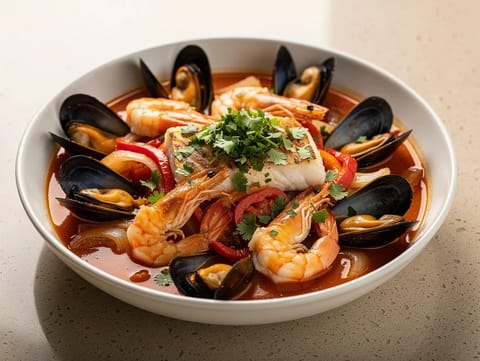
Seafood stew with prawns, fish, mussels and lime
They overlap. Many fine-mesh strainers can act as sieves, but a sieve is often designed for sifting dry ingredients as well as refining wet mixtures.
Use a colander when you need fast draining of larger foods, such as pasta or blanched vegetables. Fine mesh can slow draining and cause overflow with big volumes.
For draining, a colander or slotted spoon may work. For fine straining, a clean cloth or coffee filter can substitute, but it will be slower and may absorb some liquid.
The mesh is too fine for the mixture, or the mixture contains starch or pulp that blocks the holes. Work in smaller batches and stir gently to keep liquid moving through.
Only if the recipe is aiming for a particularly smooth texture or to remove solids such as herbs, spices or curdled bits. Many sauces are meant to be rustic.
You can whisk flour in a bowl to break up lumps and add air. It is not identical to sifting, but it often achieves the practical goal for everyday baking.
Think first about what you are trying to separate: big solids, small grains, or fine lumps. Once you choose the right mesh and work at a sensible pace, sieves and strainers become quiet, reliable tools for cleaner textures and clearer liquids.
