
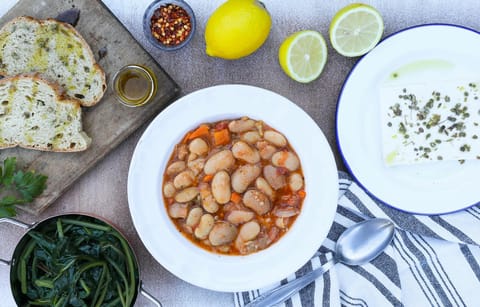
Fasolada (Greek White Bean Soup)
Greek white bean soup simmered with tomato, onion, carrots and celery

A stockpot is a tall, wide pot designed for cooking in plenty of liquid. It is the right tool when you need volume and steady simmering, such as for stock, soup, pasta water or blanching vegetables. Compared with a shallow pan, it holds heat and liquid more predictably, but it is not built for fast evaporation or browning. If you are deciding between similar recipes, the question is usually whether the dish depends on a generous amount of water or broth, or whether it is really a sauté-then-simmer job better started in a different pot.
The height of a stockpot reduces splashing and helps keep long simmers contained, which is useful for bones, shells, legumes and anything that needs to cook gently in liquid. It also gives pasta room to move, which can reduce sticking. The trade-off is surface area: a tall pot evaporates more slowly than a wide casserole, so sauces and braises may take longer to reduce. Stockpots are also less comfortable for tasks that need frequent stirring close to the base, such as thick polenta or custard-like mixtures, because the depth makes it harder to reach corners and monitor scorching.
Greek white bean soup simmered with tomato, onion, carrots and celery
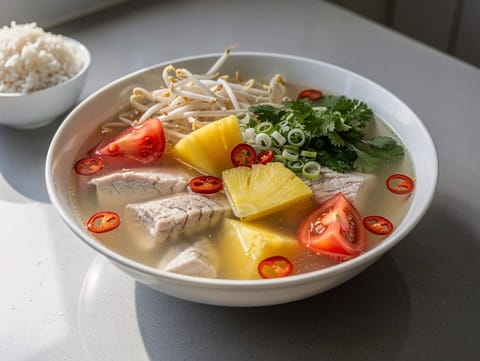
Sweet and sour Vietnamese fish soup with tamarind and pineapple
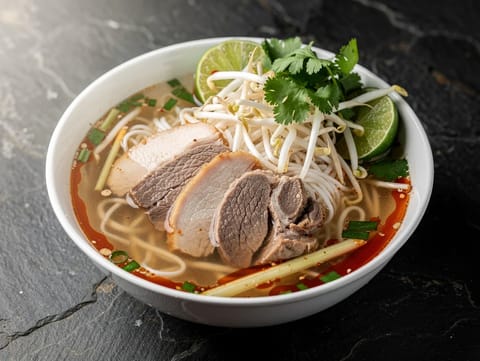
Spicy Vietnamese noodle soup with beef, pork and lemongrass
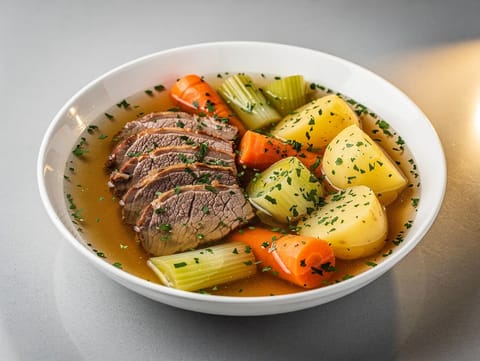
French simmered beef with vegetables in a clear broth
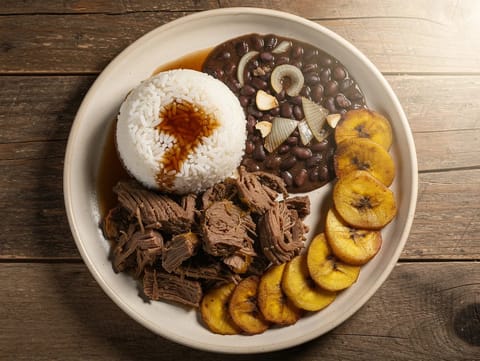
Shredded beef with black beans, rice and sweet plantain.
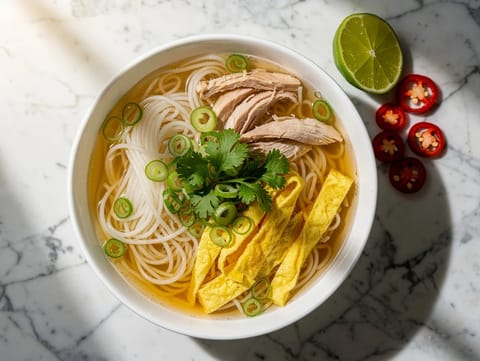
Clear chicken noodle soup with omelette, herbs and lime
A full stockpot is heavy and awkward to pour. If you need to drain pasta or strain stock, it is often safer to ladle into a colander set in the sink, or to lift solids out with a spider, rather than tipping the whole pot. Keep handles turned inwards and avoid filling to the brim, especially when boiling. When simmering for a long time, check the liquid level occasionally so the pot does not run dry and scorch at the base.
Tender beef rice noodle soup with fish sauce, basil, beansprouts and chillies
Hearty lamb soup simmered with carrots, swede, potatoes, barley, leeks and thyme
Tender oxtail soup simmered with garlic, ginger, cloves and cinnamon, served with lime
Tender Berliner Eisbein with smooth pea purée and mustard alongside
Hearty Dutch erwtensoep with split peas, pork shoulder, vegetables and smoked sausage
Caribbean-style seafood boil finished with garlic butter and a squeeze of lime
Hearty kapuśniak soup with sauerkraut, pork ribs, potatoes and warming spices
Traditional flaki wołowe tripe soup simmered with onion, carrot, marjoram and paprika
Żurek is sour rye soup with sausage, garlic, marjoram and sour cream
Fragrant Thai tom yum chicken soup with lime, fish sauce and mushrooms
Clear Korean beef bone soup with brisket, spring onions and simple salt and pepper seasoning
Whole chicken poached with ginger and spring onion, then dressed with soy and sesame
Boiling too hard is a frequent problem for stocks and broths. A rolling boil emulsifies fat into the liquid and can make it look cloudy; a gentle simmer keeps flavours cleaner and makes skimming easier. Another issue is under-seasoning because of volume. Large pots of liquid often need seasoning in stages, tasting as you go, rather than a single addition at the start. Finally, avoid crowding when blanching or boiling: too much food at once drops the temperature and can lead to uneven cooking.
Cooking method is a helpful companion to stockpot recipes, because many start with sautéing aromatics, then switch to simmering, or finish with blending. Difficulty can also guide you towards recipes that match your comfort level with skimming, straining and managing a long, gentle cook.
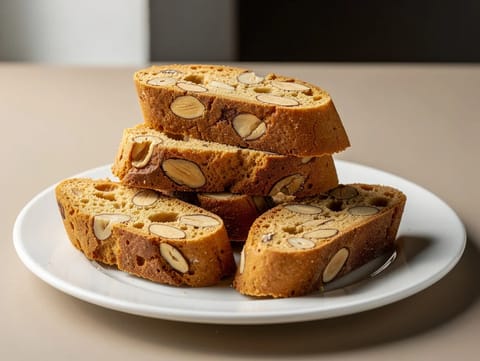
Twice-baked almond biscuits with a crisp, dunkable texture
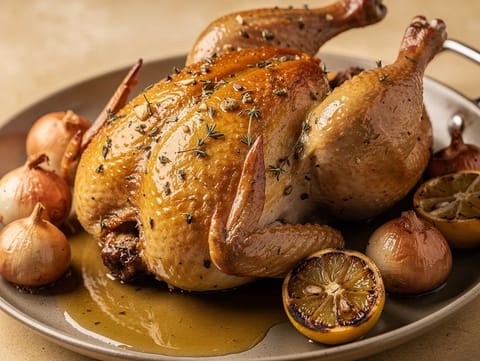
Garlic and herb roast chicken with lemon and white wine juices
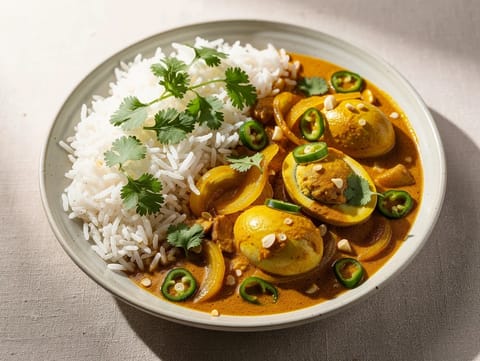
Eggs simmered in spiced tomato gravy with basmati rice

Chicken stew in toasted pumpkin seed sauce
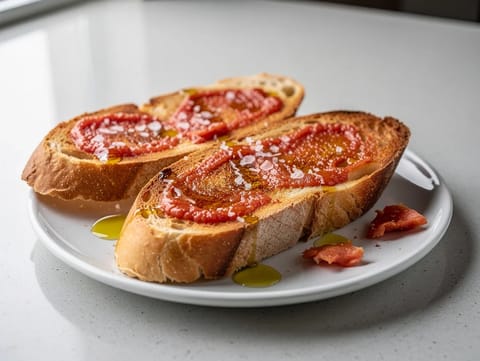
Toasted bread rubbed with garlic and ripe tomato
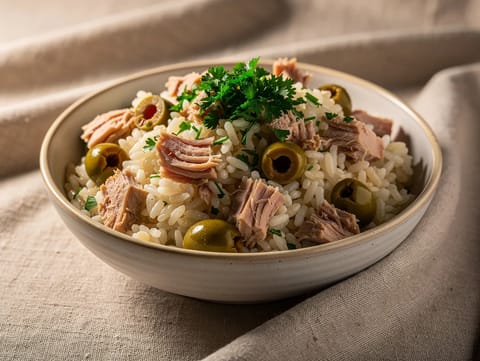
Chilled rice salad with tuna, olives, lemon and parsley
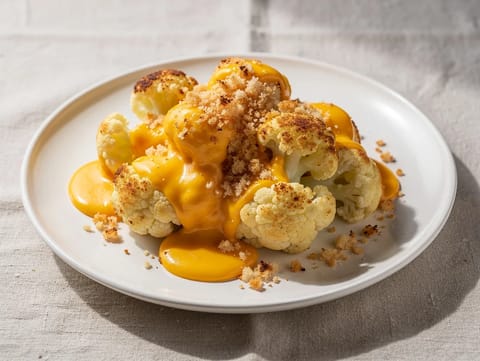
Cauliflower baked in cheddar sauce with a crispy breadcrumb topping
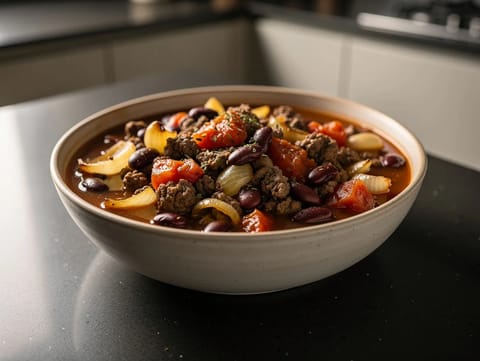
Thick cowboy stew with minced beef, kidney beans and tomatoes
A stockpot is usually taller and lighter, designed for boiling and simmering larger volumes of liquid. A Dutch oven is heavier with thicker walls, better for browning and for steady, even heat in braises and baked dishes.
Yes, as long as it is large enough to hold the ingredients with water covering them and has a lid. A stockpot simply makes the job easier by giving you space and reducing splashes.
Cloudiness often comes from boiling too vigorously or stirring a lot, which breaks up proteins and disperses fat. A gentle simmer and occasional skimming usually produce a clearer broth.
Many cooks prefer plenty of water because it returns to the boil quickly and helps prevent sticking. Some methods use less water successfully, but they rely on more stirring and careful timing.
It can be, but thick mixtures are more prone to catching at the base, and the depth makes stirring less comfortable. A heavy-bottomed pot with a wider base can be easier for very thick soups.
A large saucepan, a Dutch oven or any deep, heatproof pot can stand in, provided it is big enough and safe to lift when hot. Choose the widest option you have if you need faster reduction.
Choose a stockpot when the recipe is fundamentally about cooking in liquid: boiling, blanching, simmering and straining. If the method depends on browning first or reducing quickly, you may find a wider, heavier pot more straightforward.
