
Gomtang (Korean Clear Beef Bone Soup with Brisket)
Why this recipe works
- Clear, clean broth: Blanching and rinsing the bones before the main simmer helps remove impurities, giving the soup its characteristic clarity.
- Deep beef flavour: Marrow bones build body in the broth while brisket adds savoury depth and provides tender slices for serving.
- Seasoned at the table: Keeping the broth mild lets each bowl be adjusted with salt, pepper and spring onion to suit individual taste.
Get the most out of this recipe
Timing notes
- Mostly hands-off cooking: The active work is brief, but the broth needs a long, steady simmer to draw flavour from the bones and tenderise the brisket.
- Serve piping hot: Gomtang is best ladled over rice while the broth is very hot, so slice the beef and spring onion before assembling the bowls.
Authenticity notes
- Mild by design: Gomtang is typically served with minimal seasoning in the pot, allowing diners to add salt and pepper at the table.
- Rice in the bowl: Short-grain rice is commonly served with the broth, making the soup more substantial without clouding its clean flavour.
Texture tips
- For a cleaner finish: Chill the strained broth, lift off the solidified fat, then reheat gently for a lighter, clearer soup.
- Slice the brisket correctly: Cut the brisket thinly across the grain so the meat stays tender in each spoonful.
Make-ahead tips
- Keep rice separate: Store the broth, brisket and rice separately so the rice does not absorb the liquid and soften too much.
- Freeze the broth: The strained broth freezes well without the rice; defrost overnight in the fridge before reheating.
- Reheat gently: Warm the soup on the hob until piping hot, adding a little water if the broth has reduced during storage.
Equipment you'll need
Ingredients
Instructions
- Put the beef marrow bones in a stockpot and cover with cold water. Bring to the boil and boil for 10 minutes to draw out impurities, then drain through a colander and rinse the bones well under running water. Rinse out the pot.
- Return the cleaned bones to the pot and add the brisket and garlic. Cover with fresh cold water, bring to a gentle simmer, then skim any foam from the surface. Keep at a steady, low simmer for 2 hours, topping up with hot water if needed to keep everything submerged.
- Lift out the brisket and set aside to cool slightly. Continue simmering the bones for 45 minutes to deepen the broth. Meanwhile, rinse the short-grain rice until the water runs mostly clear, then cook it in a saucepan with water until tender.
- Strain the broth through a sieve into a clean pot, discarding the bones and garlic. Bring the broth back to a gentle simmer and season with the fine sea salt and black pepper, keeping it mild as gomtang is usually adjusted at the table. Slice the brisket thinly across the grain.
- Thinly slice the spring onion. Divide the rice between bowls, top with sliced brisket, then ladle over the hot broth. Finish with spring onion and add extra fine sea salt and black pepper to taste.
Recipe notes
Serving suggestions
This recipe pairs well with:
Tips
- Keep the broth at a gentle simmer rather than a rolling boil to help it stay clear; skim the surface whenever foam appears.
- For a cleaner flavour, chill the strained broth, lift off any solidified fat, then reheat gently until piping hot before serving.
- If serving young children, season very lightly in the pot and let everyone adjust with fine sea salt and black pepper at the table.
Substitutions
- Replace beef brisket with beef shank for a slightly more gelatinous, richer mouthfeel.
- Replace spring onion with finely sliced white onion added to the bowls just before serving for a sharper bite.
Storage
- Refrigerate up to 3 days
- Cool the broth and brisket quickly, then refrigerate separately if possible. Reheat the soup gently on the hob until piping hot; add a splash of water if it has reduced. Freeze the strained broth (without rice) for up to 3 months; defrost overnight in the fridge before reheating.
Ratings & reviews
Liked this recipe? Share your feedback to support our cooking community.
Tried this recipe?
Choose 1–5 stars. A comment is optional.
Stay inspired
Discover new recipes, seasonal favourites and cooking inspiration every day. Follow JustRecipes on Pinterest and Spillt.
Recipe overview
- Servings: 4 servings
- Total time: 4h (25min active)
- Difficulty: Medium
- Cuisine: Korean
Plan your meals and get a complete grocery list automatically.
Add to meal plannerEquipment you'll need
Got ingredients left?
Find recipes using ingredients from this recipe or what you already have at home.
Find recipes with these ingredients →
Erbsensuppe mit Würstchen (German Split Pea Soup with Smoked Sausage)
German split pea soup with smoked sausage and root vegetables
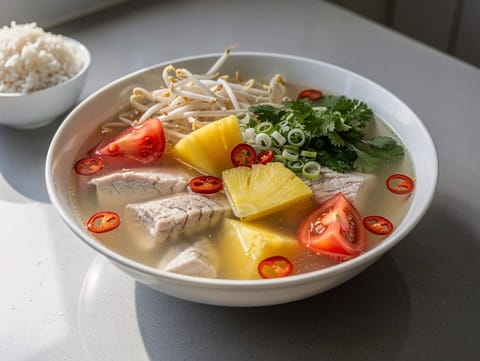
Canh Chua (Vietnamese Sweet and Sour Fish Soup)
Sweet and sour Vietnamese fish soup with tamarind and pineapple

Kalakeitto (Finnish Salmon Soup with Dill and Potatoes)
Creamy Finnish salmon soup with dill and potatoes

Parihuela (Peruvian Seafood Soup with Tomato and Chilli)
Seafood soup with tomato, chilli, lime and coriander

Zupa Pomidorowa Lekka (Light Polish Tomato Soup)
Light tomato soup with carrots, celery, cream and dill
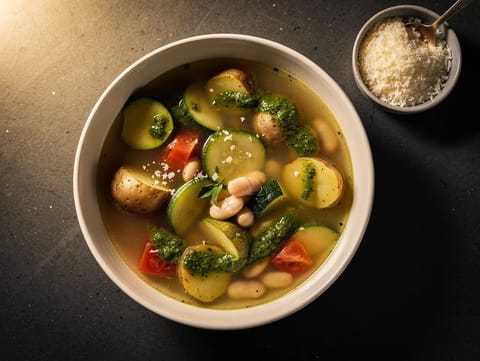
Soupe au Pistou (Vegetable Soup with Basil Sauce)
Vegetable and bean soup finished with basil pistou
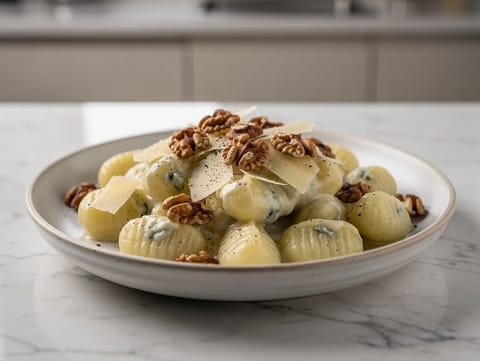
Gnocchi al Gorgonzola e Noci (Gnocchi with Gorgonzola and Walnuts)
Potato gnocchi in gorgonzola cream sauce with toasted walnuts

Pepián (Guatemalan Chicken in Pumpkin Seed Sauce)
Chicken stew in toasted pumpkin seed sauce
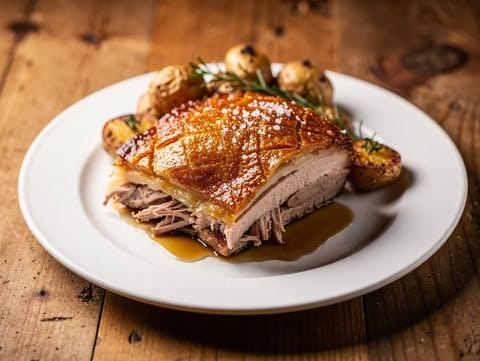
Slow-Cooked Pork Shoulder with Crackling
Slow-roasted pork shoulder with crisp crackling and roasting juices

Pork Tenderloin with Dijon and Tarragon Sauce
Seared pork tenderloin with Dijon and tarragon cream sauce

Prawn Cocktail Lettuce Cups
Prawn cocktail in crisp lettuce cups with chives

Potted Shrimp with Toasted Sourdough
Potted shrimp set in spiced butter, served with sourdough
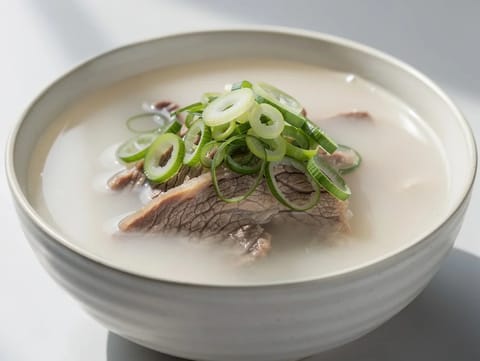
Seolleongtang (Korean Ox Bone Soup with Brisket)
Korean ox bone soup with brisket and a milky broth
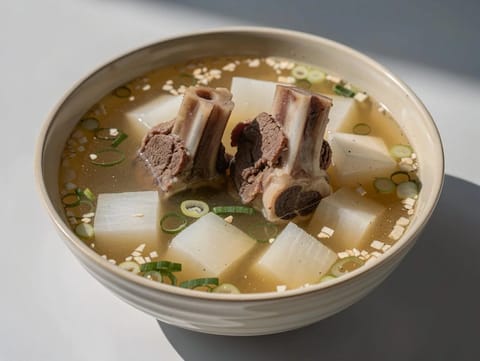
Galbitang (Korean Clear Beef Short Rib Soup with Radish)
Korean clear short rib soup with radish and spring onions
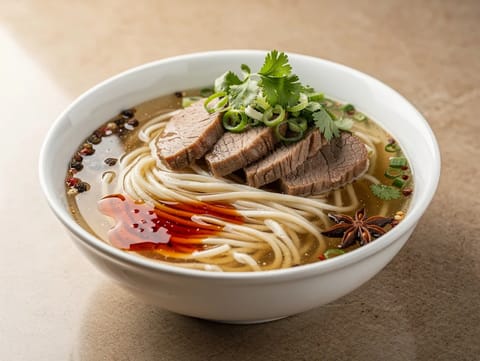
Hand-Pulled Beef Noodles (Lanzhou-Style Noodles in Clear Broth)
Hand-pulled noodles in clear beef broth with chilli oil
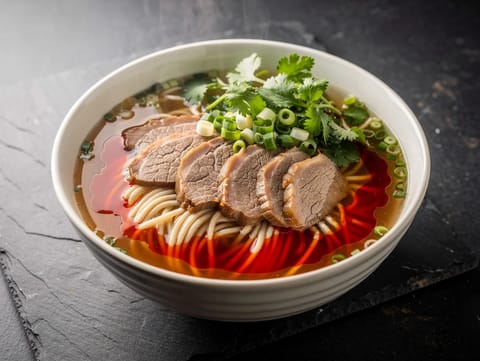
Lanzhou Beef Noodles (Hand-Pulled Noodle Soup)
Lanzhou beef broth with hand-pulled noodles, beef and chilli oil
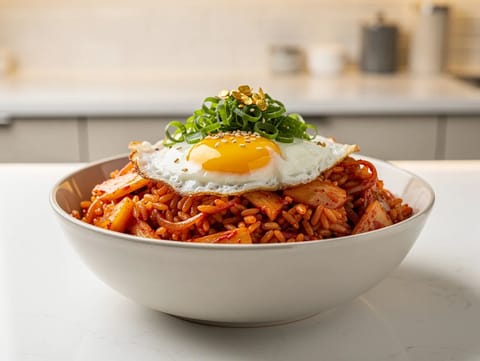
Modern Kimchi Fried Rice Bowl
Kimchi fried rice topped with a fried egg and sesame
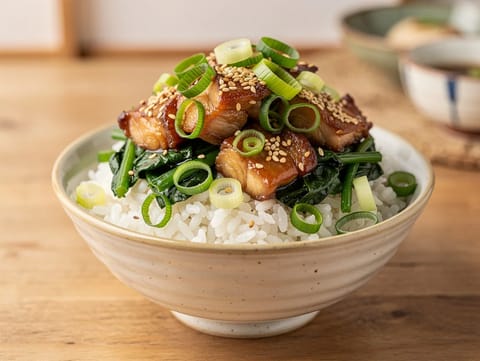
Japanese Chicken Rice Bowl with Soy, Mirin and Ginger
Chicken rice bowl with soy, mirin, ginger and spinach
You might also like

Brandade de Morue (French Salt Cod and Potato Gratin)
Salt cod and potato gratin with garlic and breadcrumbs

Insalata Caprese con Burrata (Tomato and Burrata Salad)
Ripe tomatoes and burrata with basil, olive oil and balsamic
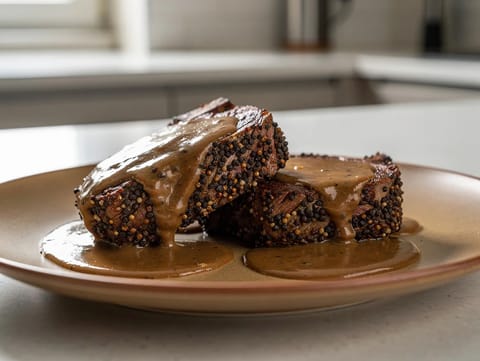
Steak au Poivre (Pepper-Crusted Steak with Cream Sauce)
Pepper-crusted steak with a cognac and cream pan sauce

Homemade Vanilla Bean Ice Cream
Custard-based vanilla bean ice cream with a smooth, rich texture
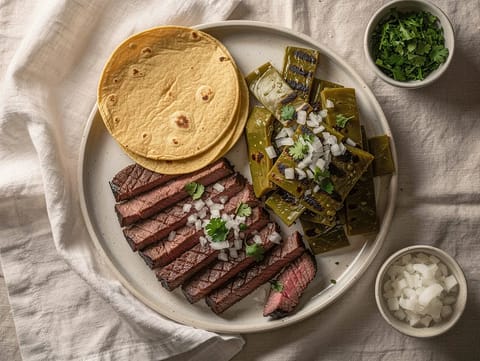
Carne Asada with Grilled Nopales
Grilled skirt steak and nopales served in corn tortillas

Gnocchi alla Sorrentina (Baked Gnocchi with Tomato, Basil and Mozzarella)
Baked gnocchi in tomato and basil with mozzarella topping
Enjoy cooking with JustRecipes?
Add JustRecipes as one of your preferred Google sources to discover our recipes more easily across Google Search.
Add JustRecipes to GoogleEvery recipe on JustRecipes follows the same structured editorial process. Learn how recipes are created, validated, translated, illustrated, and continuously improved across the platform. How we create recipes.
