
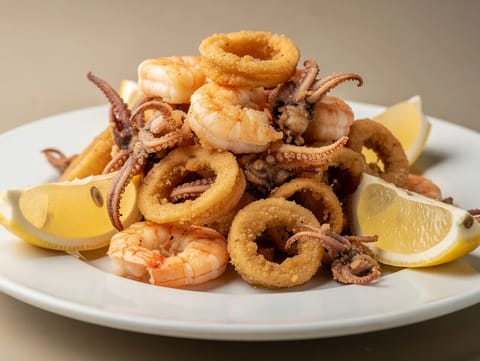
Fritto Misto di Mare (Italian Mixed Fried Seafood)
Crisp fried squid and prawns with lemon

A kitchen thermometer turns “looks done” into a clear decision, which is useful whenever colour and timing are unreliable guides. That includes thick cuts of meat, delicate fish, custards, deep-frying and sugar stages, where a few degrees can change texture quickly. Thermometers also reduce the need to cut into food to check it, which helps retain juices and keeps coatings intact. The trick is matching the thermometer to the task and using it correctly. A fast probe, a leave-in probe and a sugar thermometer each solve different problems.
An instant-read probe is the general-purpose choice for checking doneness: you insert it briefly, take a reading, and remove it. A leave-in probe is better for roasts and slow cooking, where you want to monitor temperature over time without repeatedly opening the oven. For confectionery and deep-frying, a clip-on sugar thermometer (or a probe designed for high heat) is useful because it can sit in hot syrup or oil without you holding it. The main practical advantage across all types is confidence: you can stop cooking at the point the recipe intends, rather than relying on a fixed time that may not match your pan, oven or ingredient size.
Crisp fried squid and prawns with lemon
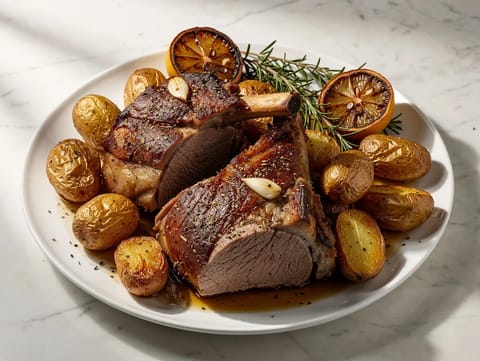
Greek-style roast lamb with lemon, garlic and tray potatoes
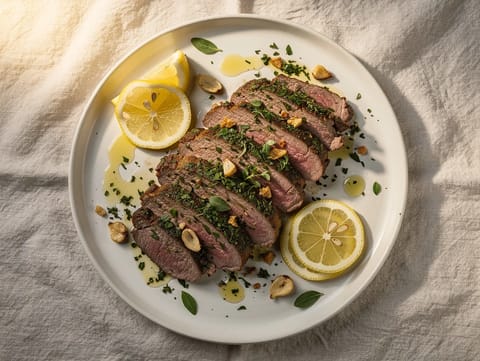
Air-fried lamb with garlic, lemon and herbs.
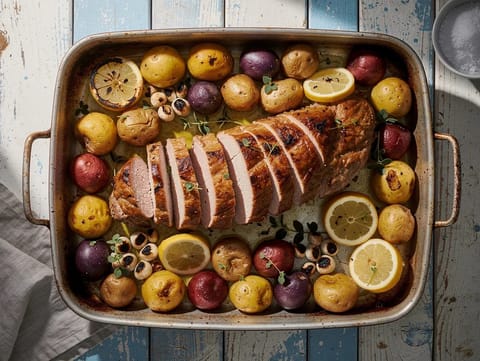
Greek-style pork roast with lemon, oregano and tray potatoes
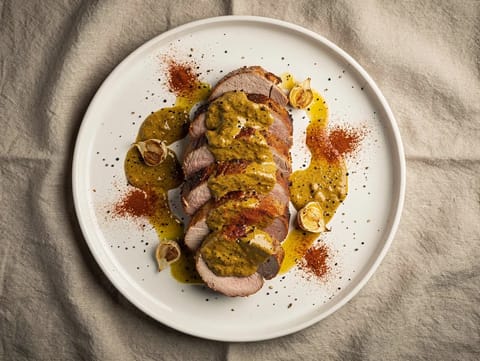
Juicy pork tenderloin with a honey mustard glaze
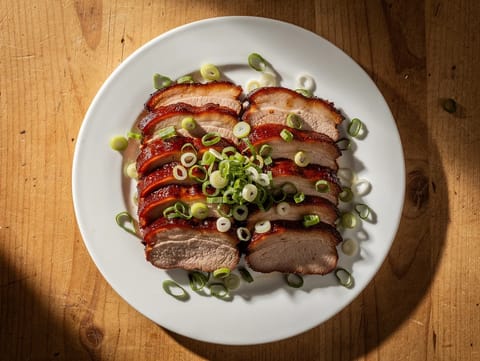
Roasted char siu pork with a glossy hoisin and honey glaze
Most thermometer problems are technique, not the tool. If you hit bone, the pan, or a pocket of fat, the reading can be misleading. Aim for the thickest part of the food and avoid touching hard surfaces. With thin foods, angle the probe so the tip sits in the centre rather than poking straight through. For liquids, stir first and measure away from the sides of the pan, where heat is highest. Finally, remember carryover cooking: larger pieces can continue to rise in temperature after you take them off the heat. Recipes may account for this, so treat the target temperature as part of the method, not just a number to chase.
Juicy pork tenderloin served with a Dijon, tarragon and white wine cream sauce
Crisp crackling pork belly served with cider gravy and potato apple mash
Crisp-skinned duck breast served with a reduced cherry, red wine and honey sauce
Tết sweets with bouncy pandan jelly and crisp sesame peanut brittle
Leavened wheat dough shaped into pairs, then deep-fried into crisp, airy youtiao
French roast capon with garlic and thyme butter, served with white wine gravy
Turrón nougat made with whipped egg whites, honey syrup and roasted almonds
Marinated Peruvian roast chicken with crisp skin, lime juice and aji amarillo sauce
Caramelised sugar brittle with toasted pumpkin seeds, cooled until hard
Pepitorias are toasted pumpkin seeds set in crisp caramel shards
Juicy roast lamb with rosemary and olive oil, served with pan juices
Seared beef fillet wrapped in puff pastry with mustard and mushroom duxelles
A thermometer can support safer cooking, but it is only as reliable as its calibration and your placement. If you suspect yours is inaccurate, check it against boiling water and ice water using the manufacturer’s guidance. Keep probes clean between uses, especially when moving from raw to cooked foods. And if a recipe gives both a temperature and a visual cue, use both: temperature tells you what is happening inside, while colour and texture tell you what is happening on the surface.
Cooking method is a natural next step because thermometers matter most in techniques where temperature control is the method, such as frying, roasting and custard-making. Difficulty can also help you choose: some recipes build in wide margins, while others expect you to act quickly once a target temperature is reached.
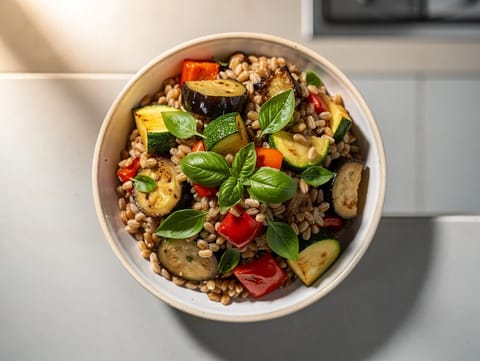
Farro with roasted vegetables, lemon, garlic and basil
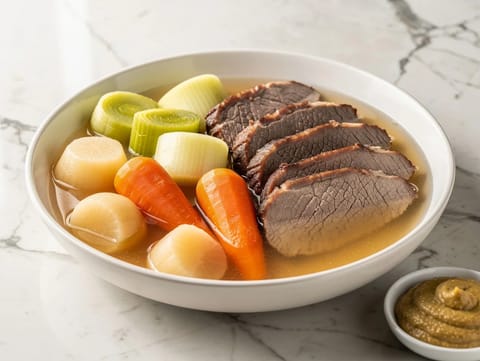
French beef stew with brisket, vegetables and clear broth
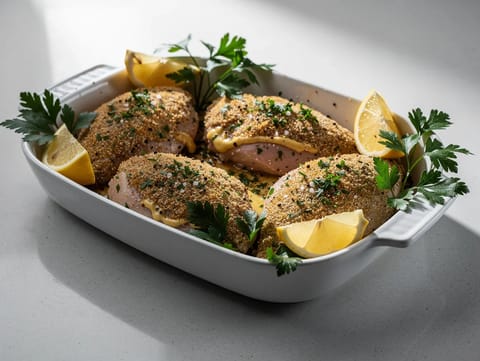
Baked chicken with a crisp rye breadcrumb and mustard crust
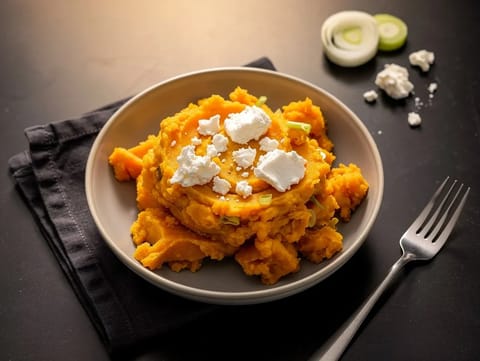
Dutch mash with roasted pumpkin, leeks and goat cheese
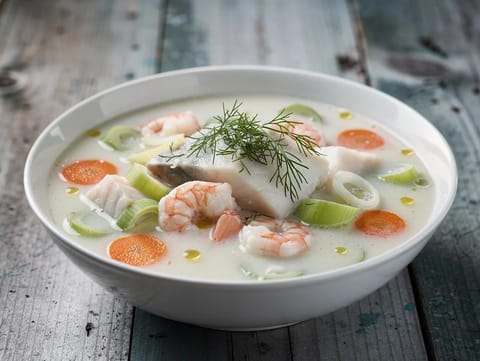
Creamy fish soup with prawns, lemon and dill
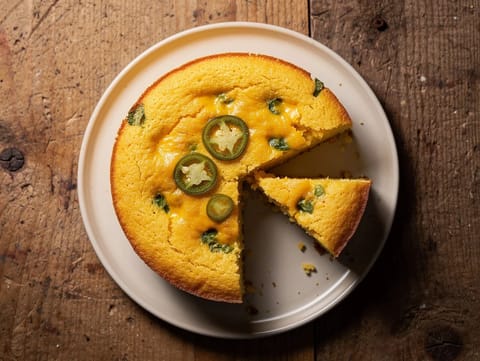
Golden skillet cornbread with jalapeño and cheddar
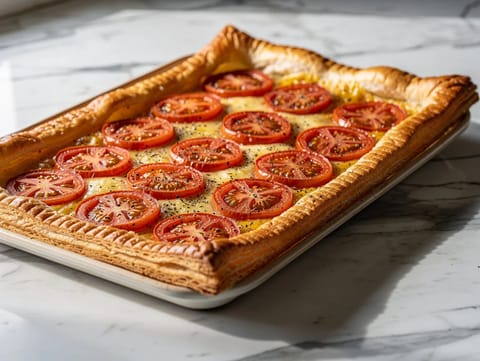
Puff pastry tart with Dijon mustard, tomatoes and Gruyère
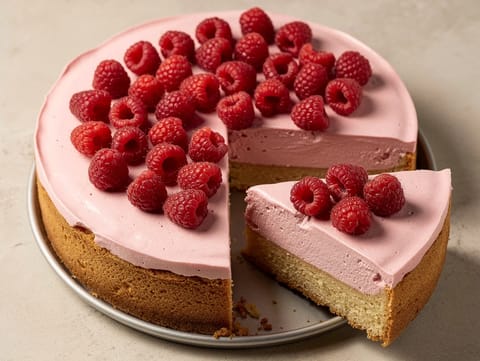
Almond sponge topped with raspberry mousse and fresh raspberries
Not for every bake, but it can be useful for bread (checking internal doneness), for custards and curds, and for sugar work where stages are temperature-defined.
Instant-read probes are designed to be inserted briefly for a quick reading. Leave-in probes are designed to stay in the food during cooking, often with a cable or wireless monitor.
Temperature is not perfectly even, especially near bone, fat seams or the surface. Take a couple of readings in the thickest area and use the lowest stable reading as your guide.
Sometimes, if it is rated for high temperatures and can be cleaned thoroughly. Many cooks prefer a dedicated high-heat thermometer for oil and sugar to avoid damage and lingering odours.
Yes. Timings assume a certain thickness, starting temperature and equipment. A thermometer lets you confirm doneness without overcooking while you learn how your oven and pans behave.
Use a thermometer when the inside matters more than the outside. Once you trust your readings, you can cook to the texture the recipe describes, not just the clock.
